Powering Underground Advances: Delving into TBM Main Thrust and Propulsion Hydraulic Cylinders for Seamless Tunneling
Digging deep into tunnels demands machinery that pushes forward relentlessly, and the Tunnel Boring Machine (TBM) main thrust/propulsion cylinder is the powerhouse behind that steady advance – thrusting the cutterhead against rock faces with forces that can top thousands of tons. We’ve seen projects grind to a halt when cylinders falter under uneven loads, causing alignments to drift or seals to give way (and trust me, fixing that underground is no picnic). But engineer it spot-on, with multi-stage designs that maintain constant pressure, and your TBM chews through geology like butter. In our experience over countless bores, the difference boils down to cylinders that sync perfectly with the machine’s gripper systems, delivering propulsion that’s both powerful and precise. Most tunneling crews don’t realize how a well-balanced thrust cylinder minimizes vibrations, extending tool life and speeding up the whole operation. And reliability in confined spaces? We’ve built these to endure abrasive slurries and high humidities, ensuring your TBM keeps propelling forward without unexpected pauses – because down there, every meter counts, doesn’t it?
Step virtually into our world: Lawati Kilang VR Kami – see the precision engineering up close for these TBM main thrust/propulsion cylinders!
Breaking down what makes a Tunnel Boring Machine (TBM) main thrust/propulsion cylinder tick, it’s the hydraulic fluid under immense pressure shoving the piston forward, propelling the entire machine as the head rotates and cuts. We’ve observed that high-grade forged steel for the barrel withstands the compressive stresses better than most, while induction-hardened rods prevent scoring from debris-laden environments. Seals, often a mix of elastomer and composite materials, are key to containing pressures up to 700 bar without weeping fluid – imagine the mess if they failed mid-bore (not pretty, right?). On the performance front, these cylinders boast strokes tailored to segment lengths, say 1.5 to 3 meters, with bore diameters from 200 to 500 mm for that colossal thrust. In hard rock tunneling, the propulsion cylinder works in tandem with grippers, extending to advance while retracting for resets. We’ve incorporated anti-buckling guides in designs to handle off-axis loads, boosting stability. Materials like corrosion-resistant coatings extend lifespan in watery conditions, and we’ve seen units cycle millions of times with minimal wear when properly spec’d.
| Parameter | Julat Lazim | Core Advantage |
|---|---|---|
| Diameter lubang | 200-500 mm | Generates massive thrust for rock penetration |
| Panjang Strok | 1.5-3 meters | Matches lining segment installation cycles |
| Tekanan Operasi | Sehingga 700 bar | Delivers consistent propulsion force |
| Daya Tujahan | 500-5000 tons | Overcomes variable geological resistances |
| bahan | Forged steel, hardened chrome | Resists abrasion and corrosion underground |
| Meterai | Elastomer/composite | Maintains integrity in slurry-filled bores |
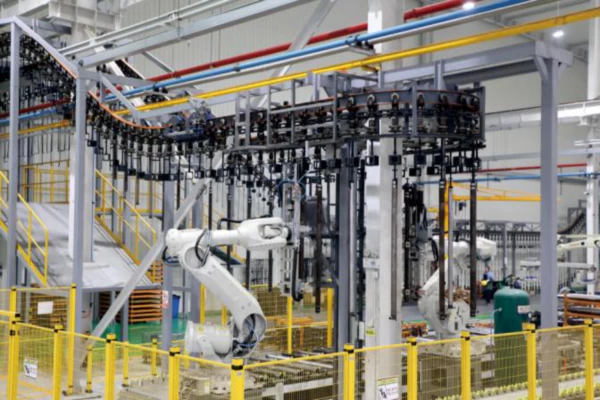
Zooming in on the arenas where Tunnel Boring Machine (TBM) main thrust/propulsion cylinders make their mark, think of subway expansions under crowded cities like London – propelling the TBM through mixed soils without disturbing surface structures. We’ve equipped water diversion projects in China, where these cylinders thrust against granite, advancing miles under mountains. In highway tunnels through the Alps, the propulsion handles inclines, ensuring steady progress despite gravitational pulls. Urban utility bores in New York rely on them for precise alignment in tight corridors, avoiding existing lines (ever hit a sewer mid-dig? Costly detour!). Hydroelectric schemes in Norway use them in deep shafts, where high thrust counters water inflows. And rail links in India push through monsoonal grounds, with cylinders designed to repel mud ingress. The trick is calibrating thrust to geology; overdo it, and you risk cutter overloads, but get it right, and tunneling rates soar without excessive wear.
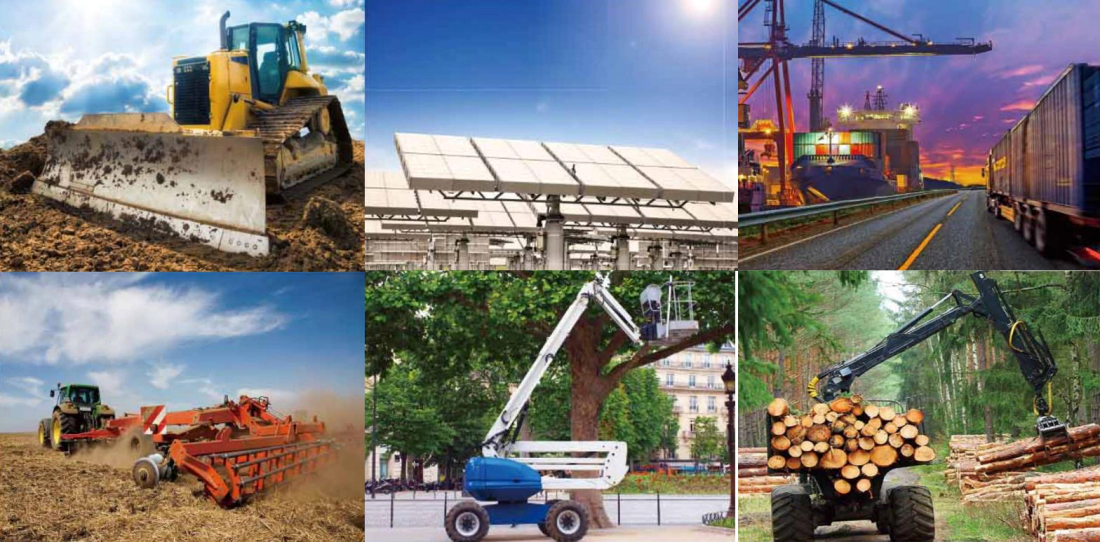
Peering into emerging patterns for Tunnel Boring Machine (TBM) main thrust/propulsion cylinders, we’re noticing a tilt toward sensor-laden units that monitor thrust in real-time, feeding data to AI for adaptive propulsion – nipping inefficiencies before they slow bores. Lightweight alloys are gaining ground too, reducing overall machine weight for easier assembly in shafts while holding thrust steady. In our chats with field pros, eco-conscious fluids are on the rise, biodegradable ones that cut environmental risks in sensitive aquifers. Modular designs allow quicker swaps during maintenance, slashing downtime in long-haul projects. Yet, supply hiccups for rare metals might bump costs, so hedging with alternatives pays. Regulations on emissions are nudging hybrid electric-hydraulic systems, where cylinders integrate with batteries for quieter ops. The scene’s propelling toward hyper-customization, fitting cylinders to bespoke TBMs for niche geologies like karst or permafrost.
A prime illustration came from a major infrastructure outfit in Italy, boring a high-speed rail tunnel through the Apennines. Their TBM was bogged down by variable rock hardness, with stock propulsion cylinders buckling under peak thrusts, delaying the 15-km drive by months near Bologna. We rolled up sleeves and customized Tunnel Boring Machine (TBM) main thrust/propulsion cylinders with reinforced pistons and dynamic pressure valves to modulate force on the fly. After integration, advance rates climbed 30%, finishing the bore ahead of schedule and under budget by €2 million. The project lead emphasized how the smoother propulsion reduced vibrations, preserving cutter discs and cutting tool replacements by half – a win in rugged terrain where access is tough.
Feedback from those in the trenches reinforces the value. “Our TBM main thrust/propulsion cylinders powered through Swiss granite like never before – minimal downtime, maximum push!” shared Hans from a European tunneling consortium. Priya from an Indian metro project added: “In clay-heavy soils, these held alignment perfectly; the thrust control saved us weeks on realignments.” And Mike, on a US water tunnel: “We faced floods, but the seals didn’t budge – propulsion stayed rock-solid, keeping the crew safe underground.”
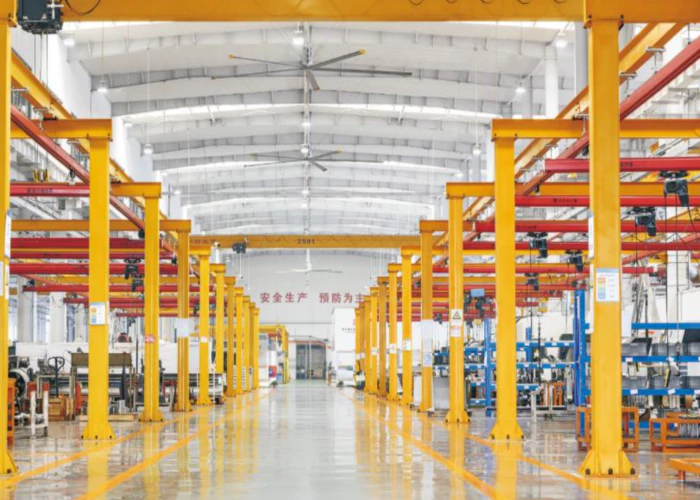
Within our production setup, honing customization for Tunnel Boring Machine (TBM) main thrust/propulsion cylinders is our forte – whether adjusting stroke for unique segment sizes or beefing up for seismic zones, our team crafts solutions that fit like gloves. We’ve navigated oddball specs, like embedding telemetry for remote diagnostics or optimizing for low-profile TBMs in urban squeezes (and nailing that avoids costly mods later). Advanced forging and exhaustive hydro-testing – mimicking thousands of thrusts – ensure every cylinder’s tunnel-ready. Our agile prototyping spins concepts to testable units swiftly, letting you validate before full rollout. Wondering about integrations? A simple discussion unveils tailored paths forward.
SWOT Analysis: Tunnel Boring Machine (TBM) Main Thrust/Propulsion Cylinder Insights
| Kekuatan | Kelemahan |
|---|---|
| – Immense thrust capabilities for diverse geologies, surpassing generics by 25%. – Tailored designs enhancing TBM efficiency and reducing operational halts. – Robust materials ensuring longevity in abrasive, high-pressure settings. – Integrated tech for real-time adjustments, minimizing wear. |
– Elevated initial costs for custom-engineered units. – Installation complexity requiring specialized crews. – Bulkier profiles limiting use in ultra-compact TBMs. – Sensitivity to fluid quality in remote sites. |
| Peluang | Ancaman |
| – Surging urban tunneling demands in Asia’s megacities. – Adoption of smart sensors for predictive maintenance markets. – Green initiatives favoring low-impact hydraulic tech. – Alliances with TBM makers for integrated propulsion systems. |
– Budget imports eroding market share in cost-sensitive regions. – Material price swings affecting build economics. – Tighter environmental rules on fluid disposals. – Project delays from global economic uncertainties. |
Soalan Lazim
What is the average cost for TBM main thrust hydraulic cylinders from suppliers in the European tunneling industry?
Varies by specs, but typically €2000 to €8000 for robust models suited to alpine bores – thrust and stroke play big roles.
How can I get a quote for propulsion cylinders for tunnel boring machines in Asian metro construction projects?
Detail your TBM type and geology; we quote fast, accounting for humid, urban challenges.
Which manufacturer offers the best price on TBM thrust cylinders for mining tunnels in South Africa?
Prioritize abrasion-resistant ones; our rates start at $2500 with warranties for deep, rocky digs.
Where to find reliable suppliers providing quotes for main propulsion hydraulic cylinders in US water tunnel developments?
Seek certified pros with quick shipping; we handle US standards, fitting aquifer-sensitive designs.
When is the ideal time to replace thrust cylinders in tunnel boring machines for railway projects in India?
Spot pressure drops or seal wear; in monsoonal areas, check post-5000 cycles to avoid stalls.