The critical line of defense against gale-force loads. Engineering absolute nacelle stability with 42CrMo welded actuators designed for the corrosive reality of offshore and highland wind farms.
Engineering Resilience in the Face of Nature’s Fury
The wind energy sector demands components that operate reliably in the most unforgiving environments on Earth, from the salt-laden gales of the North Sea to the thin, freezing air of the Andes. The yaw system is the steering mechanism of the turbine, but the yaw brake hydraulic cylinder is its anchor. When the turbine aligns with the wind, these compact, high-pressure actuators must clamp the brake calipers with immense force to lock the nacelle in position. As a senior application engineer with over 18 years of experience in fluid power for renewable energy, I have analyzed the root causes of brake failure across gigawatts of installed capacity. The failure of a yaw brake cylinder—whether through seal degradation, rod corrosion, or internal leakage—can lead to catastrophic “yaw drift,” causing excessive cable twisting and structural damage to the tower.
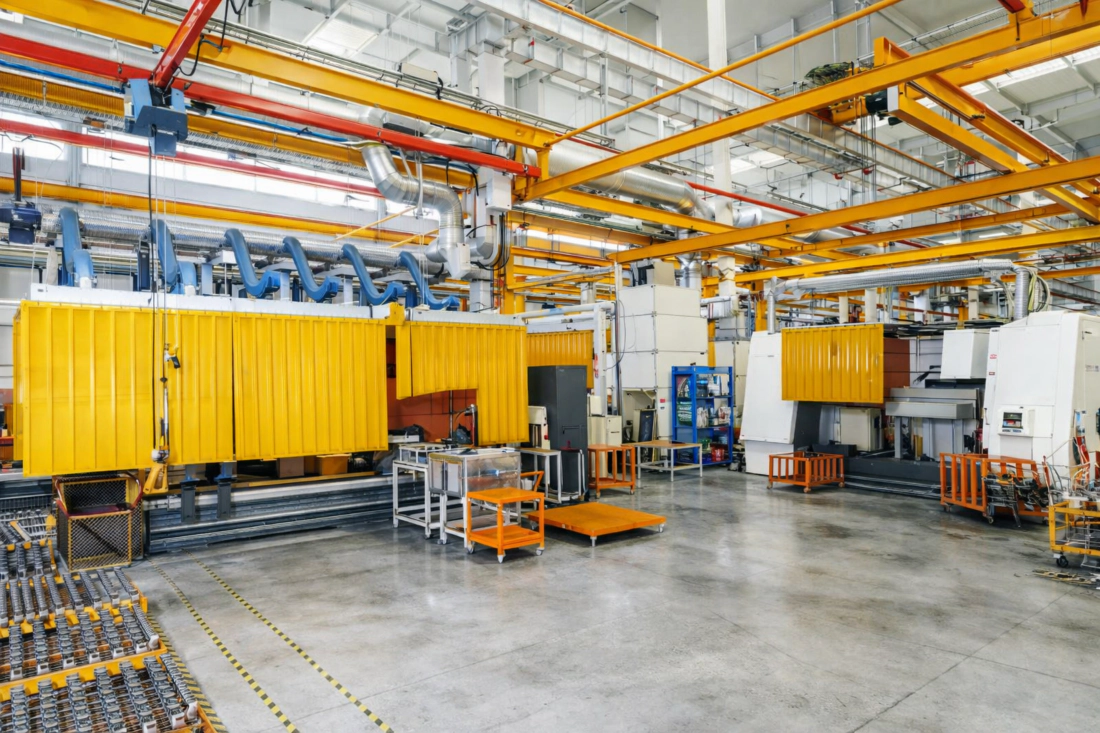
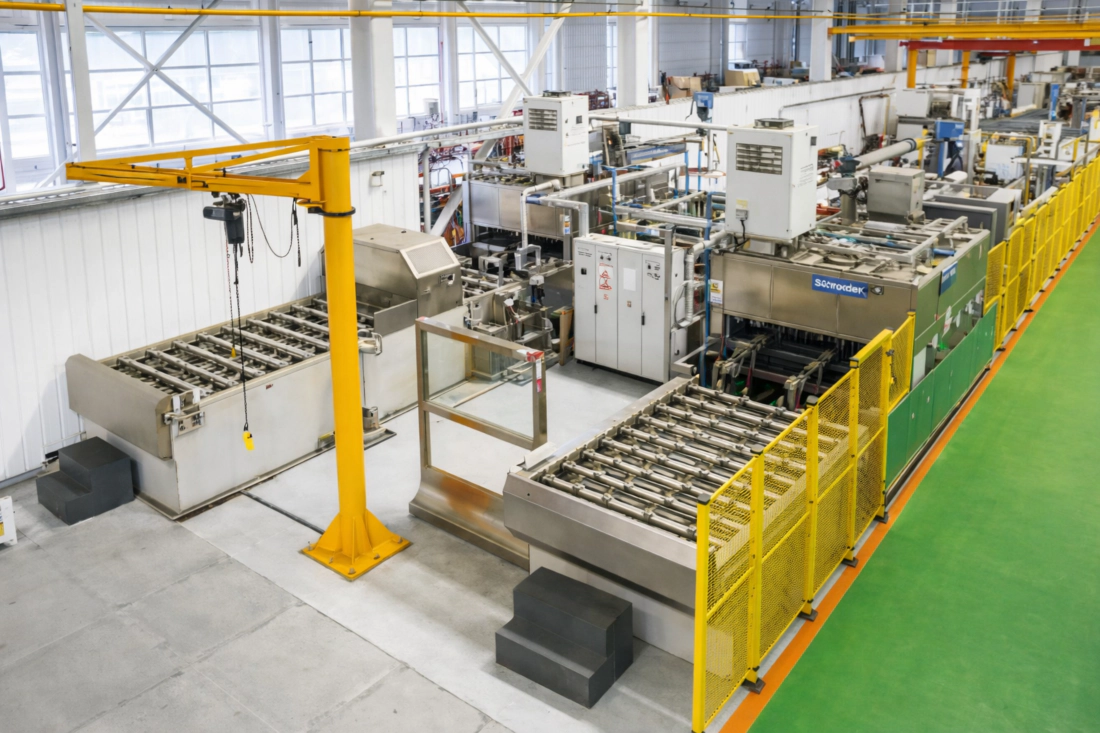
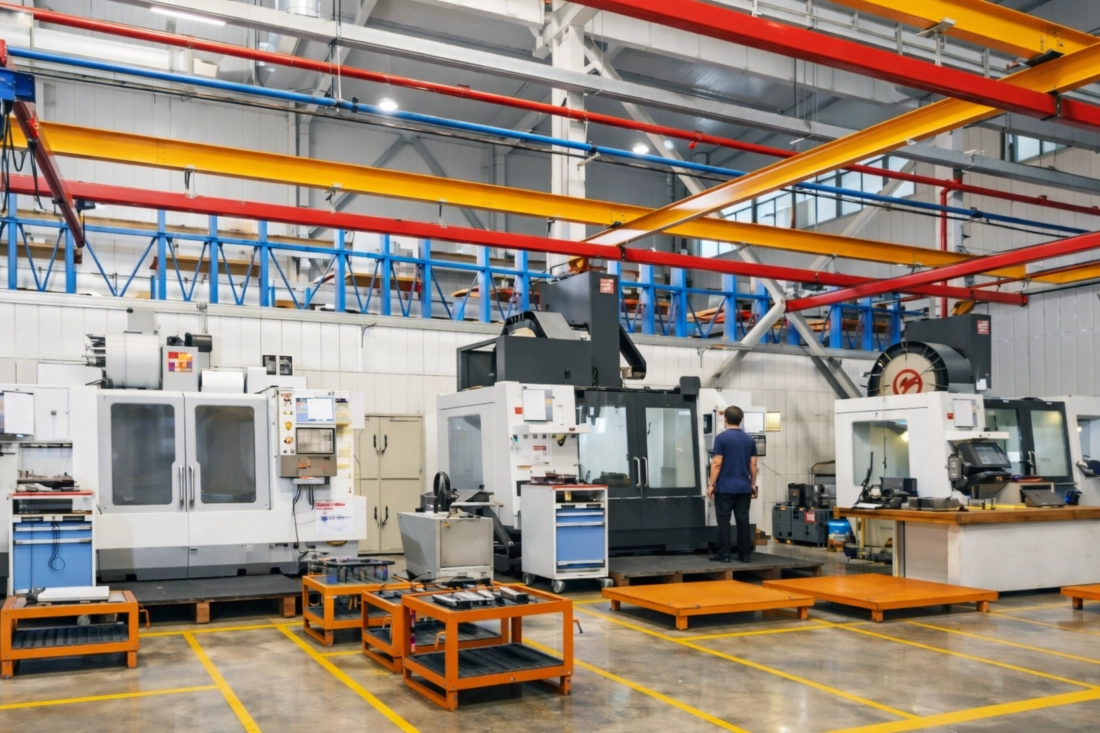
Standard hydraulic cylinders are simply insufficient for the 20-year service life expectation of modern turbines. The application requires a specific architectural approach: a double-acting, piston-type configuration built on a robust 42CrMo alloy steel chassis, featuring advanced surface treatments capable of withstanding C5-M corrosive environments. At 에버 파워, we do not just manufacture parts; we engineer safety margins. We invite you to step virtually onto our advanced manufacturing floor, where you can inspect our automated welding robots, precision honing centers, and salt-spray testing laboratories from your own office.
Transparency in manufacturing. Verify our ISO-certified capabilities instantly.
The Battle Against Corrosion and Internal Leakage
In wind turbine applications, the most insidious threat to yaw brake cylinders is “Internal Leakage” coupled with “Rod Corrosion.” During the operational life of a turbine, the brake cylinders remain in a pressurized “holding” state for extended periods. If the piston seal geometry degrades or if the cylinder barrel expands under pressure (ballooning), hydraulic fluid bypasses the piston. This results in a loss of clamping force, allowing the nacelle to slip during high wind events. Standard ST52 steel tubing often lacks the yield strength to maintain perfect circularity under the high pressure (often >250 bar) required for compact brake calipers.
Furthermore, offshore and coastal turbines are subjected to salt spray that can penetrate standard chrome plating. Once the piston rod pits, it acts like a file, shredding the wiper seal and contaminating the hydraulic system. Our engineering solution utilizes 42CrMo (AISI 4140) Quenched and Tempered steel for the cylinder body, providing 50% higher yield strength than standard carbon steel. For the rod, we implement a multi-layer Nickel-Chrome plating process. The underlying nickel layer provides an impermeable barrier against saltwater corrosion, while the top chrome layer provides the hardness needed for millions of micro-cycles.
Technical Configuration
- 구조: Welded Body (No Tie-Rods)
- 재료: 42CrMo High-Tensile Alloy
- 밀봉: Low-Friction PTFE + Bronze
- 안전: Manifold-mounted Hydraulic Lock
Technological Architecture of the Yaw Brake Cylinder
42CrMo Alloy Strength
We utilize 42CrMo alloy steel for the cylinder barrel. This high-strength material allows for thinner walls while maintaining a higher safety factor against bursting and deformation. This reduces the overall weight of the nacelle while ensuring the cylinder does not “breathe” under high pressure.
Nickel-Chrome Armor
To meet C5-M marine environment standards, our rods undergo a specialized Duplex plating process. A 30μm layer of Electroless Nickel prevents substrate corrosion, followed by 20μm of Hard Chrome. This combination has survived over 1000 hours in neutral salt spray testing (NSS).
Integrated Hydraulic Lock
Safety is redundant. We design our cylinders with an interface to mount pilot-operated check valves directly on the cylinder port. This creates a zero-leakage hydraulic lock, ensuring the brake remains clamped even if a supply hose bursts during a storm.
Global Case Study: Offshore Reliability
기술 성능 매트릭스
| Specification Parameter | 표준 산업 사양 | 에버 파워 "풍력 사양" |
|---|---|---|
| 본체 재질 | ST52 / Q345B | 42CrMo (담금질 및 템퍼링 처리) |
| 구조 유형 | Standard Piston | Compact Welded Structure |
| 로드 코팅 | Hard Chrome (25μm) | Nickel (30μm) + Chrome (20μm) |
| Salt Spray Rating | 200 Hours NSS | 1000+ Hours NSS (C5-M) |
| 작동 압력 | 160 바 | 250 Bar (Peak 320 Bar) |
| Temp Range | -20°C ~ +80°C | -40°C to +80°C (Low Temp Option) |
Applications Beyond Yaw Braking
While the yaw brake cylinder is our primary focus here, the underlying technology—high-pressure holding and extreme corrosion resistance—is deployed across the wind turbine hydraulic ecosystem.
Locking the main rotor for maintenance, requiring absolute zero-drift safety standards.
Adjusting blade angles in real-time, demanding high-frequency response and fatigue resistance.
Opening heavy nacelle roofs, exposed directly to the outer elements and salt spray.
중국 에너지 허브의 세계적 수준의 제조
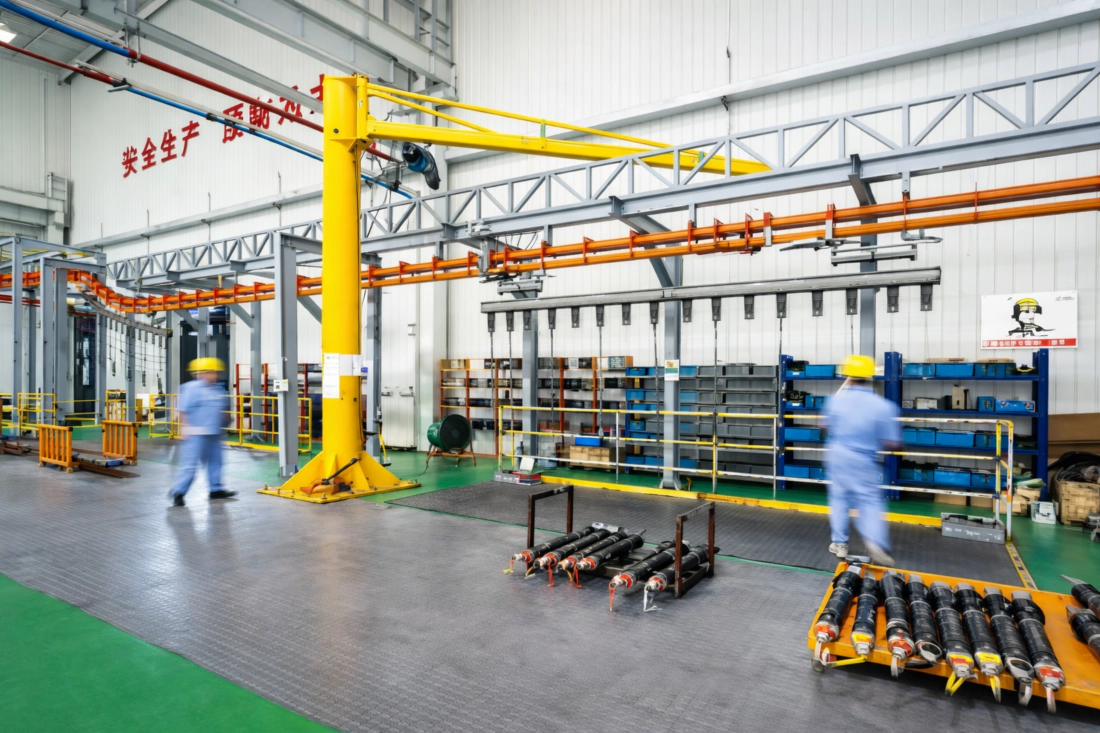
Ever Power operates from a premier industrial zone in China, giving us direct access to the same high-grade 42CrMo supply chains used by global wind giants. We challenge the narrative of “low-cost” by focusing on “high-precision.” Our facility employs German CNC machines and rigorous salt-spray testing protocols to ensure every cylinder meets European wind standards.
We are experts in global logistics. Whether your project is in the North Sea, the Texas Panhandle, or off the coast of Fujian, we handle DDP (Delivered Duty Paid) shipping, ensuring the cylinders arrive at your site with all taxes and duties handled, ready for installation.

Expert Dialogue: Wind Turbine Hydraulics
Why is 42CrMo preferred over ST52 for yaw brakes?
42CrMo offers significantly higher yield strength than ST52. This allows the cylinder to maintain its shape and seal integrity under the extremely high pressures (up to 300 bar) used in compact brake calipers, preventing internal leakage and yaw drift.
How does Nickel plating improve cylinder life offshore?
Standard chrome plating has microscopic cracks that allow salt air to reach the steel rod. Our base layer of Nickel seals these cracks, creating a chemical barrier against salt spray. The top Chrome layer then provides the hardness needed for wear resistance.
Can you replace OEM cylinders from Rexroth, Parker, or Eaton?
Yes, we specialize in aftermarket replacement. If you provide the OEM part number or a technical drawing, we can manufacture a 100% interchangeable cylinder, often with upgraded materials like 42CrMo to extend service life beyond the original specs.
What is the lead time for a custom yaw cylinder?
For custom designs requiring special plating, our typical production time is 35 to 40 days. However, we offer an expedited service for emergency maintenance situations where we can ship within 20 days.
Do you provide material certificates for offshore projects?
Absolutely. We provide full EN 10204 3.1 Material Certificates, Salt Spray Test Reports, and Pressure Test Reports with every shipment, ensuring full traceability for your project documentation.