It’s 3:30 AM, the temperature is hovering around -25°C (-13°F), and the wind is howling. You are in the cab of a wheel loader, pushing a 12-foot snow blade to clear a hospital parking lot. You hit the lever to angle the blade left, and… nothing. Or worse, you see a stream of hot hydraulic fluid steaming as it hits the ice. I’ve been in this industry long enough (coming up on 19 years now) to know that there is no lonelier feeling than a hydraulic failure in the middle of a blizzard. The Snow Plow Angle Cylinder is the unsung hero of winter maintenance. It takes a beating from road salt, absorbs impact from hidden curbs, and has to seal perfectly when the rubber O-rings want to turn into hard plastic.
Most printers (I mean, procurement managers) don’t realize that you can’t just slap a standard agricultural cylinder on a snow plow and expect it to survive February. The thermal shock alone—going from hot oil inside to freezing ice outside—creates expansion issues that generic cylinders aren’t built for. The trick isn’t just a stronger rod; it’s about the chemistry of the seals and the integrity of the chrome plating against magnesium chloride (that nasty road salt). We’ve engineered our Loader Snow Blade Cylinders specifically for these “Arctic” conditions. We use high-impact 炭素鋼 welding and a proprietary low-temp sealing configuration that stays pliable when everything else freezes solid.
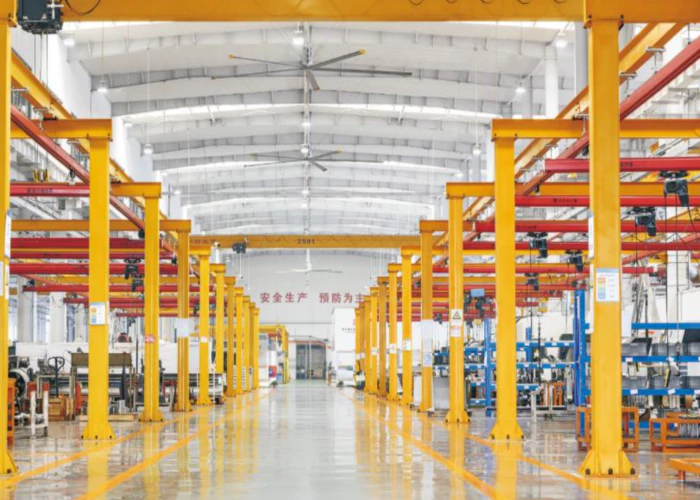
👀 Don’t Get Left in the Cold—See Our Factory
We believe in transparency. We don’t just talk about quality; we show it. We’ve digitized our entire production floor so you can see the chrome plating tanks and cold-testing benches yourself.
Step inside our facility right now:
The “Arctic Spec”: Engineering Against the Freeze
Let’s get technical about why standard cylinders fail in snow. It usually comes down to “Glass Transition Temperature.” Standard NBR (Nitrile) seals have a glass transition point around -20°C. Below this, they become brittle. When the rod moves, the seal doesn’t flex; it cracks, or it simply fails to maintain lip pressure on the rod, allowing oil to bypass. This is why your blade starts drifting or won’t hold an angle.

私たちの Snow Plow Angle Cylinders are built differently.
1. The Seals: We swap standard NBR for Low-Temperature Polyurethane (Cold-PU) or specific LT-NBR compounds rated to -45°C. These materials retain their “snap-back” elasticity even when frozen.
2. The Rod: Road salt is highly corrosive. We use a multi-layer 硬質クロムメッキ (25+ microns) with a salt-spray rating of 96+ hours. For extreme cases, we offer a Nickel-Chrome underlay.
3. The Cushioning: Snow plowing involves hitting hidden curbs. We weld robust ends and often integrate cushioning ports to dampen the shock when the blade hits full lock left or right, preventing the “water hammer” effect from blowing the gland.
| 特徴 | Standard Ag Cylinder | Our “Arctic Spec” Cylinder |
|---|---|---|
| Min. Operating Temp | -20°C (Brittle failure risk) | -45°C (Flexible retention) |
| シール材 | Standard Nitrile (NBR) | Cold-PU / LT-NBR Hybrid |
| Rod Protection | Decorative Chrome | Hard Chrome (Salt Resistant) |
| 耐衝撃性 | Low (Cast Iron Clevis) | High (Welded Steel Clevis) |
| Design Type | Tie-Rod (Leak-prone in cold) | Welded Body (Robust) |
Where Does This Cylinder Belong?
The beauty of the Snow Plow Angle Cylinder is its ubiquity in winter. While we focus heavily on Wheel Loaders (like Cat 950s or John Deere 544s converted for winter), these cylinders are also critical for Skid Steer Loaders そして Motor Graders equipped with front blades or wing plows.

A trend we’ve seen is the “Sectional Sno-Pusher.” These massive containment plows have independent sections that move up and down. They rely on hydraulic down-pressure to scrape clean. In this scenario, the cylinder isn’t just angling; it’s providing active down-force. If the seal leaks here, the plow floats over the ice instead of scraping it, leaving a dangerous surface behind. This is where our 複動ピストン design shines, ensuring positive pressure in both directions.
Case Study: The “Great Lakes” Storm Response
クライアント: “Superior Snow Management” – A large commercial contractor in Buffalo, NY.
The Meltdown: During the infamous “Lake Effect” storm of 2022, their fleet of Komatsu loaders was decimated. The OEM cylinders on their aftermarket blades were freezing up. The seals contracted so much in the -30°C windchill that oil was literally pouring out of the glands. They had 40% of their fleet down in the first 24 hours.
私たちのソリューション: We air-freighted a batch of custom Arctic Spec Welded Cylinders.
- ✅ シール: Upgraded to a Parker Low-Temp composite profile (rated to -50°C).
- ✅ デザイン: Included a heavy-duty ice-scraper wiper to prevent ice buildup on the rod from retracting into the cylinder.
- ✅ Fit: Reversed-engineered the mounting pins to drop straight into their Fisher plow mounts.
結果: The retrofitted loaders ran continuously for 96 hours without a single hydraulic leak. The fleet manager, Bob, told us: “You guys saved our contract with the city. Period.”
Feedback from the Frost Line
“We used to rebuild cylinders every spring because of salt pitting. These chromed rods are tough. Two seasons in, and they still look new.”
— Pierre L., Municipal Works, Quebec
“The low-temp seals make a huge difference. No more ‘morning sickness’ where the plow won’t move until the oil warms up.”
— Mike S., Owner-Operator, North Dakota
“Fast shipping. We broke a ram hitting a curb, and they had a custom size built and shipped in 10 days.”
— Sarah J., Fleet Maintenance, Alaska
戦略分析(SWOT)
強み
- Specialized Low-Temp sealing technology (-45°C).
- High salt-resistance chrome plating.
- Welded construction is suited for impact.
- Rapid customization for aftermarket plows.
弱点
- Higher cost than generic “warm weather” cylinders.
- Seasonality of demand creates production peaks.
- Imports of specialized seals can have lead times.
機会
- Climate change is bringing unpredictable storms.
- Retrofitting older municipal fleets.
- Expansion into airport ground support equipment.
脅威
- Electric actuators replacing hydraulics on light trucks.
- Cheap, non-spec replacements from generic suppliers.
- Biodegradable fluid mandates (requires seal changes).
Future Trends: Smarter, Cleaner Plows
We are watching two big shifts. First, Biodegradable Fluids. Many municipalities now mandate eco-friendly hydraulic oil. The catch? These fluids can eat standard seals. We are already producing “Eco-Ready” cylinders compatible with synthetic esters. Second, Variable Geometry Plows. These sophisticated blades change shape (V-plow to Scoop) on the fly. They require multiple cylinders working in sync. We are prototyping “Smart Cylinders” with internal position sensors to help automated systems maintain the perfect blade angle without operator input.
Built for Your Specific Storm
Here is the deal: Snow plows are often custom-fabricated or modified. A Boss plow mount on a John Deere loader might not be standard. Off-the-shelf parts rarely fit perfectly. That’s where we shine. We specialize in カスタム製造. You send us the pin size, the stroke you need, and the port location (so the hoses don’t get pinched), and we build a cylinder that drops right in. No welding, no cutting, just bolting on.
よくある質問(FAQ)
Why does my snow plow angle cylinder start leaking immediately when the temperature drops below -20°C?
It is almost always a seal material issue. Standard NBR (Nitrile) seals turn into hard plastic at those temps. They lose their elasticity and can’t follow the rod surface anymore, letting oil bypass. We switch to a specialized Low-Temperature Polyurethane or a specific LT-NBR compound that stays flexible down to -45°C. It’s a small change that saves huge headaches.
Can you manufacture a replacement angle cylinder for a Boss or Fisher plow attached to a Cat loader?
Yes, we do this daily. Since many plows are aftermarket modifications on loaders, the cylinders are often non-standard. We just need the Pin Diameter, Stroke, and Closed Length. We can reverse engineer it and usually upgrade the chrome plating quality to handle the road salt better than the original.
What is the price difference between a standard hydraulic cylinder and your “Arctic Spec” snow plow cylinder?
You are looking at about a 15-20% premium for the Arctic Spec. This covers the cost of the low-temp seal kits (which are imported) and the multi-layer chrome plating for salt resistance. But considering a breakdown at 3 AM in a blizzard costs you hundreds of dollars an hour, it pays for itself in the first storm.
How do I prevent the chrome rod from rusting due to road salt and magnesium chloride?
Salt is the enemy. Standard decorative chrome doesn’t cut it. We use a multi-layer hard chrome process, often with a nickel underlay, to seal the steel rod. Also, we recommend storing the cylinders with the rods retracted when not in use, or applying a heavy wax spray if they must be left exposed.
What is the typical lead time for a custom snow plow cylinder during the peak winter season?
We know winter doesn’t wait. For custom-welded designs, we typically look at 2 to 3 weeks. However, we keep stock of standard rod and barrel sizes for snow applications, so for urgent breakdowns, we can often utilize our “Rapid Track” production to get it out the door in under 12 days.
Don’t Let Winter Win.
Equip your fleet with cylinders that don’t freeze. Let’s talk specs.