You are three kilometers deep into a tunnel drive, the humidity is near 100%, and the air smells like wet cement and hydraulic fluid. The TBM is pushing forward, and the most critical operation happening at the tail skin isn’t just the cutting—it’s the backfilling. If you don’t fill that annular gap between the segment and the rock immediately and evenly, you get surface settlement. I’ve spent the better part of 18 years crawling around the gantries of tunnel boring machines, and if there is one component that causes more headaches than it should, it’s the synchronous grouting cylinder (or pumping cylinder).
The problem is deceptively simple: Grout is nasty stuff. It’s a mix of cement, sand, water, and often chemical accelerators (sodium silicate) that are highly alkaline and abrasive. Most hydraulic cylinders are built for oil; they aren’t built to be submerged in a bath of liquid rock. We’ve seen standard carbon steel cylinders—even the ones with fancy epoxy paint—start to pit and rust within weeks of installation. Once that corrosion starts on the rod or the inner barrel, the seals get shredded, the precise metering of the grout fails, and suddenly, you have a quality control nightmare on your hands. That’s why, for this specific application, we stopped trying to protect steel and switched entirely to 316Lステンレス鋼.
👀 See How We Weld Stainless Steel
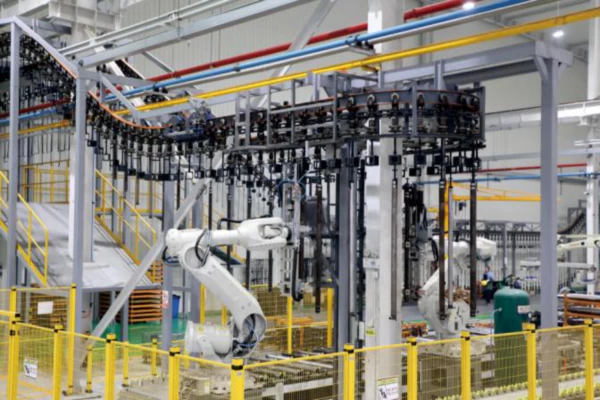
Stainless steel requires a completely different welding protocol than carbon steel to maintain its corrosion resistance. We invite you to take a virtual walk through our specialized stainless production line right now.
The Chemistry of Failure: Why Paint Isn’t Enough
Let’s talk about why standard cylinders die in this environment. The grout mixture often contains chlorides, especially if you are tunneling in coastal areas or using certain accelerators. Chlorides are the kryptonite of standard 304 stainless steel and regular carbon steel. They cause pitting corrosion—tiny, deep holes that penetrate the metal surface. Once a pit forms on a cylinder rod, it acts like a cheese grater against your wiper seal.
We use 316Lステンレス鋼 because of one specific element: Molybdenum. The addition of 2-3% Molybdenum drastically improves resistance to pitting and crevice corrosion in chloride environments. Furthermore, we polish the heck out of these cylinders. I’m talking about a mirror finish on the rod and a high-grade polish on the barrel exterior. Why? Because cement needs a rough surface to bond to. If the surface is microscopically smooth, the splatter just wipes off. If it’s rough or pitted, the cement dries, hardens, and then gets dragged into the cylinder housing on the retraction stroke. That’s game over for your seals.
Technical Specifications: Precision Meets Durability
You need a cylinder that can handle pressure, but more importantly, you need one that handles the medium. This isn’t just a hydraulic actuator; it’s a metering device. The volume of grout injected must equal the theoretical void volume (plus a bit for compression). Here is how we spec our “Grout-Master” series.
| 特徴 | 仕様詳細 |
|---|---|
| シリンダータイプ | Double-Acting Piston / Welded Stainless |
| ボディ素材 | 316L Stainless Steel (Seamless Tube) |
| ロッド材質 | 17-4PH or 316L (Hardened & Polished) |
| 表面仕上げ | Electropolished, Ra < 0.2μm |
| シーリングシステム | Viton (FKM) or PTFE (Chemical Resistant) |
| 作動圧力 | 10 MPa – 25 MPa (Variable Grout Pressure) |
| 保護 | Aggressive Double-Lip Scraper Ring |
Application Scenarios: Where the Grout Flows
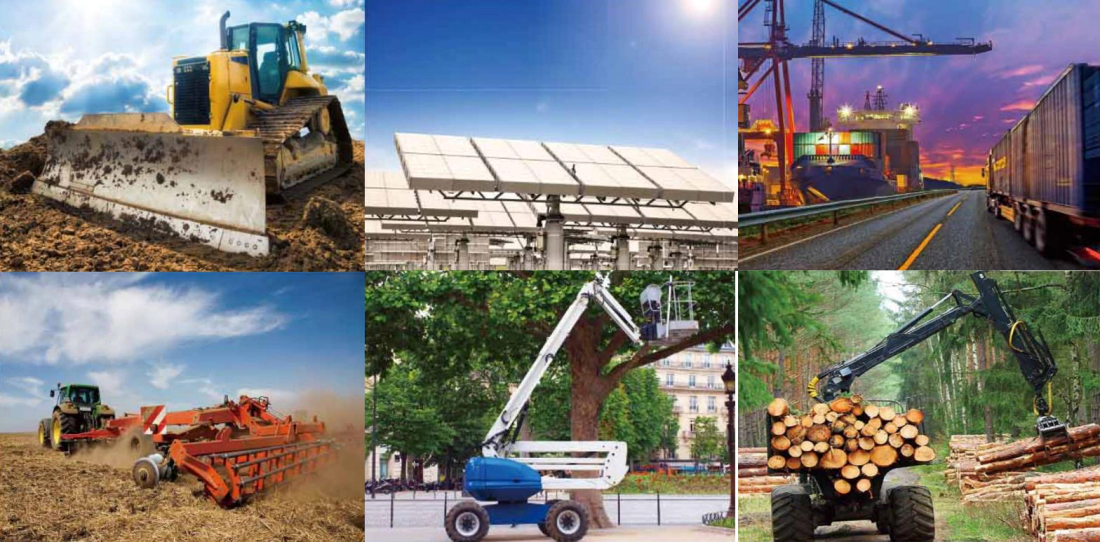
These cylinders are primarily found in the Tail Skin Grouting System of the TBM. Usually, there are 4 to 8 injection ports around the circumference of the tail shield. The cylinders actuate the plunger pumps that force the grout through the lines.
We also see them used in Bi-Component (A+B) Grouting Systems. This is where Liquid A (stabilizer) and Liquid B (accelerator) are mixed right at the injection nozzle. The ratio has to be perfect. If one cylinder lags because of internal friction (corrosion), the mix ratio is off, and the grout won’t set properly. Using 316L ensures the friction coefficient stays low and consistent, guaranteeing the mix ratio stays true for the entire tunnel drive.
SWOT Analysis: The 316L Stainless Option
We want you to make the right choice for your project budget and timeline. Here is the honest breakdown of opting for full stainless steel hydraulics.
強み
- 長寿: Virtually immune to cement and chemical corrosion.
- メンテナンス: Self-cleaning surface requires less downtime.
- 精度: Low friction allows for accurate dosing.
弱点
- 料金: 316L is significantly more expensive than carbon steel.
- 強さ: Lower yield strength than alloy steel (needs thicker walls).
機会
- Mandatory for sub-sea or high-salinity tunnel projects.
- Ideal for chemical injection beyond just cement.
脅威
- Fluctuating nickel prices are affecting raw material costs.
- Cheap “stainless look” plated cylinders are confusing the market.
Customer Success Story: The Cross-Harbor Link
Two years ago, we were involved in the Cross-Harbor Tunnel Project in Hong Kong. The TBM was boring through reclaimed land with high water ingress. The groundwater was essentially seawater. The contractor was using standard epoxy-painted grout cylinders. Within three weeks, the salt water had penetrated the paint, and the cement dust acted as an abrasive paste. The cylinders began seizing, causing uneven backfilling and a potential settlement issue on the surface above.
They called us in a panic. We expedited the manufacturing of 16 custom 316L Polished Grouting Cylinders. We delivered them in 18 days. The result? They ran those cylinders for the remaining 14 months of the project without a single failure. The maintenance crew told us they just sprayed them down with water at the end of the shift, and they looked brand new. The project manager estimated they saved over $100,000 in downtime avoidance.
What The TBM Operators Say
“I’ve never seen cylinders shed concrete like this. Usually, we are chipping dried grout off with hammers. With these stainless ones, it just slides off.”
– David L., Mechanical Foreman, Singapore
“We pump a two-component grout that is very acidic. The old seals would melt in a month. Ever Power recommended Viton seals with the 316L body, and it solved the problem.”
– Gunther H., Site Engineer, Germany
“Expensive? Maybe at first. But not having to stop the TBM to swap a cylinder in the middle of a shift? Priceless.”
– Kenji T., Project Director, Japan
Trend Analysis: The Intelligent Injection
The future of grouting is data. We are seeing a massive shift towards “Smart Grouting.” This means the cylinders are no longer just dumb muscles; they are equipped with internal linear transducers and pressure sensors. This allows the TBM’s PLC to record exactly how many liters of grout were injected per stroke and at what pressure. Our 316L cylinders are designed to be “Sensor-Ready,” with gun-drilled rods to accept these probes, ensuring you meet the strict compliance reporting required for modern urban tunnels.
カスタマイズ:必要なものを構築します
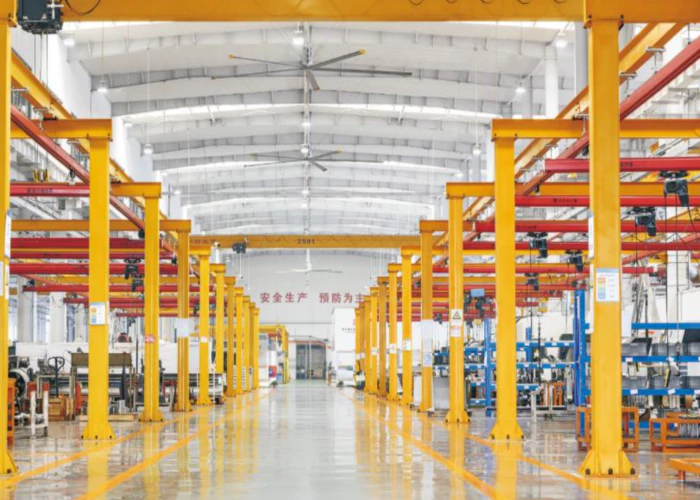
Most TBMs—whether from Robbins, Herrenknecht, or CREG—are custom-built machines. That means the hydraulic cylinders are custom too. You can’t buy these off the shelf at a parts store. We specialize in rapid customization. You send us the drawing (or the broken part), and we fabricate a 316L replacement that fits perfectly. We handle the specialized welding, the electropolishing, and the pressure testing all in-house.
よくある質問(FAQ)
We get these questions from procurement officers and site engineers daily. Here is the straight talk.
Why do standard carbon steel cylinders fail in TBM grouting systems?
It is simple chemistry. The grout mix is highly alkaline and abrasive. Carbon steel relies on paint or plating, and once the aggregate scratches that surface, the cement slurry eats the metal alive through pitting corrosion. Stainless steel doesn’t have this weakness.
Is 316L stainless steel really necessary for a hydraulic cylinder body?
For standard oil applications? No. For synchronous grouting? Absolutely. The molybdenum in 316L provides resistance to chlorides and chemical attack that 304 stainless or plated steel just can’t match. It pays for itself in longevity.
How does surface polishing affect the life of the grouting cylinder seals?
A mirror-polished surface (Ra < 0.2) prevents the cement from finding a foothold. If the grout can’t stick to the rod, it doesn’t get dragged into the wiper seal, which keeps the hydraulics clean and leak-free.
Can you manufacture replacement cylinders for Herrenknecht or CRCHI machines?
Yes, we reverse-engineer OEM parts daily. We can build drop-in replacements that match the mounting dimensions exactly but feature upgraded 316L material specs for better durability.
What is the typical lead time for custom stainless steel cylinders?
Because 316L material sourcing and specialized welding take time, we usually look at 20-25 days for production. We prioritize TBM parts because we know downtime costs a fortune.
Stop The Corrosion. Start The Progress.
Don’t let rust stop your drive. Upgrade to 316L Stainless today.