Double-Acting Hydraulic Cylinders for ROV Positioning & Attitude Control
Engineering subsea stability: High-pressure alloy steel actuators with ceramic surfacing for extreme hydrostatic environments.
• Ceramic HVOF Coating
Navigating the Abyssal Pressure
Operating a Remotely Operated Vehicle (ROV) at depths exceeding 3,000 meters presents an engineering paradox: the hydraulic actuators must be robust enough to withstand crushing hydrostatic pressures (often exceeding 300 bar ambient) yet sensitive enough to perform delicate attitude adjustments for manipulator positioning or camera stabilization. In my eighteen years analyzing subsea hydraulic failures, the most common point of failure isn’t the seal blowout—it is the gradual degradation of the piston rod due to micro-pitting from saline ingress and the abrasive nature of seabed silt.
Standard industrial cylinders are simply incompatible with this environment. For mission-critical subsea applications, we utilize a 複動ピストンシリンダー architecture constructed from high-tensile alloy steel. The defining feature, however, is the surface treatment. Traditional chrome plating is porous at the microscopic level. We employ advanced ceramic spraying technology to create an impermeable barrier against the ocean’s corrosive chemistry.
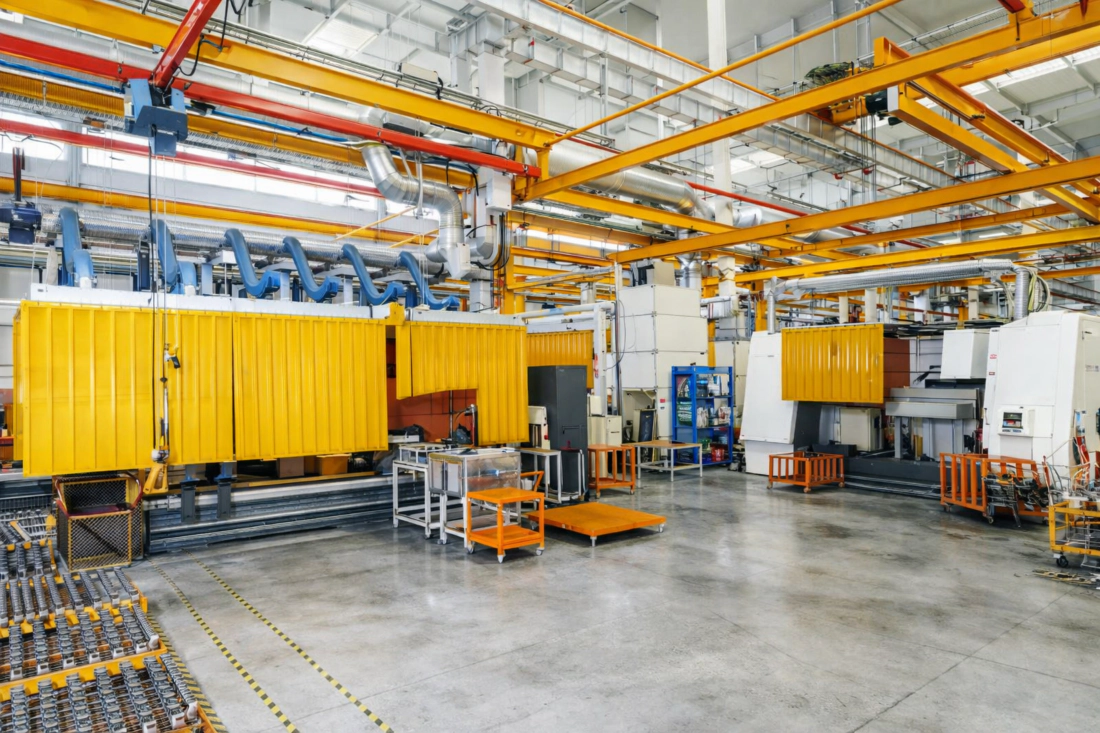
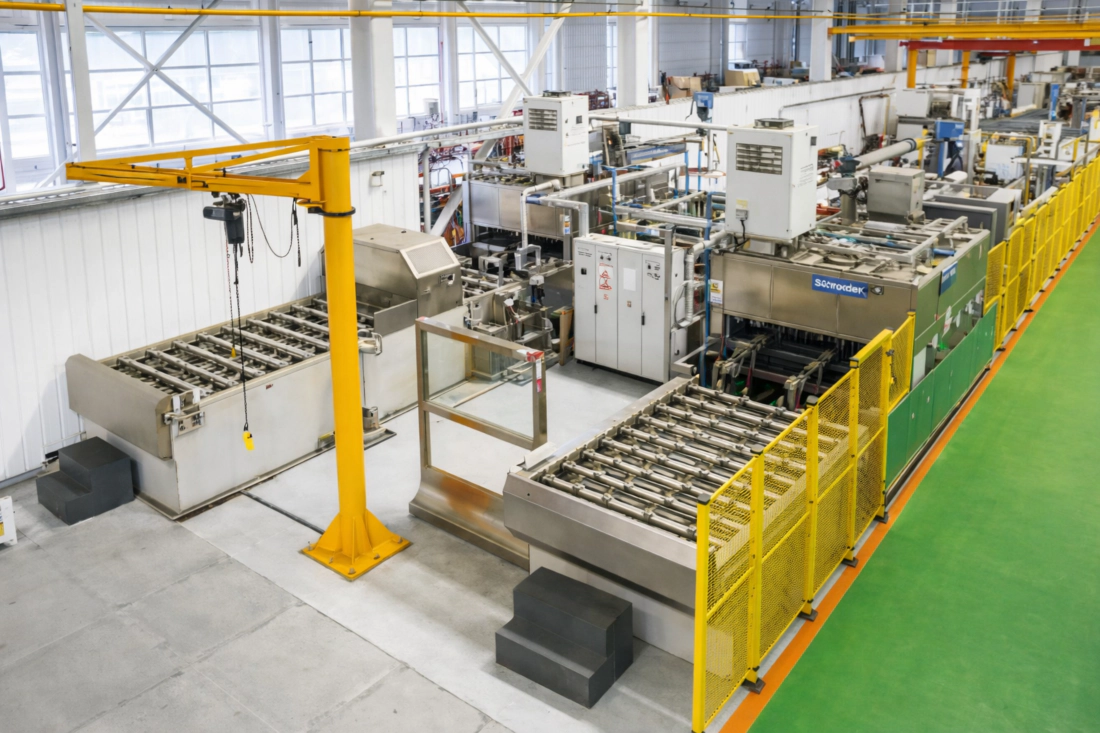
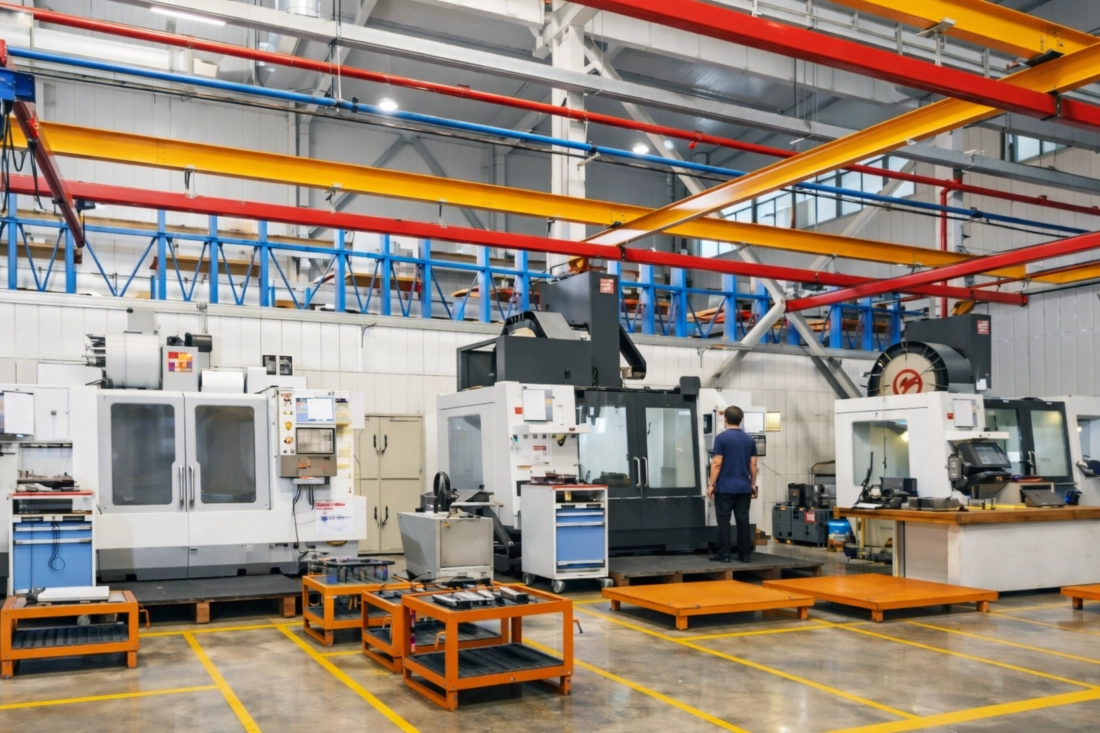
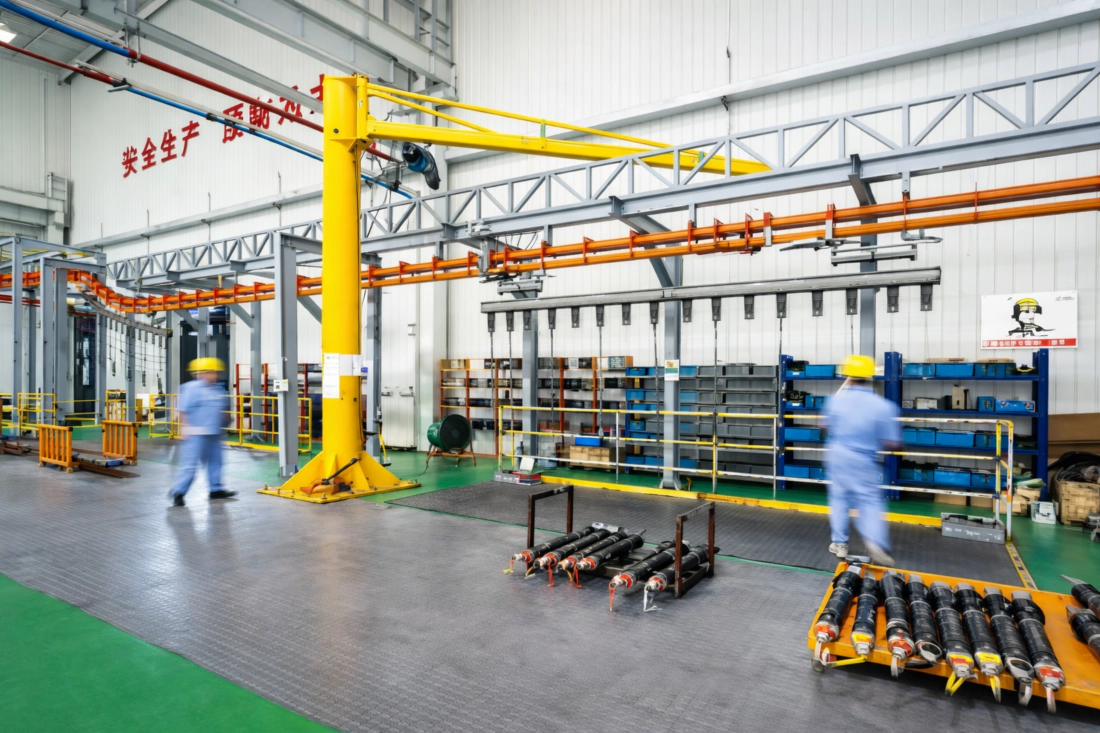
At Ever Power, we don’t just manufacture components; we engineer survivability. To truly understand the precision that goes into every micron of our coating process, I invite you to virtually step onto our production floor.
The Architecture of Deep-Sea Actuation
Alloy Steel Construction
Weight is a premium in ROV design (neutral buoyancy requirements). We utilize heat-treated 42CrMo4 または 27SiMn alloy steel. This material selection offers a superior strength-to-weight ratio compared to standard carbon steel, allowing for thinner barrel walls without compromising the safety factor against burst pressure, which is critical when operating at 600 bar system peaks.
セラミックシールド
The greatest threat to an ROV positioning cylinder is rod wear. We implement High Velocity Oxygen Fuel (HVOF) ceramic spraying. This creates a rod surface with a hardness exceeding 1200 HV. Unlike chrome, ceramic is non-porous and electrically insulating, completely eliminating galvanic corrosion issues between the rod and the seawater environment.
Subsea Sealing Logic
Pressure compensation is key. Our designs incorporate redundant sealing systems specifically for subsea use. We use a combination of Parker’s marine-grade polyurethane U-cups and PTFE slide rings. This setup minimizes stick-slip (essential for precise camera/tool positioning) and withstands the external hydrostatic pressure attempting to force water into the cylinder oil.
Why Ever Power ROV Cylinders Outperform
Reliability is not an option; it is a prerequisite for subsea operations where recovery costs are astronomical.
- Zero-Leakage Welding
We utilize fully automated robotic welding for the cylinder cap and ports. Every weld undergoes ultrasonic testing (UT) to ensure there are no micro-cracks that could propagate under the cyclic loading of ocean currents. - Attitude Fine-Tuning
The internal friction of our cylinders is minimized through honing to Ra 0.2. This allows the ROV’s flight control system to make micro-adjustments to pitch and roll with minimal hysteresis, ensuring stable video feeds and manipulator accuracy. - Compact Power Density
By optimizing the head and cap design, we reduce the overall retracted length without sacrificing stroke, allowing for tighter integration into the ROV frame.
Deep Sea Cable Trenching in the Pacific
Months Continuous Operation
課題
A major offshore contractor was experiencing rapid failure of the tilt cylinders on their heavy-duty trenching ROV. Operating at 2,500m depth, the abrasive seabed plume caused standard chrome rods to score within 200 hours, leading to seal failure and oil leakage into the environment.
解決策
エバーパワーはカスタム設計 Ceramic-Coated Double-Acting Cylinder. We implemented a triple-wiper seal configuration specifically designed to exclude fine silt particles. The material was upgraded to 42CrMo4 to handle the shock loads of trenching through hard clay.
クライアントからのフィードバック
Technical Specifications: Subsea Series
| パラメータ | Specification (Standard) | Specification (Custom) |
|---|---|---|
| 構造タイプ | Double-Acting Piston (Welded) | Telescopic / Constant Volume |
| 材料 | 27SiMn High Tensile Steel | 42CrMo4 / 316L Stainless Steel |
| ロッドコーティング | Multi-layer Ni/Cr Plating | HVOF Ceramic / Laser Cladding |
| Working Depth | Up to 3,000 meters | Up to 6,000+ meters |
| シーリングシステム | Parker / Hallite Subsea | Double Wiper / Ice Scraper |
| 圧力定格 | 210バー | 350 Bar – 700 Bar |
*All specifications can be tailored to meet specific ROV frame dimensions and hydraulic power unit (HPU) outputs.
Versatility Across the Seabed
Beyond the primary vehicle positioning, our hydraulic cylinders are integral to:
中国杭州における精密製造
Ever Power operates a state-of-the-art manufacturing facility dedicated to high-end hydraulic solutions. By vertically integrating our supply chain—from raw material forging to final assembly and pressure testing—we offer B2B clients globally a competitive edge. We provide the customization capabilities of a boutique engineering firm with the production capacity of a major industrial powerhouse.

Ready to Optimize Your Subsea Fleet?
Send us your drawings or technical requirements. Our engineers respond within 24 hours.
よくある質問
What is the maximum depth rating for your ROV hydraulic cylinders?
Our standard high-pressure cylinders are rated for 3,000 meters. However, we offer custom engineered solutions capable of withstanding depths up to 6,000 meters (60 MPa ambient pressure) for deep-sea research and mining applications.
Can you manufacture custom cylinders to replace discontinued European brands?
Yes, we specialize in reverse engineering and custom manufacturing. We can replicate the mounting dimensions and performance specs of brands like Bosch Rexroth or Parker, often with improved lead times and competitive pricing from our China facility.
How does ceramic coating compare to chrome for subsea cylinder rods?
Ceramic coating (HVOF) is vastly superior for subsea use. It is non-porous, electrically insulating (preventing galvanic corrosion), and harder than chrome, making it highly resistant to the abrasive sand and silt found on the ocean floor.
Do you provide pressure test reports and material certificates with the order?
Absolutely. Every cylinder shipment includes a full quality dossier containing EN 10204 3.1 material certificates, ultrasonic weld test reports, and hydrostatic pressure test results to ensure compliance with marine standards.
What is the typical lead time for a custom ROV cylinder order?
Our agile manufacturing process allows us to ship custom prototypes in as little as 3-4 weeks. Larger batch orders are typically fulfilled within 5-6 weeks, significantly faster than the global industry average.
Do you ship your hydraulic products to the USA and Europe?
Yes, we are an experienced global exporter. We handle all logistics, including robust packaging for sea/air freight and customs documentation, ensuring your cylinders arrive safely in Houston, Aberdeen, or anywhere else.
Ever Power | Global Leaders in Marine & Subsea Hydraulic Solutions