The efficiency of modern rail logistics hinges on the reliability of automated loading and unloading systems. In the realm of bulk freight transport, the cargo door open/close cylinder serves as the critical muscle, orchestrating the rapid movement of heavy steel doors under punishing conditions. Drawing upon nearly two decades of applied engineering in fluid power, we recognize that standard hydraulic actuators are insufficient for the dynamic environment of a moving freight train. The combination of abrasive coal dust, iron ore particulates, and the relentless high-frequency vibration transmitted from the bogie creates a “tribological nightmare” for hydraulic seals and piston rods. A failure here does not just mean a stuck door; it signifies a disruption in the supply chain and costly unscheduled maintenance.
Our engineering response to these challenges is a robust, heavy-duty double acting piston cylinder designed specifically for the rail freight sector. Unlike general industrial cylinders, our design prioritizes structural rigidity and seal longevity. We utilize a fully 溶接構造 to eliminate the risk of threaded components loosening due to vibration. Furthermore, we address the primary failure mode—rod wear—by implementing an extended guidance system. This design feature drastically increases the contact area of the guide bands, absorbing side loads and ensuring the piston rod remains centered even when the door mechanism is subjected to uneven forces or debris accumulation.
Immersive Manufacturing Transparency
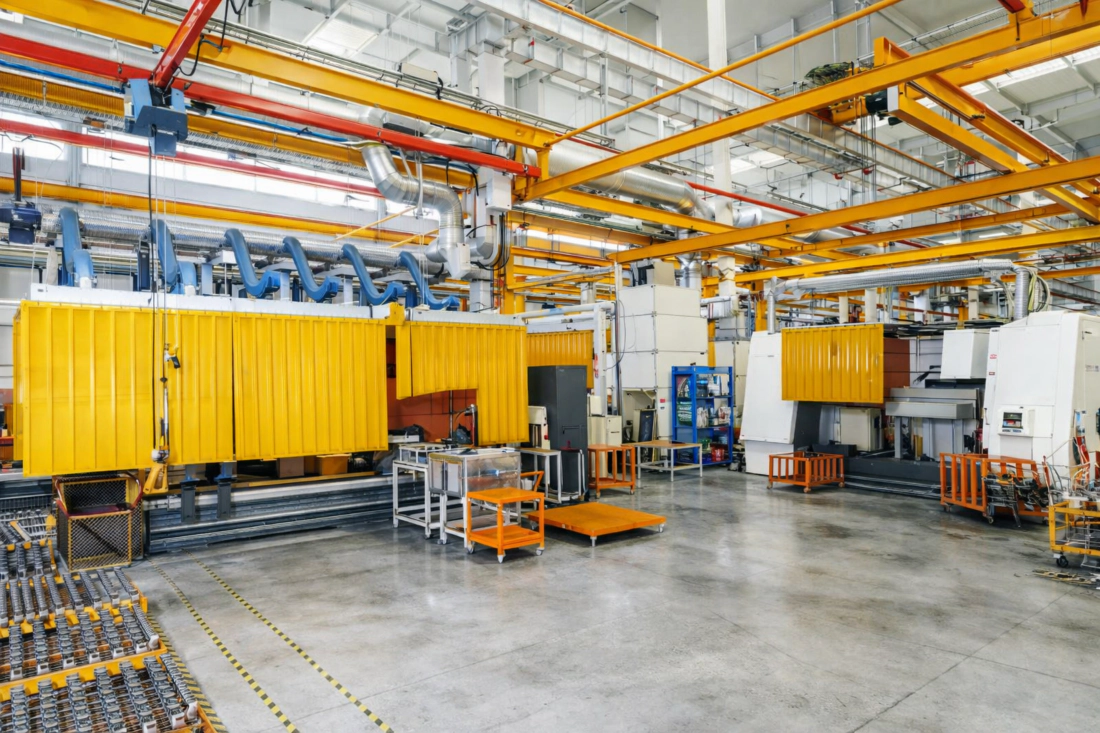
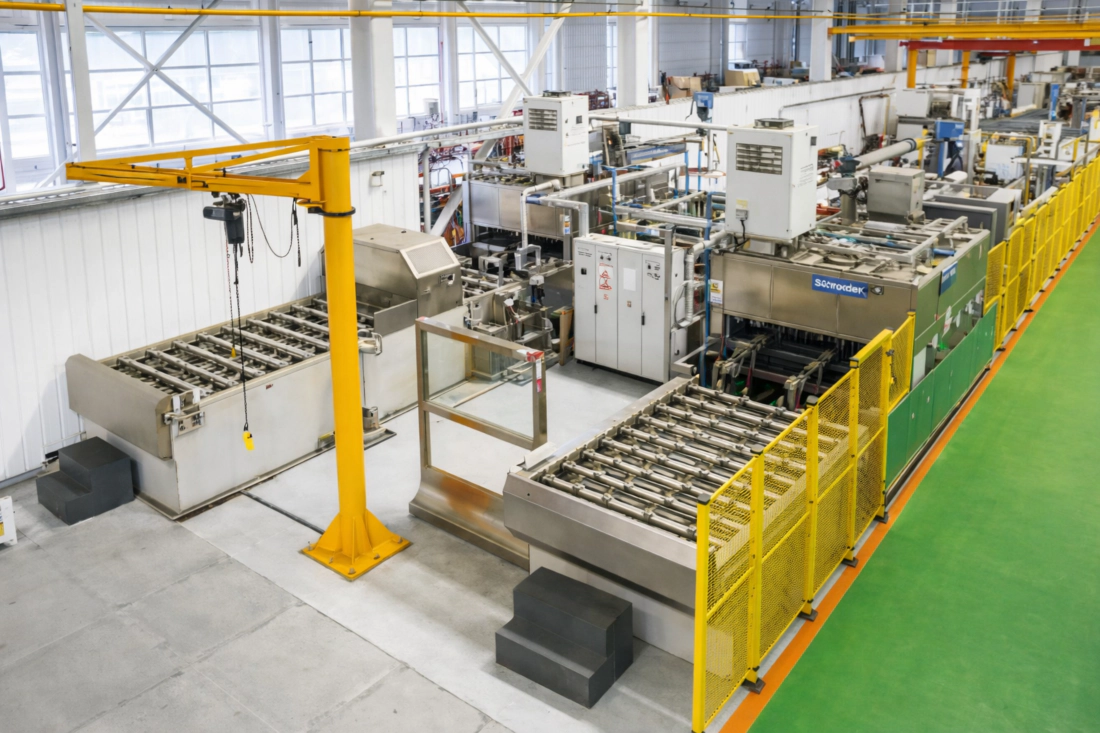
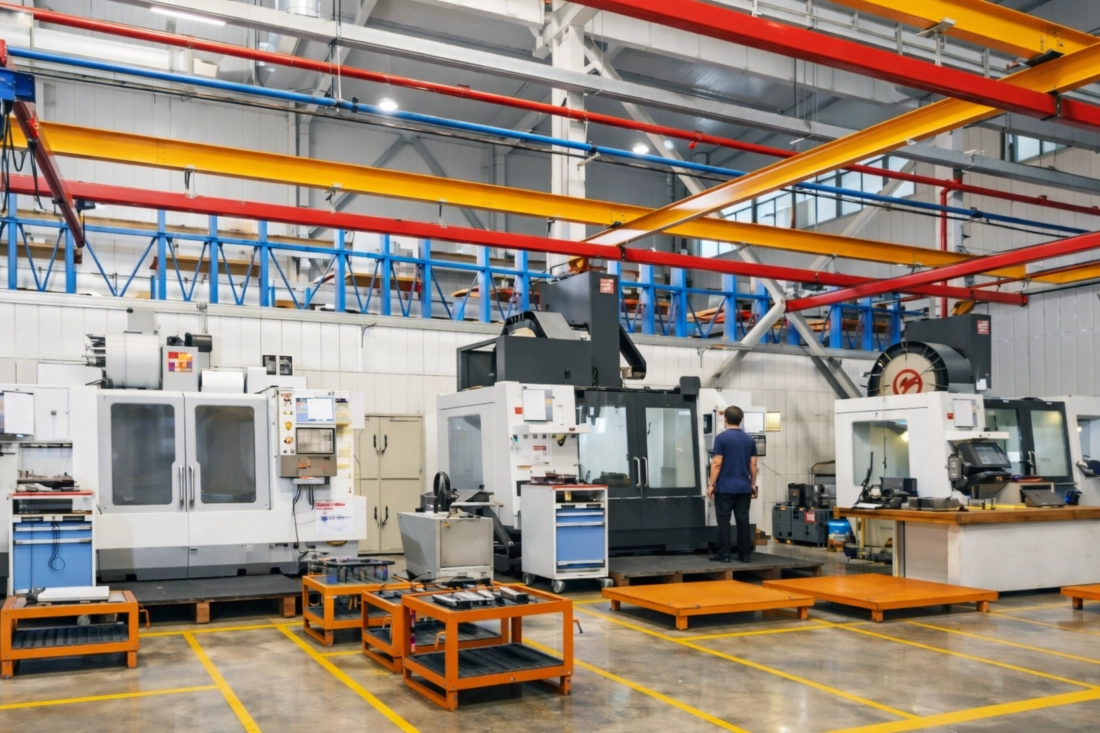
We believe that trust is built through transparency. Before you review our technical specifications, we invite you to virtually walk through our production facility. Witness the precision of our CNC machining centers and the rigor of our pressure testing stations.
With a clear view of our manufacturing capabilities, it becomes evident why global B2B partners trust us with their critical infrastructure. Our facility in China is optimized for high-mix, medium-volume production, allowing us to deliver 油圧シリンダー solutions that meet international railway standards (such as EN 15085 welding standards) while maintaining cost-competitiveness.
Material Science & Structural Engineering
42CrMo Alloy Metallurgy
Standard ST52 or 45# steel often lacks the requisite fatigue strength for railway applications. We exclusively utilize 42CrMo(AISI 4140) for our cylinder rods and critical stress points. This quenched and tempered alloy steel offers superior yield strength (≥930 MPa) and impact toughness. This material choice prevents the rod from bending under the accidental impact loads often encountered during bulk loading operations, ensuring the door mechanism remains operational even after minor collisions.
Extended Guide Architecture
The “cargo door open/close” cycle often involves non-linear forces due to jammed aggregate or ice buildup. This creates significant side-loading on the cylinder rod. Our design incorporates an extended guide sleeve housing dual composite wear rings. This effectively doubles the bearing area compared to standard cylinders, distributing radial loads over a larger surface. This reduction in contact pressure is the single most effective method for preventing seal extrusion and rod scoring in dirty environments.
Multi-Stage Surface Defense
To combat the abrasive mix of brake dust and cargo particulates, our piston rods undergo a rigorous surface treatment protocol. Following precision grinding, we apply a hard chrome layer exceeding 30 microns. Crucially, the final polishing stage achieves a surface roughness (Ra) of less than 0.2µm. This ultra-smooth finish minimizes the friction coefficient against the wiper seal, preventing dust particles from embedding in the rod surface and being dragged into the hydraulic system.
Global Success: Heavy Haulage Network, Australia
課題: A major iron ore logistics operator in the Pilbara region was experiencing unacceptable failure rates on their bottom-dump hopper wagons. The existing cylinders were failing every 6 months due to heavy dust ingress causing rod seal failure and subsequent drift, leading to doors opening slightly during transit and resulting in product loss.
私たちのソリューション: 私たちはカスタムを設計しました Double Acting Cargo Door Cylinder featuring an aggressive dual-lip wiper seal made from hydrolysis-resistant polyurethane. We upgraded the rod material to 42CrMo and extended the cylinder head length by 50mm to accommodate an extra wide guide band.
“The extended service life we’ve seen is remarkable. We went from swapping cylinders every service interval to now running them for 18+ months without leaks.”
– Maintenance Superintendent
“Ever Power’s team understood the dust issue immediately. The upgraded wiper seals have completely stopped the contamination ingress we were fighting for years.”
– Rolling Stock Engineer
“Reliable supply chain from China. The batch consistency is excellent, and the pricing allows us to maintain a healthy stock of spares.”
– 調達マネージャー
Technical Specifications & Configuration
| パラメータ | 仕様詳細 | エンジニアリングの優位性 |
|---|---|---|
| アクションタイプ | Double Acting Piston Type | Precise control for both opening (discharge) and closing (sealing). |
| 構造材料 | 42CrMo (Rod) / 27SiMn (Barrel) | High tensile strength to resist impact and deformation. |
| 工事 | Fully Welded | Eliminates loosening of end caps due to track vibration. |
| シーリングシステム | Merkel / Hallite Heavy Duty | Hydrolysis and abrasion resistant for long-term outdoor use. |
| Guidance | Extended Composite Bands | Counteracts side-loading and prevents rod-to-gland metal contact. |
| 作業温度 | -40℃~+80℃ | Suitable for cross-climate rail transit operations. |
| 表面コーティング | Hard Chrome (>30µm) | Corrosion protection against humidity and chemical cleaning agents. |
Versatile Rail Freight Applications
While optimized for side-door boxcars, our hydraulic solutions are scalable across various freight wagon configurations. The core technology—vibration resistance and contamination control—is universal to the rail industry.
- Ballast Hopper Wagons: Precise dosing control for track maintenance.
- Bottom Dump Coal Cars: Rapid discharge systems requiring high-speed actuation.
- Automobile Transport Wagons: Securing deck adjustments and loading ramps.
Precision Manufacturing in China for Global Rail
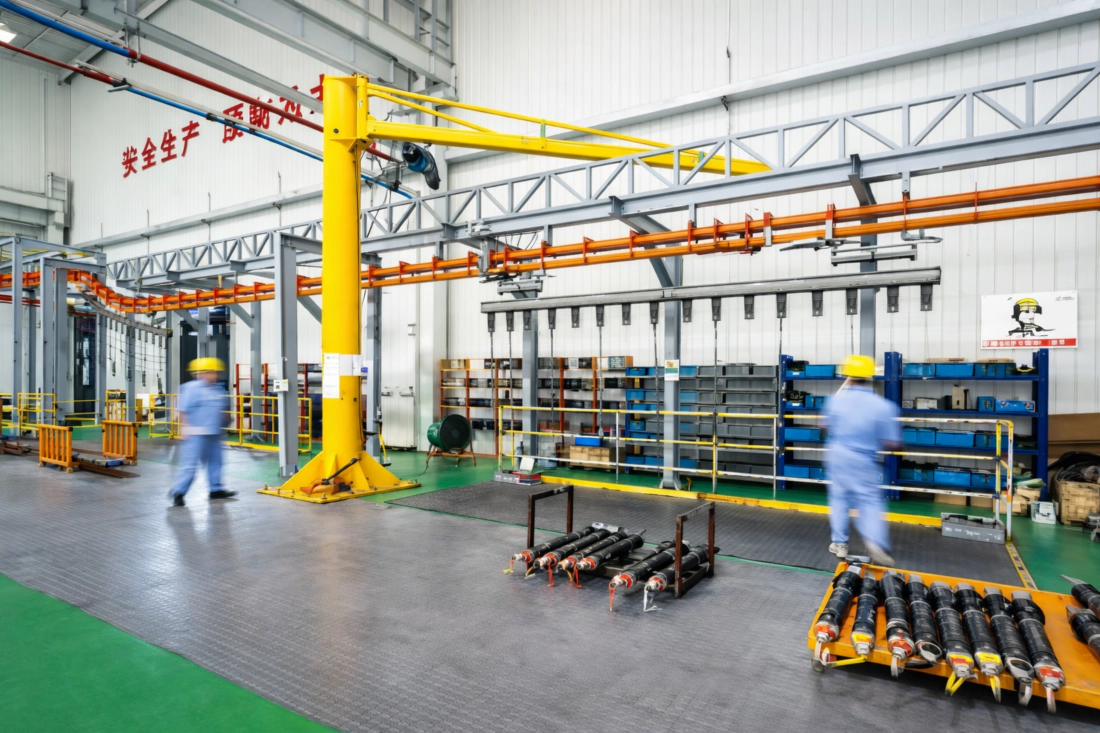
Located in the industrial heart of China, our manufacturing facility combines advanced automation with seasoned craftsmanship. We don’t just supply parts; we offer comprehensive customization services. Whether you need to retrofit an aging fleet of Russian-gauge wagons or equip a new line of European-standard freighters, our engineering team can adapt mounting dimensions, stroke lengths, and port configurations to your exact CAD models.