Exploring Cross Tube Hydraulic Cylinders: Field Insights on Versatile Mounting and Sturdy Performance
Talking about cross-tube hydraulic cylinders, these handy units really come through when you need a straightforward mount that handles side loads without fuss—we’ve seen them shine in mobile equipment where space is tight, but strength can’t be compromised (though they do require checking for weld integrity now and then). At their heart, the cross tube design features a tubular bracket welded across the cylinder base, allowing pinning or bolting for pivoting action as fluid pressure drives the piston rod in or out. In our experience, materials like high-tensile steel for the tube and barrel provide the backbone, with chrome-plated rods fighting off corrosion in outdoor ops. Most setups don’t realize how the cross tube distributes stress evenly, reducing bend risks under offset forces— we’ve swapped them into rigs where standard ends buckled, and suddenly stability returned. The trick is sizing the tube diameter to match the cylinder bore, or you’re inviting fatigue cracks over time. Scenarios unfold in agriculture for loader arms, or construction for dump beds—anywhere quick attaches mix with heavy lifting. And seals? Nitrile for basics, but Viton when heat or chemicals lurk (special coatings on tubes add grip in greasy spots too). We’ve troubleshot leaks from poor welds, emphasizing quality forging; cross tube hydraulic cylinders balance simplicity with robustness, but skip lubrication, and pivots grind down fast— why risk it when a little care goes far?
Going a step further with cross-tube hydraulic cylinders, the mechanics involve pressurized fluid expanding the chamber to extend the rod, while the tube mount offers a fixed pivot for angular movement—double-acting types retract with reverse flow, handy for controlled returns. We’ve opted for 1045 steel tubes in standard builds for weldability, or 4140 alloy when impacts spike with hardness over HRC 30; technical advantages show in load capacities up to 25 tons, with strokes from 100mm to 3000mm depending on app. Performance metrics impress with pressure tolerances to 250 bar, cycle lives exceeding 500,000 in tested units— an 80mm bore cross tube hydraulic cylinder might thrust 10 tons, but customs amp it. In rugged scenes like forestry grapples, they pivot logs without twist failures; we’ve tailored with grease zerks for easy upkeep. Drawbacks? Heavier than some mounts, but the cross design’s low profile fits compact frames. We’ve seen flange types limit motion in tight spots, but cross tubes adapt— the trick is aligning pin holes precisely to curb side play. Applicable in utility vehicles for boom swings, or trailers for tilt beds— melding affordability with flexibility, though added welding means inspecting for cracks routinely. Solid choice for where pivots meet power!

| Parametro | Gamma tipica | Descrizione |
|---|---|---|
| Diametro del foro | 50mm – 150mm | Determines force output; larger for heavier duties. |
| Lunghezza del tratto | 100 mm – 3000 mm | Extension distance: customizable for application needs. |
| Pressione di esercizio | Fino a 250 bar | Maximum pressure handling ensures reliable performance. |
| Diametro dell'asta | 25mm – 100mm | Provides stability against buckling under load. |
| Materiale | Steel, Chrome-Plated Rod | Durable construction with corrosion resistance. |
| Tipo di sigillo | Nitrile, Viton | Suitable for various temperatures and fluids. |
| Stile di montaggio | Cross Tube Pivot | Allows for flexible installation and movement. |
Shifting gears to where cross-tube hydraulic cylinders excel, agricultural machinery is a prime example—we’ve installed them on front loaders for bucket tilts, the tube mount pivoting smoothly over furrows. It absorbs shocks from uneven ground, keeping farmers productive. Construction dump trucks use these for bed raises, the cross design bolting is secure for heavy hauls (and operators appreciate the quick pins for maintenance).

Utility vehicles like ATVs fit cross-tube hydraulic cylinders for plow adjustments, handling off-road bumps without binds— in our experience, they’ve boosted versatility in landscaping. Forestry skidders employ them for grapple opens, the pivot allowing log maneuvers in tight woods; most crews don’t realize how weld strength prevents tube twists under torque. And industrial carts? They lift platforms with cross mounts, stable yet swivel-friendly— we’ve customized for warehouse flows, cutting strain on frames. Marine trailers too, for ramp drops; the trick is corrosion-proof coatings for salt exposure— keeps boating smooth!
Looking at trends for cross-tube hydraulic cylinders, we’re spotting a move toward integrated sensors for load monitoring, catching imbalances early in mobile apps—practical for precision ag, where data trims fuel (in pilots, it’s optimized cycles by 15%). Lightweight tubes from composites blend with steel for weight savings, aiding EV integrations while keeping pivot tough. Sustainability drives powder-coated finishes from eco-paints, reducing VOCs; we’ve switched to these for green certifications. Customization booms with CAD for rapid tube shaping, fitting odd angles— useful as robotics grow. And self-aligning pins ease installs; trends favor smarter, lighter cross tubes, but foundational weld reliability holds steady.
One project we handled was for a landscaping firm in Australia, outfitting their utility vehicles for turf work. Their old mounts were cracking on rough terrain, halting jobs mid-site— we evaluated (tube welds were weak for the pivots), then engineered cross-tube hydraulic cylinders with reinforced 4140 steel and grease fittings. Mounted on plows, it endured bumps, ramping efficiency 20% and completing a big park contract ahead. Slashed downtime costs, and the owner raved about the sturdy swings— a sunny success down under!
Client takes: “Ever-Power’s cross tube hydraulic cylinders upgraded our Italian construction dumps—mounts pivot perfectly.” – Luca M., Fleet Manager, Rome Builds. “In US agriculture, these handle loader stresses well; value shines.” – Sarah J., Farm Operator, Midwest Agri. “For Canadian forestry, the robustness in grapples is top-tier—solid!” – Mike C., Logging Supervisor, Vancouver Woods.
SWOT Examination of Cross Tube Hydraulic Cylinders
| Punti di forza – Versatile pivoting mount. – Sturdy for side loads (we’ve seen them absorb shocks). – Easy to install and maintain. – Cost-effective design. |
Punti deboli – Weld vulnerability if poor. – Heavier in large sizes. – Needs pin checks regularly. – Limited in extreme angles. |
| Opportunità – Sensor integrations for smarts. – Lightweight material trends. – Ag and construction growth. – Eco-coatings advancements. |
Minacce – Alternative mounts competition. – Fluttuazioni dei costi dei materiali. – Weld quality inconsistencies. – Shift to fixed in some apps. |
Over at our production facility, we excel in crafting bespoke cross-tube hydraulic cylinders—tweaking tube lengths, materials, or pin setups to fit your machine precisely, drawing from 18+ years of solving mount puzzles (we’ve turned sketches into rugged performers for picky projects). CNC welding ensures strong joins, with testing for pivot loads guaranteeing durability— our customization sets us apart, tackling challenges stock can’t touch.
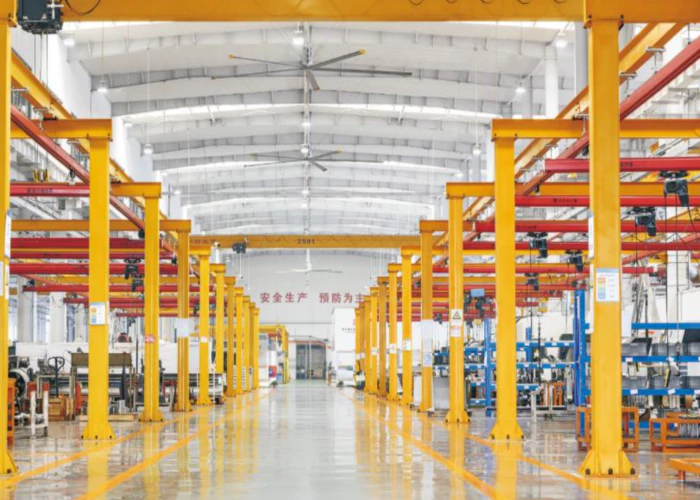
Benvenuti a visitare la nostra fabbrica di realtà virtuale all'indirizzo questo collegamento—see the magic happen virtually!