Cilindri idraulici per sistemi di iniezione sincronizzata TBM
The precision interface between tunnel structure and geological stability. 316L Stainless Steel construction for absolute corrosion immunity in cement-silicate environments.
In the complex ecosystem of a Tunnel Boring Machine (TBM), the synchronous grouting system serves as the critical safeguard against ground settlement. As the shield advances and segments are assembled, the annular gap created must be filled instantly and uniformly. This is not merely a pumping task; it is a volumetric control challenge where the grouting control hydraulic cylinder dictates the precise dosage of backfill material. A failure here does not just mean a stopped machine; it translates to surface subsidence, compromised tunnel lining integrity, and potentially catastrophic water ingress.
Having engineered fluid power systems for mega-infrastructure projects for nearly two decades, I have analyzed the primary failure modes of injection cylinders. The culprit is rarely pressure overload; it is chemical and abrasive annihilation. The grout—often a two-component mix of cement slurry and sodium silicate—is highly alkaline and filled with abrasive particulates. Standard carbon steel cylinders, even with chrome plating, eventually succumb to microporous corrosion. Once the plating pits, the abrasive slurry destroys the seals, leading to leakage that freezes the piston in place. Our solution is a fundamental material upgrade: the deployment of **316L Marine-Grade Stainless Steel**, polished to a mirror finish, ensuring that the cylinder acts not just as an actuator, but as a chemically inert instrument of precision.
Inspect Our Metallurgy in Virtual Reality
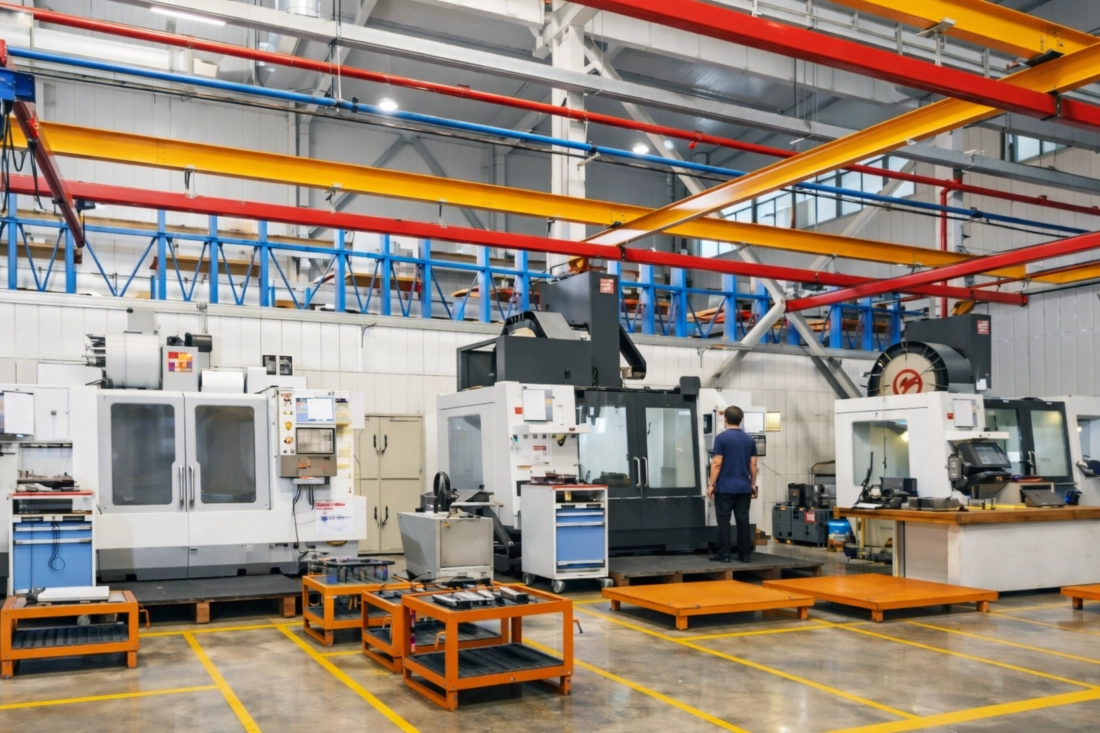
Quality in stainless steel manufacturing is invisible to the naked eye but vital for performance. We invite you to virtually tour our CNC machining centers and electropolishing lines in China to see how we craft 316L steel into industry-leading components.
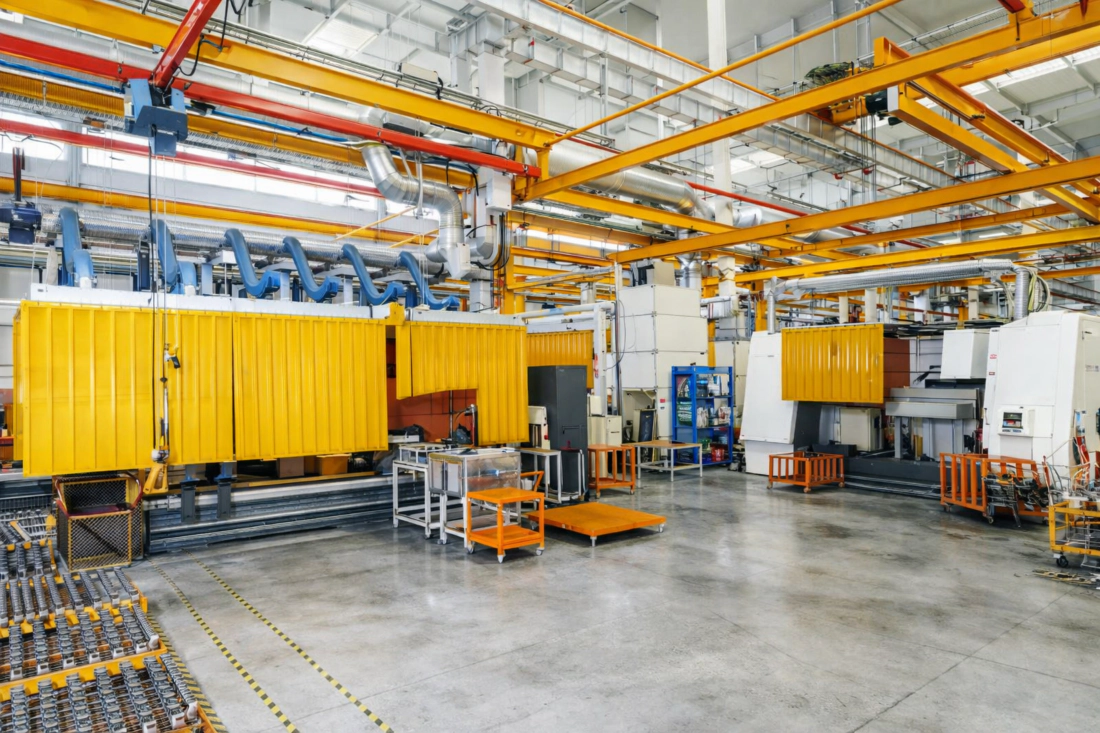
Defying the Chemistry of Concrete
316L vs. Corrosion
Concrete additives and accelerators often contain chlorides and sulfates. We utilize solid 316L stainless steel for the barrel and rod. The ‘L’ stands for Low Carbon, which is crucial for welding integrity. The addition of Molybdenum in 316L provides superior resistance to pitting corrosion compared to standard 304 steel, ensuring the cylinder wall remains smooth even after years of exposure to caustic slurry.
Electropolished Hygiene
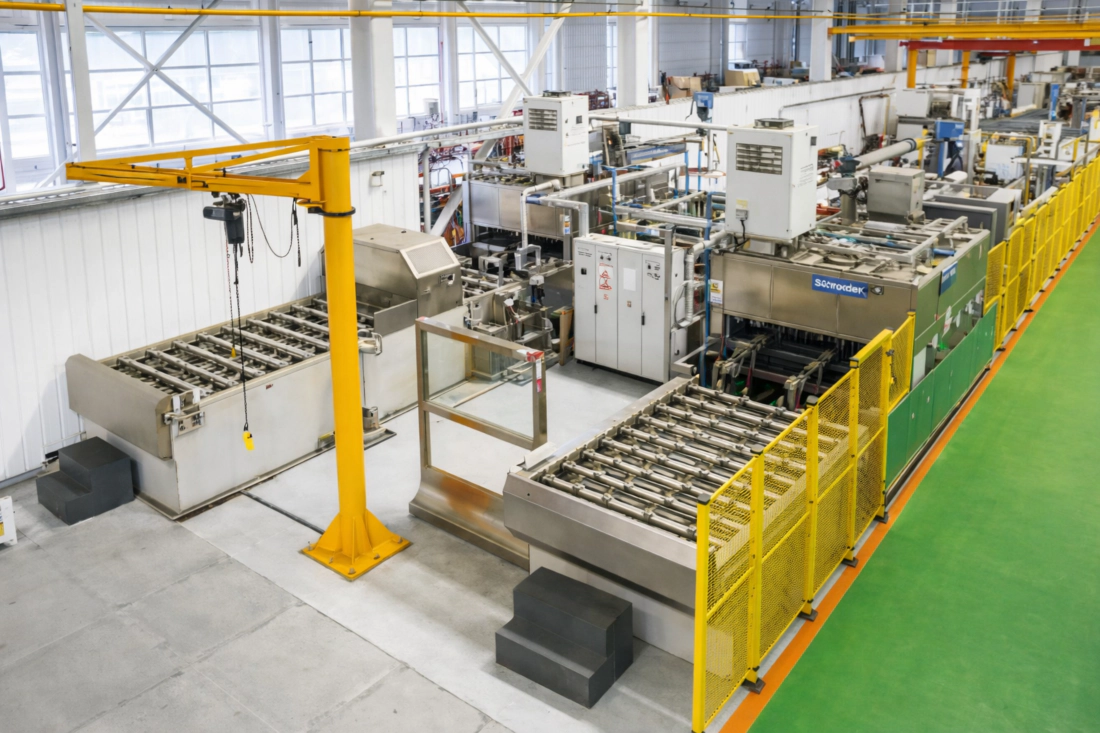
Surface roughness creates anchor points for cement buildup. Our cylinders undergo an electropolishing process that reduces surface roughness to Ra < 0.2µm. This “mirror finish” prevents grout from adhering to the rod surface. When the cylinder retracts, the dried slurry simply flakes off rather than being dragged into the seal housing, creating a self-cleaning effect.
Chem-Resistant Sealing
Standard nitrile seals degrade rapidly in high-pH environments. We engineer our sealing matrix using Fluoroelastomers (FKM/Viton) and filled PTFE. These materials withstand the chemical attack of the accelerator liquids while maintaining elasticity. The wiper seal is a specialized heavy-duty profile designed specifically to shear off hardened cement crusts.
Precision Ratio Control
Ensuring 1:1 volumetric displacement.
Case Study: The Sub-Sea Connector – Project Deep Blue
La sfida: A TBM operating in a sub-sea tunnel in Southern China faced extreme water pressure (8 bar). The synchronous grouting system was critical to seal the tail skin. The original OEM cylinders, made of carbon steel, were seizing every 200 rings due to the corrosive mix of saltwater intrusion and quick-setting dual-liquid grout.
La soluzione: Ever Power designed a retrofit kit using 316L Stainless Steel Grouting Cylinders with customized mounting flanges. We implemented a triple-seal system with a dedicated saltwater buffer zone.
“The difference in maintenance cycles was night and day. We completed the remaining 4km of the drive without a single grouting system failure. The stainless rods remained pristine.”
— TBM Site Manager, China Railway Engineering
“Sourcing these custom 316L units from Ever Power saved us 40% compared to importing replacements from Europe, with a faster turnaround.”
— Procurement Director, Project Deep Blue
Specifiche tecniche e dati sulle prestazioni
| Parametro | Dettagli delle specifiche |
|---|---|
| Tipo di prodotto | Double-Acting Synchronous Grouting Cylinder |
| Materia Prima | 316L Stainless Steel (Body & Rod) |
| Finitura superficiale | Electropolished / Mirror Finish (Ra < 0.2µm) |
| Pressione di esercizio | 10 MPa – 25 MPa (System Dependent) |
| Lunghezza del tratto | Customizable (Typically 200mm – 800mm) |
| Materiale di tenuta | PTFE + Viton (FKM) for Chemical Resistance |
| Design Life | > 500,000 Cycles in Grout Environment |
Versatility in Fluid Control
While engineered for the TBM tail skin, the chemical robustness of our stainless steel hydraulic actuators makes them indispensable across the subterranean construction industry.
Bentonite Slurry Pumps
Controlling the flow of thixotropic slurry to maintain face pressure.
Soil Conditioning
Precise injection of foam agents and polymers into the cutterhead.
Wastewater Treatment
Valve actuation in highly corrosive sludge processing facilities.
China’s Premier Stainless Hydraulic Hub
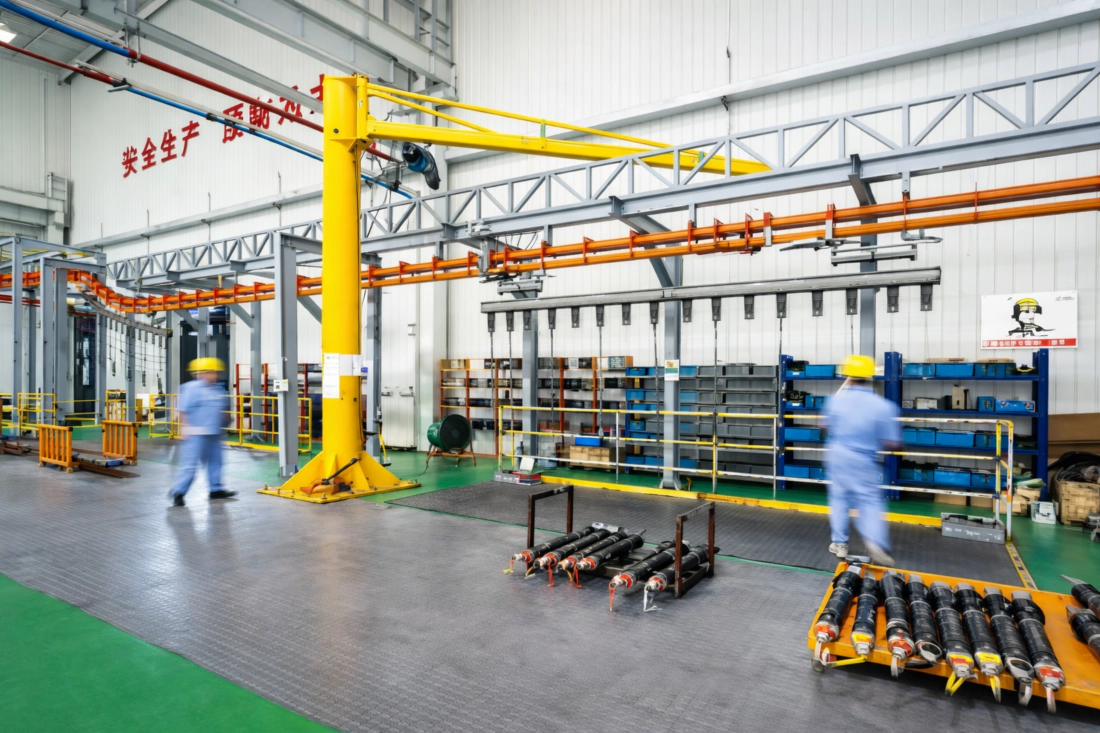
Ever Power leverages the robust supply chain of China’s heavy industry to offer B2B clients global-tier quality at competitive rates. Unlike generalist manufacturers, we specialize in high-alloy hydraulic solutions. Our facility is equipped to handle the specific welding and polishing requirements of 316L and 304 stainless steel.
Whether you need to replace a Putzmeister pump cylinder or design a custom injection system for a Herrenknecht TBM, our engineering team provides full 3D modeling and fluid dynamics simulation. We ensure that every unit shipped meets international ISO standards for pressure and material purity.

Expert Answers: Frequently Asked Questions
Why choose 316L stainless steel over chrome-plated carbon steel?
How do you prevent grout from sticking to the piston rod?
Can you supply replacement cylinders for Japanese or German TBMs?
What is the delivery time for custom stainless hydraulic cylinders?
Stop Settling for Corrosion
Upgrade your TBM’s grouting system with the permanence of 316L Stainless Steel.