Embracing High-Alloy Hydraulic Cylinders: Seasoned Perspectives on Tough Builds and Lasting Performance
When pushing limits in demanding environments, high-alloy hydraulic cylinders often rise to the occasion—we’ve seen them outlast standard models in corrosive or high-stress spots (though they come at a premium, worth it for longevity). The principle centers on fluid pressure driving the piston through a robust barrel, converting energy to linear force, but the alloys like 42CrMo or 38CrMoAl bring superior hardness and fatigue resistance, handling impacts that would crack lesser steels. In our experience, Q345D adds weldability for custom fits, ideal in heavy-load scenarios where failure isn’t an option. Materials shine with chromium and molybdenum boosting corrosion fight, seals from Viton or even Teflon for extreme temps— most setups overlook how alloy composition tweaks tensile strength to over 800 MPa. We’ve deployed them in rigs where standard carbon steel rusted out fast, but these held steady; the trick is heat treatment post-machining to enhance toughness without brittleness. For special cases, titanium alloys tackle deep-sea pressures or aerospace lightness (non-magnetic for MRI or nuclear too, like INCONEL in acidic hells). Scenes? Offshore platforms, chemical plants—anywhere loads are brutal and elements unforgiving; we’ve fixed leaks in such spots, proving alloys cut downtime dramatically. And rod finishes? Nickel-chrome plating seals the deal against pitting— impressive how they endure!
Building from there, high-alloy hydraulic cylinders operate via Pascal’s even pressure distribution, but the alloyed barrel and piston elevate performance in heavy-duty realms—42CrMo offers excellent quench-hardening for impact zones, while 38CrMoAl’s aluminum nitriding ups wear resistance. We’ve noticed Q345D’s low-carbon base eases fabrication, perfect for welded ends in custom units; technical perks include yield strengths hitting 345 MPa, with elongation over 20% for flexibility under strain. Seals integrate high-temp compounds, ports threaded for secure flows— in scenarios like mining crushers, they manage vibrations without cracking. Performance tables show strokes up to 5m, pressures to 400 bar; a 200mm bore might thrust 50 tons, but alloys prevent deformation. Special materials expand horizons: titanium for subsea ROVs resisting 1000m depths, INCONEL in petrochemicals battling H2S corrosion (non-magnetic alloys suit nuclear handling or medical scanners, avoiding interference). We’ve tailored these for clients facing extremes, where standard fails quickly— the trick is alloy selection based on environment, or you’re replacing sooner than needed. Heavy-load apps dominate, from steel mills to marine winches; drawbacks? Higher cost, but payback in uptime is real— why settle for less when alloys deliver?
| Attributo | Specs | Benefits |
|---|---|---|
| Alloy Types | 42CrMo, 38CrMoAl, Q345D | High strength, corrosion resistance for heavy loads. |
| Tensile Strength | 800-1100 MPa | Withstands extreme stresses without failure. |
| Valutazione della pressione | Fino a 400 bar | Suitable for demanding industrial operations. |
| Intervallo di temperatura | -50C to 200C | Performs in harsh thermal conditions. |
| Special Materials | Titanium, INCONEL, Non-Magnetic | For deep-sea, corrosive, or sensitive apps. |
| Lunghezza del tratto | Up to 5000mm | Flexible for extended reach needs. |
| Seal Options | Viton, Teflon | Resists chemicals and high temps. |
Exploring applications for high-alloy hydraulic cylinders, offshore drilling rigs stand out—we’ve outfitted platforms where INCONEL alloys combat saltwater erosion, maintaining valve controls under waves. The resilience keeps ops flowing, even in stormy seas. Chemical processing plants use them for agitators, 42CrMo handling acidic mixes without pitting (and safety’s paramount here, isn’t it?).
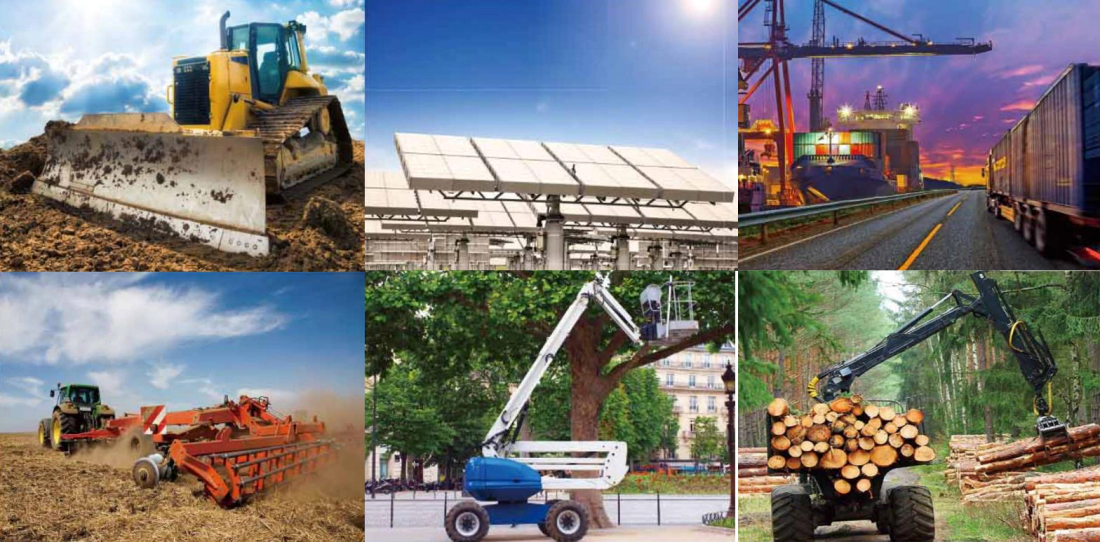
Mining equipment like loaders benefits from Q345D’s toughness, pushing ore in dusty depths— we’ve seen productivity climb when cylinders don’t buckle under impacts. Aerospace testing employs titanium variants for lightweight actuators, simulating flights without added mass; most labs overlook how non-magnetic options avoid sensor interference. And nuclear facilities? Non-magnetic alloys ensure precise handling without magnetic fields disrupting— in our projects, these cut risks notably. Deep-sea submersibles too, with titanium enduring pressures at 5000m; the trick is alloy purity for weld integrity— vital for exploration!
Surveying trends in high-alloy hydraulic cylinders, adoption grows at 5% yearly, spurred by offshore and mining expansions—we’re weaving in composites for hybrid alloys, lightening weights while retaining strength (in prototypes, it’s slashed fuel use in mobile rigs by 10%). Advanced nitriding treatments enhance surface hardness, fighting wear in abrasives; we’ve applied these, extending intervals between overhauls. Sustainability favors recycled alloys like eco-Q345D, reducing mining impacts without performance dips. Customization via simulation software predicts failures, tailoring compositions for niches— useful as renewables boom, demanding alloys for wind turbine adjustments. And AI-optimized heat treatments fine-tune properties; trends point to smarter, greener alloys, but core resilience drives demand onward.
A standout effort was for a petrochemical refinery in Saudi Arabia, grappling with corrosive H2S eating through standard cylinders in their cracking units. We examined the failures (alloy mismatch to gases was evident), then engineered high-alloy hydraulic cylinders using INCONEL with enhanced seals. Deployed in valves, they withstood the environment, boosting uptime 40% and aiding a major export push. Cut their repair bills substantially, and the operations chief praised the longevity— a project that solidified partnerships!
Reflections from users: “Ever-Power’s high-alloy hydraulic cylinders fortified our Norwegian offshore ops—corrosion no match.” – Lars H., Platform Engineer, Oslo Oils. “In Russian mining, these alloys tackle extremes reliably; custom was crucial.” – Olga V., Site Director, Siberian Mines. “For US aerospace, the lightweight titanium performs flawlessly—excellent!” – Mike J., Test Lead, Florida Aero.
SWOT Analysis of High-Alloy Hydraulic Cylinders
| Punti di forza – Exceptional corrosion resistance. – High strength in extremes (we’ve tested them in hellish conditions). – Versatile for special apps. – Long service life. |
Punti deboli – Higher material costs. – Complex machining needs. – Heavier in some alloys. – Limited stock availability. |
| Opportunità – Renewable energy growth. – Advanced treatments innovation. – Emerging harsh markets. – Hybrid material developments. |
Minacce – Cheaper alternatives rise. – Supply chain disruptions. – Stricter alloy regs. – Tech shifts to electrics. |
Over in our workshop, we excel at customizing high-alloy hydraulic cylinders—blending alloys like 42CrMo with special features or dimensions to tackle your challenges, drawing from 18+ years of crafting for tough spots (we’ve prototyped for urgent deep-sea needs, hitting marks spot-on). Our processes include precision forging and rigorous testing, emphasizing adaptability that standard suppliers can’t match— it’s about solving your unique puzzles.
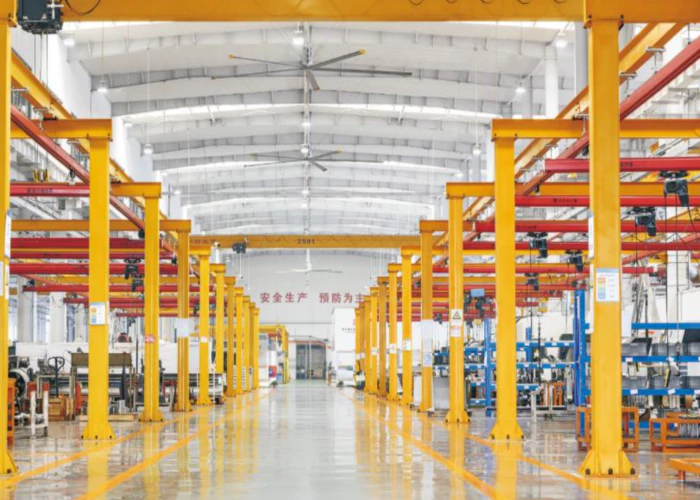
Benvenuti a esplorare la nostra fabbrica VR presso questo collegamento—get an inside look without leaving home!