The “Hot Zone” Survivor: Auger Adjustment Cylinders That Won’t Melt
If you have spent any time standing on the screed of a paver—whether it’s laying a new top layer on the A15 near Rotterdam or patching a municipal road in Utrecht—you know the smell of hot asphalt. But more importantly, you know the frustration of a jammed auger height adjustment. The material delivery system is the heart of the paver, and the cylinders lifting those augers are living in a literal hell: 160°C+ heat, submerged in sticky bitumen fumes, and constantly bombarded by aggregate dust.
In my 18 years of troubleshooting hydraulic systems for road machinery, the auger lift cylinder is the component I see fail most often during the paving season. And it’s almost always the same story: the OEM cylinder uses standard polyurethane seals. They work fine in the factory, but after three weeks of paving nonstop in the summer heat, those seals turn into a gummy paste. The cylinder starts to drift, the material head in front of the screed becomes inconsistent, and suddenly, you have segregation in the mat. We’ve seen operators trying to wedge blocks of wood under the auger frame just to finish the shift. It’s a mess.
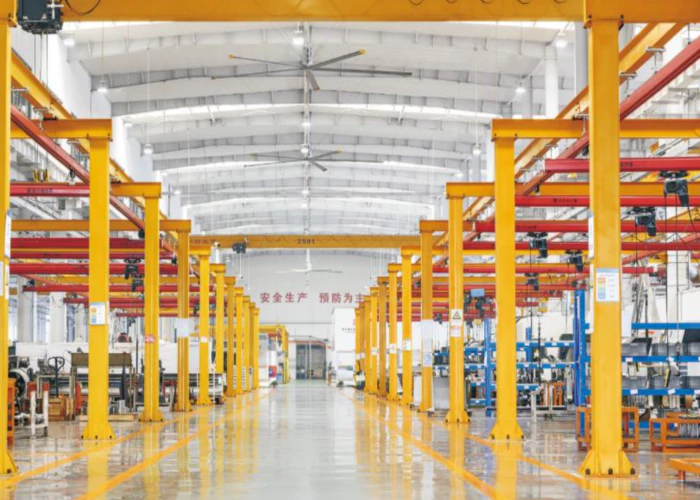
We realized that you can’t just throw a standard agricultural cylinder into this environment. You need a dedicated “Hot Zone” solution. That means Acciaio strutturale Q345D for cold-weather toughness (essential for Dutch winters) and, critically, Viton (FKM) high-temperature sealing systems. But before I bore you with the chemical composition of fluoroelastomers, I want you to see where we build these heat-resistant units.
🏭 Entra nel nostro stabilimento di produzione
We believe in an open kitchen policy. Check out our chrome plating lines and seal assembly stations right now.
>> Clicca qui per visitare la nostra fabbrica di realtà virtuale
Why Standard Cylinders Die Young in Asphalt
Let’s talk about the “Stick and Bake” effect. Asphalt is unique because it’s a liquid when hot and a solid when cold. When your auger cylinder extends, the rod gets coated in a fine mist of bitumen. When it retracts, that bitumen is pulled toward the wiper seal. On a cheap cylinder, the wiper is just rubber. The bitumen gets past it, hardens inside the gland, and then—next time you move the cylinder—it shreds the pressure seal like broken glass.
In our experience supplying the Benelux market, the thermal cycle is the real killer. You might be paving at 170°C during the day, but the machine sits in a freezing yard at night. This expansion and contraction demand a steel grade like Q345D (a low-alloy high-strength structural steel). Unlike standard #45 steel, Q345D has excellent low-temperature impact toughness. It won’t crack when you fire up the machine on a frosty February morning in Friesland.
The trick we use is a combination of Cromatura dura and a Metal-Cased Wiper. The chrome needs to be polished to a specific roughness (Ra 0.2-0.4) so it’s slick enough to shed the bitumen but holds enough microscopic oil to lubricate the high-temp Viton seals. It’s a balancing act that most generic manufacturers miss completely.

Technical Specifications: Built for the Heat
We don’t just guess at these specs. We engineer them based on the harsh realities of road construction. Here is why our auger cylinders survive where others leak.
| Caratteristica | Our High-Temp Standard | Beneficio operativo |
|---|---|---|
| Tipo di cilindro | Pistone saldato a doppio effetto | Welded cap eliminates leak points common in threaded glands under vibration. |
| Materiale | Q345D High Strength Steel | Superior impact resistance at sub-zero temps (essential for N. Europe). |
| Sistema di tenuta | FKM (Viton®) High-Temp Kit | Resists temperatures up to 200°C; won’t melt or deform in asphalt fumes. |
| Superficie dell'asta | Hard Chrome (>30μm) + Polished | Low-friction surface prevents bitumen from sticking (Easy Clean). |
| Dirt Wiper | Metal-Encased Heavy Duty | Aggressively scrapes hardened asphalt off the rod before it hits the seal. |
| Valutazione della pressione | 210 Bar (Tested to 300 Bar) | Handles the pressure spikes when augers jam on large aggregates. |
🇳🇱 Case Study: Saving the Mat in Brabant
Il Cliente: “Asfalt Wegenbouw Zuid” (Name changed for privacy), a contractor operating a mixed fleet of Vögele and Dynapac pavers in the North Brabant region.
La sfida: During a critical highway widening project, their main paver began losing auger height control. The hydraulic fluid was overheating because the cylinder seals had failed, allowing hot oil to bypass internally. This caused the augers to drop, flooding the screed with material and creating “humps” in the road surface. Every stoppage to reset the augers cost them €2,000 in idle truck time and cooling asphalt.
La soluzione: We overnighted a set of our Q345D Viton-Equipped Cylinders. We customized the pin-eye dimensions to fit their specific machine model. The cylinders were installed the next morning.
Il risultato: The foreman reported zero drift for the remainder of the 6-week project. The maintenance team was particularly impressed that after 500 hours, there was no sign of bitumen ingress past the wiper seal. They have since retrofitted their entire fleet.
Feedback from the Dutch Road Industry
★★★★★
“The Viton seals make all the difference. We used to replace seals monthly in the summer. These Ever Power cylinders have gone a whole season without a leak.”
— Jeroen B., Workshop Manager, Rotterdam
★★★★★
“Fast delivery to the Netherlands. I was worried about customs, but they handled everything. The cylinders arrived in a solid crate, ready to mount.”
— Lisa V., Procurement, Utrecht
★★★★★
“The Q345D steel is tough. We had a minor collision with a dump truck, and the cylinder casing didn’t even dent. OEM parts are often too soft.”
— Mark T., Paver Operator, Groningen
Where Else Does This Tech Apply?
While we designed this specifically for the auger lift, the “High Heat + Sticky Contamination” profile fits several other machines we see on Dutch infrastructure projects.

- Veicoli per il trasferimento di materiali (MTV): The “Shuttle Buggy.” The cylinders in the conveyor system face the same extreme heat and bitumen exposure. Our Viton kits are a perfect upgrade here.
- Bitumen Tankers: The hydraulic valves and small cylinders controlling the spray bars on tack coat trucks need to resist chemical corrosion and heat.
- Milling Machines (Planers): While not dealing with *new* asphalt, the water spray system and conveyor folding cylinders often get caked in re-melted asphalt dust.
We Re-Engineer What’s Broken
Here is the reality: Paver manufacturers change designs every few years. If you have a 2012 model, finding a replacement cylinder can be a nightmare of lead times and inflated prices.
We take a different route. You send us the dimensions (or the old unit), and we build a custom replacement. But we don’t just clone it. If the original had a weak rod eye, we reinforced it. If the original used cheap seals, we upgraded to Viton. We use CNC precision machining to ensure the mounting pins fit perfectly—no hammering required on the job site. We can handle single-unit orders for urgent repairs or batch orders for fleet maintenance.
Analisi strategica del prodotto (SWOT)
Honesty is part of our engineering DNA. Here is how our High-Temp Auger Cylinders stack up in the market.
💪 Punti di forza
- Resistenza al calore: Viton seals handle continuous 180°C asphalt temps.
- Materiale: Q345D offers better low-temp toughness than standard #45 steel.
- Progetto: Welded construction prevents vibration-induced loosening.
🔻 Punti deboli
- Costo: Viton seals are significantly more expensive than Polyurethane.
- Tempi di consegna: Custom builds take slightly longer than off-the-shelf generic parts.
🚀 Opportunità
- Infrastruttura: Huge road maintenance backlog in Europe creates demand.
- Upgrades: Contractors are looking to extend the life of older machines.
⚠️ Minacce
- Catena di fornitura: Fluctuations in specialized rubber (Viton) availability.
- Electric Pavers: Shift toward electric actuators in smaller city pavers.
Paver Talk: Common Questions
Why do my auger cylinders stick when the asphalt cools?
This is usually because bitumen has bypassed the wiper seal. When hot, it’s liquid, but when the machine cools down overnight, that bitumen hardens like glue inside the cylinder gland. Our metal-encased wipers prevent this ingress, keeping the rod clean.
How fast can you ship to the Netherlands?
We ship to the Netherlands weekly. For urgent repairs, we can use air freight to Amsterdam (Schiphol), which takes about 5-7 days. Sea freight to Rotterdam is more economical for stock orders and takes longer.
Is Viton really better than Polyurethane for pavers?
Yes, absolutely. Standard Polyurethane degrades rapidly above 100°C, losing its “memory.” Asphalt is laid at 140°C-170°C. Viton (FKM) retains its elasticity and sealing properties up to 200°C, ensuring leak-free operation in the hot zone.
What is the price of a custom auger cylinder?
It varies by size, but buying direct from our factory generally ti fa risparmiare 30% compared to OEM dealer prices. Plus, you get the upgrade to Q345D steel and Viton seals included. Click the quote button for an exact figure.
Can I use these cylinders in cold Dutch winters?
Yes. That is why we use Q345D steel instead of standard carbon steel. It has excellent low-temperature impact properties, so the cylinder won’t become brittle or crack when you fire up the machine in sub-zero conditions.
Beat the Heat & Keep Paving
Don’t let melted seals stop your project. Upgrade to the High-Temp Series today.
Manufacturer Direct • Viton Equipped • Fast Delivery