Precision Engineering in Agricultural Vertical Transportation
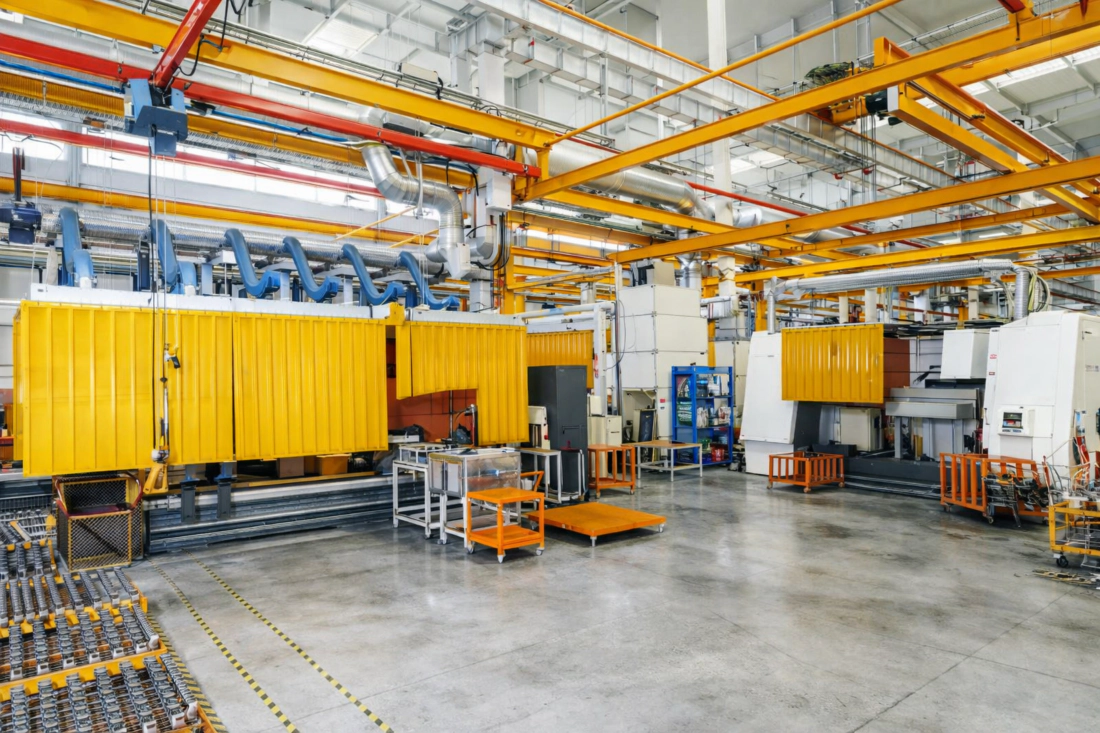
The continuous processing, storage, and handling of agricultural products heavily depend on the uncompromising reliability of vertical transportation mechanisms. Bucket elevators operate as the central circulatory system within vast grain silos, seed primary processing plants, and bulk material loading terminals. The operational efficiency and mechanical safety of these massive vertical conveyors are entirely dictated by the precise control of granular material entering the boot section. If the material influx is too rapid, the elevator buckets become overloaded, leading to catastrophic motor stalling, severe belt slippage, and extensive facility downtime. To master this critical flow rate, operators rely on the meticulous articulation of the feed inlet. We have specifically engineered a highly responsive double-acting welded small hydraulic cylinder dedicated exclusively to the rigorous task of bucket elevator feed baffle adjustment. This specialized linear actuator provides the exact micrometer-level force required to dynamically fine-tune the feed baffle opening, harmonizing the material intake with the elevator’s volumetric capacity. Understanding the manufacturing precision behind these specialized fluid power components is vital for modern machinery designers. We warmly invite our global engineering partners to explore our state-of-the-art production infrastructure. Immerse yourself in our advanced CNC machining and automated welding centers by stepping into our Virtual Reality Factory Tour.
Kinematic Control and Monolithic Welded Architecture
Regulating the heavy flow of dense agricultural commodities requires an actuation mechanism that guarantees positive force in multiple directions. The double-acting configuration of this small cylinder is a critical engineering requirement for feed baffle adjustment. Gravity-return or single-acting spring cylinders frequently fail in this application because compacted grain dust and organic chaff create massive friction along the baffle guide rails, causing the mechanical gate to jam. A double-acting system actively utilizes high-pressure hydraulic fluid to force the baffle both open and closed, ensuring absolute deterministic control over the feed aperture regardless of mechanical resistance. To house this powerful internal dynamic, the cylinder body is constructed utilizing a heavy-duty welded manufacturing structure. The intense vibrational frequencies generated by the bucket elevator’s lower boot pulley transfer directly into the surrounding chassis. Traditional tie-rod hydraulic cylinders are highly susceptible to these harmonic vibrations, leading to rapid tierod stretching, catastrophic seal decompression, and sudden fluid leakage. By utilizing advanced automated deep-penetration welding techniques, we fuse the carbon steel end caps directly to the cylinder barrel, creating a monolithic, indestructible pressure vessel that remains entirely impervious to continuous mechanical shock and operational vibration. The primary material matrix utilizes premium industrial-grade carbon steel, deliberately selected for its superior tensile strength and excellent weldability, providing the necessary structural rigidity within a highly compact physical footprint suitable for tight installation spaces around the elevator boot.
Combating Severe Dust and Preventing Rod Pitting
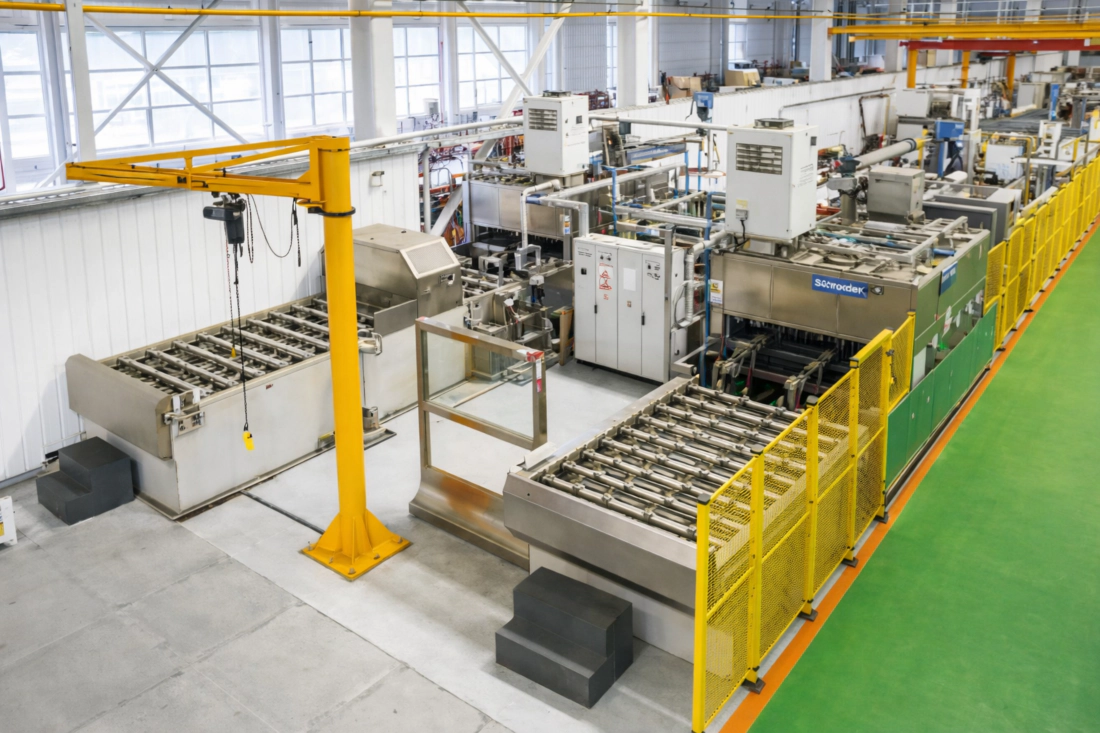
The operational atmosphere surrounding an agricultural bucket elevator feed inlet is classified as an extreme dust environment. The continuous movement of dry bulk materials generates thick, abrasive clouds of organic chaff, soil silicates, and microscopic crop particles. When a hydraulic actuator operates within this dense particulate matter, the extended piston rod acts as a magnet for contamination. Airborne dust settles onto the thin residual oil film present on the rod surface. During the retraction stroke, this abrasive mixture is violently forced against the cylinder’s sealing architecture. The most prevalent and destructive typical failure mode in this exact scenario is severe rod pitting. Abrasive silica particles micro-score the carbon steel surface, breaching the protective layer. Ambient moisture from the agricultural products then enters these microscopic lacerations, initiating rapid localized oxidation. This rod pitting creates sharp, jagged craters that subsequently act like a rasp, completely shredding the internal dynamic polyurethane seals and causing massive hydraulic failure. Our engineering paradigm eradicates this failure mode through a highly specific recommended configuration. We apply an incredibly dense, heavy-duty hard chrome plating to the carbon steel piston rod. This advanced electrolytic surface treatment significantly elevates the surface hardness and creates a micro-cracked topographical profile that retains essential lubricating fluid while repelling abrasive ingress. Furthermore, we integrate an aggressively profiled, high-durometer external wiper ring (防尘圈). This specialized component is engineered to mechanically shear heavy dust accumulations off the chrome-plated rod before they can penetrate the high-pressure boundary. The combination of the hardened chrome interface, the aggressive dust exclusion ring, and a regimented protocol for reasonable external lubrication ensures the critical tribological film is maintained, guaranteeing continuous, leak-free baffle adjustment across intense harvesting seasons.
Comprehensive Technical Specifications Data
| Parametro di ingegneria | Specification Protocol | Agricultural Application Benefit |
|---|---|---|
| Primary Function Action | Feed Baffle Adjustment Cylinder | Regulates bulk material flow entering the elevator boot. |
| Modalità di azione cinematica | Controllo a doppia azione | Provides positive hydraulic force to overcome friction in dusty tracks. |
| Tipo di struttura fisica | Cilindro piccolo e compatto | Optimized spatial footprint for tight integration near machinery bases. |
| Architettura di produzione | Monolithic Welded Design | Eliminates structural loosening caused by constant mechanical vibration. |
| Matrice del materiale di base | Industrial Carbon Steel | Delivers exceptional tensile strength and superior pressure containment. |
| Protocollo di trattamento delle superfici | Cromatura dura | Provides extreme abrasion resistance against soil silicates and chafing. |
| Valutazione ambientale | Heavy Dust Concentration | Engineered specifically for agricultural dry processing facilities. |
| Working Condition Profile | Fine-Tune Feed Baffle Opening | Executes micro-adjustments for precise volumetric intake matching. |
| Typical Failure Vulnerability | Accelerated Rod Pitting | Mitigated to prevent catastrophic destruction of internal dynamic seals. |
| Recommended Protection | Aggressive Wiper Ring + Reasonable Lubrication | Actively shears off contaminants and preserves the critical sliding interface. |
Strategic Deployment Across Agricultural Logistics
The deployment of these highly specialized feed baffle adjustment cylinders extends deeply into the core infrastructure of global agricultural commodities logistics. Within massive inland grain terminal elevators, banks of towering vertical conveyors depend entirely on the precise actuation of our small welded cylinders to modulate the intake of diverse crops, transitioning seamlessly from heavy soybeans to lightweight wheat without overwhelming the drive motors. Large-scale commercial seed processing facilities utilize this technology to meticulously control the flow of delicate seeds from sorting hoppers into the elevating buckets, preventing mechanical crushing that occurs when feed inlets are jammed or improperly spaced. In modern port-side agricultural bulk loading facilities, where the speed and volume of material handling dictate international shipping profitability, these double-acting hydraulic actuators ensure that the massive transfer conveyors operate at absolute peak volumetric efficiency. The ability to fine-tune the feed baffle opening with absolute confidence, despite the suffocating presence of airborne dust and relentless machinery vibration, transforms a traditional mechanical weak point into a highly reliable, automated asset that significantly elevates the overall throughput capacity of the entire agricultural processing network.
Elite Custom Manufacturing Ecosystem in China
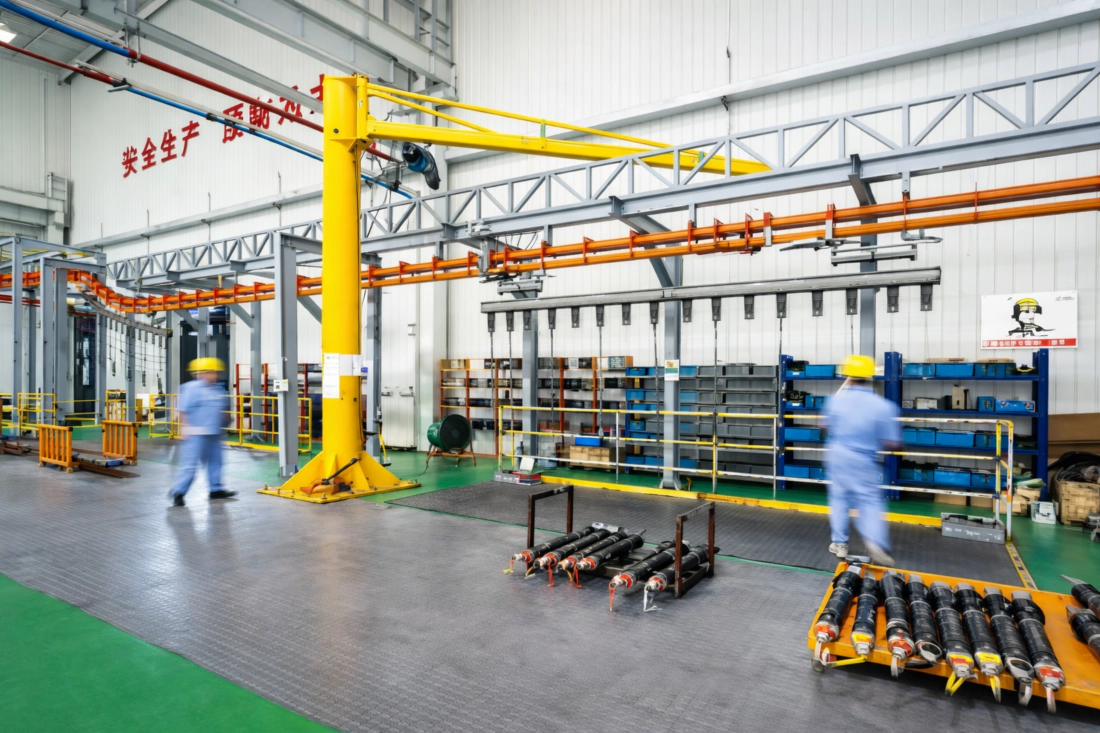
Agricultural machinery design is inherently non-standardized. Different bucket elevator manufacturers utilize highly varied boot chassis designs, requiring specific spatial integrations for their hydraulic control mechanisms. Addressing these complex, unique mechanical constraints requires partnering with a sophisticated engineering entity capable of profound customization. Our expansive, highly advanced manufacturing facilities located in China stand as a global powerhouse for custom hydraulic engineering. We do not merely assemble components; we engage in deep, consultative technical collaborations with mechanical engineers worldwide to forge entirely bespoke actuation solutions. Whether your specific elevator design requires an extended linear stroke for massive grain intake hoppers, custom-machined clevis mounts to navigate restricted installation envelopes, or highly specific port orientations to interface cleanly with existing fluid networks, our custom product capabilities deliver with micrometer precision. This agility is fueled by an integrated industrial ecosystem featuring state-of-the-art multi-axis CNC machining, automated robotic welding protocols, and rigorous computerized hydrostatic testing cells. We empower global machinery builders to rapidly prototype, validate, and scale production of specialized double-acting carbon steel cylinders that interface flawlessly with their proprietary equipment, dramatically accelerating their time-to-market.
Empirical Field Validation: Elevating Global Agricultural Output
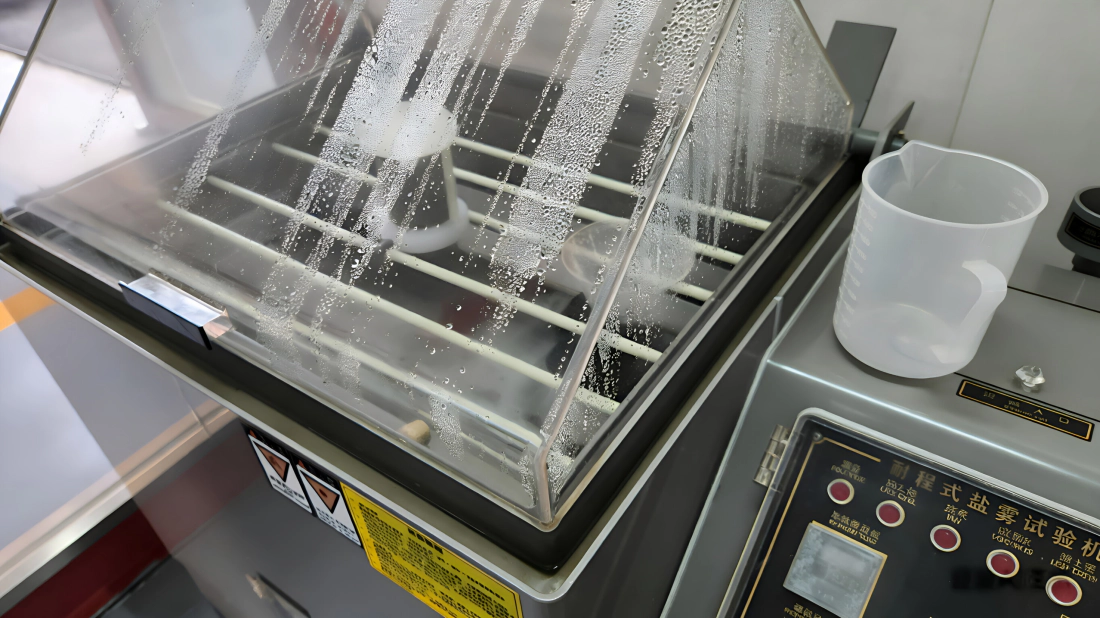
Rigorous engineering theory ultimately finds its absolute validation in the unforgiving theater of heavy industrial operations. A prominent bulk agricultural transport consortium operating vast grain loading terminals in Western Australia faced severe systemic bottlenecks. Their massive bucket elevators, tasked with loading export vessels, suffered chronic downtime. The intense ambient silica dust was causing rapid rod pitting on their existing baffle adjustment cylinders, leading to catastrophic pressure loss and jammed feed gates that snapped main elevator belts. Our engineering division intervened, deploying highly customized, double-acting welded small hydraulic cylinders engineered with extreme-thickness chrome plating and specialized agricultural wiper rings. Furthermore, we established a strict protocol for reasonable external lubrication to maintain the critical sealing interface. Following the integration of these precision components, the consortium documented an unprecedented total elimination of rod pitting failures over three consecutive, high-volume harvest export cycles. They achieved absolute, dynamic control over the feed baffle opening, harmonizing intake flow and maximizing their multi-million dollar grain export logistics.
Oceanic Grain Terminals (Australia)
Terminal Operations Manager
“The aggressive dust exclusion provided by the specialized wiper ring is phenomenal. We used to replace cylinders quarterly due to silica dust scoring the rods. Since upgrading to these custom chrome-plated welded units, we haven’t experienced a single seal leak or jammed inlet.”
Prairie Harvest Logistics (Canada)
Chief Mechanical Engineer
“The continuous vibration from our elevator boot assemblies used to rattle standard tie-rod cylinders apart, causing dangerous pressure drops. The monolithic welded architecture of these carbon steel units is incredibly resilient. They maintain perfect, micro-level control over our feed baffles all season long.”
Agri-Tech Solutions (Germany)
Global Supply Chain Director
“Collaborating with their specialized hydraulic manufacturing facility in China gave us a massive competitive edge. Their capacity to completely customize the mounting brackets and stroke lengths to match our proprietary bucket elevator blueprints streamlined our entire machinery assembly process.”