Cilindri idraulici a doppio effetto per sistemi di regolazione dei rulli delle navi posatubi
Engineering stability in the splash zone: A technical analysis of Q345D welded actuators for stinger and conveyor roller stations.
• Q345D Low-Temp Steel
• Nickel-Chrome Plating
The structural integrity of a subsea pipeline begins long before it touches the seabed; it is determined on the firing line of the lay barge. In my eighteen years of engineering hydraulic systems for the offshore energy sector, I have observed that the roller adjustment cylinders—specifically those on the stinger and the main deck conveyor—are the unsung heroes of the S-lay process. These components operate in the “splash zone,” an environment that combines the corrosivity of oxygen-rich saltwater with the dynamic, unpredictable impact loads of vessel heave.
Standard industrial hydraulics fail here. The specific requirement for a Cilindro a pistone a doppio effetto in this application is not just about moving a load; it is about holding a precise position under the oscillating weight of a 48-inch concrete-coated pipe. We utilize Q345D high-strength low-alloy steel for the cylinder structure. Unlike standard carbon steel, Q345D offers superior impact toughness at low temperatures (-20°C), ensuring the welded seams do not become brittle even when the vessel operates in Arctic or North Sea conditions.
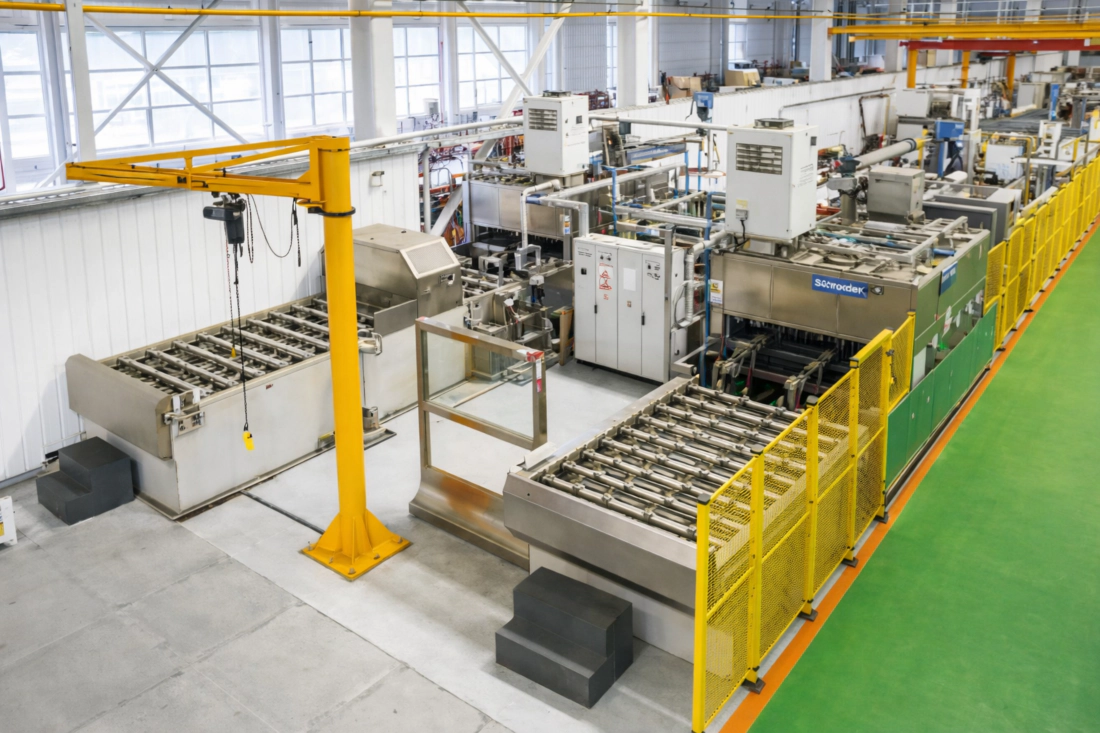
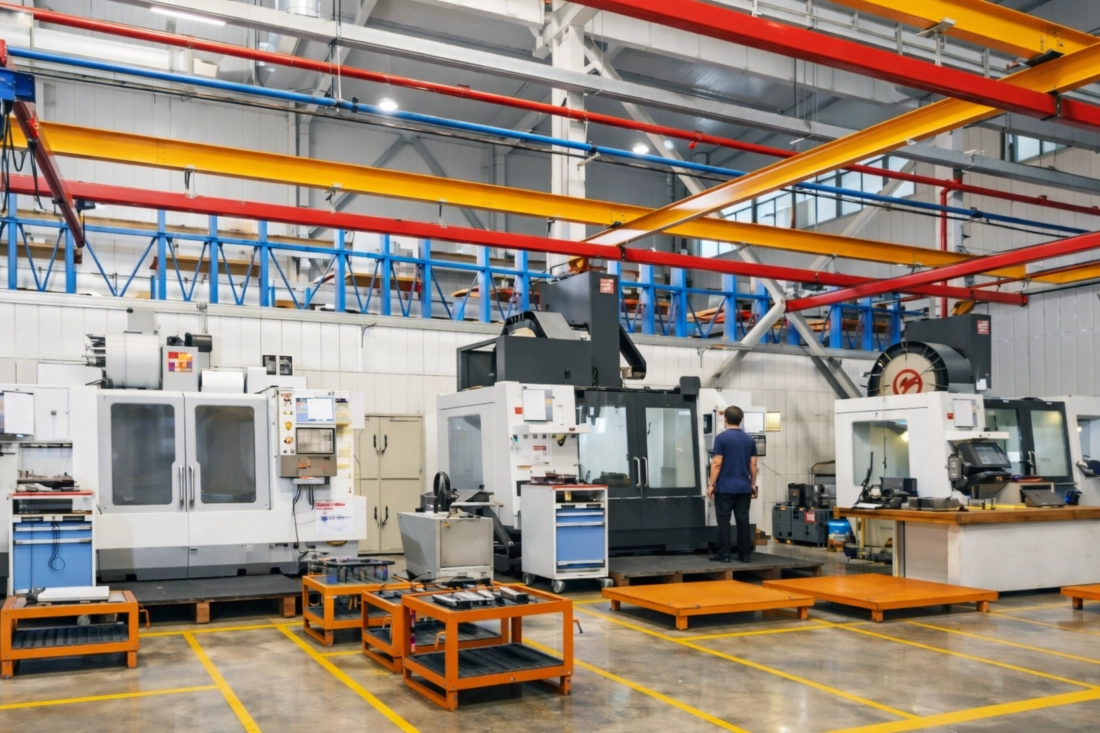
At Ever Power, we have refined the welding and plating processes to create cylinders that outlast the vessel’s dry-docking schedule. To understand the precision involved in our manufacturing, we invite you to virtually walk through our production floor.
Digital Twin Factory Tour
Experience our Q345D welding stations and nickel plating lines in 360° VR.
The Engineering Architecture of Marine Stability
Q345D: Structural Resilience
We select Q345D (equivalent to S355J2) for the cylinder barrel and cap. In dynamic offshore applications, rigidity is critical. Q345D provides a yield strength of 345 MPa, but more importantly, it maintains its ductility in freezing conditions. This prevents the catastrophic brittle fracture that can occur in standard steels when a vessel slams into a trough, sending shockwaves through the roller stations.
Nickel-Chrome Defense
The rods of pipelay cylinders are frequently exposed to sea spray. Standard chrome plating is porous. We employ a multi-layer technology: a base of electroless nickel for chemical impermeability, followed by hard chrome for wear resistance. This combination, known as Ni-Cr plating, exceeds 1000 hours in Neutral Salt Spray (NSS) testing, protecting the rod from pitting which destroys seals.
Load Holding & Leak Prevention
Roller height determines the pipe’s stress curve. A leaking cylinder causes the pipe to sag, potentially buckling the line. We use a “High-Life” sealing configuration featuring Parker or Merkel chevron sets and a heavy-duty double wiper. This setup resists the ingress of salt crystals and prevents “stick-slip,” allowing for millimeter-precise adjustments of the roller height.
Why Ever Power Cylinders Sustain the Flow
Reliability in the open ocean is not a luxury; it is the baseline for operational safety.
- Full-Penetration Welding
Unlike tie-rod cylinders which loosen under vibration, our welded construction integrates the cap and barrel into a single monolithic unit, capable of handling the high-frequency vibrations of the vessel’s thrusters. - Valvole di bilanciamento integrate
Safety is paramount. We machine ports to accept direct-mounted counterbalance valves. In the event of a hose burst, the cylinder locks instantly, preventing the roller from dropping and damaging the pipeline. - Customized Mounting Geometry
We offer spherical bearings with self-lubricating composite liners (maintenance-free) or robust trunnion mounts, machined to H7/g6 tolerances for perfect alignment with your stinger frame.
Deepwater Gas Pipeline Project – South China Sea
La sfida
An international EPC contractor operating a lay barge in the South China Sea faced repeated failures of their stinger roller cylinders. The OEM cylinders were suffering from rod corrosion after only 6 months, leading to seal failure and oil contamination on the deck. The downtime for replacement was costing $150,000 per day.
La soluzione
Ever Power engineered a retrofit solution using Q345D Welded Cylinders with Ni-Cr Plating. We increased the rod diameter by 10% to improve buckling resistance and installed a custom “ice-scraper” wiper seal to handle dried salt deposits.
Feedback del cliente
Technical Specifications: Marine Roller Series
| Parametro | Specifiche standard | Custom Option |
|---|---|---|
| Tipo | Double Acting, Welded | Telescopic (Single/Double) |
| Materiale del corpo | Q345D (acciaio basso legato) | Stainless Steel 316L / 27SiMn |
| Superficie dell'asta | Cromo duro (25μm) | Nickel-Chrome / Ceramic Coating |
| Pressione di esercizio | 210 bar (3000 psi) | 350 bar (5000 psi) |
| Temperatura di esercizio | da -20°C a +80°C | -40°C to +100°C (Arctic Grade) |
| Foche | Hallite / NOK | Parker / Merkel (Marine Profile) |
Versatility On Deck
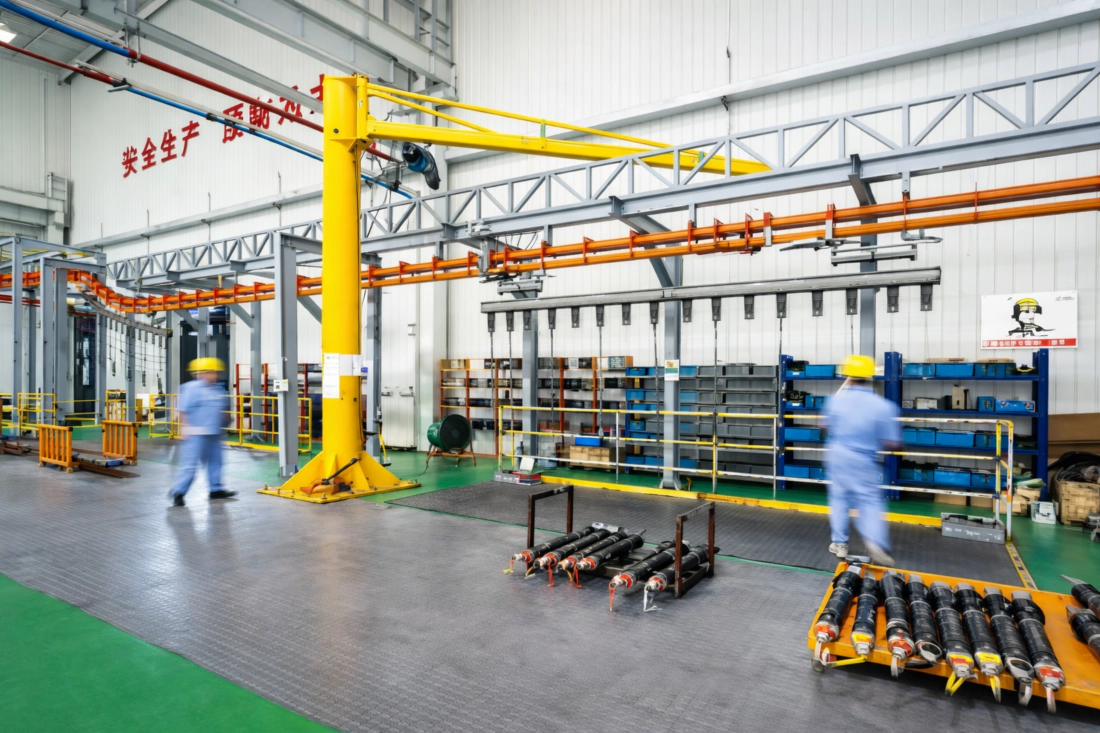
While the stinger roller adjustment is the primary application, our marine-grade Q345D cylinders are the workhorses for various critical functions on a pipelay vessel:
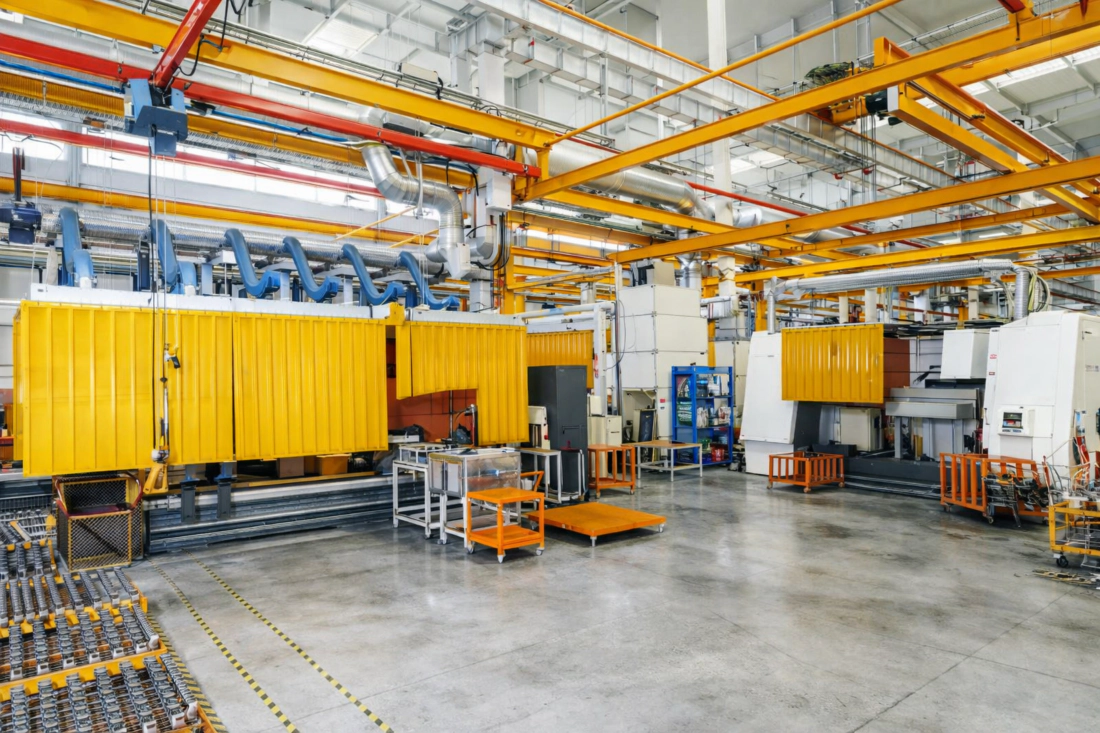
Precision Manufacturing in Hangzhou, China
Ever Power combines advanced Chinese manufacturing efficiency with stringent global marine standards. Our facility in Hangzhou is equipped with specialized plating baths and automated welding robots dedicated to Q345D steel. We offer full material traceability (mill certificates) and can coordinate with DNV/ABS surveyors for third-party inspection, ensuring your project meets all class requirements.

Need a Custom Pipelay Solution?
Send us your stinger load data or existing drawings. We quote within 24 hours.
Domande frequenti
What is the cost of a custom marine hydraulic cylinder?
The price varies based on bore size, stroke, and plating requirements. Generally, our Q345D marine cylinders are 20-30% more cost-effective than European alternatives without sacrificing quality. Contattaci per un preventivo specifico.
Which material is best for hydraulic cylinders in cold oceans?
Q345D is an excellent choice. It is a low-alloy high-strength steel with tested impact toughness at -20°C, making it superior to standard carbon steel for vessels operating in the North Sea or Arctic regions.
How long does it take to manufacture a batch of stinger cylinders?
Our typical lead time for custom welded marine cylinders is 35-45 days. This allows for proper material sourcing, precision machining, multi-layer plating, and final pressure testing.
Do you offer third-party certification like DNV or ABS?
Yes, we regularly work with DNV, ABS, CCS, and BV surveyors. We can provide witnessed pressure tests and material traceability reports to meet your vessel’s classification requirements.
Why choose nickel plating over standard chrome for marine use?
Standard chrome is porous and allows saltwater to reach the steel rod. Nickel plating creates a chemical barrier. A combination of Nickel and Chrome (Ni-Cr) offers the best balance of corrosion protection and surface hardness.
Can you replace cylinders for European lay barge equipment?
Absolutely. We specialize in reverse engineering and manufacturing drop-in replacements for major European brands, often with improved sealing technologies and faster delivery times.
Ever Power | Engineered Hydraulic Solutions for the Offshore Industry