Silinder Hidrolik Mikro Aksi Ganda Titanium untuk Lengan Manipulator ROV Laut Dalam
Engineering the ultimate interface between robotic logic and the abyssal environment.
The operating environment of a Work-Class Remotely Operated Vehicle (ROV) represents one of the most hostile frontiers in mechanical engineering. At depths exceeding 3,000 meters, the hydrostatic pressure crushes standard components, while the saline chemistry aggressively attacks ferrous metals. In this domain, the manipulator arm is the ROV’s primary tool for interaction—whether turning a torque valve on a subsea Christmas tree or collecting delicate biological samples. The critical actuator driving these precise movements is the Double-Acting Micro Hydraulic Cylinder. Unlike terrestrial heavy equipment, ROV actuators must balance conflicting requirements: they must be incredibly compact to fit within the robotic arm’s envelope, yet capable of exerting massive force; they must be lightweight to maintain the vehicle’s buoyancy trim, yet structurally immune to implosion.
We have moved beyond traditional marine-grade steels, establishing a manufacturing protocol based on Titanium Grade 5 (Ti-6Al-4V) alloys and specialized welding techniques. This approach solves the persistent issue of galvanic corrosion and fatigue failure in manipulator joints. By integrating micro-precision piston geometries with high-pressure sealing systems, we ensure that every micron of hydraulic fluid displacement translates into exact mechanical motion, devoid of the “stick-slip” phenomenon that plagues lesser actuators at extreme depths.
Silakan Masuk ke Fasilitas Kami
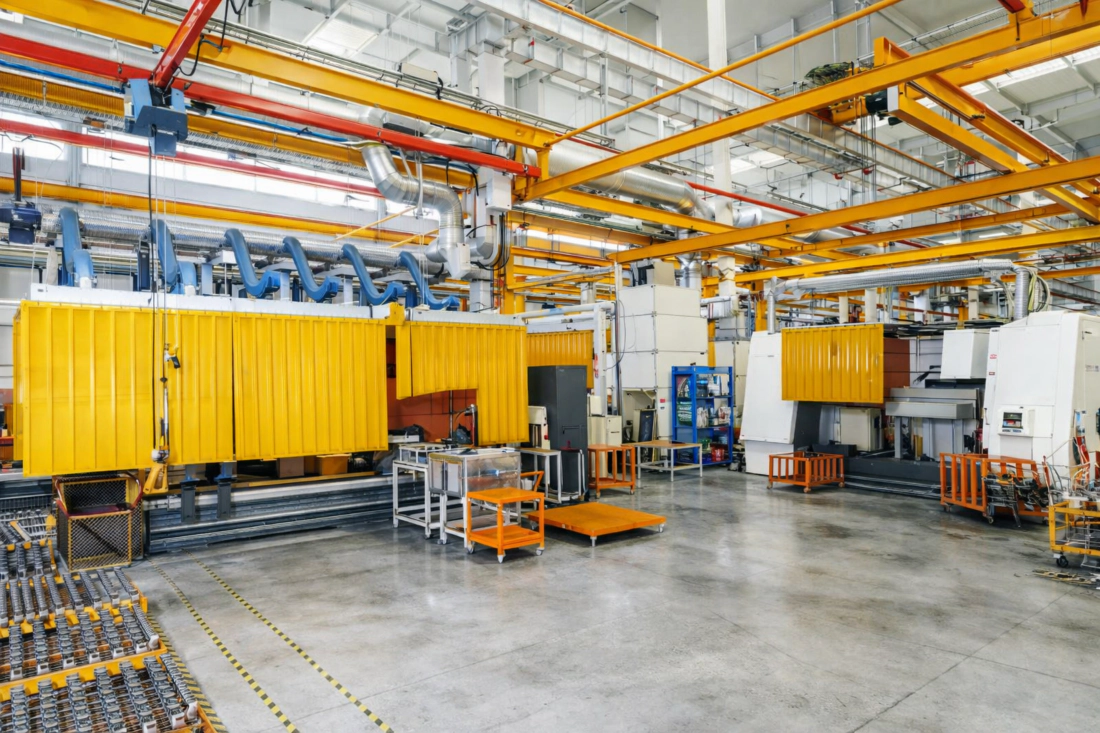
Witness the precision CNC machining of titanium components in our virtual factory tour.
The Material Science of Subsea Actuation
Titanium Alloy Architecture
The selection of Titanium (specifically Ti-6Al-4V) is not merely for corrosion resistance; it is a weight-saving imperative. In deep-sea ROV operations, every kilogram of submerged weight requires buoyancy compensation foam. Titanium offers a strength-to-weight ratio superior to stainless steel 316L, allowing for lighter manipulator arms that react faster and consume less power. Furthermore, Titanium’s natural oxide film reforms instantly if scratched, providing a self-healing barrier against the corrosive seawater electrolyte.
Pressure-Compensated Sealing
Standard hydraulic seals fail under the external crushing pressure of the deep ocean, which can cause seal extrusion and water ingress. Our micro cylinders utilize a specialized sealing geometry (often PTFE-bronze composites) coupled with a double-wiper system. This design prevents the “pumping” of seawater into the hydraulic circuit during the retraction stroke. The seals are rated for high-frequency oscillation, essential for the delicate, jittery movements often required in manipulator tasks.
Micro-Welding Integrity
Constructing micro-cylinders with bores as small as 20mm requires TIG welding precision that borders on surgical. We employ automated orbital welding for the cap and gland connections to ensure uniform heat distribution. This eliminates the heat-affected zone (HAZ) cracking risks associated with manual welding on small-diameter titanium tubes. The result is a monolithic structure capable of withstanding internal pressure spikes up to 450 bar while resisting external hydrostatic loads.
Operational Advantages in the Field
- Zero Magnetic Signature: Titanium is non-magnetic, making these cylinders ideal for ROVs conducting mine countermeasures or scientific instrumentation deployment where magnetic interference must be nullified.
- Extreme Temperature Tolerance: Designed to operate flawlessly in the near-freezing temperatures of the ocean floor (approx. 4°C) without seal embrittlement, while handling the heat generated by high-duty-cycle hydraulic fluid.
- Enhanced Fatigue Life: The polished rod surface finish (Ra < 0.2µm) significantly reduces friction. Combined with the elastic properties of titanium, these cylinders absorb shock loads from manipulator collisions better than rigid steel counterparts.
Case Study: Deep-Sea Mining Intervention
Client: Pacific Abyss Mineralogy (Australia)
Project Scope: Upgrade of 7-function manipulator arms for a fleet of mining support ROVs operating at 4,500m depth.
Tantangannya: The client was experiencing a 40% failure rate with their OEM stainless steel cylinders within 6 months of deployment. The primary failure mode was “crevice corrosion” under the rod seals, caused by stagnant seawater trapped during long dormant periods on deck. This led to hydraulic fluid contamination and loss of grip force during critical core sampling operations.
Solusinya: We designed a custom “Micro-Ti” series cylinder. We utilized a Grade 5 Titanium barrel and rod, completely eliminating the possibility of crevice corrosion. We also implemented a custom “scraper” ring design to aggressively remove salt crystals from the rod before they could retract into the main seal gland.
Hasilnya: After 18 months of continuous rotation, the fleet has reported zero hydraulic failures. The reduced weight of the titanium actuators allowed the client to upgrade their sampling tools without exceeding the ROV’s payload limit.
“The dimensional accuracy of these cylinders is impressive. They fit perfectly into our Schilling Robotics arms without modification.”
– James T., Lead ROV Supervisor
“We calculated the ROI on these titanium units to be less than 8 months simply due to the reduction in seal replacement downtime.”
– Sarah L., Operations Manager
“Exceptional support from the engineering team in China. They understood the specific pressures we deal with in the Clarion-Clipperton Zone.”
– Chen W., Technical Director
Spesifikasi Teknis & Data Kinerja
| Parameter | Spesifikasi Kelautan Standar | ROV Titanium Spec (Our Product) |
|---|---|---|
| Bahan | SS 316L / 17-4PH | Titanium Gr.5 (Ti-6Al-4V) |
| Construction | Tie-rod or Threaded Cap | Precision Inert Gas Welded |
| Tekanan Kerja | 210 Bar (3000 PSI) | 350 Bar – 600 Bar (Custom) |
| Depth Rating | Up to 1000m | Full Ocean Depth (6000m+) |
| Teknologi Penyegelan | NBR / PU Standard | PTFE + PEEK Backups |
| Weight (Dry) | Baseline | ~45% Lighter than Steel |
Skenario Aplikasi Kritis
The versatility of our double-acting micro cylinders allows them to be deployed across the entire subsea spectrum. From the heavy-duty lifting requirements of a Grabber arm to the fine motor skills required by a spatially coincident Master/Slave manipulator, our actuators provide the necessary fidelity.
Sample Collection
Delicate pressure control for biological specimens.
Valve Override
High torque generation for subsea trees.
Cable Cutting
Rapid, high-force extension for shearing.
Camera Pan/Tilt
Smooth, jitter-free positioning.

Pertanyaan yang Sering Diajukan
Equip Your ROV with the Best
Don’t let component failure compromise your mission. Trust in 18 years of subsea hydraulic expertise.
© 2026 Ever Power Hydraulic Manufacturers. Global Subsea Solutions.