Gravity Defied: Precision Hydraulic Cylinders for High-Altitude Aerial Work Platforms
You know, after spending nearly two decades knee-deep in hydraulic fluid and blueprints, seeing how the industry has shifted from basic mechanical lifting to these ultra-complex, sensor-laden Aerial Work Platforms (AWP), I’ve learned one thing that never changes: gravity doesn’t take a day off. When you have a human being suspended 80 feet in the air in a basket, the hydraulic cylinder doing the lifting isn’t just a part; it’s the only thing standing between a job well done and a catastrophic failure. We’ve seen plenty of generic cylinders fail in the field because they weren’t designed for the specific harmonic vibrations of a boom lift or the sudden load shifts of a scissor lift.
It’s not just about pushing oil into a tube anymore. It’s about seal integrity under side-loading, it’s about the chrome plating surviving coastal salt air, and frankly, it’s about peace of mind. Most printers and catalog designers don’t realize that the “heart” of these machines requires a level of customization that off-the-shelf components just can’t match. If you are managing a rental fleet or manufacturing OEMs, you understand that downtime costs way more than the price of a spare part. The trick is balancing that heavy-duty durability with the lightweight requirements of modern AWPs.
👀 See Where the Magic Happens
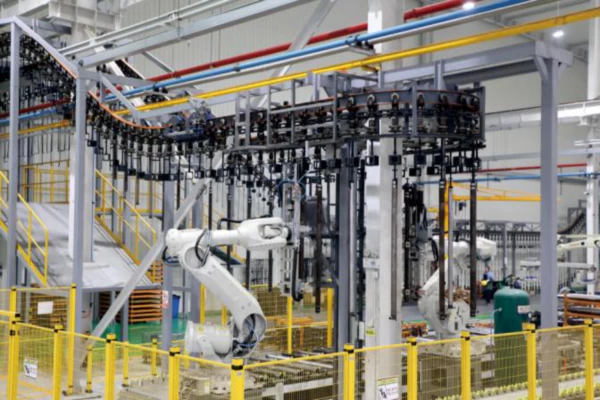
Before we dive deeper into the technical specs (and believe me, we will), I want to invite you to take a look at where we actually build these things. It’s one thing to read about quality control, but another to see our automated honing machines in action.
Step into our world here: Selamat datang untuk mengunjungi Pabrik VR kami.
The Anatomy of a Safety-Critical Cylinder
Let’s get technical for a minute (but keep it readable). The biggest challenge with AWP cylinders—whether we are talking about the main boom lift, the jib cylinder, or the outrigger leveling cylinders—is the “stick-slip” phenomenon. You’ve probably felt it before; the basket jerks slightly when you try to make a fine adjustment. In our experience, this is usually a death knell for operator confidence. To combat this, we utilize low-friction seal configurations from top-tier suppliers like Hallite or Merkel, but we tweak the gland design to ensure consistent lubrication film retention.
Another massive factor is the holding valve. In this industry, a cylinder without an integrated counterbalance valve or pilot-operated check valve is basically a paperweight. We machine the valve ports directly into the cylinder cap or rod end—no external piping that can burst or snag. This is crucial. If a hose blows, that cylinder stays locked in position. We test these hold-rates at 150% of the rated load. It’s overkill, maybe, but I’d rather over-engineer a safety component than explain a failure later.
Spesifikasi Teknis & Metrik Kinerja
| Fitur / Parameter | Spesifikasi Standar | Spesifikasi Performa Tinggi Kami |
|---|---|---|
| Tekanan Kerja | 210 Bar (3000 PSI) | Up to 350 Bar (5000 PSI) for compact designs |
| Bahan Batang | CK45 Standard Chrome | 42CrMo4 + Ni-Cr Plating (1000h Salt Spray Test) |
| Tube Finish | Skived & Roller Burnished | Ra 0.2µm Mirror Finish (Reduced Seal Wear) |
| Sistem Penyegelan | PU standar | Zero-Leakage Double Lip + Wiper (Low Friction) |
| Suhu Operasi | -20°C hingga +80°C | -40°C to +110°C (Arctic/Desert Ready) |
Real World Success: The Singapore Shipyard Challenge
Let me tell you about a project that really tested our mettle. We were approached by a major equipment rental firm based in Singapore—let’s call them “Pacific Access.” They were supplying scissor lifts to a shipyard for hull maintenance. Now, Singapore is hot, it’s humid, and the air is practically soup made of salt and industrial grime. Their existing cylinders (from a generic supplier) were pitting within six months. The chrome was flaking off, destroying the seals, and causing leaks on the deck (a huge environmental fine risk).
They came to us desperate. We couldn’t just sell them a standard cylinder. We re-engineered the piston rod treatment completely. Instead of standard hard chrome, we utilized a multi-layer Nickel-Chrome process. We also upgraded the wiper seals to a heavy-duty, brass-impregnated scraper to shove that dried salt and grit off the rod before it could retract into the housing. The result? We installed the test batch in 2021. As of our last check-in three months ago, those cylinders are still running with zero pitting and zero leaks. The client saved roughly $45,000 in replacement parts and downtime in just the first year. That’s the kind of win we live for.
What Our Clients Are Saying
“We switched to Ever-Power for our telescopic boom line three years ago. The integration of the counterbalance valve directly into the cylinder head saved us assembly time, and the failure rate has effectively dropped to zero.”
— Marcus T., Manajer Armada, Texas, AS
“Sourcing custom cylinders from overseas can be a nightmare with communication, but these guys actually understand the engineering. The drawings were perfect on the first draft.”
— Liam O., Procurement Director, Dublin, Ireland
“Reliability in sub-zero temps was our issue in Alberta. The low-temp seal kits they recommended solved our slow-start issues in the mornings.”
— Sarah K., Operations Lead, Canada
Beragam Skenario Aplikasi
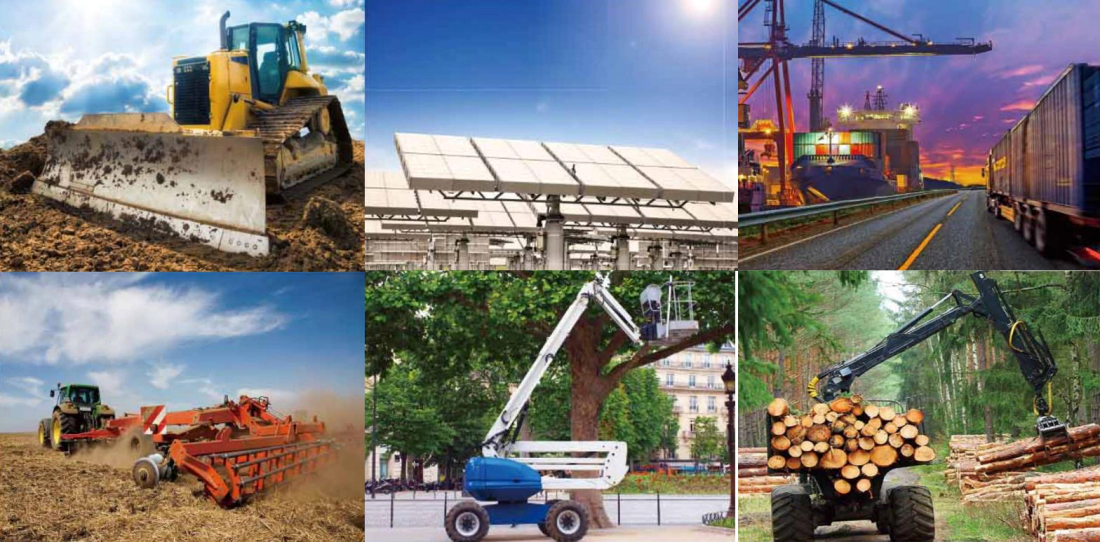
AWP isn’t a one-size-fits-all category. The hydraulic demands of a vertical mast lift are vastly different from those of an articulating boom lift. We’ve developed specific profiles for each.
- Lift Gunting: These require immense initial thrust to lift the stack. Our cylinders here focus on heavy-duty barrel thickness to prevent ballooning under peak load.
- Telescopic Booms: This is where weight is the enemy. We use high-tensile strength alloys to thin down the cylinder walls without sacrificing safety factors, helping keep the machine’s center of gravity manageable.
- Trailer-Mounted Lifts (Spider Lifts): Space is tight here. We often design custom compact cylinders with trunnion mounts to fit into the complex geometry of the spider legs.
Trend Analysis: Where is the Industry Heading?
If you’ve been to any trade shows lately, you know the buzzword is “Electrification.” But what does that mean for hydraulics? Contrary to what some futurists say, hydraulics aren’t going away—they are getting smarter. We are seeing a massive shift toward Electro-Hydraulic Actuators (EHA). This is where the hydraulic pump and cylinder are integrated into a single unit, driven by an electric motor. It eliminates hoses and reduces leak points.
We are also integrating linear position sensors directly inside the cylinder rod. Old-school limit switches are prone to damage. Internal transducers (LVDT or magnetostrictive) tell the machine’s computer exactly where the cylinder is extended to within a millimeter. This enables “envelope control” systems that prevent the operator from tipping the machine over. If your current supplier isn’t talking to you about smart cylinders, you might be designing a machine that’s obsolete before it hits the market.
Strategic SWOT Analysis: Custom vs. Generic
When you are deciding between a bespoke partner like us or a catalog distributor, it helps to look at the strategic picture.
Kekuatan (Internal)
- Exact fitment reduces installation time.
- Materials tailored to your specific environment (e.g., salt, extreme cold).
- Integrated valve blocks reduce leak paths.
Kelemahan (Internal)
- Slightly longer lead time for initial prototyping compared to off-the-shelf.
- Engineering collaboration required (we ask a lot of questions!).
Peluang (Eksternal)
- IoT integration for predictive maintenance.
- Lightweighting designs to increase battery life on electric AWPs.
- Supply chain consolidation by sourcing complete cylinder assemblies.
Ancaman (Eksternal)
- Raw material price volatility (steel/chrome).
- Stricter environmental regulations on plating processes (we are already compliant).
Kemampuan Pabrik & Kustomisasi
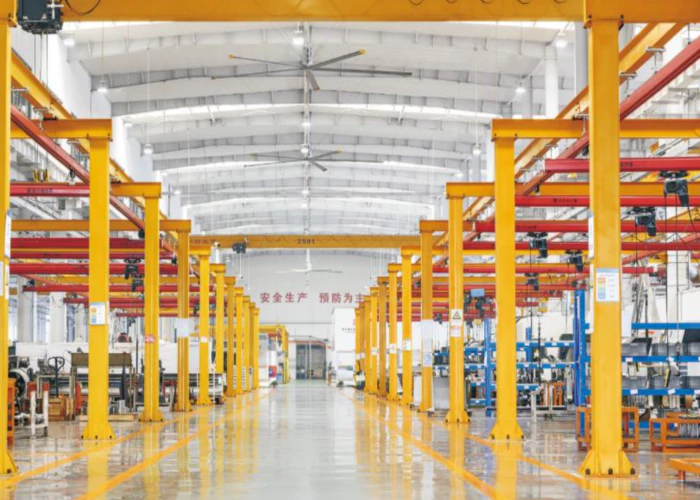
We don’t just assemble; we manufacture. Our facility is equipped with CNC machining centers capable of handling bores from 40mm up to 800mm, though for AWP, we usually sit in the sweet spot of 60mm to 200mm. We understand that “custom” doesn’t have to mean “expensive” if you design for manufacturability (DFM). We work with your engineers to modify standard designs just enough to fit your needs without reinventing the wheel.
Pertanyaan yang Sering Diajukan (FAQ)
How do I know which replacement cylinder fits my JLG boom lift in Florida?
What is the typical lead time for custom AWP cylinders shipping to Europe?
Can you manufacture hydraulic cylinders that withstand Arctic conditions in Canada?
Why is my scissor lift cylinder drifting down when holding a heavy load?
Do you provide volume discounts for aerial platform rental companies in Australia?
What is the cost difference between single-acting and double-acting telescopic cylinders?
Siap untuk Mengupgrade Peralatan Anda?
Don’t let hydraulic failures ground your fleet. Let’s talk specs.