Let’s be honest: operating a crawler dozer for a 10-hour shift is physically brutal. You are sitting on top of 40 tons of steel that is literally hammering against the earth. I’ve climbed into cabs where the vibration was so bad my coffee mug walked itself right off the console. That isn’t just annoying; it’s an Operator Health & Safety lawsuit waiting to happen. The unsung hero in this scenario isn’t the air-ride seat (though that helps); it’s the Cab Suspension Cylinder (or Damping Cylinder) mounted between the ROPS frame and the chassis. Most printers and purchasing agents treat these like standard lift cylinders, but they are completely different animals.
In my 18 years of dealing with mobile hydraulics, I’ve seen that a standard cylinder used in a suspension application will fail in weeks. Why? Because it overheats. A suspension cylinder oscillates thousands of times an hour, just moving a few millimeters. This generates immense internal heat due to friction. The trick is managing that “hysteresis” and ensuring the seals don’t cook. We engineer our Bulldozer Cab Damping Cylinders using a specialized internal buffering structure and high-fatigue carbon steel welds to handle that constant, low-frequency abuse.
👀 See How We Test for “The Bounce.”
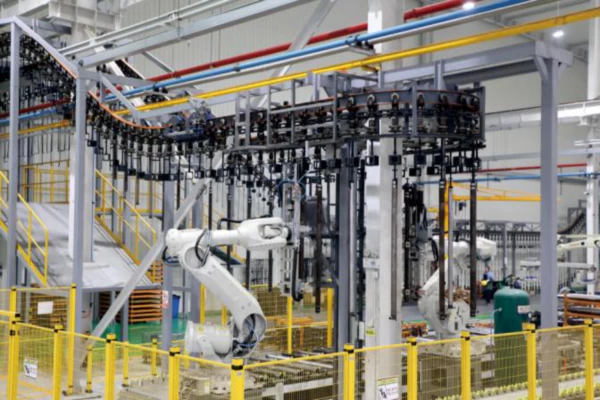
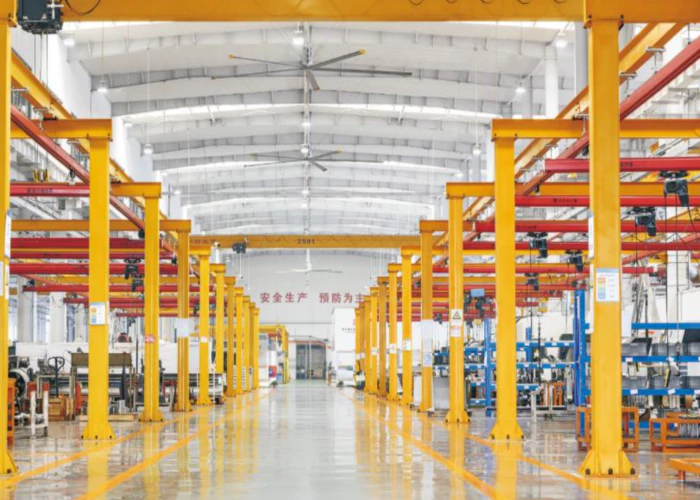
We don’t just guess the damping curves. We’ve digitized our production floor so you can see the fatigue testing benches where we cycle these cylinders millions of times.
Masuklah ke fasilitas kami sekarang juga:
The Science of “The Shake”: Why Standard Cylinders Fail
Let’s look under the hood. The job of a Cab Damping Cylinder is to isolate the operator from the “track gallop”—that rhythmic 3-5 Hz vibration caused by the track pads hitting the ground. A normal hydraulic cylinder is designed to push heavy loads slowly. If you put that on a cab, the ride will be stiff as a board.
Our design incorporates a specific Buffering Structure inside the piston. This usually involves a metered orifice that allows oil to pass from one side of the piston to the other at a controlled rate, converting kinetic energy into heat. This creates the “damping effect.” Material selection is critical here. We use High-Grade Carbon Steel for the barrel, but the welding process is different. Because these cylinders vibrate constantly, the weld seams are subject to high-cycle fatigue. We use a deep-penetration welding technique that prevents the base (cap) from cracking off after 5,000 hours of shaking. Furthermore, the rod plating must be top-tier. Even a tiny rust spot on the rod will tear the seal during those high-frequency micro-movements, leading to gas/oil leaks.
| Fitur | Standard Lift Cylinder | Our Cab Damping Spec |
|---|---|---|
| Fungsi | Force Generation (Push/Pull) | Energy Absorption (Damping) |
| Katup Internal | None (Free Flow) | Integrated Orifice/Throttle |
| Jenis Segel | Cangkir U Standar (Gesekan Tinggi) | Low-Friction PTFE Glide Ring |
| Pelapisan Batang | Hard Chrome (20μm) | Double Chrome + Polish (Ra<0.2) |
| Fluid Type | Hydraulic Oil Only | Oil + Nitrogen Gas (Hydro-pneumatic) |
Silinder ini seharusnya berada di mana?
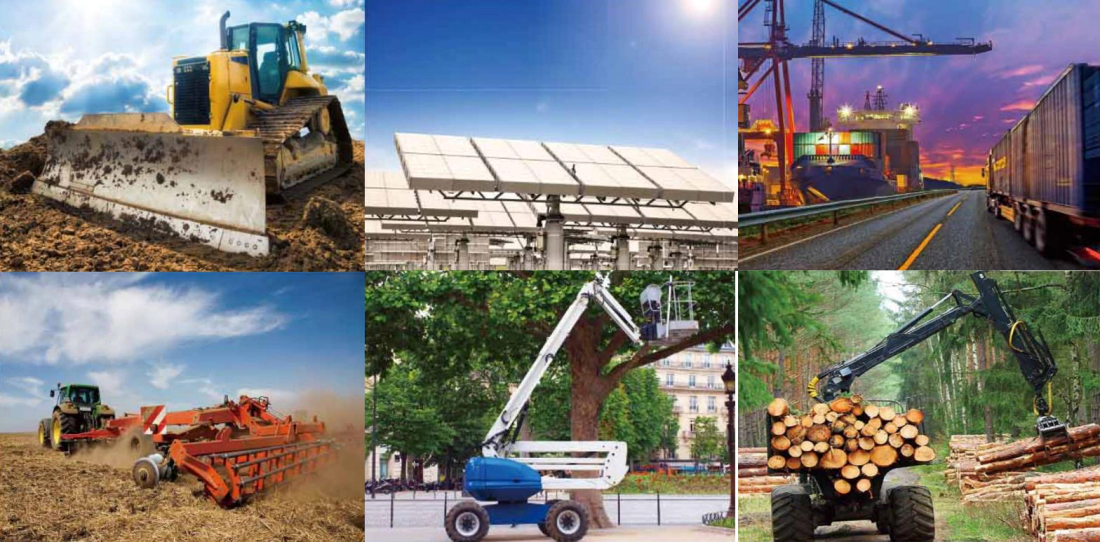
The primary home for these cylinders is the Crawler Bulldozer (Track-Type Tractor). You will usually find four of them mounting the cab to the chassis. But the application goes beyond just dozers. We supply similar damping technology for Mining Haul Trucks (suspension struts), Motor Grader, and even heavy-duty Agricultural Tractors.
In mining environments, the dust is the real killer. It forms a grinding paste on the rod. If the wiper seal isn’t aggressive enough, that dust gets inside and contaminates the damping oil, changing its viscosity. Once the viscosity changes, your “smooth ride” disappears. We’ve seen operators actually refuse to drive machines where the cab dampers had failed because the back pain was unbearable. That’s why we treat these components as “Production Critical”—because if the driver stops, the mine stops.
Case Study: The Nevada Gold Mine Retrofit
Klien: “Great Basin Mining Co.” – operating a fleet of D11T dozers.
The Pain Point: Their operator turnover was hitting 40%. The primary complaint? “Back pain and kidney rattling.” The OEM cab mounts were rubber-block types that had hardened over time, and the hydraulic dampers were leaking. The vibration was transferring straight into the seat.
Solusi Kami: Kami merancang sebuah produk khusus. Hydro-Pneumatic Damping Cylinder retrofit kit.
- ✅ Tuning: Adjusted the internal orifice diameter to dampen the specific 4Hz frequency of their rock ripping operations.
- ✅ Daya tahan: Used a QPQ (Quench-Polish-Quench) nitrided rod for superior corrosion resistance against the alkaline soil.
- ✅ Segel: Integrated a dual-gas seal to prevent nitrogen leakage.
Hasilnya: After 3 months, operator complaints regarding ride quality dropped by 90%. The Maintenance Superintendent, Mike, told us, “The guys are actually fighting over who gets to drive the retrofitted dozer now.”
Umpan Balik dari Lapangan
“We tried rebuilding the OEM cylinders, but they just leaked again. These aftermarket welded units are solid. The ride is noticeably softer.”
— Sarah J., Fleet Manager, Australia
“Good price for a chrome-plated damper. They actually asked me what machine weight we were running to tune the pressure. That’s rare.”
— Carlos M., Parts Procurement, Chile
“Shipping was fast. The mounting eyes lined up perfectly on our old Komatsu D155. No welding required.”
— Kenji T., Mechanic, Japan
Analisis Strategis (SWOT)
Kekuatan
- Custom damping curves for specific terrains.
- High fatigue resistance welded construction.
- Low-friction seal technology (smooth ride).
- Cost-effective compared to OEM struts.
Kelemahan
- Requires accurate machine weight data for tuning.
- Not serviceable (unless specified as threaded gland).
- Nitrogen charging requires special tools.
Peluang
- Retrofitting older mechanical suspension cabs.
- Integration with semi-active electronic control.
- Growing focus on Operator Health & Safety regulations.
Ancaman
- Shift towards full air-ride suspension (pneumatic only).
- Low-quality “spring only” shocks flooding the market.
- Supply chain issues for high-grade seal polymers.
Future Trends: Active vs. Passive Damping
We are seeing a clear shift in the market. Five years ago, everything was Passive Damping (fixed orifice, oil flow). Now, we are getting requests for Semi-Active Damping. This involves a solenoid valve on the cylinder that changes the orifice size based on electronic signals from accelerometers on the cab frame. If the machine hits a big bump, the computer instantly stiffens the suspension to prevent bottoming out. While expensive, this “Smart Cylinder” tech is the future of operator comfort. We are currently prototyping these units for a major OEM.
Custom Tuned for Your Ride
Here is the reality: You can’t just buy a shock absorber off the shelf and expect it to work on a 50-ton dozer. The damping rate needs to match the cab weight and the vibration frequency. We specialize in Custom Tuning. You tell us the machine model and the typical working environment (rock vs. sand), and we adjust the internal valving and nitrogen pressure to give you the perfect balance between stability and comfort.
Pertanyaan yang Sering Diajukan (FAQ)
Why is my dozer cab listing to one side even when parked on flat ground?
In our experience, if your cab is leaning, you’ve likely got a blown internal seal in one of the suspension cylinders, causing it to lose its “static holding” pressure. It’s not just a comfort issue; it puts massive stress on the cab mounts. You need to check if the nitrogen charge (if it’s a hydro-pneumatic unit) is gone or if the piston seal has bypassed oil.
How much does a custom replacement cab damper cylinder cost for a Caterpillar or Komatsu dozer?
It depends on whether it’s a simple spring-assist hydraulic damper or a full hydro-pneumatic strut, but generally, a high-quality carbon steel replacement will run between $300 to $900. OEM parts often mark this up by 40%. Since we manufacture them, you aren’t paying the “yellow paint tax.”
Can you rebuild a sealed cab vibration cylinder, or do I have to buy a new one?
Most printers (manufacturers) weld these units shut to save money, making them “throw-away” items. However, we often engineer our replacements with a threaded gland nut. This means next time the seals wear out in 5,000 hours, you can actually open it up and repair it for $50 instead of buying a whole new unit.
What is the lead time for a custom-built cab suspension cylinder if my machine is down?
We know a parked dozer kills project timelines. For a custom-welded damper where we need to tune the orifice for your specific bounce frequency, we usually need about 20-25 days. If it’s a standard dimension for a D8, D10, or D11 size machine, we might have the raw barrels in stock to expedite that.
Is chrome plating enough for a cab cylinder exposed to mining dust and road salt?
Standard chrome is okay for agriculture, but for mining? No way. We recommend a double-chrome layer or even a Nickel-Chrome plating for these. The rod sits exposed behind the cab, getting blasted by dust. If the rod pits, the gas/oil leaks out. Better plating is the cheapest insurance you can buy.
Stop the Shake. Save Your Back.
Don’t let a bad ride ruin your shift. Upgrade to Heavy-Duty Damping today.