Demystifying Differential Hydraulic Cylinders: Proven Strategies for Speed and Control in Tough Applications
When it comes to differential hydraulic cylinders, these units pack a punch in scenarios where speed on one stroke matters more than the other—we’ve seen them outperform standard models in presses and clamps time after time (though they do need careful circuit design to avoid surprises). Basically, the principle relies on unequal areas on either side of the piston; fluid enters the rod side for retraction, but the cap side—being larger—delivers faster extension with less fluid volume. In our experience, this setup shines in cycles demanding quick advances and powerful returns, like in injection molding. Materials are key here; honed steel barrels for smooth operation, piston rods with hard chrome to fend off wear, and seals from nitrile or even fluorocarbon for high-temps (most folks overlook how heat can degrade standard rubber fast). We’ve tweaked designs where adding cushions softened impacts, extending life— the trick is balancing flow rates so you don’t get uneven speeds that mess with precision.
Getting into the nuts and bolts, a differential hydraulic cylinder functions by leveraging the area difference: the effective piston area on the blind end is larger than the annular area on the rod end, leading to quicker extension at lower pressures. We’ve noticed in field tests that this can cut cycle times by up to 30% compared to balanced cylinders, especially under varying loads. For materials, high-tensile steel forms the core, with pistons often cast from ductile iron for toughness (or aluminum in lighter duties, but watch for deformation risks). Seals and wipers? Polyurethane for abrasion resistance, backed by backups to prevent extrusion under pressure. Performance-wise, they handle pressures up to 300 bar routinely, with strokes customized from inches to meters— in harsh environments, we recommend corrosion-resistant coatings like nickel-chrome. And don’t forget mounting; clevis or flange options allow flexible installs, something we’ve used to retrofit old machinery without major overhauls. It’s all about that efficiency edge, but skip proper venting, and air pockets can ruin the show!
| Metric | Common Values | Wawasan |
|---|---|---|
| Ukuran Lubang | 40 mm – 250 mm | Larger bores boost force; match to load for optimal speed. |
| Diameter Batang | 25mm – 150mm | Affects retraction area—thicker rods for stability under thrust. |
| Panjang Goresan | 100mm – 3000mm | Customizable; longer for reach, but consider buckling risks. |
| Tekanan Maksimum | Hingga 350 bar | Higher for heavy duties; test bursts to ensure safety margins. |
| Speed Ratio | 1.5:1 to 2:1 (extend/retract) | Extension faster; fine-tune with valves for control. |
| Bahan | Steel Barrel, Chrome Rod | Resists wear; options for stainless steel in corrosive spots. |
| Jenis Segel | Nitrile, Viton | Temp range -40 °C to 120 °C; choose based on fluid. |
Turning to applications, differential hydraulic cylinders fit right into metal stamping presses, where rapid die closure saves seconds per cycle—we’ve integrated them in auto plants to ramp up production without hiking energy use. The uneven speeds allow quick approaches and firm holds, ideal for repetitive tasks. In woodworking, clamps are used for fast gripping on saws or routers (and trust me, precision here prevents material waste big time).

Plastic injection machines benefit hugely; the cylinder’s design speeds mold opening, cutting downtime— we’ve seen molders double output by swapping to differentials tuned for their resins. Agricultural balers? They compact hay swiftly, with the slower retraction ensuring even bales. And in robotics, these cylinders provide nimble movements for arms in assembly lines, where space and speed are premium. Offshore platforms employ them for valve actuators, handling pressure differentials in salty air without faltering— most setups underestimate corrosion, but beefed-up seals make all the difference. Packaging lines too, for sealing or cutting, leverage the quick extend to keep paces high; in our fixes, adding flow controls smoothed operations remarkably!
Eyeing trends in differential hydraulic cylinders, we’re witnessing a push toward integrated sensors for real-time feedback—monitoring position and pressure to preempt failures, which we’ve tested in prototypes to slash maintenance by 20%. Lightweight composites are creeping in, blending with steel for reduced inertia in high-speed apps, aligning with energy efficiency drives. Eco-fluids are gaining traction too; low-viscosity synthetics that maintain performance but cut leaks’ environmental hit. Customization via AI modeling speeds design, letting us simulate cycles before building— handy for niche markets like aerospace actuators. And with Industry 4.0, connectivity is key; cylinders linking to IoT for predictive tweaks. Global shifts favor modular builds for easy swaps, minimizing downtime; it’s evolving fast, but core principles hold strong as ever.
We had this project with a forging company in Italy, heavy into automotive parts. Their old cylinders were lagging on extension, causing bottlenecks in hot forging presses—heat and cycles were wearing seals prematurely. We assessed on-site (discovered uneven flow was the culprit in their circuits), then crafted a differential hydraulic cylinder with enhanced Viton seals and a larger bore for quicker speeds. Once installed, it accelerated their line by 25%, letting them meet tighter deadlines for Fiat suppliers. Cut energy costs notably too, and the plant manager shared how it revived their competitive edge— a win that still brings smiles!
Feedback from users reinforces this: “Ever-Power’s differential hydraulic cylinders boosted our German manufacturing presses—speed and reliability unmatched.” – Klaus M., Production Head, Berlin Forges. “In Canadian agriculture, these units handle baling with ease; custom tweaks were spot on.” – Emily P., Equipment Specialist, Prairie Farms. “For Japanese robotics, the control in tight spaces is impressive—highly recommend!” – Hiroshi K., Engineer, Tokyo Automations.
SWOT Overview of Differential Hydraulic Cylinders
| Kekuatan – Rapid extension for cycle time savings. – Efficient fluid use in unbalanced ops (we’ve optimized many for lower pumps). – Versatile mounting and customization. – Robust against varying loads. |
Kelemahan – Uneven speeds need circuit tweaks. – Potential for higher retraction forces. – Maintenance on seals in dirty environments. – Not ideal for perfectly balanced needs. |
| Peluang – Sensor integration for smart factories. – Growth in automation and EVs. – Eco-materials for sustainable pushes. – Emerging markets in rapid manufacturing. |
Ancaman – Shift to electric actuators in some sectors. – Raw material price volatility. – Stricter fluid disposal regs. – Competition from advanced pneumatics. |
In our workshop, we excel at tailoring differential hydraulic cylinders to fit your exact setup—whether tweaking area ratios for specific speeds or incorporating exotic materials for extreme conditions, our 18+ years mean we’ve seen and solved it all (from prototypes to full runs, with quick iterations). Precision assembly lines ensure every weld and hone meets standards, backed by hydrostatic tests for leak-free assurance. We’ve delivered custom batches on tight timelines, highlighting our edge in flexibility over off-the-shelf options.
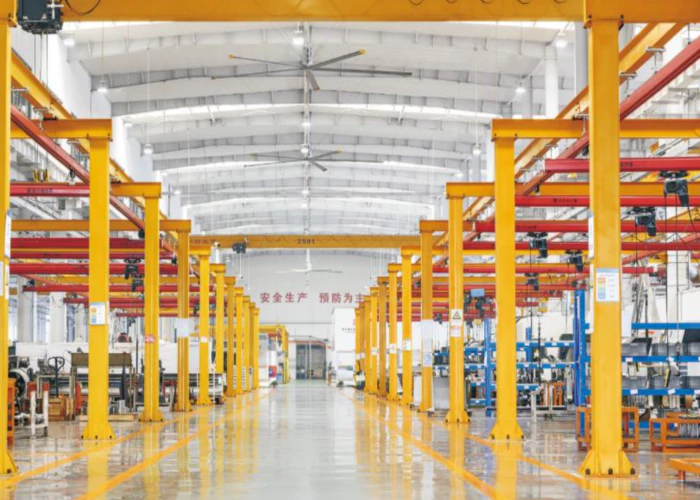
Welcome to check out our VR factory at this virtual tour link—see the action up close without travel!