Keeping It Steady at 40 Meters: The AWP Turntable Rotation Lock Cylinder
You know that sinking feeling when you’re in a basket 40 meters up, the wind picks up off the North Sea, and the platform drifts just a couple of inches? It’s not a good feeling. In my nearly two decades of engineering hydraulic systems, I’ve learned that the turntable rotation lock isn’t just a component; it’s the difference between a confident operator and a work stoppage.
We’ve seen too many generic cylinders slapped onto high-end Aerial Work Platforms (AWPs) that just can’t handle the specific side-loading torque generated during a boom rotation. It’s not just about pushing fluid; it’s about holding tons of steel rigid against the elements. When we design these silinder piston kerja ganda, we aren’t just thinking about lifting power; we are obsessed with the “lock.” That moment when the hydraulic control valve shuts, and the system becomes a solid mechanical link.
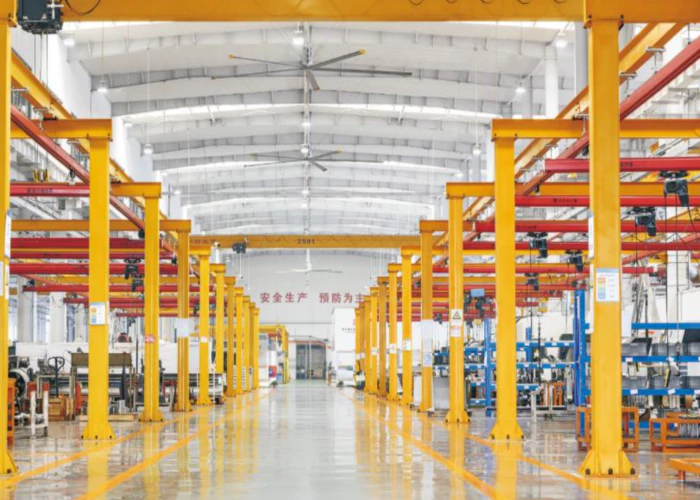
Before we dive into the metallurgy and the flow dynamics that make this work, I want you to see exactly where these units are born. We are big believers in transparency (rare in this industry, I know). Take a walk through our production floor right now—no flight ticket to the factory needed.
👀 Masuklah ke Pabrik VR Kami di Sini
We’d love to show you the precision honing machines and the welding robots that make these cylinders possible. Welcome to the floor!
Why Standard Cylinders Fail on Turntables
Let’s talk shop for a minute. The biggest enemy of a turntable cylinder isn’t pressure; it’s side loading. When an AWP rotates, especially if the boom is fully extended, the leverage exerts massive lateral forces on the rod bearing and the piston seals. Most off-the-shelf cylinders are designed for linear push-pull, not for acting as a stabilizing strut against rotational torque.
In our experience, when you see a lock failure, it’s rarely the steel that snaps. It’s the internal bypass caused by seal deformation under side load. That’s why we moved to a konstruksi las using high-grade alloy steel. Tie-rod cylinders? Forget about them for this application. They stretch, they breathe, and eventually, they leak. A welded body provides the rigidity needed to maintain the integrity of the safety lock mechanism even when the boom is fighting a 30-knot crosswind.
Another trick we use is specific to the surface treatment. Chrome is standard, sure. But for units heading to coastal areas—think of the salt air in Zeeland or the industrial humidity in Rotterdam—we prefer a heavy nickel-plated finish or a specific multi-layer ceramic coating. It costs a bit more, but it prevents the pitting that shreds wiper seals after three years of service.
Case Study: Stabilizing the Giants in South Holland
Klien: “Hoogwerkers Rijnmond B.V.” (Name changed for privacy), a major rental fleet operator servicing the petrochemical refineries near Rotterdam.
Tantangannya: Their fleet of 28m telescopic boom lifts was experiencing “drift” during precision welding tasks. Operators complained that once they stopped rotating, the basket would creep 5-10cm over the next minute. In a refinery, 10cm is the difference between a perfect weld and hitting a live pipe. They suspected the hydraulic valves, but we found the issue was cylinder ballooning and internal bypass.
Solusinya: We retrofitted the turntable locking mechanism with our Custom Double-Acting Alloy Series. We increased the rod diameter by 12% to combat deflection and integrated a zero-leakage pilot-operated check valve directly into the cylinder port block (manifold), eliminating hoses that could swell.
Hasilnya: Drift was reduced to effectively zero. The rental company reported a 40% drop in maintenance calls related to positioning issues over the next 18 months. Plus, the operators stopped complaining about the “wobble,” which is the best metric of all.
Apa Kata Industri
“We used to replace turntable cylinders every 3 years due to seal wear from side-loading. The welded alloy units from Ever Power are on year 5 and still bone dry. The engineering support was real, not just a catalog.”
– Jeroen V., Maintenance Lead, Utrecht
“The hydraulic lock logic is seamless. No chatter when stopping the rotation. It just holds. For our window cleaning clients in Amsterdam, that precision is everything.”
– Piet D., Fleet Manager, Amsterdam
“Getting a custom stroke length for our older machines was easier than I thought. They actually understood the NEN-EN 280 safety standards we have to meet here.”
– Lukas B., Safety Inspector, Eindhoven
Under the Hood: Technical Architecture
Most people just see a metal tube. We see a pressure vessel that needs to act like a structural column. Here is the breakdown of what makes these specific rotation lock cylinders suitable for the heavy demands of the European access market.

| Fitur | Detail Spesifikasi | Manfaat Operasional |
|---|---|---|
| Tipe Silinder | Double-Acting, Welded Construction | Eliminates tie-rod stretch; superior rigidity under side loads. |
| Bahan | High-Tensile Alloy Steel (e.g., 42CrMo4) | High yield strength to resist buckling at full extension. |
| Pelapisan Batang | Nickel-Chrome Plating (min 30 microns) | Extreme corrosion resistance for humid/coastal Dutch climates. |
| Mekanisme Penguncian | Dual Pilot-Operated Check Valve (Manifold Integrated) | “Hydraulic Key” safety; prevents movement if hose bursts. |
| Kit Segel | Low-friction Polyurethane + Guide Rings | Reduces stick-slip effect for smooth rotation starts/stops. |
| Tekanan Maksimum | Up to 350 Bar (Tested to 420 Bar) | Handles pressure spikes from wind gusts or sudden stops. |
The magic is really in the Hydraulic Control Lock. We mount the counter-balance valves directly on the cylinder body. Why? Because if a hose blows out between the chassis and the turntable, you don’t want the basket spinning freely in the wind. By integrating the lock, we ensure the fluid is trapped inside the cylinder until a pilot pressure deliberately opens it. It’s a fail-safe that helps you sleep at night.
Where We Fit In: Critical Applications
While we are talking about AWP turntables, the application of this specific “Lock-and-Hold” technology extends across the equipment landscape. In the Netherlands, where infrastructure maintenance is constant and space is tight, precision is non-negotiable.

- High-Reach Telescopic Booms: The primary use case. The cylinder controls the fine-tuning of the chassis rotation, essential when navigating between buildings in dense urban centers like The Hague.
- Scissor Lift Outrigger Leveling: While not rotating, the same locking technology applies. We adapt these cylinders for auto-leveling systems on uneven Dutch cobblestone streets.
- Bridge Inspection Units: These machines hang under bridges. The rotation lock here is critical—failure means swinging into the bridge structure. The anti-corrosion nickel plating is vital here due to exposure to water spray.
Customization is the New Standard
Here is what most catalogs won’t tell you: standard size rarely fits perfectly when you are doing repairs or upgrading a fleet. You might have a Liebherr or a Genie lift that is 15 years old, and the OEM parts are on a 12-week backorder.
This is where we step in. We don’t just pull from a shelf; we engineer to fit. Do you need a specific port orientation to clear a new hydraulic pump you installed? We move the ports. Do you need a thicker chrome layer because your machines work near the chemical plants? Done. We can reverse-engineer from a drawing or even a damaged sample you send us.
Analisis Produk Strategis (SWOT)
To give you a balanced view (because no product is perfect for everyone), here is how our Alloy Rotation Lock Cylinders stack up in the current market.
Kekuatan
- Safety First: Integrated hydraulic locks prevent drift.
- Daya tahan: Welded alloy construction beats tie-rod designs.
- Ketahanan Korosi: Superior plating for wet climates.
Kelemahan
- Biaya Awal: Higher price point than standard carbon steel units.
- Berat: A heavier build slightly reduces total machine payload capacity.
Peluang
- EU Regulations: Stricter NEN safety norms favor high-spec cylinders.
- Pasar Renovasi: Aging fleets in Europe need better-than-OEM replacements.
Ancaman
- Impor Murah: Low-cost, non-certified units flooding the market.
- Elektrifikasi: Shift to electric linear actuators in smaller AWPs.
Answers to Your Frequent Questions
How do I stop my AWP turntable from drifting in the wind?
That is the classic sign of internal seal bypass. Upgrading to a welded, double-acting cylinder with an integrated pilot-operated check valve is the fix. It mechanically traps the fluid, locking the rotation regardless of wind load.
Can you ship custom hydraulic cylinders to the Netherlands fast?
Absolutely. We supply many clients across the Benelux region. We understand that downtime in ports or construction sites costs massive money, so we prioritize logistics to major hubs like Rotterdam and Amsterdam.
What is the price of a replacement rotation lock cylinder?
It varies based on bore size and valve integration. While I can’t give a flat rate without specs, our direct-from-factory model usually saves you 20-30% compared to buying OEM parts from the big equipment dealers. Hit the quote button for an exact figure.
Why choose nickel-plated cylinders for aerial work platforms?
Standard chrome is fine for a warehouse forklift. But for an AWP outside in the Dutch rain? Nickel plating offers superior resistance to salt and humidity, preventing the rod pitting that destroys seals.
Which hydraulic oil is best for cold Dutch winters?
Great question. In January, standard ISO 46 can get too thick (viscous), making the rotation sluggish. We often recommend High Viscosity Index (HVI) oils or switching to ISO 32 in winter to ensure your safety locks engage smoothly.
Ready to Secure Your Fleet?
Don’t let hydraulic drift compromise your safety standards. Let’s build the perfect cylinder for your machine.
Fast response time • Global Shipping • ISO Certified