Securing the Agricultural Cold Chain Logistics Network
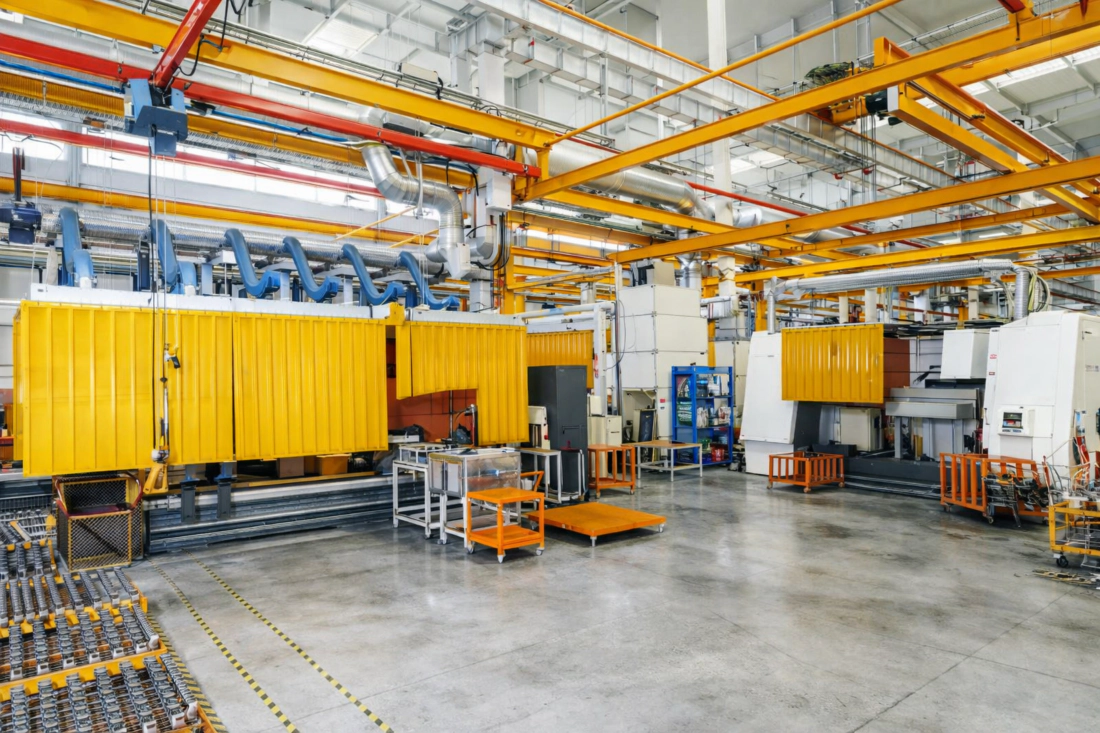
The seamless global distribution of perishable agricultural commodities demands absolute temperature integrity throughout the entire transportation lifecycle. Within the complex architecture of cold chain logistics, the refrigerated truck compartment serves as the primary mobile sanctuary for freshly processed meats, dairy products, and temperature-sensitive produce. The absolute critical vulnerability within this mobile environment is the hermetic sealing of the compartment doors. If a door mechanism fails to maintain continuous, immense compression against the insulated weather stripping, thermal bypass occurs instantly, leading to rapid cargo spoilage and devastating financial losses. Controlling this critical door locking and unlocking sequence requires an actuation mechanism capable of flawless performance within severely cold and perpetually damp environments. We have engineered a highly specialized double-acting small hydraulic cylinder explicitly designed for refrigerated truck compartment door locking applications. This advanced fluid power component delivers the positive mechanical force necessary to actively pull heavy insulated doors perfectly flush against the vehicle chassis, sealing the internal climate from exterior atmospheric fluctuations. Understanding the profound metallurgical and precision machining capabilities required to fabricate these resilient actuators is essential for automotive and machinery designers. We cordially invite our international engineering partners to witness our uncompromising manufacturing standards directly. Immerse yourself in our state-of-the-art production ecosystem by experiencing our Tur Pabrik Realitas Virtual. Step inside to observe the advanced CNC turning centers and automated assembly protocols that establish our global manufacturing superiority.
Double-Acting Kinematics within a Compact Architecture
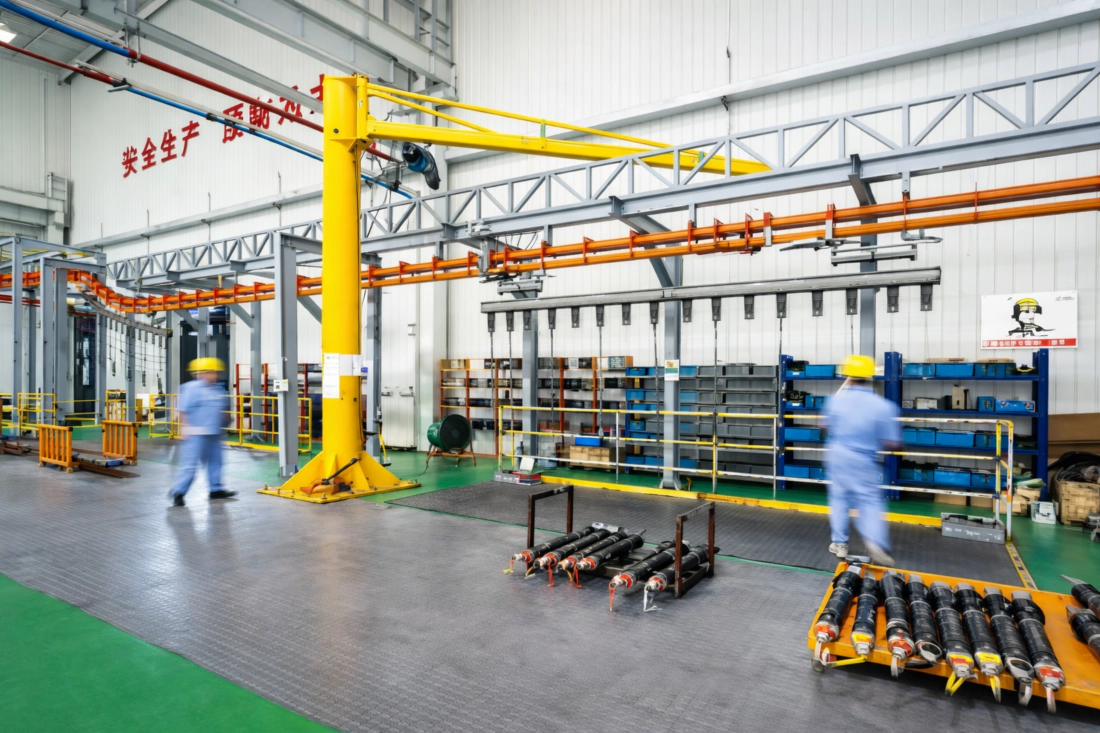
The spatial constraints inherent in commercial vehicle design dictate that any mechanical component integrated into the rear portal frame must possess an exceptionally minimized physical footprint. To satisfy this architectural demand, we utilize a highly optimized small cylinder structure. This compact form factor allows the actuator to be seamlessly concealed within the insulated door panels or the structural pillars of the refrigerated compartment, maximizing available cargo volume while protecting the cylinder from direct physical impacts during forklift loading operations. Despite its miniaturized dimensions, the actuator deploys a rigorous double-acting kinematic mechanism. In the demanding context of door locking, a single-acting spring-return cylinder is fundamentally inadequate; mechanical springs rapidly lose their compressive force when exposed to sustained freezing temperatures, leading to sluggish unlock times or incomplete sealing. The double-acting architecture entirely eliminates this vulnerability by utilizing high-pressure hydraulic fluid to actively power both the extension stroke—which drives the heavy steel locking cams into their receivers—and the retraction stroke, which smoothly disengages the mechanism. This continuous, bidirectional hydraulic authority guarantees that the compartment doors are sealed with deterministic, unyielding pressure, effectively locking out ambient atmospheric heat and maintaining the strict thermal parameters required for agricultural cold chain preservation.
Stainless Steel 304 Defeating Extreme Corrosion
The operational atmosphere encountered at the rear of a refrigerated agricultural transport vehicle is a continuously hostile combination of low temperature and extreme humidity. The cylinder is subjected to freezing road spray, aggressive de-icing salts used on winter highways, and the highly corrosive chemical detergents mandated for washing down food-grade transport compartments. Standard carbon steel hydraulic cylinders, even those with heavy paint coatings, rapidly succumb to this relentless oxidative assault, developing microscopic rust flaking that destroys external wiper seals within months. To definitively eradicate this environmental threat, our engineering protocol mandates the exclusive use of Stainless Steel 304 for the entire cylinder matrix. The inherent chromium content within the SS304 alloy naturally reacts with atmospheric oxygen to form an invisible, self-repairing passive oxide layer that permanently arrests rust formation. Complementing this superior metallurgical selection, the external surfaces and the dynamic piston rod undergo a meticulous mechanical polishing process. Achieving a near-frictionless, highly polished surface topography prevents the aggressive adhesion of ice crystals and frozen condensation during sub-zero transit routes. When the polished rod retracts to unlock the compartment doors, it glides seamlessly through the protective seals without dragging abrasive ice shards into the high-pressure fluid boundary, securing the long-term operational integrity of the refrigerated truck’s locking network.
Overcoming Seal Hardening in Sub-Zero Climates
Rigorous tribological analysis of standard hydraulic actuators operating in commercial cold chain applications reveals a catastrophic typical failure mode: seal hardening. When conventional nitrile or urethane sealing compounds are exposed to the sustained freezing temperatures required to transport frozen meats or deep-chilled agricultural produce, the elastomers hit their glass transition temperature. They lose their inherent elasticity, physically hardening into brittle, plastic-like rings. Once this hardening occurs, the seals can no longer conform to the microscopic imperfections of the piston rod during movement. This instantly initiates high-pressure internal fluid bypass, causing the hydraulic cylinder to lose its grip. The heavy locking cams slowly back off under the vibration of the moving truck, the hermetic seal of the insulated compartment door is breached, and the valuable refrigerated cargo is destroyed by incoming ambient heat. Our engineering division resolves this critical failure mode through a highly specific recommended configuration: the integration of customized low-temperature seal materials. We deploy advanced aerospace-grade fluorosilicone and specialized low-temp PTFE composite sealing architectures. These highly engineered elastomers retain their dynamic flexibility and compressive resilience at temperatures plunging far below -40°C. By deploying these advanced low-temperature sealing materials, we guarantee that the small hydraulic cylinder maintains an absolute, leak-free fluid boundary, ensuring the compartment doors remain irrevocably locked and thermally sealed regardless of the external environmental extremes encountered during long-haul agricultural transportation.
Spesifikasi Teknik & Matriks Kinerja
| Parameter Teknik | Data Spesifikasi Teknis | Cold Chain Logistics Advantage |
|---|---|---|
| Prinsip Aksi | Kontrol Aktif Kerja Ganda | Provides deterministic hydraulic force to both engage and disengage locking cams. |
| Jenis Struktur Fisik | Small Cylinder Architecture | Optimized minimal footprint easily conceals within insulated commercial door panels. |
| Matriks Material Inti | Stainless Steel 304 Alloy | Forms a passive oxide barrier completely immune to acidic food-grade washdowns. |
| Profil Perlakuan Permukaan | High-Precision Polishing | Eliminates surface adhesion points for freezing condensation and road salt. |
| Peringkat Lingkungan | Low Temperature + Humid | Engineered specifically to survive freezing road spray and refrigerated conditions. |
| Fungsi Mesin Utama | Control Door Lock / Unlock | Compresses heavy weather stripping to guarantee an absolute hermetic cargo seal. |
| Target Mode Kegagalan Khas | Seal Hardening Prevention | Mitigates catastrophic fluid bypass caused by frozen, brittle elastomeric lips. |
| Konfigurasi Perlindungan yang Direkomendasikan | Low-Temperature Seal Materials | Fluorosilicone compounds retain absolute flexibility and sealing integrity below -40°C. |
Infrastruktur Manufaktur Kustom Tingkat Lanjut di Tiongkok
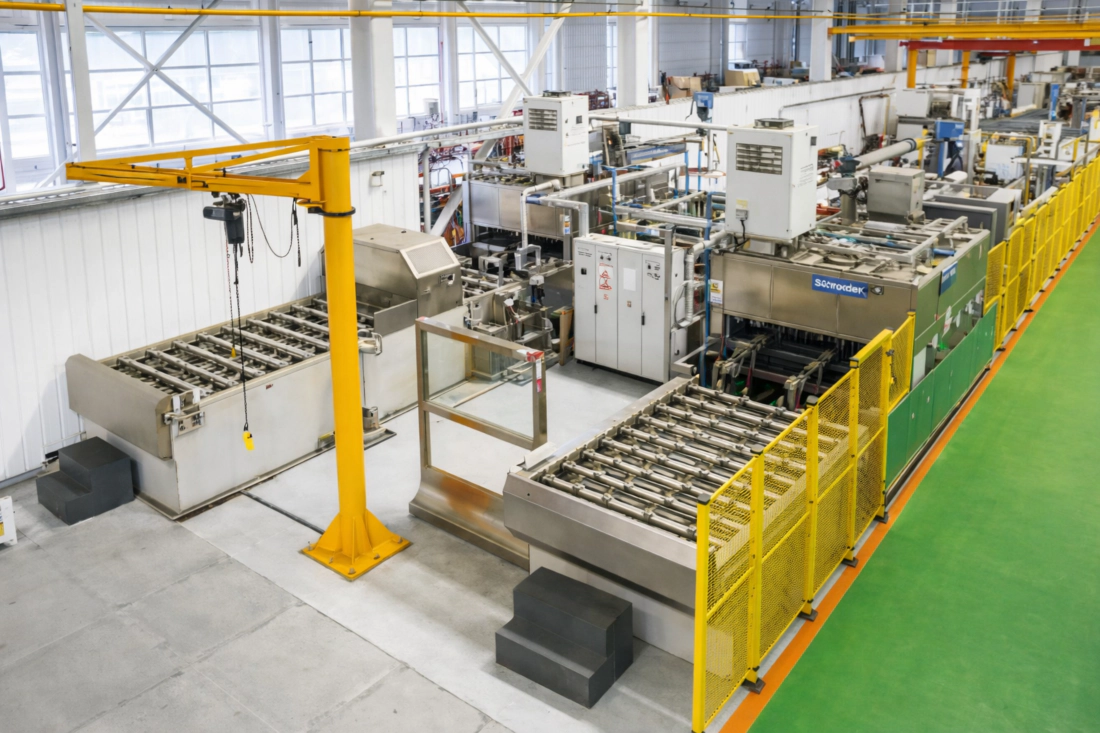
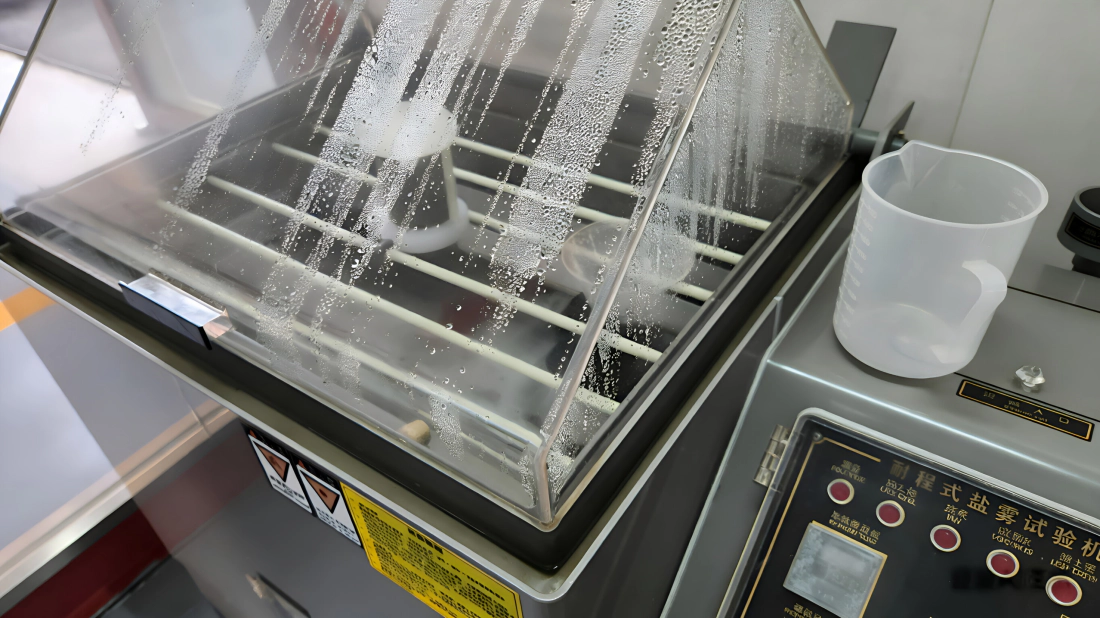
The structural dimensions and kinetic requirements of refrigerated truck compartment doors are intensely proprietary to different commercial vehicle manufacturers. An off-the-shelf hydraulic component frequently fails to integrate cleanly with specialized cam-locking mechanisms or unique insulated door thicknesses. Recognizing this extreme variability, our highly advanced manufacturing facilities located strategically in China serve as a global epicenter for profound, engineering-driven customization. Our technical application engineers collaborate extensively with international transport designers to fabricate completely bespoke double-acting small hydraulic cylinders tailored identically to their distinct locking geometries. Whether your specific vehicle design requires an ultra-short stroke length, specialized threaded mounting extremities integrated directly into the Stainless Steel 304 body, or highly specific low-temperature seal formulations designed to survive arctic transport routes, our Chinese manufacturing hubs execute these exact requirements with absolute precision. This immense capability is fueled by a vertically integrated industrial ecosystem featuring cutting-edge multi-axis CNC turning centers, automated polishing lines, and rigorous computerized low-temperature endurance testing chambers. We empower global refrigerated vehicle builders to rapidly prototype, validate, and confidently scale the production of specialized door locking cylinders that dramatically elevate the reliability and thermal efficiency of their agricultural transport fleets.
Global Field Validation: Preserving the Cold Chain
Advanced theoretical engineering must ultimately survive the unforgiving realities of relentless industrial deployment. A massive agricultural logistics consortium operating a massive fleet of refrigerated transport vehicles across the extreme winter climates of North America faced a severe systemic crisis. Their compartment doors were mysteriously unlatching during long highway transits, breaking the thermal seal and resulting in millions of dollars in spoiled fresh produce. Intensive analysis revealed that their standard hydraulic locking cylinders were suffering from catastrophic seal hardening; the intense sub-zero ambient temperatures caused the basic rubber seals to freeze and shatter, allowing the hydraulic locking pressure to bleed off entirely. Our specialized engineering division deployed highly customized double-acting small hydraulic cylinders fabricated entirely from polished Stainless Steel 304. We strictly implemented the recommended configuration, utilizing advanced aerospace-grade low-temperature seal materials that remain structurally supple at -45°C. Following the full fleet integration of these precision components, the logistics consortium documented an unprecedented zero-percent thermal breach rate over four consecutive brutal winter seasons, completely rescuing their agricultural cold chain delivery schedules and eliminating product spoilage claims.
Northern Agri-Logistics (Canada)
Director of Fleet Operations
“The seal hardening we were experiencing in deep winter was a continuous nightmare. Integrating these custom cylinders with the specific low-temperature seal materials solved the fluid bypass issue instantly. The doors stay locked shut, keeping our cargo perfectly frozen.”
Transportasi Dingin Eropa (Jerman)
Perancang Mekanik Senior
“The chemical washdowns we use on our food-grade trucks were rusting our old carbon steel lock cylinders within months. Utilizing Stainless Steel 304 with that polished surface makes these units absolutely immune to corrosion. They look and operate like new after a year of heavy use.”
Oceanic Fresh Haulers (Australia)
Pemimpin Pengadaan Global
“Partnering with their advanced manufacturing hub in China was a strategic win for us. Their ability to deliver customized double-acting small cylinders that fit precisely into our existing door pillars without any structural modifications saved us incredible amounts of assembly time.”