Servo-Driven Hydraulic Cylinders for Hydrogen Diaphragm Compressors
Precision Actuation for the High-Pressure Hydrogen Economy: Reliability at 900 Bar
The global transition toward green energy has placed the hydrogen diaphragm compressor at the epicenter of the renewable infrastructure. Unlike traditional reciprocating compressors, diaphragm units ensure 100% oil-free gas compression, a non-negotiable requirement for fuel cell applications. The hydraulic cylinder driving this diaphragm is not merely a force generator; it is the heartbeat of the system. It must convert rotary or linear motion into a precise, pulsating hydraulic fluid column that flexes the metal diaphragm to compress hydrogen gas to pressures exceeding 900 bar (13,000 psi).
Operating in this environment requires an engineering philosophy that transcends standard industrial hydraulics. The cylinder acts as the boundary between the hydraulic oil and the triple-diaphragm sandwich. Any failure in the piston actuation or sealing integrity leads to catastrophic cross-contamination or the rupture of the diaphragm itself. We design our High-Pressure Servo Hydraulic Cylinders using a specialized welded alloy steel architecture, specifically calibrated to withstand the high-frequency cyclic loading inherent to compressor duties. By integrating servo-quality feedback capabilities and advanced FFKM sealing, we address the twin challenges of thermal degradation and compression fatigue.
Reliability in the hydrogen sector is synonymous with safety. Our manufacturing process involves rigorous non-destructive testing (NDT) to ensure the cylinder body can handle the immense hydrostatic shock loads generated during the discharge phase of the compression cycle.
Verifikasi Manufaktur Imersif
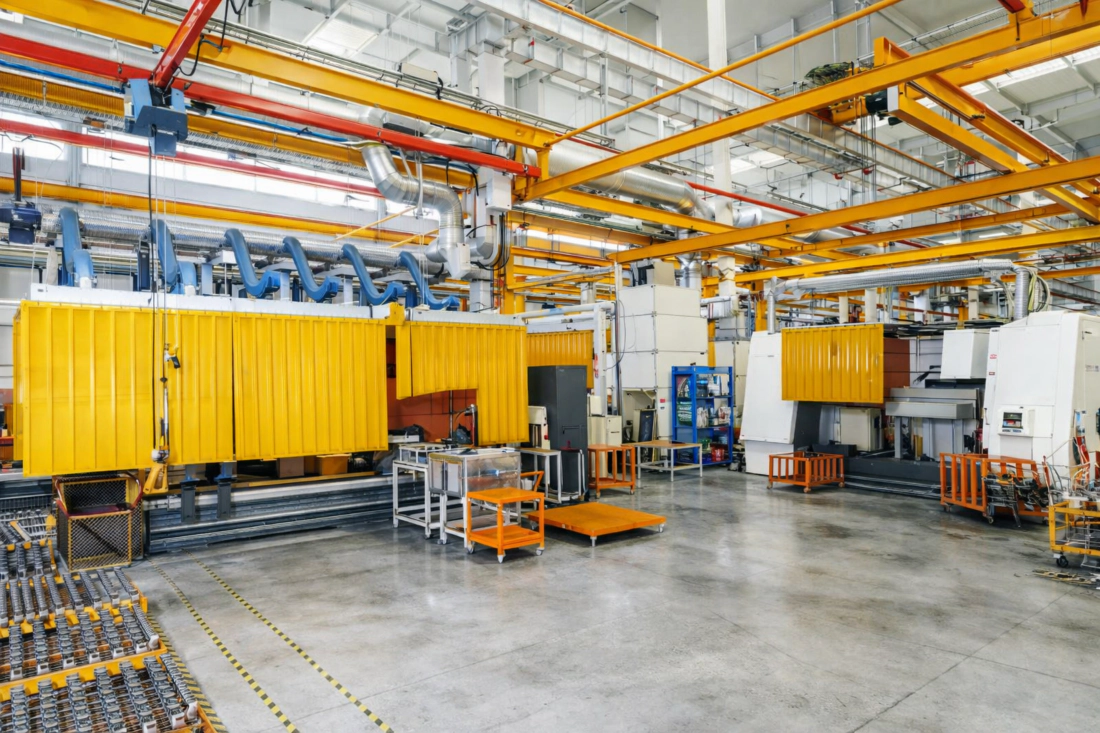
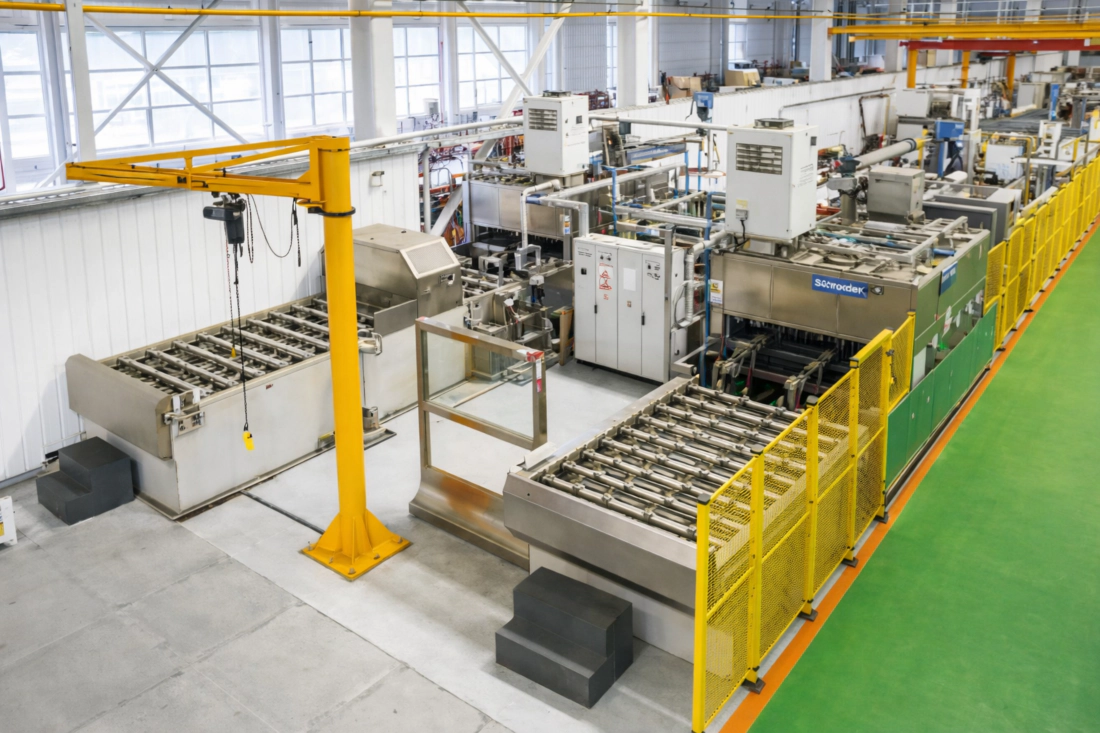
In the high-stakes world of hydrogen infrastructure, trust is built on transparency. We invite you to step virtually onto our production floor. Witness the precision honing of our alloy steel barrels and the clean-room assembly of high-pressure seals without leaving your office.
The Physics of Compression: Structural Engineering
The hydraulic cylinder in a diaphragm compressor does not push a load in the traditional sense; it displaces a specific volume of oil to flex a metal plate. This requires exceptional volumetric efficiency. We utilize a Double-Acting Servo Piston Design. Unlike standard plungers, the servo-piston configuration allows for precise control over the compression stroke and the return (suction) stroke, minimizing the “dead volume” of oil and maximizing the compression ratio of the hydrogen gas.
Material selection is critical. While the cylinder does not contact hydrogen directly, the surrounding environment in a Hydrogen Refueling Station (HRS) can be corrosive. We manufacture the cylinder body from High-Grade Alloy Steel (42CrMo4 or equivalent), which is normalized and tempered to achieve superior tensile strength. The internal bore undergoes a specialized honing process to achieve a mirror finish, reducing the friction coefficient and heat generation—a vital factor when compressing gases where adiabatic heating is a concern.
The welding structure is another point of differentiation. We employ full-penetration robotic welding for the cylinder base and ports, ensuring the assembly can withstand pressure spikes that often exceed the rated working pressure by 1.5x during startup transients.
Strategic Advantages: The Ever Power Difference
Teknologi Penyegelan FFKM
Standard nitrile seals fail under the high-temperature conditions generated by rapid gas compression. We integrate Perfluoroelastomer (FFKM) seals and aerospace-grade PTFE glide rings. These materials withstand temperatures up to 250°C and are chemically inert, preventing seal degradation from hydraulic fluid additives.
Optimized Oil Distribution
The cylinder head features custom-machined oil distribution channels. This design ensures uniform pressure application across the diaphragm surface, extending the life of the diaphragm by preventing localized stress concentrations and ensuring consistent gas discharge rates.
Chrome Plating & Finish
To combat the external environment of industrial gas plants, the piston rod is plated with hard chrome (thickness > 30μm) and polished to Ra 0.2. This ensures low friction operation and protection against atmospheric corrosion, vital for outdoor compressor skids.
Global Impact: Case Study
Project: 700 Bar Hydrogen Refueling Station (HRS) Network, South Korea
Tantangannya: A major gas infrastructure provider in Seoul was experiencing frequent downtime with their diaphragm compressors. The original hydraulic cylinders were suffering from “seal extrusion” due to the rapid pressure cycling required to fill fuel cell vehicles (FCEVs). The leakage was causing a drop in hydraulic pressure, leading to incomplete diaphragm deflection and slow fueling times.
Solusinya: Ever Power collaborated with the compressor OEM to retrofit the system with our Servo-Piston Cylinders featuring the “H2-Ready” seal kit (FFKM/PTFE hybrid). We also increased the rod hardness to HRC 60 to prevent scoring.
“The volumetric efficiency of our compressors improved by 12% after installing Ever Power cylinders. The station availability has hit 99% this year.”
— Kim Min-Su, Regional Operations Director
“We needed a customized flange to fit our legacy compressor frames. Ever Power delivered the modified design in 3 weeks. Exceptional agility.”
— Park Ji-Hoon, Maintenance Engineer
“The seal longevity is the real game-changer. We used to change seals every 2000 hours; now we are pushing 6000 hours easily.”
— David Weber, Technical Consultant (EU Partner)
Spesifikasi Teknis & Parameter
| Parameter | Detail Spesifikasi |
|---|---|
| Tipe Silinder | Double-Acting Servo Piston Cylinder |
| Material Body | High-Strength Alloy Steel (42CrMo4) |
| Batang Piston | Hard Chrome Plated (>30μm), Polished Ra<0.2 |
| Tekanan Operasi Maksimum | 250 Bar (Hydraulic Side) / Supporting 900 Bar Gas Load |
| Sistem Penyegelan | FFKM + PTFE Hybrid (High Temp/Chemical Resistant) |
| Stroke Frequency | High Cycle Compatible (up to 400 rpm equivalent) |
| Gaya Pemasangan | Flange (Front/Rear), Foot Mount, Custom |
Skenario Aplikasi Kritis
Our cylinders are engineered for the entire hydrogen value chain. In Hydrogen Production Plants, they drive the large-scale diaphragm compressors used to bottle green hydrogen generated from electrolysis. The reliability here ensures continuous production runs without unplanned maintenance stops.
More critically, in Hydrogen Refueling Stations (HRS), the compressor acts as the booster to reach the 350 bar (heavy duty) or 700 bar (passenger vehicle) storage pressures. The hydraulic cylinder must operate with stop-start precision as vehicles arrive and depart. Our low-friction design ensures that the compressor can ramp up quickly without thermal shock to the hydraulic fluid.

Keunggulan Manufaktur di Cina
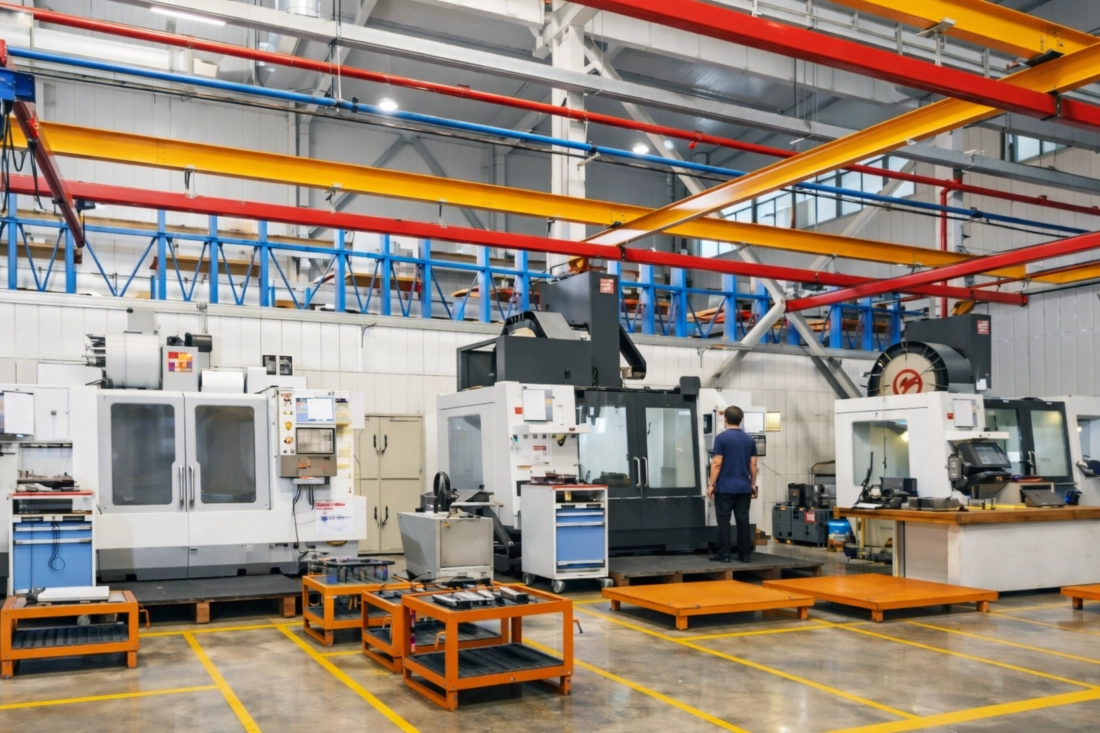
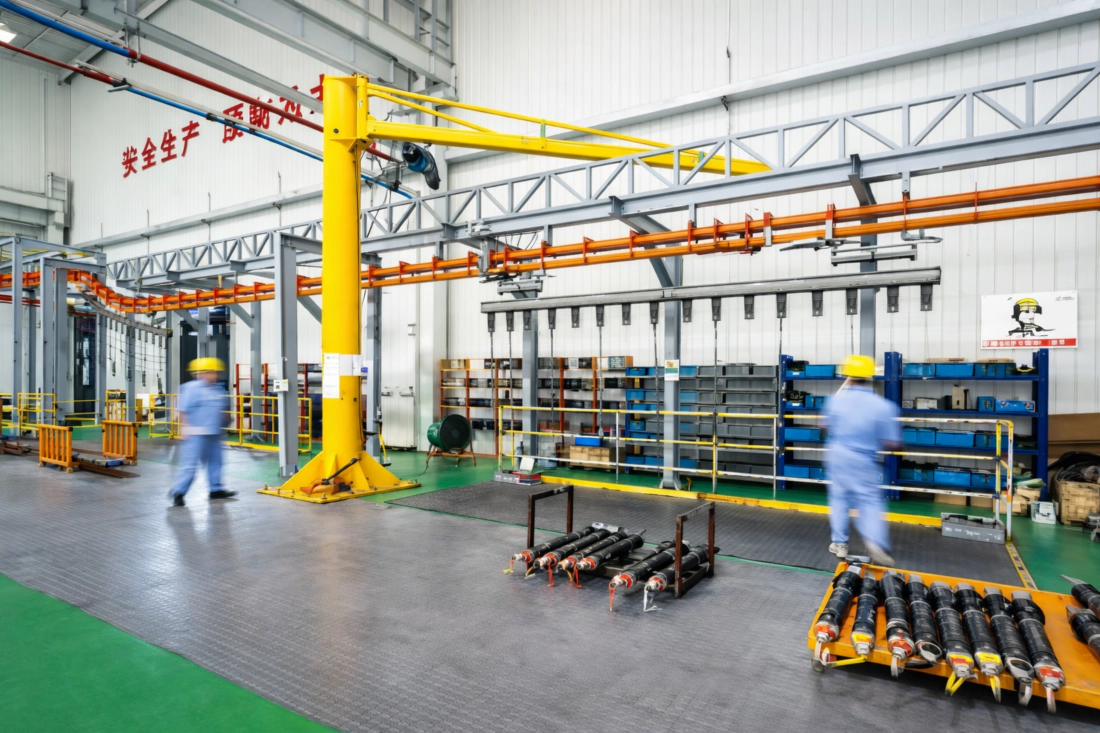
As a premier manufacturer located in China’s advanced industrial zone, Ever Power offers a strategic advantage to global OEMs. We control the entire supply chain, from the sourcing of premium alloy steels to the final test bench verification. Our facility is equipped with CNC machining centers capable of micron-level tolerances, essential for the fitment of high-pressure seals.
We understand that diaphragm compressors often require unique mounting geometries or port configurations. Our “Design-to-Spec” service allows us to produce custom prototypes within 20 days. Whether you are in Europe, North America, or Asia, our logistics team ensures seamless delivery of heavy-duty components.
Pertanyaan yang Sering Diajukan
What type of seals do you recommend for high-pressure hydrogen compressor cylinders?
Can your cylinders withstand the continuous duty cycle of a hydrogen production plant?
How do you prevent hydraulic oil from contaminating the hydrogen gas?
What is the typical delivery time for custom compressor cylinders from China?
Powering the Future of Hydrogen
The reliability of your compressor depends on the quality of its actuation. Partner with Ever Power for hydraulic solutions that meet the rigorous demands of the hydrogen economy.