Why standard hydraulics melt under vibration, and how 42CrMo + Ceramic is the only way to hold onto that sheet pile.
If you have ever stood next to a 50-ton vibratory hammer driving a sheet pile into hard clay, you know it feels like an earthquake. Now, imagine being the hydraulic cylinder whose only job is to hold onto that pile while being shaken at 3,000 cycles per minute. It is a brutal existence. In my 18 years of engineering hydraulic solutions for the piling industry, I’ve seen clamp cylinders fail in ways that would make a textbook engineer cry. Bolts sheared off, rods snapped like twigs, and seals melted into a black goo. Most printers and catalog suppliers don’t realize that a Vibratory Hammer Clamp Cylinder isn’t just about clamping force; it’s about surviving “high-cycle fatigue” and extreme thermal buildup.
The trick isn’t just making it bigger; it’s about the materials. We stopped using standard ST52 steel for these applications years ago. It’s too soft. When the vibration starts, the micro-flexing in the barrel weld creates heat—lots of it. That’s why our flagship clamp cylinders are built from 42CrMo (Kromium-Molibdenum) steel with a specific focus on the “Rodless Chamber” heat dissipation. You need to get that heat out before it cooks the oil. It’s a niche product, sure, but when your $500,000 pile driver is sitting idle because a $500 cylinder seal failed, you realize just how critical this component is.
👀 Lihat Tempat Pembuatan Musik Heavy Metal
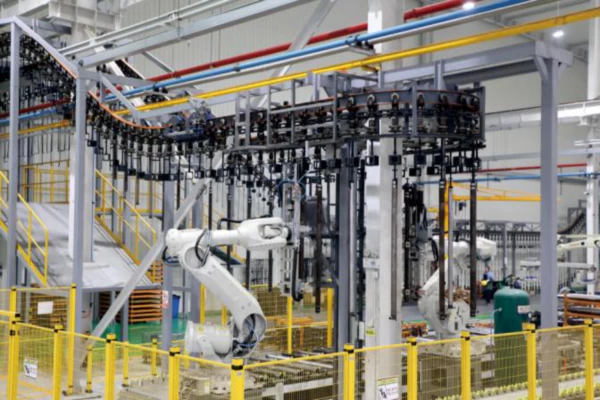
We don’t just talk about quality; we digitized our entire production floor so you can verify it. Walk up to our welding robots and inspect the chrome plating tanks yourself.
Step into the factory right now:
The Science of “The Shake”: Why We Build Them Differently
Let’s get into the weeds a bit. The primary enemy of a Clamp Cylinder isn’t the pressure (usually around 350 bar); it’s the acceleration forces (G-force). When a vibratory hammer oscillates, the piston inside the cylinder wants to stay still due to inertia, while the barrel moves. This creates a rapid “pumping” effect even when the valve is locked. This micro-movement generates internal friction heat, causing the hydraulic fluid temperature in the rodless chamber to spike rapidly. We’ve seen internal temperatures hit 120°C in minutes, frying standard NBR seals.
To combat this, we utilize 42CrMo steel, which is Quenched and Tempered (Q+T). This material has a much higher fatigue limit than standard steel, meaning it can survive millions of stress cycles without developing hairline cracks at the weld seams. Furthermore, we address the rod surface. Chrome is great, but under high-frequency vibration, it can flake. We often recommend a Ceramic Coating (like Lunac) for the piston rod. Ceramic is electrically insulating and doesn’t suffer from the same fatigue pitting as chrome. It’s a premium feature, but if you are working in abrasive sand or saltwater, it pays for itself in one project.
| Fitur | Silinder Standar | Our “Vibe-Master” Spec |
|---|---|---|
| Bahan Laras | ST52 / 1026 Steel | 42CrMo (Kekuatan Tarik Tinggi) |
| Pelapisan Batang | Krom Standar (20μm) | Ceramic Coating / Double Ni-Cr |
| Welding Tech | Standard MIG | Deep Penetration Friction/TIG |
| Anjing laut | NBR (Max 100°C) | Viton / PTFE (Max 200°C) |
| Peringkat Getaran | Static / Low Cycle | High Frequency (>3000 vpm) |
Di manakah letak silinder ini?
The most common habitat for this cylinder is the Excavator Mounted Vibratory Hammer. You see these on riverbanks, driving sheet piles for cofferdams, or in city centers for foundation work. The clamp cylinder is what grips the sheet pile. If it loses pressure, the pile drops—safety nightmare number one.
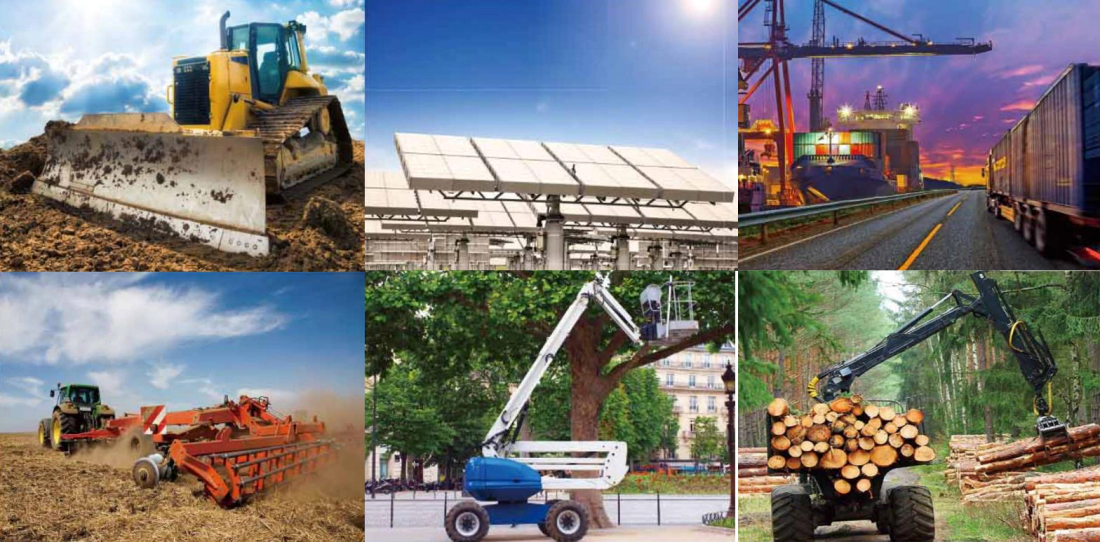
Another critical application is in Offshore Wind Farm Construction. The monopiles are huge, and the hammers are massive. The salt spray combined with the vibration creates a corrosive grinding paste that eats standard rods. Our ceramic-coated variants are specifically designed for this marine environment. We also see them used in “resonance-free” hammers, which vibrate at even higher frequencies to avoid damaging nearby buildings. These high-frequency units generate even more heat, making our heat-dissipating rodless chamber design essential.
Case Study: The Manila Bay Reclamation Project
Klien: “Pacific Foundation Specialists” – A major piling contractor in the Philippines.
Tantangannya: They were driving 18-meter steel sheet piles into dense, saturated sand. The resistance was immense. Their existing vibratory hammers (equipped with standard OEM cylinders) were overheating every 2 hours. The clamp cylinders were losing holding force due to seal degradation from the heat (measured at 135°C), causing the piles to slip. Downtime was costing them $4,000 a day.
Solusinya: We supplied a set of custom 42CrMo High-Frequency Clamp Cylinders.
- ✅ Cooling: Designed a larger oil reservoir in the rodless chamber to act as a heat sink.
- ✅ Anjing laut: Switched to a Parker composite PTFE profile capable of running dry for short periods.
- ✅ Locking: Integrated a heavy-duty pilot check valve directly into the cylinder body to prevent hose-burst drops.
Hasilnya: The operating temperature dropped to a manageable 85°C. The hammers could run continuously for 6-hour shifts without stopping. The Project Manager, Mr. Tan, told us, “It’s the first time we haven’t had to carry spare cylinders in the back of the truck.”
Apa Kata Industri
“The ceramic rod is a game-changer. We work in sandy rivers, and usually, the chrome gets sandblasted off in a month. These look new after six months.”
— John D., Equipment Rental Owner, Texas, USA
“Fast shipping to Singapore. The dimensions were exact for our PVE hammer. No modifications needed.”
— Lim Wei, Site Engineer, Singapore
“They know about the heat issues. Most suppliers just sell you a cylinder. Ever Power asked about our vibration frequency first. That’s expertise.”
— Hans Mueller, Piling Contractor, Germany
Analisis Strategis (SWOT)
Kekuatan
- High fatigue resistance (42CrMo).
- Superior heat dissipation design.
- Ceramic coating prevents flaking.
- Custom fit for major hammer brands (ICE, PVE, PTC).
Kelemahan
- Higher initial investment cost.
- Heavier component weight due to thick walls.
- Ceramic coating requires specialized repair if damaged.
Peluang
- Global infrastructure boom (bridges, ports).
- Rising demand for offshore wind piling.
- Integration of clamp pressure sensors (IoT).
Ancaman
- Low-cost, low-quality steel substitutes.
- Fluctuation in Molybdenum prices.
- Shift towards non-hydraulic pressing methods.
Where is Piling Tech Heading?
The industry is pushing for higher frequencies. We are seeing a move from 2300 vpm (vibrations per minute) to over 3000 vpm to penetrate harder soils without resonance damage. This exponential increase in frequency means the Clamp Cylinder has to withstand exponentially higher G-forces. We are currently testing new “Smart Cylinders” with embedded strain gauges that can tell the operator if the clamp is slipping *before* the pile drops. It’s predictive maintenance, and it’s the future.
Custom Built for Your Rig
Here is the reality: Every hammer is slightly different. Maybe you have a modified jaw, or you are clamping H-beams instead of sheet piles. Off-the-shelf cylinders often don’t fit quite right. That’s where we shine. We can customize the jaw mounting interface, adjust the stroke to give you more opening width, or re-orient the ports to keep hoses away from the vibration danger zone.
Pertanyaan yang Sering Diajukan (FAQ)
Why do standard hydraulic cylinders overheat and fail when used on high-frequency vibratory hammers?
It is all about hydraulic hysteresis and internal friction. When you vibrate a cylinder at 3000 RPM, the oil molecules rub against each other and the seals at insane speeds, generating massive heat. Standard cylinders aren’t designed to shed this heat, leading to seal cooking. Our design focuses on the rodless chamber heat dissipation to keep operating temps manageable.
Is a ceramic rod coating really better than hard chrome for sheet piling applications in sandy soil?
In our experience, absolutely. Hard chrome is great, but under high-frequency vibration, it can develop micro-cracks. Once sand gets into those cracks, it flakes off like old paint. Ceramic coatings are chemically bonded and much harder, resisting both the abrasion from the sand and the shock loads from the pile driving.
What is the typical lead time for a custom 42CrMo clamp cylinder if we need it for a project starting next month?
We know construction schedules don’t wait. For a custom-welded 42CrMo cylinder, we typically look at 3 to 4 weeks for production because of the specialized heat treatment required. However, for urgent breakdown situations, we have an expedited track that can sometimes get it out the door in under 20 days.
Can you manufacture a replacement clamp cylinder for a PVE or ICE vibratory hammer without the original part number?
Yes, we do this daily. Most of the time, the ID plates are shaken off anyway! We just need the physical dimensions—pin diameter, mounting distance, and port locations. We can reverse engineer it and often upgrade the internal sealing system to modern standards while we are at it.
How much does a heavy-duty vibratory hammer clamp cylinder cost compared to a standard agricultural cylinder?
You are comparing a tank to a bicycle. A proper vibration-resistant cylinder with 42CrMo steel and Parker heavy-duty seals will cost 30-40% more than a standard unit. But considering a standard unit will fail in 4 hours on a pile driver, the cost per hour of operation is actually much lower with the heavy-duty version.
Don’t Let the Vibration Stop You.
Secure your piles with the toughest cylinder on the market. Let’s talk specs.