The structural integrity and directional stability of modern agricultural transport systems dictate the operational rhythm of global farming enterprises. When navigating massive, multi-ton agricultural trailers across unpredictable terrain or transitioning to high-speed paved transit, mastering kinetic control is paramount. The trailer’s front steering axle, designed for tight field maneuvering, becomes a severe liability during high-speed towing or complex reversing operations, creating uncontrollable swaying and jackknifing risks. Securing this pivoting axle requires a highly responsive, unyielding mechanical intervention. Actuating the heavy steel locking pins that immobilize the steering geometry demands a fluid power solution engineered specifically for high-force density within exceptionally confined spaces: the double-acting small piston hydraulic cylinder. This specific actuator represents the pinnacle of precision force delivery, ensuring the agricultural trailer transitions seamlessly between agile field mode and rigid highway mode. Operating in environments saturated with abrasive particulates, these cylinders must transcend standard industrial specifications.
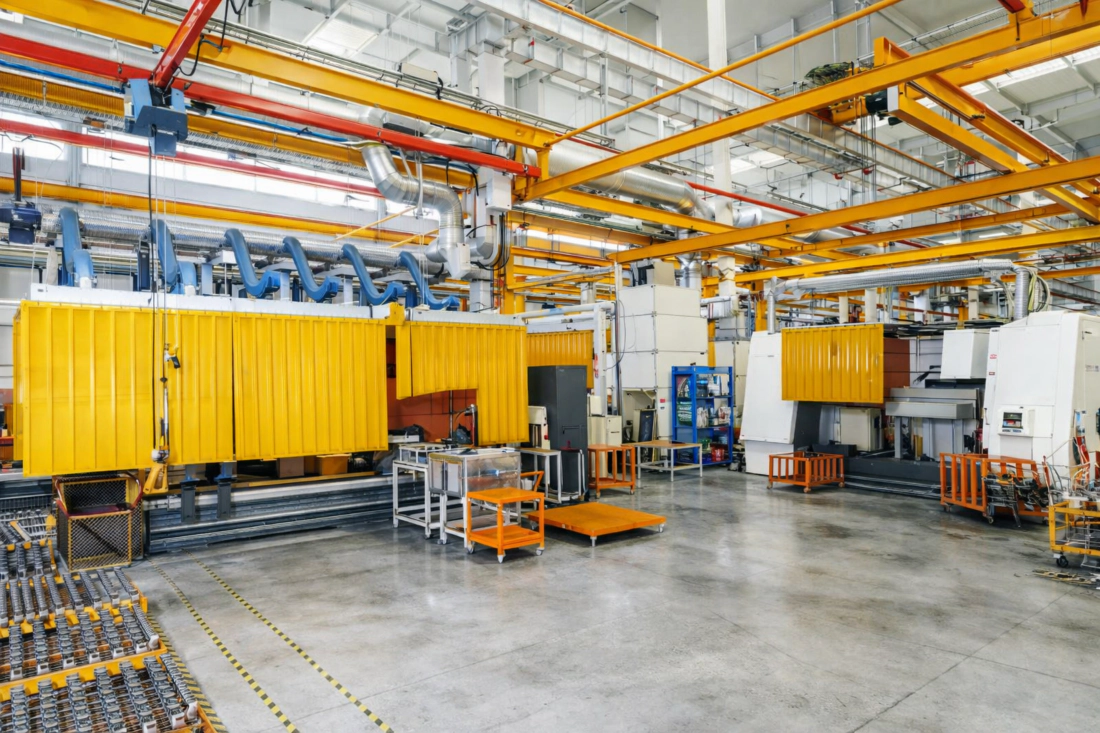
Translating advanced fluid dynamic theory into a physical, highly reliable mechanical asset requires a manufacturing infrastructure built upon uncompromising precision. As a premier hydraulic component developer located in China, our production methodologies leverage sophisticated computer numerical control (CNC) machining centers, automated metallurgical testing, and rigorous fluid bypass diagnostics. Understanding the exact manufacturing journey of your double-acting small piston hydraulic cylinder establishes the critical technical trust required for complex industrial integrations. We enthusiastically invite fleet operators, mechanical architects, and engineering procurement directors to explore our state-of-the-art production ecosystem digitally. By interacting with our digital twin facility, you can observe the exact dimensional quality control protocols that guarantee our fluid power components outperform field expectations. Welcome to visit our VR factory here: हमारे उन्नत वर्चुअल मैन्युफैक्चरिंग हब का अनुभव करें. We stand ready to convert your precise vehicle schematics into highly optimized mechanical realities.
Kinematic Authority: The Double-Acting Small Piston Architecture
Executing a secure interlock on a heavy agricultural trailer requires absolute control over the mechanical actuation profile. The double-acting configuration provides this uncompromising authority. By actively directing pressurized hydraulic fluid to alternate sides of the internal piston, the system powers both the extension stroke, driving the heavy steel locking pin through the steering mechanism, and the retraction stroke, forcefully extracting the pin to restore full pivot capabilities. Relying on gravity or single-acting mechanical springs to retract a locking pin in a debris-filled environment is an engineering miscalculation that frequently results in jammed mechanisms and dangerous steering failures. The double-acting architecture guarantees positive engagement and disengagement, cutting through accumulated mud and field debris with thousands of pounds of hydraulic force.
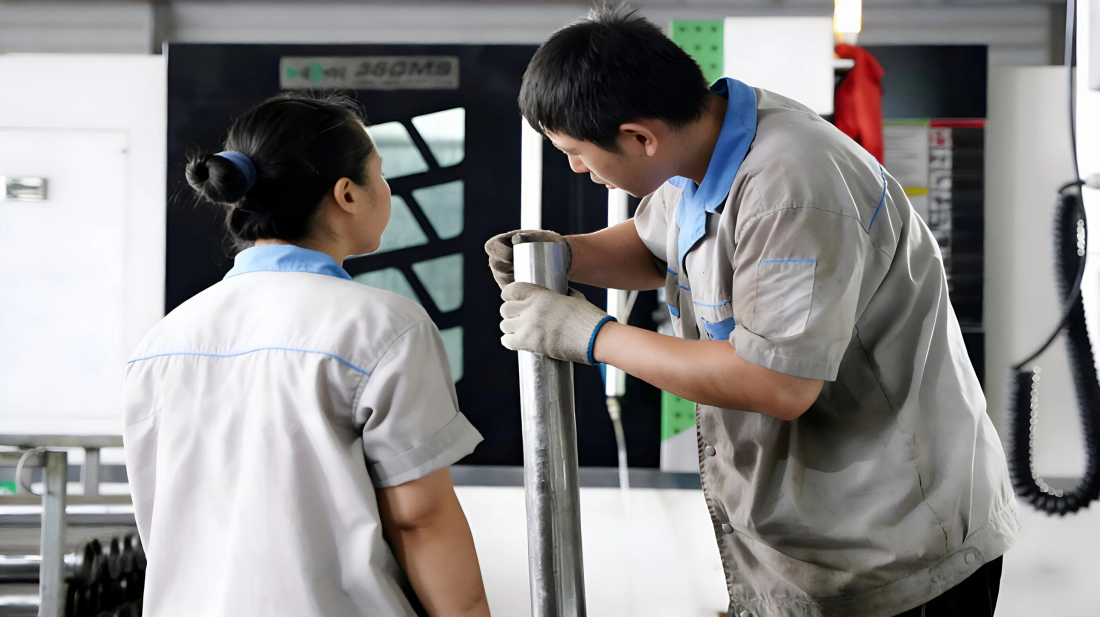
The spatial realities beneath an agricultural trailer chassis dictate the necessity of a small piston cylinder. The clearance around the drawbar, suspension components, and the rotating steering turntable is incredibly constrained. A bulky actuator would interfere with the turning radius or suffer impact damage from ground obstacles. By optimizing the internal bore diameter relative to the required operating pressure, our engineering teams generate immense locking force from an exceptionally compact physical footprint. This small piston design minimizes the swept volume of hydraulic fluid required for actuation, allowing for rapid lock and unlock sequences directly from the tractor cab, thereby enhancing overall operational tempo and eliminating dangerous manual interventions by the trailer operator.
Metallurgical Supremacy: Q345D and the Welded Paradigm
The chassis of an agricultural trailer is subjected to continuous, violent vibrational frequencies and massive torsional twisting forces as it traverses deeply rutted farm tracks. The actuator mounted to this chassis must possess extraordinary structural resilience. We construct our double-acting small piston hydraulic cylinder utilizing Q345D, a highly specialized low-alloy structural steel renowned in heavy machinery manufacturing. The specific alloy composition of Q345D provides an exceptional yield strength of 345 MPa, meaning the cylinder barrel will not permanently deform under extreme internal pressure spikes or lateral physical impacts. Crucially, the “D” classification indicates superior impact toughness at low temperatures (down to -20°C), ensuring the molecular structure remains ductile and highly resistant to brittle fracture during late-season, freezing harvest conditions.
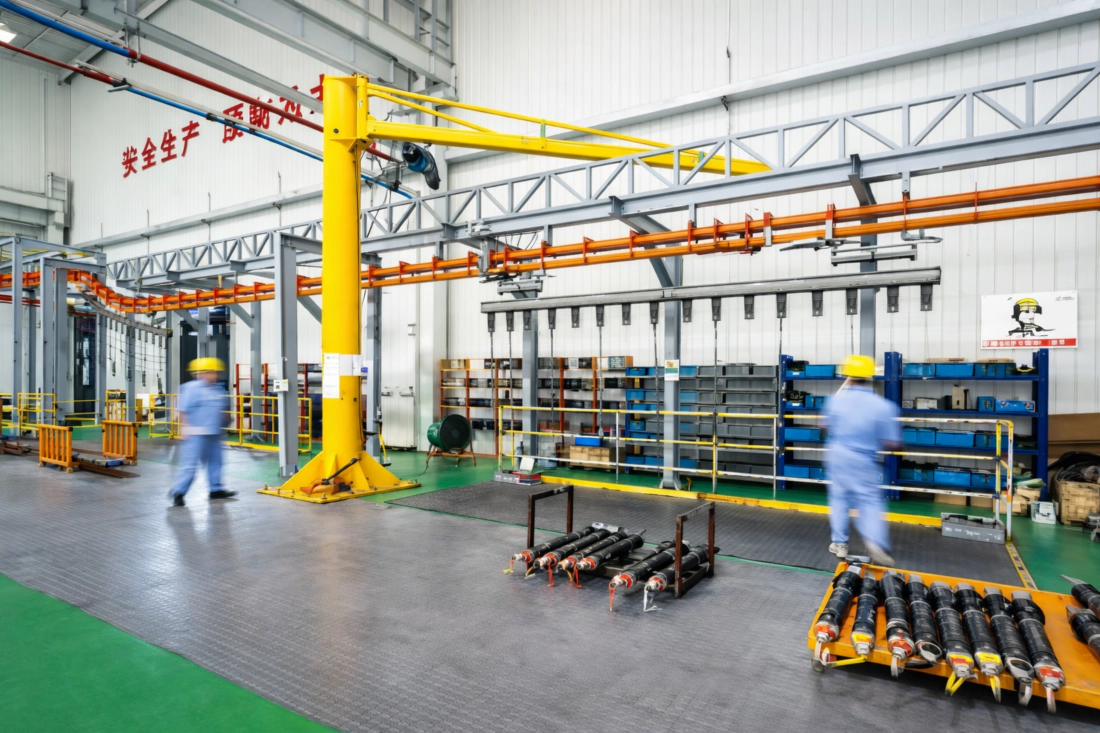
To fully capitalize on the properties of Q345D steel, the cylinder architecture employs a dedicated welded structure. Traditional fluid power cylinders frequently utilize external tie-rods to hold the end caps against the barrel. In the high-vibration environment of a locking steering mechanism, tie-rods are highly susceptible to micro-stretching, which rapidly leads to torque loss, seal misalignment, and catastrophic fluid blowout. Our automated submerged arc welding techniques fuse the robust end caps directly into the Q345D barrel, creating an incredibly rigid, monolithic pressure vessel. This welded structure is completely immune to vibrational loosening, guaranteeing that the internal honed bore remains perfectly concentric throughout thousands of locking cycles, thereby maximizing the lifespan of the internal sealing architecture.
Defeating Abrasive Envelopes: Chrome Plated Durability
Agricultural environments are fundamentally hostile to precision machined surfaces. The locking steering mechanism operates deep within a relentless cloud of abrasive silica dust, kicked up by massive tractor tires and harvester tracks. This severe dust environment represents an existential threat to the extending piston rod. If abrasive particulates adhere to the rod and are dragged past the exterior wiper seal during the retraction sequence, they will inevitably score the steel, creating microscopic channels that destroy the main fluid seals. To render the piston rod impervious to this abrasive onslaught, we apply a highly advanced chrome plated surface treatment.

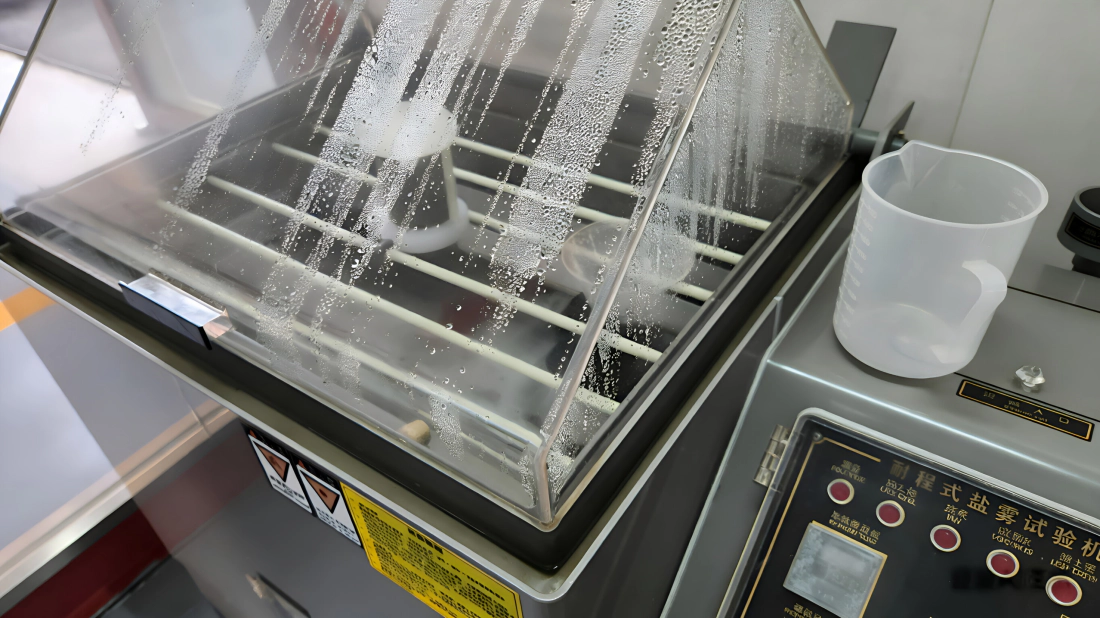
Our rigorous electroplating process deposits a dense, uniform layer of hard chromium directly onto the induction-hardened Q345D steel rod. This chrome plated finish elevates the surface hardness to exceptional levels, creating an impenetrable shield against flying gravel, sharp agricultural debris, and aggressive sand. The resulting ultra-smooth tribological interface allows the heavy-duty polyurethane wiper seals to effortlessly scrape away thick dust accumulations without encountering friction or causing rod wear. Furthermore, the inherent corrosion resistance of the chromium layer completely halts oxidative degradation, ensuring the rod remains pristine even when subjected to highly acidic agricultural chemicals, fertilizers, and constant moisture.
Neutralizing Internal Leakage with Small High-Pressure Seals
Analyzing historical deployment data of agricultural trailer steering systems reveals a critical, often hidden typical failure mode: internal leakage. Internal leakage occurs when pressurized hydraulic fluid circumvents the piston seals, migrating from the high-pressure chamber into the low-pressure return side. While this does not result in visible oil spills on the ground, the mechanical consequences are catastrophic. As fluid bypasses the piston, the double-acting small piston hydraulic cylinder gradually loses its holding pressure. Under the intense vibration of highway towing, this pressure drop allows the locking pin to slowly creep backward, potentially unlocking the steering axle at high speeds, resulting in devastating loss of trailer control.
To permanently neutralize the threat of internal leakage, our specialized engineering configuration mandates the integration of small high-pressure seals. Standard elastomeric O-rings deform and extrude under the intense pressure spikes generated when a heavy trailer axle violently impacts a pothole, attempting to force the locking pin backward. Our small high-pressure seals utilize complex, multi-lip profiles engineered from advanced polytetrafluoroethylene (PTFE) and highly energized polyurethane compounds. These specialized geometric profiles dynamically expand outward against the honed cylinder barrel as internal fluid pressure increases, creating a completely impermeable barrier. By maintaining absolute fluid compartmentalization, these high-pressure seals guarantee the cylinder holds unrelenting, rock-solid pressure, keeping the locking steering mechanism perfectly engaged regardless of the external mechanical forces acting upon the trailer.
व्यापक इंजीनियरिंग पैरामीटर मैट्रिक्स
The flawless implementation of fluid power technology demands rigorous adherence to precise mechanical parameters. The following matrix outlines the definitive architectural characteristics of our custom locking cylinders. To explore our extensive technical repository, please visit the Ever Power Core Engineering Hub.
Expansive Application in High-Tonnage Agricultural Transport
The deployment architecture of the double-acting small piston hydraulic cylinder spans a vast array of specialized agricultural transport assets. High-capacity grain trailers, frequently operating in tandem configurations known as road trains, rely utterly on a locked steering mechanism to maintain a straight trajectory during high-speed highway transit. As the tractor accelerates to road speeds, the operator engages the hydraulic circuit. The Q345D welded cylinder instantly drives the locking pin into the trailer’s turntable receiver. The small high-pressure seals lock the fluid in place, rendering the front axle entirely rigid. This prevents the catastrophic oscillating phenomenon known as “trailer sway,” ensuring tons of harvested wheat or corn are transported with maximum safety and aerodynamic efficiency.
Beyond bulk grain logistics, these precision actuators are highly critical for specialized flatbed implements used to transport massive harvesting headers or dense round bales. Maneuvering these exceptionally long trailers backward into tight storage barns requires precise reversing dynamics. By retracting the cylinder, the steering axle is freed, allowing the trailer to articulate sharply. However, the moment the trailer needs to be backed up in a perfectly straight line, the cylinder is fired again to lock the axle straight. The chrome plated rod effortlessly shrugs off the accumulated mud and dust from the field operations, ensuring the locking pin slides cleanly into place without binding. Regardless of the specific crop or trailer geometry, these customized fluid power solutions guarantee absolute command over heavy agricultural logistics.
Global Success Profile: Stabilizing Sugarcane Transport in Australia
Theoretical engineering must be validated by grueling, real-world deployment data. A massive commercial sugarcane operation located in Queensland, Australia, was experiencing catastrophic failures within their transport logistics. Their fleet utilized extremely long, multi-bin cane trailers traversing deeply rutted, unpaved field tracks before entering paved regional highways. The extreme dust environment was destroying the seals on their legacy steering cylinders, causing massive internal leakage. As the trailers hit highway speeds, the loss of holding pressure allowed the locking steering mechanism to disengage. The resulting trailer sway caused several bins to roll over, destroying tons of valuable sugarcane and creating severe safety hazards. The consortium’s lead mechanical architects urgently collaborated with our custom engineering facility in China to redesign the entire actuation system.
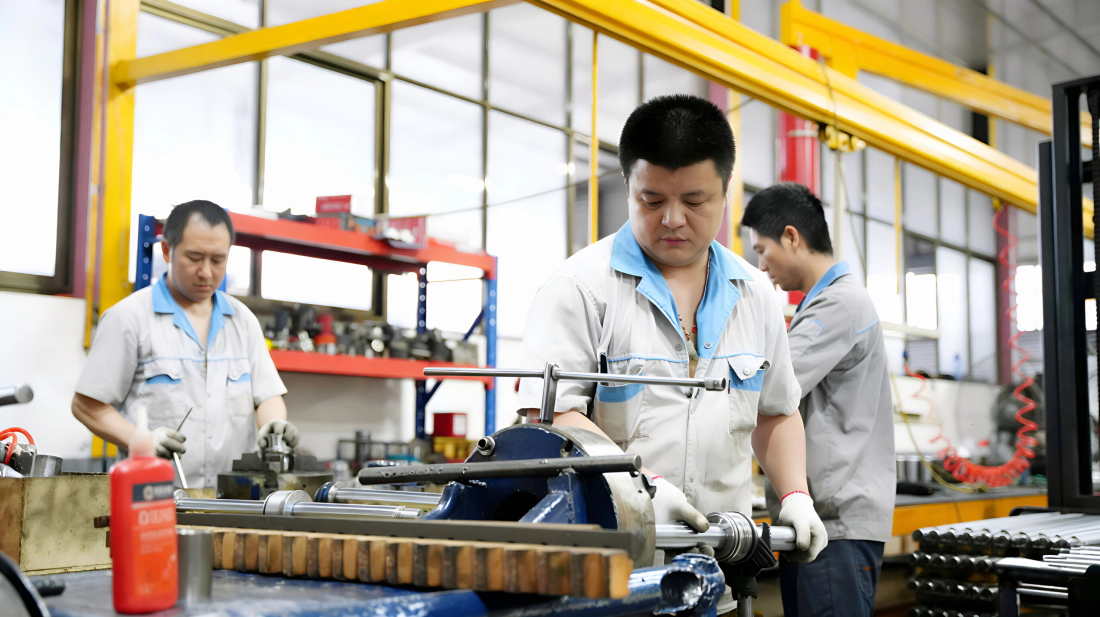
We engineered a comprehensive retrofit utilizing our double-acting small piston hydraulic cylinder. By utilizing the ultra-rigid Q345D welded structure, the cylinders absorbed the intense torsional twisting of the cane bins without micro-fracturing. Most crucially, the integration of extreme-duty small high-pressure seals entirely eradicated the internal leakage phenomenon. The locking pins held with unwavering force, keeping the trailers perfectly aligned at 80 km/h. Furthermore, the specialized chrome plated surface treatment completely repelled the abrasive silica dust, ensuring the wiper seals remained pristine. Over a grueling 18-month operational review, the sugarcane consortium recorded a zero percent failure rate in their trailer steering systems, restoring total operational safety and efficiency.
“The integration of the small high-pressure seals completely solved our terrifying trailer sway issues. Once that double-acting cylinder fires, the steering axle is locked solid, absolutely zero internal leakage under heavy vibration.”
— Thomas R., Director of Transport Logistics, Queensland, Australia
“The severe dust out here eats standard hydraulic rods in weeks. The custom chrome plated finish on these cylinders is incredible; it wipes clean every time without a single microscopic scratch. Flawless durability.”
— Marcus B., Lead Heavy Machinery Technician, Australia
“Switching to the Q345D welded structure eliminated the tie-rod loosening that plagued our older units. The direct engineering support we received from their custom manufacturing hub in China was remarkably precise and highly professional.”
— Sarah K., Agricultural Procurement Specialist, Australia
Unparalleled Custom Engineering Infrastructure in China
The architectural geometry of an agricultural trailer steering chassis is highly proprietary, varying drastically between equipment manufacturers and specialized crop requirements. Recognizing that off-the-shelf actuators frequently force unacceptable mechanical compromises, Ever Power leverages our massive, technologically advanced manufacturing footprint in China to provide elite custom product capabilities. We do not restrict our commercial partners to rigid, pre-existing catalogs. Instead, our specialized CAD engineers and fluid dynamics experts collaborate directly with your vehicle designers to engineer entirely bespoke fluid power solutions tailored explicitly to the kinetic and spatial constraints of your locking steering mechanism. From determining the optimal fractional stroke length to engineering highly specific trunnion or clevis mounting brackets, every parameter is optimized for your exact trailer chassis.
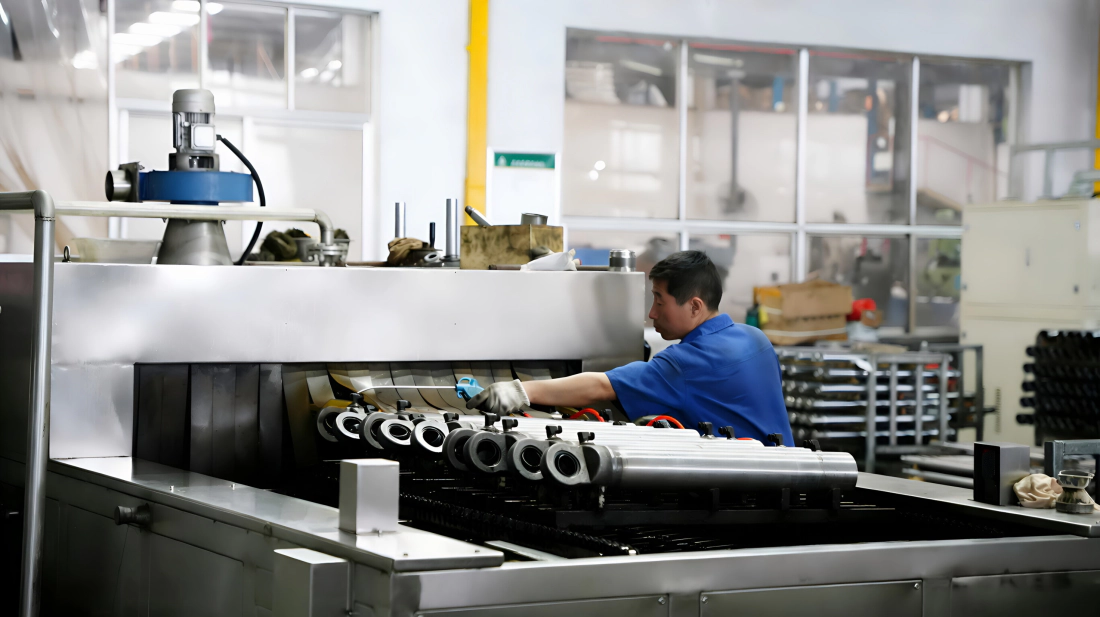
Our profound dedication to absolute customization extends deep into our metallurgical and tribological laboratories. If your agricultural fleet operates in regions known for highly specific, corrosive soil chemistries or unprecedented temperature extremes, we can adjust the formulation of the Q345D alloy steel and modify the polymer chemistry of the small high-pressure seals to match those exact stressors. By maintaining absolute oversight over the entire production continuum—from the initial raw material forging to the final multi-stage dynamic pressure testing—we guarantee rapid prototyping sequences, highly scalable production volumes, and flawless integration quality. To discover more about our extensive engineering legacy and global manufacturing capabilities, please explore our corporate background at About Ever Power Custom Manufacturing. Partner with us to engineer the absolute zenith of agricultural transport reliability.
अक्सर पूछे जाने वाले तकनीकी प्रश्न
What is the estimated cost of a double-acting small piston cylinder for agricultural trailers in China?
The exact price to manufacture a highly specialized steering locking hydraulic cylinder from our production facilities in China depends entirely upon your specific volumetric displacement requirements, the custom dimensions of the welded structure, and your total fleet order volume. Because we engineer bespoke components strictly for your specific locking steering mechanism, we advise submitting your chassis schematics to our engineering department to receive a highly precise, competitive volume quote.
How do small high-pressure seals effectively prevent dangerous internal leakage in trailer steering mechanisms?
Standard seals deform under intense highway vibration, but small high-pressure seals are constructed from advanced PTFE profiles that dynamically expand outward against the cylinder bore as internal pressure spikes. This creates a completely impenetrable barrier that maintains absolute fluid compartmentalization, preventing the pressure drop associated with internal leakage and guaranteeing the locking pin remains solidly engaged during high-speed transit.
Where can I find a reliable custom supplier for Q345D welded hydraulic cylinders for severe dust environments?
Ever Power is a globally recognized engineering supplier headquartered in China, possessing decades of highly specialized expertise in heavy agricultural fluid power. Our advanced CNC manufacturing infrastructure and deep metallurgical knowledge of Q345D steel allow us to rapidly design and mass-produce custom welded cylinders featuring impenetrable chrome plated rods, specifically engineered to dominate severe agricultural dust environments.
Why is a double-acting configuration critical for engaging an agricultural trailer steering lock?
Relying on gravity or mechanical springs to retract a heavy locking pin in a debris-filled environment is highly dangerous and prone to jamming. A double-acting configuration actively utilizes pressurized hydraulic fluid to power both the extension and retraction strokes, providing immense, positive mechanical authority to punch through accumulated field mud and ensuring the steering axle unlocks instantly upon command.
When should fleet managers inspect the locking cylinder to prevent sudden steering mechanism failure?
Proactive maintenance requires operators to visually inspect the chrome plated rod for deep abrasive scoring and monitor the actuator for any sluggish retraction behavior at the end of every intense harvest cycle. Identifying microscopic rod damage before it destroys the small high-pressure seals is absolutely essential to preventing internal leakage and avoiding catastrophic loss of trailer steering control during highway transit.