High-Frequency Double Acting Tamping Vibration Cylinders for Railway Construction Vehicles
Precision Servo Actuation | Fatigue-Resistant Alloy Steel | The Heart of Modern Ballast Maintenance
In the rigorous domain of railway infrastructure maintenance, the geometric integrity of the track is paramount for the safety and speed of modern rail transit. At the core of this maintenance ecosystem lies the tamping wagon, a machine whose efficiency is dictated almost entirely by the performance of its work units. Drawing on over 18 years of specialized engineering in hydraulic actuation, we recognize that the tamping vibration cylinder is not merely a force generator; it is a precision instrument operating under some of the most hostile conditions known to mechanical engineering. These components must withstand continuous high-frequency vibration—typically ranging from 35Hz to 45Hz—while delivering the exact amplitude required to fluidize ballast without crushing the aggregate.
Conventional hydraulic cylinders often fail catastrophically in these environments due to seal disintegration and rod fatigue caused by the relentless acceleration forces. Our approach fundamentally reimagines the tamping cylinder. We utilize a double-acting servo design that provides active control over both the insertion and squeeze pressure, ensuring that the ballast is compacted to optimal density. By integrating high-tensile alloy steel with a specialized वेल्डेड संरचना, we eliminate the weak points associated with threaded connections in high-vibration applications. This robust architecture minimizes position drift, a common failure mode where the tamping tines lose their centering, leading to ineffective maintenance cycles and costly downtime.
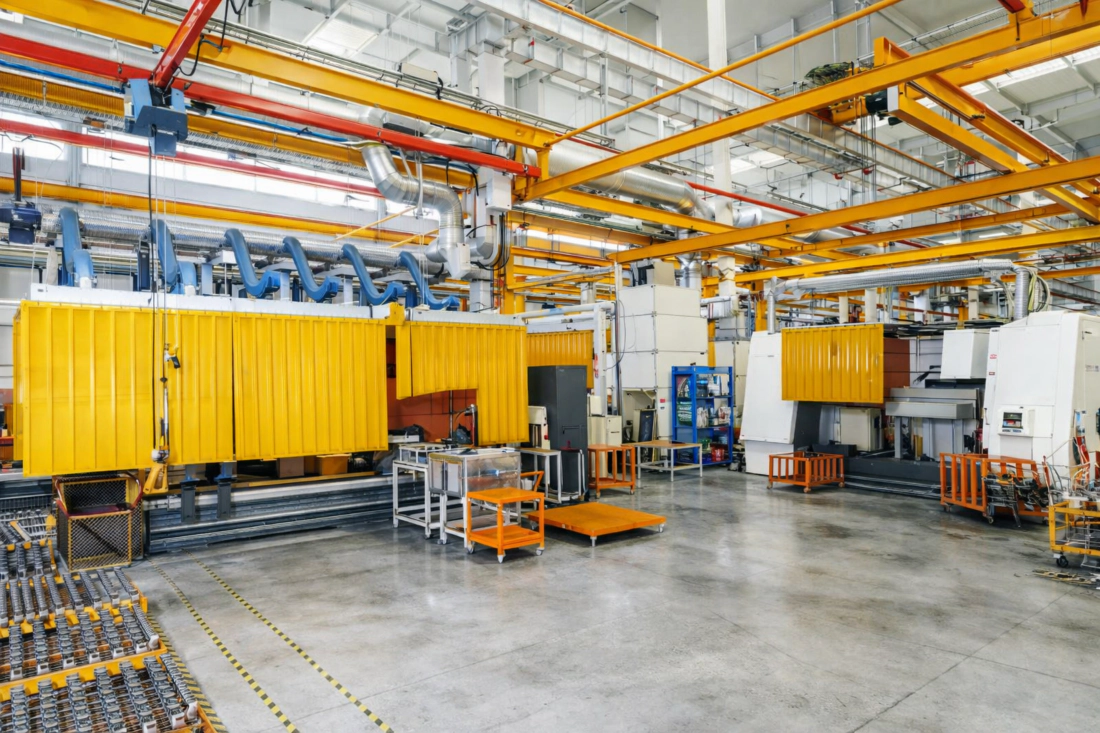
Immersive Manufacturing Transparency
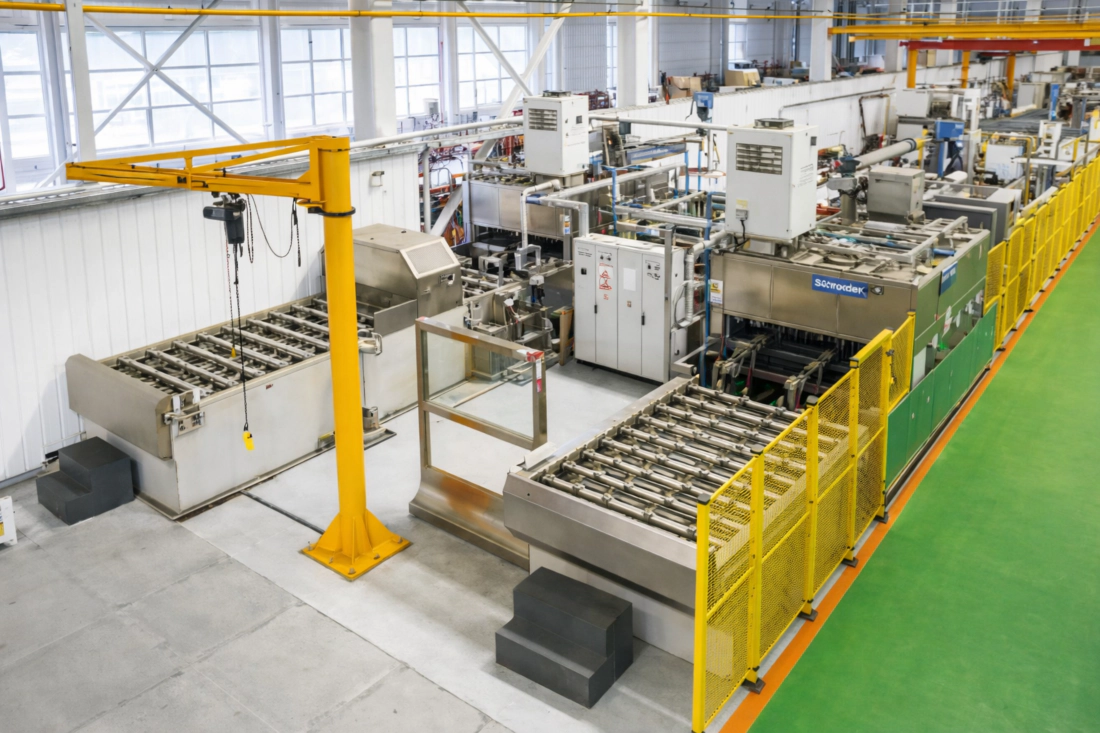
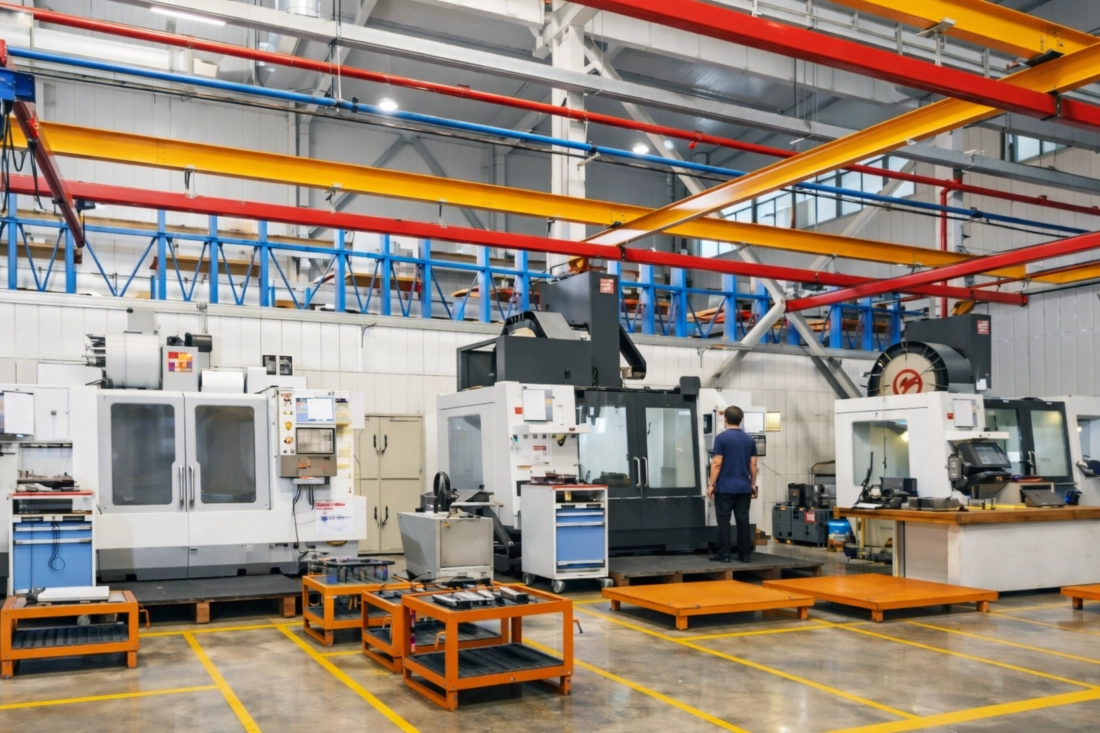
Words and specifications can only convey so much. To truly understand the precision behind our tamping vibration cylinders, we invite you to step directly onto our production floor. Witness the automated welding stations, the micron-level polishing of our chrome-plated rods, and the rigorous pressure testing benches that simulate rail environments.
Quality assurance in hydraulic cylinder manufacturing is not a final step; it is woven into the very fabric of our material selection. We source premium alloy steels that undergo rigorous heat treatment processes to achieve the perfect balance between surface hardness and core toughness. This ensures that the cylinder barrel can resist the ballooning effects of high-pressure spikes, while the rod maintains its linearity against lateral loads.
Engineering for the Vibrational Spectrum
Servo-Grade Sealing Technology
The defining challenge of a tamping vibration cylinder is the immense heat generated by high-frequency oscillation. Standard seals will carbonize or extrude within hours. We employ a specialized servo-grade sealing system, utilizing low-friction PTFE compounds reinforced with bronze or carbon fiber. This configuration reduces stick-slip effects to near zero, allowing for precise amplitude adjustment and preventing the dangerous “position drift” where the cylinder creeps under load.
Metallurgical Resilience
Fatigue failure is the enemy of any reciprocating machinery. We construct our cylinder bodies from high-grade alloy steel, specifically chosen for its fatigue limit. The welding process is fully automated to ensure deep penetration and uniformity, creating a वेल्डेड संरचना that acts as a monolithic unit. The piston rod undergoes a multi-stage chrome plating process, polished to a mirror finish (Ra < 0.2μm) to minimize seal wear while protecting against the corrosive ballast dust and outdoor elements.
Furthermore, the internal guidance of the piston rod is critical. In a tamping operation, the cylinder is subjected to significant side loads as the tines penetrate the compacted stones. We implement extended guide bands made from high-load bearing composite materials. These bands absorb the radial forces, ensuring that the piston rod remains centered and the seals are not subjected to uneven compression. This attention to the tribological interaction between moving parts is what separates a standard industrial cylinder from a purpose-built railway component.
Optimized for Construction Efficiency
- High-Frequency Response: Capable of sustaining 45Hz vibration cycles without hydraulic fluid cavitation.
- Integrated Sensor Interfaces: Optional built-in displacement transducers for closed-loop feedback systems.
- Thermal Stability: Designed to operate efficiently at oil temperatures up to 100°C, common in tropical maintenance environments.
Global Impact: High-Speed Rail Project in Southeast Asia
Project: Trans-Java High-Speed Railway Maintenance Fleet
चुनौती: The maintenance contractor faced severe reliability issues with their original OEM cylinders. The combination of high humidity, intense heat, and the abrasive volcanic ballast rock caused seal failures every 400 working hours, leading to unacceptable fleet downtime.
हमारा समाधान: हमने एक कस्टम इंजीनियरिंग की Double Acting Servo Tamping Cylinder featuring an enhanced multi-lip wiper seal to exclude volcanic dust and upgraded the rod coating to a double-layer chrome process. We also optimized the port geometry to improve heat dissipation from the hydraulic fluid.
“The longevity of these cylinders is remarkable. We pushed the service interval from 400 to 1200 hours without a single leak. The vibration stability has improved our track quality index scores.”
– Budi Santoso, Fleet Manager
“Ever Power’s engineering team understood the specific frequency requirements of our tamping banks. The custom solution dropped right in with no modifications needed.”
– Technical Director, RailConsortium
“We appreciate the transparency. Visiting the factory virtually gave us the confidence to place a bulk order for our entire fleet renewal program.”
– Supply Chain Lead, Global Rail
Technical Specifications Matrix
| पैरामीटर | विनिर्देश विवरण |
|---|---|
| एक्शन मोड | Double Acting Servo-Type |
| संरचनात्मक प्रकार | High-Rigidity Welded Construction |
| सामग्री प्रणाली | High-Strength Alloy Steel (27SiMn / 42CrMo) |
| सतह का उपचार | Hard Chrome Plating (>30μm), Ra < 0.2μm |
| Vibration Frequency | 35Hz – 45Hz (Continuous High Frequency) |
| Sealing Class | Servo-Grade Low Friction (PTFE/Bronze) |
| Typical Failure Prevention | Position Drift, Seal Carbonization, Rod Fatigue |
Beyond Tamping: Versatile Applications
While the primary application is within the tamping banks of 08-32, 09-3X, and continuous action tamping machines, the underlying technology of our vibration-resistant cylinders serves a broader spectrum of railway maintenance equipment.
Ballast Stabilizers: Actuating the dynamic stabilizers requires cylinders that can hold static load while transmitting variable frequency vibrations to simulate train passage, settling the ballast bed effectively.
Ballast Regulators: The wing plows and broom boxes on regulator machines endure constant shock loads. Our reinforced welded structures ensure these articulation points do not crack under the stress of moving tons of rock aggregate.
Precision Engineering from China’s Industrial Core
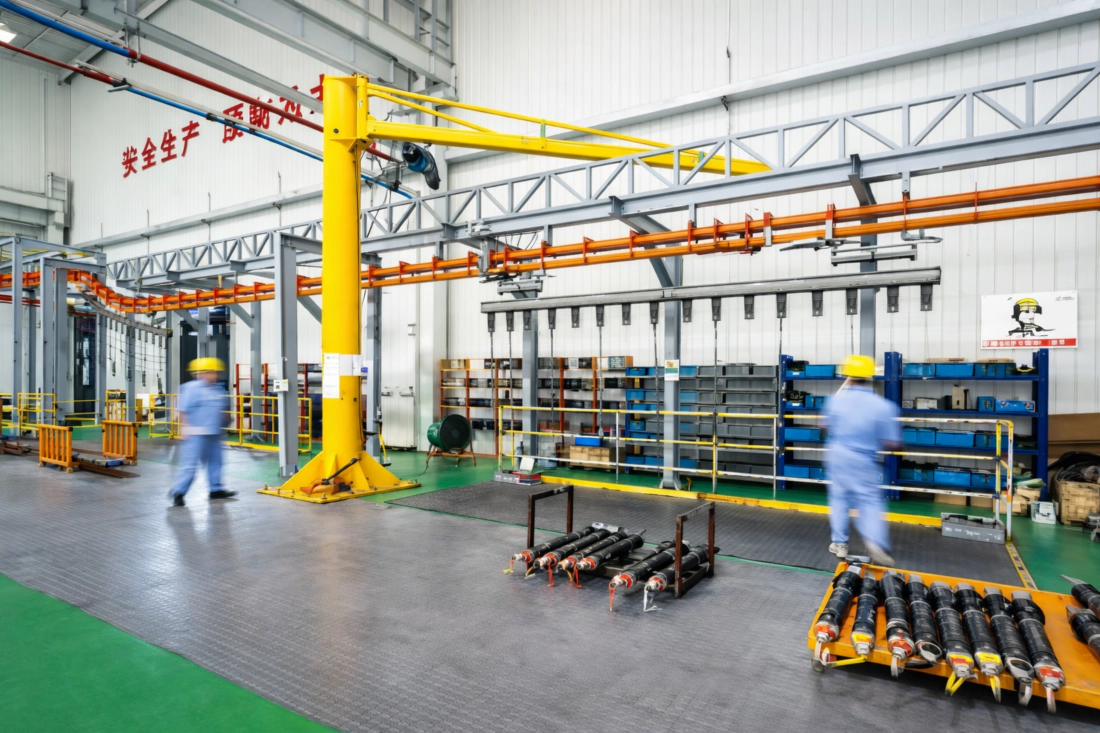
As a premier manufacturer based in China, we leverage the world’s most complete industrial supply chain to deliver high-value custom solutions globally. We do not just sell off-the-shelf parts; we partner with B2B clients to design cylinders that fit specific geometric constraints and performance metrics. Learn more about our capabilities.

अक्सर पूछे जाने वाले प्रश्नों
What causes position drift in tamping vibration cylinders during operation?
Can you manufacture replacement cylinders for Plasser & Theurer machines?
How does the welding structure handle the extreme vibration of tamping?
What is the typical lead time for a custom batch of railway cylinders?
Do you offer servo cylinders with integrated displacement sensors?
© 2026 Ever Power Hydraulic Solutions. Engineered for the Rails.
Delivering reliability to the global railway maintenance industry.