You know the feeling. You are setting up a 56-meter boom pump on a job site that looks more like a swamp than a construction zone. You extend the outriggers, level the chassis, and start pumping. But twenty minutes later, you check the bubble level, and you are off-kilter. The rear left leg has crept up half an inch. It keeps me up at night just thinking about it, because in our line of work, “drift” isn’t just an annoyance—it’s a safety hazard that can tip a half-million-dollar rig (and hurt people).
Over the last 18 years of engineering hydraulic solutions, I’ve seen this happen more times than I care to admit with OEM cylinders that just aren’t built for the abuse of modern construction sites. Most people think a cylinder is just a tube and a rod, but when you are dealing with the vertical load of a concrete pump truck, specifically the leveling jack cylinders, the internal specs matter more than the paint job. We aren’t just pushing oil; we are holding static weight against gravity and vibration.
That’s why we shifted our focus to a specific configuration: Double-acting, welded construction using Q345D steel with integrated pilot-operated check valves. It’s a mouthful, I know, but every part of that spec exists to solve a specific headache fleet managers face. We use Q345D not because it’s cheap (it isn’t), but because it maintains impact toughness even at -20°C. If you’ve ever had a mounting lug crack in a Canadian winter or a Northern European morning, you know exactly why that “D” grade matters.
👀 See Where The Magic Happens
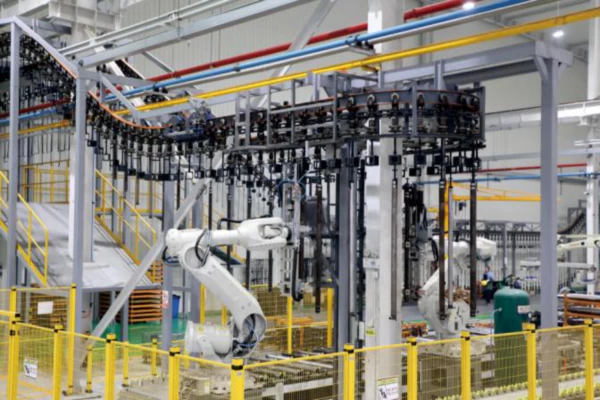
I can talk about weld penetration and seal quality all day, but seeing is believing. We’ve set up a full Virtual Reality tour of our production floor. You can see exactly how we pressure test every single leveling cylinder before it gets painted.
The “Drift” Problem: Why the Valve is the Heart of the System
Let’s get technical for a moment—but not too boring. The primary function of a leveling cylinder (or jack leg) is to lift the tires off the ground and create a rigid, horizontal plane for the boom to operate. The enemy here is internal leakage. If oil bypasses the piston seal from the high-pressure side to the low-pressure side, the leg retracts. Gravity wins.
In our experience, standard cylinders rely entirely on the spool valve in the truck’s manifold to hold that pressure. That is a mistake. Hoses expand, fittings weep, and spool valves have inherent internal leakage. The solution we implemented is an Integrated Hydraulic Lock (Dual Pilot Operated Check Valve) mounted directly onto the cylinder port. Think of it as a deadbolt. Once the fluid enters the cylinder and extends the rod, the valve mechanically locks the fluid in the chamber. It cannot leave unless pilot pressure is applied to the retract line. This means even if a hose bursts (heaven forbid), that leg isn’t moving. It stays level. Period.
Material Science: Why We Weld with Q345D
You might be wondering, “Why Q345D? Why not just standard mild steel?” Here is the thing: Concrete pumps are outdoor beasts. They sit in the rain, the snow, and the scorching sun. We opted for a welded construction rather than a tie-rod design because welded cylinders are more compact and robust against side-loading. But welding changes the grain structure of the metal.
Q345D is a low-alloy high-strength structural steel. The “D” specifically indicates that it has passed a -20°C V-notch impact test. This is critical. We’ve seen standard steel cylinders develop hairline fractures near the base weld after a few seasons of cold-weather operation. The thermal contraction combined with the shock load of the pump kicking is a recipe for disaster. By using Q345D for the barrel and the cap, we ensure the structural integrity remains high regardless of the thermometer. Plus, we chrome plate the rods to a specific Ra surface finish that holds enough oil to lubricate the wiper seal but rejects the grit and cement dust that tries to chew it up.
तकनीकी विशिष्टताएँ और प्रदर्शन डेटा
We don’t believe in “one size fits all,” but we do have a core standard that serves as the base for 90% of the pump trucks out there (Sany, Zoomlion, Putzmeister retrofits). Here is the breakdown of what makes these units tick.
| विशेषता | Specification / Benefit |
|---|---|
| सिलेंडर प्रकार | Double Acting Piston Style (Welded) |
| सामग्री ग्रेड | Q345D (High strength, low-temp impact resistant) |
| Safety Mechanism | Integrated Dual Pilot Operated Check Valve (Hydraulic Lock) |
| परिचालन दाब | Rated: 31.5 MPa | Max Peak: 40 MPa |
| रॉड सतह | Hard Chrome Plated (Thickness 30-50μm), Polished |
| सीलिंग सिस्टम | Hallite / Nok / Parker (Anti-dust, high wear resistance) |
| तापमान की रेंज | -30°C to +100°C (Outdoor ready) |
वास्तविक दुनिया के अनुप्रयोग परिदृश्य
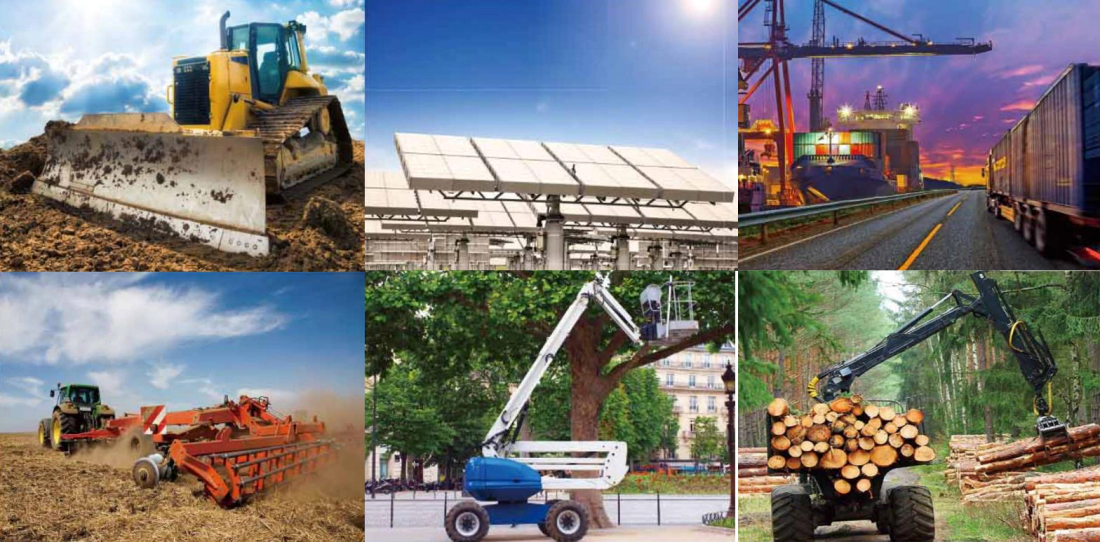
These cylinders are designed for the vertical “Jack” legs of the outrigger system. Whether you are running an X-leg setup or a swing-out style, the vertical force handling is the same. We also see these being adapted for mobile crane stabilizers and fire ladder trucks, where “keeping it level” is a matter of life and death.
Industry Trends: Lighter, Stronger, Smarter
The trend we are tracking lately is “weight reduction without strength loss.” Road laws are getting stricter about axle weights, so OEM manufacturers are trying to shave kilograms everywhere. This puts pressure on us to design cylinders with thinner walls but higher yield strength materials. While standard 45# steel used to be the norm, the shift to Q345D and even higher tensile alloys allows us to reduce the barrel thickness by 15% while actually increasing the burst pressure rating.
SWOT Analysis of Our Leveling Cylinder
To be completely transparent with you, here is how our product stands in the current market.
ताकत
- Zero-drift integrated check valves.
- Q345D material prevents cold-weather cracking.
- High-quality chrome resists cement adhesion.
- Customizable mounting dimensions.
कमजोरियों
- Slightly higher cost than standard carbon steel units.
- Lead time is 15-20 days (not off-the-shelf).
- Heavier than aluminum composite alternatives.
अवसर
- Growing demand for retrofitting older fleets.
- Expansion into Northern European/Canadian markets.
- Integration with electronic position sensors.
धमकियाँ
- Influx of low-grade, non-certified, cheap cylinders.
- Fluctuating steel pricesare affecting raw material cost.
Customer Success Story: Keeping Construction Stable in the Rockies
A couple of years ago, we were approached by Alpine Infrastructure Solutions, a contractor based in Alberta, Canada. They specialize in high-altitude bridge repair. Their existing fleet of pump trucks was suffering from “morning sickness”—the seals were hardening in the overnight -25°C temps, and the cylinders would drift before the hydraulic fluid warmed up. It was delaying pours and costing them thousands in idle labor.
They didn’t just need a replacement; they needed an upgrade. We engineered a custom batch of leveling cylinders using Q345D steel (specifically for the low-temp resilience) and equipped them with low-temperature Viton seals and our proprietary check valves. The result? They reported zero startup drift incidents the following winter. They were able to set up and start pumping 45 minutes faster than before because they weren’t fighting the equipment.
उद्योग क्या कहता है
“The integrated lock valve is a game changer. I used to have to constantly adjust the levers during a long pour. Now, I set it and forget it.”
— Mike R., Senior Pump Operator, USA
“We were worried about fitment on our older Zoomlion trucks, but Ever Power sent us drawings to confirm before production. The Q345D build feels much more solid than the stock parts.”
— Carlos G., Fleet Maintenance Manager, Spain
“Excellent chrome finish. We work in very sandy environments, and usually, the rods get scored within six months. These are holding up beautifully.”
— Ahmed K., Procurement Director, UAE
अनुकूलन: हम आपकी ज़रूरत के अनुसार उत्पाद बनाते हैं।
Here is the truth: OEM parts are great, but they are expensive and sometimes hard to get. We specialize in custom manufacturing. Whether you need a slightly longer stroke to handle extreme terrain or a larger mounting lug to fit a modified chassis, we can do it. Our engineers work with you to reverse engineer your worn-out cylinder and build a better version.
अक्सर पूछे जाने वाले प्रश्न (FAQ)
We get a lot of phone calls about these cylinders. Here are the honest answers to the things you are probably wondering about.
How much does a replacement leveling cylinder cost for a 50m pump truck?
Prices generally range from $600 to $1,800, depending on the bore size and if you need the check valve included. Custom specs might cost a bit more.
Can you ship these hydraulic cylinders to job sites in Australia or the USA?
Yes, we ship globally. For the USA and Australia, delivery usually takes 15–25 days via sea freight or quicker via air if you’re in a rush.
Why is my outrigger cylinder leaking down even with a new seal kit?
If the seals are new, your check valve might be failing or the barrel is scored. A damaged valve allows oil to backflow, causing the leg to drop.
What information do I need to provide to get a supplier quote?
We need the bore diameter, rod diameter, stroke length, and retracted length (from pin to pin). A photo of the mounting ports helps us identify the valve type.
Are your Q345D cylinders compatible with Sany or Schwing concrete pumps?
Absolutely. We manufacture direct replacements that match the mounting points of Sany, Schwing, and other major brands, often with improved material durability.
Don’t Let Equipment Failure Stop the Pour
Send us your specs. We’ll build the stability you need.