Excavator Bucket Cylinders: Engineering the Business End of the Machine
Let’s cut to the chase. The Excavator Bucket Hydraulic Cylinder is the tip of the spear. It’s the component that actually interacts with the earth, the rock, and the demolition debris. While the boom and arm cylinders do the heavy lifting, the bucket cylinder takes the abuse. It’s exposed to the highest contamination levels, the most direct impact strikes, and the fastest cycle times on the machine. In my 18 years of analyzing failed components (and believe me, I’ve seen some horrors), I’ve learned that a bucket cylinder doesn’t usually die from old age—it dies from “impact fatigue” or contamination ingestion. You’re curling a 2-yard bucket through granite, and suddenly the operator hits an immovable shelf. That pressure spike? It tries to balloon the barrel instantly. If your engineering safety factor isn’t at least 4:1, you’re going to have a bad day.
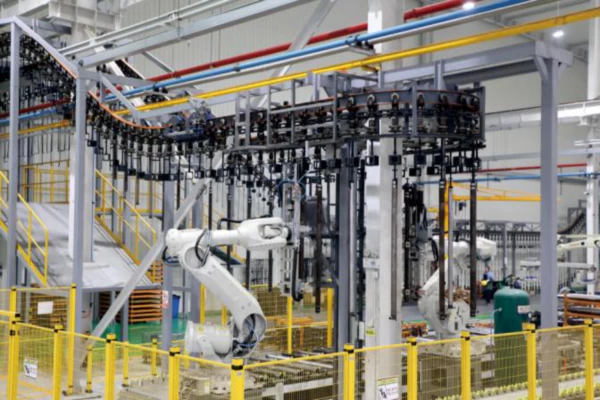
We don’t hide our manufacturing process behind stock photos. We believe in radical transparency. You can walk through our honing bays and see the welding robots right now, from your phone.
👉 हमारी VR फ़ैक्टरी पर जाने के लिए यहाँ क्लिक करें
Pretty neat, right? Now, let’s talk about what makes these cylinders tick (and what makes them fail).
The Engineering Reality: Speed, Shock, and Dirt
The bucket cylinder has a unique job description compared to the rest of the hydraulic circuit. It has to extend and retract faster than the boom cylinder to shake out sticky clay (“banging the bucket”), which generates massive heat in the seals. Most printers and generic catalog suppliers don’t realize that standard NBR seals will cook at these cycle rates. We use a specialized Polyurethane (PU) and PTFE seal profile that can handle temperatures up to 110°C without softening.
Then there is the rod. The bucket cylinder rod is arguably the most vulnerable piece of steel on the job site. It’s right there in the dig zone. Rocks fall on it. Rebar scratches it. Once the chrome is compromised, rust sets in, and it acts like a file on your gland seals. That’s why standard chrome plating is rarely enough for serious digging. We insist on Induction Hardening the rod base material before plating. This creates a hard “shell” (usually 55-60 HRC) that resists denting. If a rock hits it, the chrome might scratch, but the steel underneath won’t deform, keeping the rod straight and the seals alive.
| Technical Spec | Standard Value | Why It Matters (The “Old Pro” Take) |
|---|---|---|
| रेटेड दबाव | 350 Bar (5000 PSI) | Digging spikes can hit 450 Bar. You need headroom or the barrel will bloom. |
| रॉड सामग्री | 42CrMo4 Induction Hardened | Prevents the rod from bending when operators use the bucket as a pry bar. |
| गद्देदार | Adjustable / Progressive | Essential. Without it, the piston hammers the gland every time you dump the load. |
| सारंगी मुहर लगाना | Parker / Hallite / NOK | Double-lip wipers are mandatory to keep the mud out. |
| Eye Bearing | Spherical Plain Bearing | Handles the side-loading when the machine is on uneven ground. |
SWOT Analysis: Strategic Positioning
ताकत
- Breakout Force: Optimized bore-to-rod ratios for maximum curling power.
- स्थायित्व: Hardened rods resist rock impact better than competitors.
- रफ़्तार: High-flow port design allows for rapid cycle times.
कमजोरियों
- Exposure: Being the furthest cylinder out, it takes the most physical abuse.
- दूषण: Rod seals are constantly fighting mud and grit ingress.
अवसर
- स्वचालन: Integration of linear position sensors for 2D/3D digging systems.
- Coatings: New ceramic coatings (HVOF) replacing chrome for saltwater use.
धमकियाँ
- आपूर्ति श्रृंखला: High-grade steel availability can fluctuate.
- इलेक्ट्रिक एक्चुएटर्स: Small mini-ex systems moving to electric (though unlikely for heavy iron soon).
Where We Put the Pressure On (Application Scenarios)
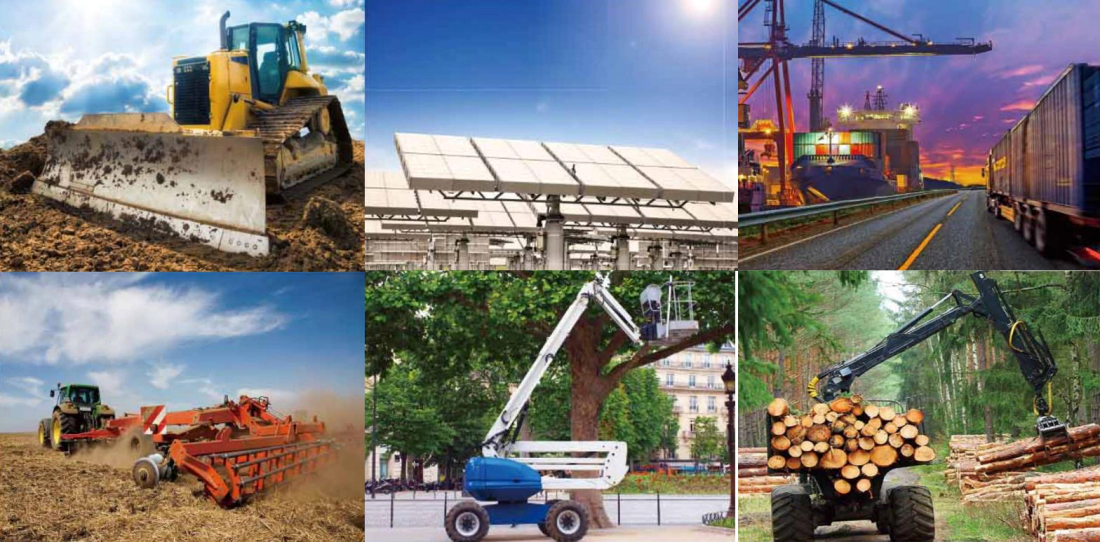
While the standard “digging bucket” is the obvious application, these cylinders are the heart of versatility. We see them used in Hydraulic Thumbs, where they have to grip irregular objects like logs or concrete slabs. The holding pressure here is critical—if the cylinder leaks down (drift), you drop the load. We also engineer specific variations for Tilt-Rotator attachments. These require shorter, stumpier cylinders that can handle massive side-loads as the bucket twists. And don’t forget Demolition Shears. The cylinder on a shear isn’t just pushing; it’s pulsing. It requires fatigue-resistant welding on the base cap because the cycle count is off the charts.
रुझान विश्लेषण: अधिक समझदारी से, अधिक मेहनत से, अधिक तेज़ी से
The biggest shift we are seeing in 2024 and beyond is the demand for “Smart” Cylinders. Operators want to set a grade in their cab and have the machine stop the bucket exactly at that depth. To do this, we drill the piston rod and install a magnetostrictive linear position sensor. It sits safely inside the pressurized oil, protected from the rocks, telling the computer exactly where the rod is within 0.1mm.
Another trend is Weight Reduction. Every pound you shave off the cylinder is a pound you can add to the payload. We are using higher yield strength steels (like 900 MPa yield) to thin out the barrel walls without sacrificing burst pressure. It’s a game of ounces that adds up to tons of production over a year.
Case Study: Conquering the Quartzite Quarry
ग्राहक: Apex Aggregate Solutions | जगह: Quebec, Canada
चुनौती: Apex was running a fleet of 50-ton excavators in a quartzite quarry. Quartzite is notoriously abrasive—basically sandpaper rock. Their OEM bucket cylinders were failing every 1,500 hours. The chrome on the rods was getting pitted by rock spray, tearing the wiper seals, and letting dust enter the system. Downtime was costing them $12,000 per day per machine.
हमारा समाधान: We engineered a custom “Severe Service” bucket cylinder replacement.
1. **Rod Tech:** We replaced the standard chrome with a High-Velocity Oxygen Fuel (HVOF) ceramic coating. It’s harder than the quartzite.
2. **Seal Logic:** We installed a specialized “Ice Scraper” metal wiper ring outside the standard polymer wiper to physically shear off frozen mud and rock dust.
3. **Impact:** We increased the rod eye diameter by 15% to handle the shock loads of prying loose rock.
परिणाम: The new cylinders have been running for 6,000 hours with zero rod defects. Seal life has tripled. The maintenance manager, Jean-Luc, told us, “These are the first cylinders we’ve been able to ignore for a whole season.”
“Best investment we made this year. The breakout force feels stronger, and they just don’t leak.” — Mike R., Lead Operator
“Shipping was faster than the dealer. We had them on site in 4 weeks.” — Sarah T., Procurement
“Finally, a supplier who understands that ‘heavy duty’ means more than just a sticker.” — Jean-Luc P., Maintenance Director
सीधे कारखाने से: हम सिर्फ स्टॉक नहीं रखते, हम उत्पादन करते हैं।
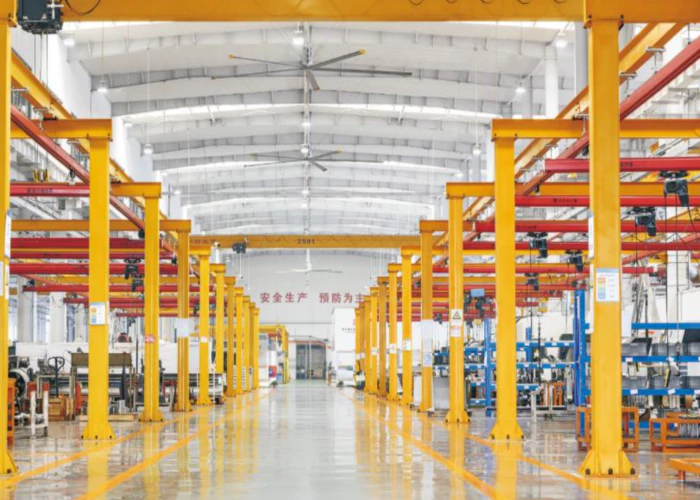
Here is the thing: most “manufacturers” online are just trading companies. We actually cut the metal. We have CNC machining centers capable of turning rods up to 300mm in diameter and 10 meters long. We have friction welding capabilities for the rod eyes (which is stronger than conventional arc welding). If you need a cylinder with a specific port angle to clear a new thumb attachment? We can do that. Need a higher pressure rating for a custom ripper application? We can do that too.
FAQ: Real Questions from the Field
How much does a replacement excavator bucket cylinder cost for a 20-ton machine?
It varies based on the OEM specs, but typically, for a 20-ton class excavator, you are looking at a range between $1,800 and $3,500. Custom units with induction-hardened rods or specialized cushioning for rock work might push that higher, but they save you money on downtime.
Why is my bucket cylinder drifting open when the machine is parked?
Drift is the number one complaint we hear. It is almost always an internal bypass caused by worn piston seals or a scored barrel. If the oil leaks from the high-pressure side to the low-pressure side, the rod extends (or retracts) due to gravity. It could be the valve, but check the cylinder packing first.
Can you ship custom bucket cylinders to mining sites in Australia or Canada?
Absolutely. We ship globally to major mining hubs like the Pilbara and the Oil Sands. We use heavy-duty ISPM-15 crating to ensure the rod plating arrives perfect, and we can expedite air freight if your main digger is down.
What is the best rod plating for excavators working in coastal saltwater environments?
Standard chrome usually fails in salt air. We recommend a Nickel-Chrome (Ni-Cr) multilayer plating or even a ceramic coating (like Ceramax). It costs more upfront, but it prevents the pitting corrosion that shreds your wiper seals.
How do I measure a bucket cylinder to get an accurate quote?
We need four key numbers: the Pin-to-Pin closed length, the total Stroke length, the Bore diameter, and the Rod diameter. If you can send us a photo of the port orientation and the mounting style (usually cross-tube or bushing), we can build it.