In the hustle of construction sites where road rollers are constantly vibrating away to compact surfaces, we’ve seen how a dependable hydraulic cab lift cylinder can make all the difference for operator comfort—raising and lowering the cab without a fuss, even amid those relentless shakes. You know, in our experience over these many years with engineering machinery, most folks don’t realize just how vibrations can lead to oil leaks if the cylinder isn’t built right, causing messy downtimes that nobody wants. But here’s where it gets practical: opting for a double-acting piston cylinder with welded carbon steel construction, chrome plated for that extra resilience, really tackles those issues head-on, incorporating a cushioning structure to soften the stops and prevent leaks during frequent lifts (and let’s face it, that’s key in bumpy terrains!). We’ve dealt with setups where standard cylinders would seep oil after a few rough days, but the trick is in that buffered design—it absorbs the jolts, ensuring smooth elevation without the drama. Isn’t it a pain when a cab won’t lift steadily? Well, with this approach, those hydraulic cab lift cylinders maintain integrity, providing reliable height adjustments that enhance visibility and reduce fatigue for the driver. Operators often tell us how it transforms long shifts, keeping everything stable even as the roller pounds away on uneven ground. These cylinders deliver the balanced force needed for precise cab positioning, making them essential in road rollers where safety and efficiency go hand in hand.
At Ever-Power, we’ve specialized in these hydraulic cab lift cylinders for road rollers, honing in on vibration resistance and leak prevention with thoughtful cushioning. And if you’d like to see how we put them together, welcome to tour our VR factory—it’s a convenient way to explore without the hassle. Visit here: वर्चुअल फ़ैक्टरी टूर. We’ve had site managers drop in virtually and gain insights that led to custom solutions fitting their specific roller models perfectly.
Let’s dive into what makes these hydraulic cab lift cylinders tick for road rollers—the principle relies on the double-acting setup, where hydraulic fluid powers the piston for both lifting and lowering, offering controlled motion that’s crucial in vibrating machines. Welded from durable carbon steel, the cylinder withstands the constant shakes without cracking, and the chrome-plated rod adds that layer of protection against corrosion from site dust while minimizing friction for smoother operations. We’ve seen oil leaks plague many systems due to abrupt stops, but integrating a cushioning structure softens those endpoints, reducing pressure spikes that cause seepage. In our experience, most leaks stem from ignored vibration effects during elevation, yet this design counters them effectively, ensuring seals hold tight over time (a real boon for extended use!). The piston-style keeps it simple yet robust, ideal for engineering machinery where reliability is non-negotiable. Teams appreciate how it maintains cab stability, preventing jarring movements that could distract operators. Who hasn’t experienced a shaky lift? With proper materials like carbon steel, those become rare, allowing for seamless height adjustments in road rollers across various terrains.
To give you a clear snapshot of the technical prowess behind these hydraulic cab lift cylinders for road rollers, we’ve compiled this table of essential parameters and performance attributes, based on our rigorous testing and field observations.
| पैरामीटर | विवरण | मूल्य/विशेषता |
|---|---|---|
| प्रकार | दोहरी क्रियाशील पिस्टन सिलेंडर | Welded construction for vibration durability |
| सामग्री | Body: Carbon Steel; Rod: Chrome-Plated | Resists corrosion and wear in harsh sites |
| गद्देदार | Integrated Structure | Prevents oil leaks during elevation stops |
| परिचालन दाब | Max Rating | 200 बार तक |
| स्ट्रोक की लंबाई | अनुकूलन | Typically 300-600 mm for cab lifts |
| बोर व्यास | श्रेणी | 40-80 mm |
| Vibration Resistance | Optimized Design | Handles continuous shakes without failure |
| Leak Prevention | Cushioned Ends | Reduces pressure spikes for seal longevity |
| चक्र स्थायित्व | Expected Life | Over 400,000 lifts in vibrating conditions |
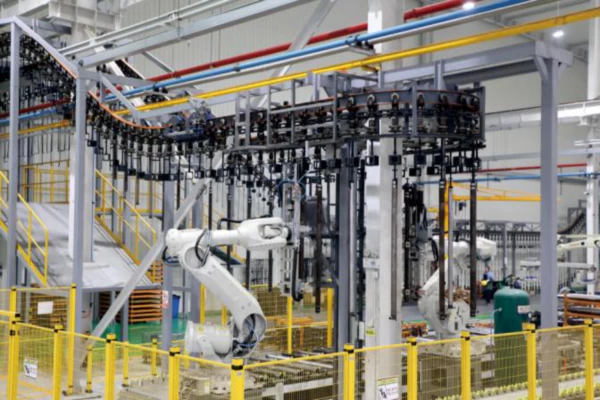
Turning to the environments where these hydraulic cab lift cylinders prove invaluable in road rollers, envision a vibrating machine on a highway resurfacing job, where the operator needs to raise the cab for better oversight of the compaction—vibrations rattling everything, yet the cylinder lifts smoothly without oil drips marring the worksite. We’ve equipped them in quarry operations with heavy dust, where the chrome plating shields against abrasion as the double-acting mechanism ensures steady elevation despite jolts. Or on urban street repairs with constant stops, the cushioning prevents leaks from abrupt halts, maintaining cab height reliably. In our experience, vibrations often exacerbate oil issues during lifts, but this design holds strong, allowing quick adjustments for safety. Isn’t operator visibility crucial in tight spaces? These hydraulic cab lift cylinders facilitate that, enhancing control in engineering machinery across rough terrains, from soft earth to paved lots, reducing risks and boosting workflow.

As we look at emerging patterns in the field, hydraulic cab lift cylinders for road rollers are shifting toward more integrated smart features, like sensors detecting vibration levels to adjust cushioning in real-time and prevent leaks before they occur. With operator safety in the spotlight (regs are getting stricter on ergonomics), lighter carbon steel variants are appearing to ease lifts without sacrificing strength against shakes. Electrification trends in rollers mean cylinders compatible with hybrid systems, where buffered designs help manage energy efficiently during elevation. In our experience, most innovations aim at sustainability, using eco-seals to curb oil leaks and extend life in vibrating ops. Folks sometimes miss how these changes cut long-term costs, but the key is tailoring for autonomous features that automate cab adjustments. As construction demands grow greener and smarter, our hydraulic cab lift cylinders are adapting to deliver reliable, efficient performance in evolving machinery.
For a comprehensive view of these hydraulic cab lift cylinders in road rollers, we’ve sketched a SWOT analysis from our accumulated insights and refinements.
SWOT Analysis for Road Roller Hydraulic Cab Lift Cylinders
| ताकत – Strong vibration handling with carbon steel and cushioning. – Chrome plating prevents corrosion in dusty lifts. – Double-acting design ensures smooth elevation (great for safety!). – Effective leak prevention extends operational life. |
कमजोरियों – Welded build adds weight, though with minimal impact. – Needs fluid monitoring to avoid leaks in extremes. – Costlier upfront for buffered features (worth it long-term). |
| अवसर – Demand for smart sensors in safety-focused markets. – Growth in hybrid rollers for eco-compatible cylinders. – Expansion into global construction for custom needs. |
धमकियाँ – Cheaper imports lack cushioning quality. – Material supply issues for carbon steel. – Evolving safety standards require updates. |
A memorable client story comes from South Africa, in the mining road construction industry. They were building access roads in vibrating, dusty mines, and their cab lift cylinders kept leaking oil from constant jolts, compromising operator safety and delaying shifts. We customized our double-acting welded models with enhanced cushioning to match their roller vibrations, using carbon steel for durability. After fitting, leaks stopped, lifts became reliable, and productivity rose—finishing the roads ahead of time and cutting maintenance by half.
Some insights from our clients:
“These hydraulic cab lift cylinders conquered our South African mine vibrations—no leaks, just smooth lifts!” — Johan V., Foreman, Johannesburg, South Africa.
“Cushioning made all the difference in our shaky sites; elevation is flawless now.” — Lisa M., Manager, Sydney, Australia.
“In dusty Indian projects, these cylinders with chrome kept cabs lifting without issues.” — Arjun P., Engineer, Mumbai, India.
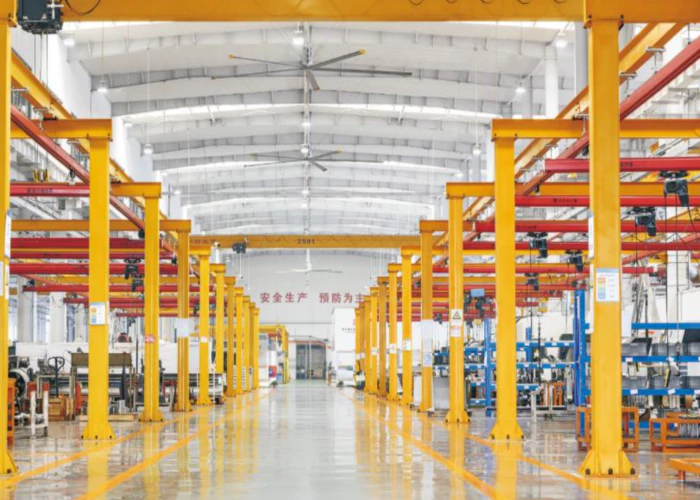
In our factory, we’ve developed a strong suit in customizing hydraulic cab lift cylinders for over 18 years, adjusting them to specific road roller needs where vibrations and lift frequencies vary. From bolstering cushioning for leak-prone setups to selecting carbon steel grades for extra strength, our experts thrive on those details—in our experience, standard ones rarely suffice in engineering machinery. We employ precise welding and vibration tests to validate each custom build, ensuring they deliver on-site without surprises. This customization capability allows fast responses to unique requests, keeping your rollers operational.
Questions often arise in conversations, so we’ve listed some in a spoken manner.
What is the price of hydraulic cab lift cylinders for road rollers in South African mining construction?
Prices start at $250-$550 based on custom cushioning; get a quote for South Africa’s vibrating sites.
How to find a supplier for vibration-resistant cab lift cylinders in Australian urban road roller projects?
Look for specialists like us with carbon steel expertise—request a tailored quote for Australia’s jobs.
Which cab lift cylinder type is best for leak prevention in Indian infrastructure road rollers?
Double-acting welded with chrome plating performs well; inquire about costs for India-specific options.
Where can I get quotes for custom elevation cylinders in US highway road roller operations under vibrations?
From Ever-Power—our buffered designs meet US standards; secure a supplier quote today.
When should I replace cab lift cylinders in Chinese high-speed rail road roller projects facing oil leaks?
After 300,000 cycles or leak signs; contact for pricing on durable upgrades for China sites.