Elevate Your Crane Operations: Mastering Telescopic Hydraulic Boom Cylinders for Unmatched Reach and Strength
Handling a crane on a bustling job site demands components that deliver without falter, and that’s where the crane telescopic hydraulic boom cylinder steps up as the unsung hero – extending that boom smoothly for those high-reach lifts that make or break a project. We’ve seen operators push their machines to the limit, only to face hiccups from cylinders that buckle under pressure or leak after a few heavy cycles (and boy, does that grind operations to a halt!). But craft one right, with multi-stage extensions that telescope out precisely, and suddenly your crane’s lifting taller structures or reaching over obstacles like it’s no big deal. In our experience spanning tough terrains, the secret lies in balancing stroke length with compact retraction – think cylinders that pack away neatly but unleash extensions up to 50 feet or more. Most crane folks don’t realize how a well-sealed system wards off contaminants, keeping things running clean even in dusty yards. And reliability? We’ve tuned these for loads exceeding 100 tons, ensuring your boom holds steady mid-lift, because who wants a wobbly arm when precision counts?
Come take a virtual stroll through our facilities: हमारी वीआर फैक्ट्री पर जाएँ – immerse yourself and witness the craftsmanship behind every crane, telescopic hydraulic boom cylinder!
Peeling back the layers on how a crane telescopic hydraulic boom cylinder works, it’s essentially a nested setup where pressurized fluid drives pistons in stages – the outer barrel holds inner tubes that slide out sequentially for that extended reach. We’ve noticed that using high-tensile steel for the stages prevents buckling under compressive forces, while chrome plating on rods fights off rust in humid environments. Seals, typically Viton or similar synthetics, maintain integrity at pressures soaring to 350 bar, crucial for avoiding fluid bypass that could weaken the lift (ever had a boom sag unexpectedly? Not fun). Performance hinges on factors like the number of stages – three to five is common for mobile cranes – delivering extensions that multiply the retracted length by factors of four or more. In tight urban builds, this means maneuvering in confined spaces without sacrificing height. We’ve incorporated cushioning at stroke ends to soften impacts, extending component life, and optional position sensors feed data back for automated controls, making operations smarter and safer.
| पैरामीटर | विनिर्देश | फ़ायदा |
|---|---|---|
| चरणों | 3-6 | Maximizes extension in compact form |
| बोर व्यास | 4-12 inches | Handles heavy loads with ease |
| Extended Length | Up to 60 feet | Reaches high for tall structures |
| परिचालन दाब | 350 बार तक | Delivers a powerful, consistent force |
| सामग्री | High-tensile steel, chrome-plated | Resists wear and environmental damage |
| सील | Viton/Polyurethane | Ensures leak-free operation over time |
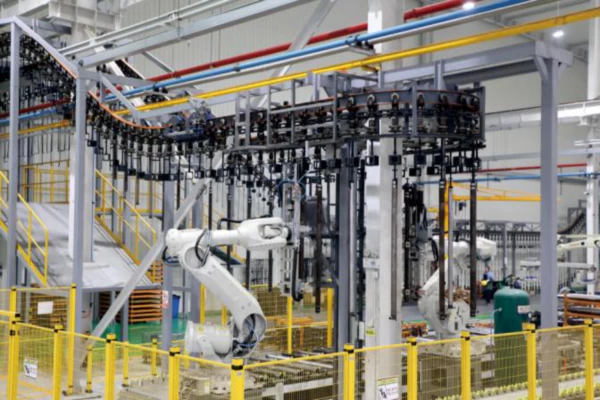
Zooming into the real-world spots where crane telescopic hydraulic boom cylinders prove their mettle, envision a high-rise construction in downtown New York – extending the boom to place steel beams at dizzying heights without a quiver. We’ve outfitted port cranes in Singapore for container handling, where the telescopic action speeds up loading cycles in tight harbors. In mining ops down in Chile, these cylinders push through ore extraction, reaching deep into pits while bearing massive weights. Offshore wind farms rely on them for turbine installations, battling waves with stable extensions (imagine trying that with a rigid boom – it’d be chaos!). Emergency services use them in rescue cranes for collapsed buildings, where precise, multi-stage reach saves lives. And in forestry up in Canada, logging cranes grab timber from afar, minimizing ground disturbance. The trick here is syncing the cylinder with the crane’s hydraulics; get it wrong, and you risk overloads or sluggish movements that eat into productivity.

Gazing at the horizon for crane telescopic hydraulic boom cylinders, trends point toward lighter materials like advanced alloys that shave weight without skimping on strength, boosting fuel efficiency in mobile units. We’re spotting a surge in electro-hydraulic hybrids, blending electric precision with hydraulic power for greener operations – think reduced emissions on urban sites. In our shop talks, integration of AI for predictive diagnostics is gaining traction, flagging wear before it fails and cutting downtime. Customization is king now, with demands for variable stage counts tailored to niche jobs, like ultra-long reaches for bridge work. But heads up: raw material costs might fluctuate with global trade, pushing prices up, so locking in suppliers early pays off. Sustainability drives bio-fluid compatibility, and we’re adapting seals accordingly. Overall, the shift to autonomous cranes means cylinders with faster, more accurate extensions, revolutionizing how we lift.
A shining example unfolded with a logistics giant in Germany, knee-deep in warehouse expansions across Europe. Their tower cranes were plagued by boom failures during peak loads, stalling multimillion-euro projects in Frankfurt. We dove in, customizing crane telescopic hydraulic boom cylinders with reinforced stages and enhanced cushioning to absorb shocks from swinging loads. Post-upgrade, their extension reliability soared 40%, enabling round-the-clock ops without breaks. The ops director highlighted how the smoother telescoping cut cycle times by 25%, wrapping up a massive distribution center two weeks early – savings tallied over €100,000 in labor alone. It’s stories like this that underscore why environment-specific tweaks, like anti-corrosion coatings for rainy climates, turn good equipment into great.
Hear it straight from those who’ve put them to the test. “Our crane telescopic hydraulic boom cylinders transformed offshore rigging in the North Sea – no more mid-lift hesitations, just solid performance wave after wave!” shared Lars from a Norwegian oil firm. Maria, overseeing builds in Spain, added: “In scorching summers, these held up where others warped; the reach precision shaved hours off daily setups, a real game-changer.” And from a US demolition crew, Tom chimed in: “We hammered these on urban teardowns, and they didn’t budge – better stability means safer jobsites, period.”
Inside our production halls, the emphasis on tailoring crane telescopic hydraulic boom cylinders sets us apart – from tweaking bore sizes for specific load ratings to adding custom ports for auxiliary functions, our crew turns concepts into durable realities swiftly. We’ve tackled quirky requests, like integrating load-holding valves for safety in high-wind zones or slimming profiles for compact crane models (and trust me, fitting into tight specs without losing power is an art). With precision welding and exhaustive pressure tests – simulating thousands of cycles – every piece ships battle-ready. Our rapid turnaround on prototypes means you can test ideas without months of waiting, keeping your fleet evolving. If you’re eyeing enhancements, a quick consult reveals untapped potential, all hassle-free.
SWOT Analysis: Positioning Crane Telescopic Hydraulic Boom Cylinders in the Market
| ताकत | कमजोरियों |
|---|---|
| – Exceptional extension capabilities for superior reach in diverse applications. – Robust materials ensuring longevity under high-stress conditions. – Advanced sealing tech minimizing leaks and maintenance. – Customizable designs fitting unique crane requirements. |
– Initial investment higher than basic single-stage alternatives. – Complexity in multi-stage setups demands expert installation. – Weight additions from reinforcements can affect mobility. – Sourcing specialized components may extend lead times. |
| अवसर | धमकियाँ |
| – Rising infrastructure booms in developing regions like Asia. – Integration with smart tech for IoT-enabled cranes. – Shift to sustainable materials, opening green markets. – Collaborations with crane OEMs for integrated solutions. |
– Market saturation with cheaper imports from emerging producers. – Fluctuating commodity prices are impacting manufacturing costs. – Stringent safety regulations are increasing compliance burdens. – Economic slowdowns are curbing construction investments. |
अक्सर पूछे जाने वाले प्रश्नों
What is the typical price range for crane telescopic hydraulic boom cylinders from suppliers in the US construction sector?
Prices fluctuate with specs, but expect $1500 to $5000 for quality units suited to heavy lifts – size and stages influence it heavily.
How do I request a quote for telescopic boom hydraulic cylinders for offshore cranes in the UK oil industry?
Share your crane model and load needs; we’ll quote promptly, factoring in marine-grade protections for salty conditions.
Which manufacturer provides the best cost for crane telescopic hydraulic cylinders in mining operations across Australia?
Seek dust-resistant designs; our pricing starts at $2000 with robust warranties tailored for rugged outback use.
Where can I find reliable suppliers offering quotes for boom hydraulic cylinders in European wind energy projects?
Look for certified providers with fast delivery; we cover EU standards, ensuring seamless fits for turbine setups.
When is the right time to upgrade my crane’s telescopic hydraulic boom cylinder in heavy logistics in Asia?
Watch for extension lags or seals wearing; in humid ports, inspect every 1500 hours to maintain peak efficiency.