Stainless Steel Hydraulic Cylinders: The Clean, Mean, Corrosion-Fighting Machine
When standard steel dissolves, we bring out the 316L and Duplex. Built for the harshest environments on Earth.
I’ve spent nearly two decades crawling around the bilges of fishing trawlers and inspecting clean rooms in pharmaceutical plants, and if there is one universal truth I’ve learned, it’s that rust never sleeps. You wouldn’t believe how many times I’ve seen a perfectly good production line shut down because someone tried to save a few bucks by using a standard carbon steel cylinder with a “heavy duty” paint job in a washdown zone. It works for six months, sure. But once that caustic cleaning solution gets under a chip in the paint? Game over. The cylinder starts flaking rust into your food product or seizing up right when you need to harvest. That is why Stainless Steel Hydraulic Cylinders aren’t just a luxury upgrade; for certain industries, they are the only thing standing between reliable uptime and a compliance nightmare.
The misconception most printers (and even some junior engineers) have is that “stainless is stainless.” They grab a catalog, see 304 stainless, and think they are covered for a subsea application. In our experience, that’s a recipe for disaster. 304 is great for your kitchen sink, but put it in warm saltwater, and chloride stress corrosion cracking will eat it alive. We engineer our cylinders based on the specific chemical aggression of your environment. Whether it’s the 316L standard for general marine use or the exotic Duplex 2205 for high-pressure deep-sea work, the material science dictates the design. It’s not just about looking shiny; it’s about structural integrity when the world around the cylinder is trying to dissolve it.
More Than Just Shiny Metal: The Material Science
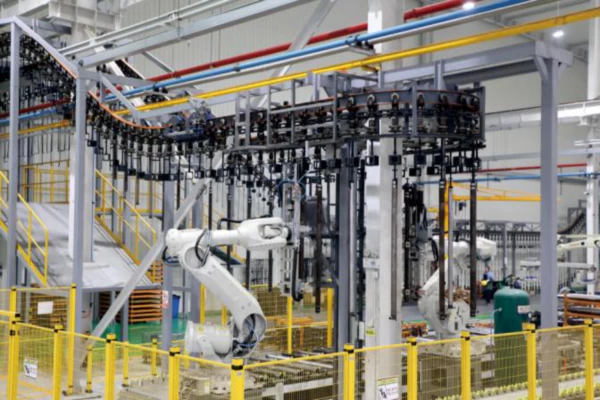
Our specialized electropolishing station ensures Ra values < 0.4μm for sanitary compliance.
Designing a stainless cylinder is tricky because stainless steel has a nasty habit of galling (cold welding) if you aren’t careful with your thread tolerances and lubrication. We typically use a dissimilar material for the gland nut—often a high-strength Aluminum Bronze or a nitrided stainless steel—to prevent the head from freezing to the barrel during maintenance. Also, heat dissipation is different. Stainless holds heat longer than carbon steel, so for high-duty cycle applications, we have to adjust our seal clearances to account for thermal expansion. It’s these little details that you won’t find in a textbook, but you learn them quickly after your first field failure!
| सामग्री ग्रेड | Key Characteristics | Ideal Application Scenario |
|---|---|---|
| AISI 304 | Basic corrosion resistance, lower cost. | Light washdown areas, pneumatic replacements, dry food handling. |
| AISI 316L | Excellent pitting resistance (Molybdenum added). | Pharmaceutical, Chemical processing, Surface marine. |
| डुप्लेक्स 2205 | High strength (2x of 316L), extreme corrosion resistance. | Subsea ROVs, Offshore oil rigs, and desalination plants. |
| 17-4 PH | Hardened stainless steel, extremely tough. | Piston rods are subject to impact or scratch risks. |
SWOT Analysis: Is Stainless Worth the Investment?
When I consult with plant managers, the first hurdle is always the price tag. Stainless cylinders are expensive. But let’s break down the strategic value using a SWOT model, because sometimes the “expensive” option is actually the cheapest in the long run.
ताकत
- Longevity: Can last 10-20 times longer than painted steel in corrosive zones.
- स्वच्छता: Smooth surfaces trap no bacteria; vital for FDA/USDA compliance.
- Aesthetics: Equipment looks premium and well-maintained.
कमजोरियों
- लागत: सामग्री और मशीनिंग की लागत बहुत अधिक है।
- गर्मी: Lower thermal conductivity can lead to hotter-running seals.
- कष्टदायक: Thread seizure risk during maintenance if not lubricated properly.
अवसर
- Sustainability: Removing paint chips and toxic coatings from the food chain.
- Bio-Fluids: Compatibility with water-glycol and biodegradable hydraulic fluids.
धमकियाँ
- इलेक्ट्रिक एक्चुएटर्स: In low-force hygienic applications, electrics are gaining ground.
- आपूर्ति श्रृंखला: Fluctuations in Nickel prices affect stainless availability.
जहां हम उन्हें चमकते हुए देखते हैं
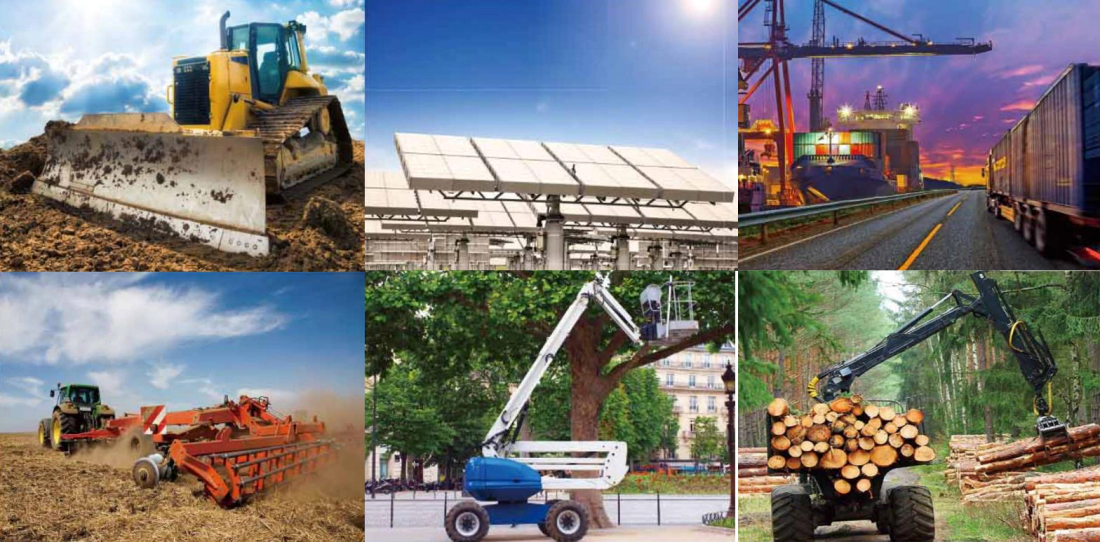
The most obvious application is **Marine and Offshore**. We supply huge 350mm bore cylinders for ship steering gear and hatch covers. But the sector that really pushes our engineering limits is **Food and Beverage**. Here, the cylinder design must be “Clean Design.” This means no crevices, no exposed threads, and everything must be rounded so water runs off. We’ve seen a massive uptick in demand for these in meat processing plants where they use high-pressure caustic foam for cleaning every night. If the seal wiper isn’t designed to scrape that dried foam off the rod, you’ll blow a seal in a week.
Trend Analysis: The Move to “Super Hygienic”
The trend right now is moving beyond just “stainless.” Clients are asking for **Electropolishing**. This is an electrochemical process that removes surface material, smoothing out the microscopic peaks and valleys. This reduces the surface area where bacteria can hide by 90%. We are also seeing a shift towards water-hydraulics (using tap water instead of oil) in food plants to eliminate contamination risk entirely. This requires specialized ceramic-coated stainless rods and polymer bearings, but it’s the future of clean manufacturing.
Case Study: The Norwegian Salmon Challenge
ग्राहक: Nordic AquaShield (Aquaculture Sector) | जगह: Bergen, Norway
सिरदर्द: This client manages offshore salmon farms. They were using standard marine-painted cylinders to operate the net cleaning arms. The North Sea is brutal—cold, salty, and rough. The paint was chipping off after 4 months, leading to rod pitting. The rough rods were tearing seals, leaking hydraulic oil into the fish pens. This was an environmental compliance disaster waiting to happen.
हमारा समाधान: We engineered a custom **Duplex 2205 Stainless Cylinder**.
1. **Material:** We chose Duplex 2205 for the rod and barrel to handle the high stress and corrosion.
2. **Sealing:** We installed a specialized “Ice-Scraper” double-wiper seal to handle the freezing spray.
3. **Fluid:** The cylinders were designed to run on a biodegradable ester-based fluid (HEES).
परिणाम: The new cylinders have been in operation for 24 months. Zero corrosion. Zero leaks. The client reduced their maintenance dives by 70%.
“We tested three suppliers. Ever Power was the only one who asked about the water temperature before quoting. That attention to detail saved us.”
— Bjorn H., Operations Manager
“The Duplex steel is incredible. Two winters in the North Sea and they still look brand new.”
— Erik S., Maintenance Lead
“Expensive upfront? Yes. Cheap in the long run? Absolutely. We haven’t replaced a single unit yet.”
— Lena K., Purchasing Director
Factory Direct: Custom is Our Standard
You can’t just buy these off the shelf at a hardware store. Working with stainless steel requires specialized tooling and welding procedures (TIG/MIG with specific shield gases) to maintain the corrosion-resistant properties of the metal. If you weld 316L incorrectly, you burn out the chromium, and it rusts right at the weld bead. We have certified welders who specialize in pressure-tight stainless welding. We can customize mounting styles (trunnion, clevis, flange) and even integrate internal position sensors for smart automation.
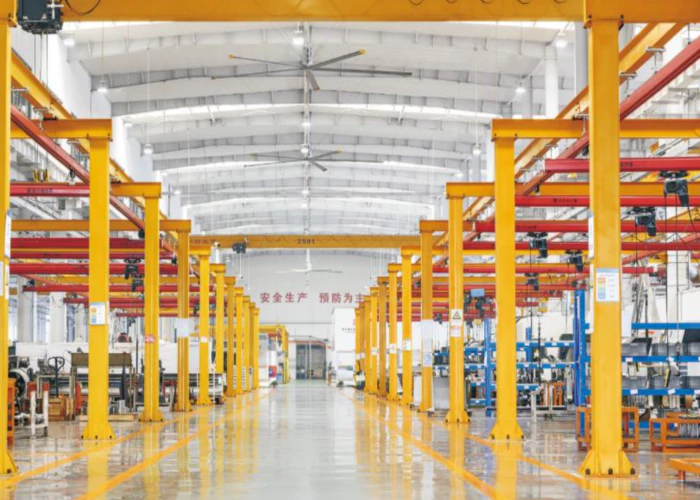
See Clean Manufacturing in Action
Transparency matters. Take a virtual walk through our stainless assembly clean room right now.
👉 हमारी VR फ़ैक्टरी पर जाने के लिए यहाँ क्लिक करें
यात्रा की कोई आवश्यकता नहीं। बस शुद्ध इंजीनियरिंग।
FAQ: Honest Answers to Tough Questions
What is the actual price difference between a standard painted cylinder and a 316L stainless steel cylinder?
I will be honest with you, the sticker shock can be real initially. A full 316L stainless unit typically costs 3 to 4 times more than a carbon steel counterpart. However, when you factor in that the carbon steel unit might need replacing every 6 months in a saltwater environment, while the stainless unit lasts 10 years, the ROI usually flips in year two.
Can you manufacture custom stainless cylinders for food processing machinery in the USA?
Yes, absolutely. We ship custom food-grade units to the US regularly. We ensure the surface finish is electropolished to Ra 0.4μm or better to prevent bacterial growth, and we use FDA-approved food-grade lubricants during assembly.
Which stainless grade should I choose for a subsea application, 316L or Duplex 2205?
If you are going deep or dealing with warm saltwater, skip the 316L. In our experience, Duplex 2205 (or Super Duplex 2507) is the only way to go. It has vastly superior pitting resistance and double the yield strength, which allows us to keep the cylinder weight down.
How do you prevent galling in stainless steel cylinder threads during maintenance?
Galling is the nightmare of stainless threads! The trick is using dissimilar hardnesses for the mating parts (like a specialized bronze gland nut) or applying a high-quality anti-seize compound specifically designed for stainless. Never assemble them dry.
Where can I find a supplier who offers electropolishing for pharmaceutical grade cylinders?
You just found one. For pharma applications, mechanical polishing isn’t enough. We offer electropolishing services that smooth out the microscopic peaks and valleys of the steel, leaving a surface that is chemically passive and incredibly easy to sterilize.
Ready to Ban Rust from Your Facility?
Stop paying for downtime. Invest in a solution that lasts.