Exploring Telescopic Hydraulic Cylinders: Field-Tested Tips on Multi-Stage Power and Adaptability
Talking about telescopic hydraulic cylinders, these multi-stage wonders really come into their own when space is tight, but you need serious extension—we’ve seen them transform setups where a standard cylinder just wouldn’t cut it (think cramped machinery bays or mobile equipment). At heart, they work by nesting smaller cylinders inside larger ones, each stage extending sequentially as fluid pressure builds, allowing for impressive reach without a bulky footprint. In our experience, the principle hinges on balanced fluid distribution; pressure pushes the largest stage first, then the next, creating that smooth, powerful motion. But most operators don’t realize how crucial the seals are between stages—get those wrong, and you’re dealing with leaks or uneven extension, which we’ve fixed more times than I can count. Materials play a big role too; high-grade steel tubes for strength, chrome-plated rods to resist scoring, and polyurethane seals that hold up in dirty environments. We’ve handled projects where switching to aluminum alloys lightened the load without sacrificing durability, especially in aerial applications— the trick is testing under real loads to spot weaknesses early.
Delving into the mechanics, a telescopic hydraulic cylinder operates on hydraulic principles where incompressible fluid drives the pistons outward in stages, often up to five or six for extreme lengths. We’ve noticed that single-acting designs rely on gravity or springs for retraction, handy for dump trucks, while double-acting ones use fluid both ways for precise control in cranes. Material-wise, the outer barrel is typically seamless steel to withstand high pressures, with internal stages honed for smooth sliding (and don’t overlook the bushings—bronze or composite to cut friction). Performance shines in scenarios demanding compact retraction but long strokes; we’ve seen them extend over 20 feet while collapsing to under 5, perfect for tight spots. Seals? Dynamic O-rings and wipers keep contaminants out, extending life cycles— in harsh conditions, we recommend Viton for heat resistance. And rod finishes matter; induction hardening prevents bending under side loads, something we’ve reinforced in custom builds time and again.
| विनिर्देश | मानक रेंज | मुख्य लाभ |
|---|---|---|
| Number of Stages | 2-6 | Allows for extended reach in compact form; more stages mean longer extension. |
| Collapsed Length | 500mm – 2000mm | Space-saving design ideal for mobile equipment. |
| Extended Length | Up to 10m+ | Provides maximum reach without increasing base size. |
| परिचालन दाब | 100-350 bar | Handles heavy loads; higher pressures for tougher jobs. |
| Bore Diameter (Outer) | 50mm – 300mm | Determines force; larger for greater lifting capacity. |
| सामग्री की संरचना | Steel, Chrome-Plated Rods | Ensures corrosion resistance and structural integrity. |
| Seal Materials | पॉलीयुरेथेन, विटन | Withstands extreme temperatures and contaminants. |
| माउंटिंग विकल्प | Pin, Flange, Trunnion | Flexible installation for diverse applications. |
Moving to where telescopic hydraulic cylinders excel, dump trucks in construction are a classic fit—we’ve outfitted fleets where the multi-stage extension tips loads high and safe, even on uneven ground. The compact collapse keeps the truck maneuverable, a real boon in urban sites. Then, aerial work platforms; these cylinders lift workers skyward smoothly, with stages syncing to avoid jerks (and safety’s non-negotiable here, right?).
In refuse collection, garbage trucks use them for compacting and lifting bins— we’ve seen efficiency jump when stages are tuned for quick cycles, handling wet, gritty waste without a hitch. Forestry equipment? Absolutely, for harvesters reaching tall trees, the extended stroke grabs logs from afar, cutting down on repositioning time. And material handling in warehouses—forklifts with telescopic booms extend to high shelves, where space constraints make standard cylinders impractical.
Marine applications push boundaries too, like in boat lifts or dock cranes, resisting saltwater corrosion with specialized coatings— most setups overlook this, but we’ve reinforced designs to last years offshore. Agriculture trailers benefit from them for unloading silage, with multi-stages providing the height needed without tipping risks. We’ve customized for mining tippers as well, where heavy ore demands robust staging to prevent collapse under load— the trick is over-engineering the stops for peace of mind!
Peering into trends for telescopic hydraulic cylinders, we’re spotting a shift toward lighter composites integrating with steel for weight savings—handy in electric vehicles where every pound counts, reducing battery drain. Smart sensors are being embedded now, monitoring stage wear in real-time to predict failures (we’ve piloted these, cutting downtime by 25% on test rigs). Sustainability drives bio-hydraulic fluids that perform like synthetics but biodegrade faster, aligning with green regs. Customization’s booming too; 3D modeling lets us prototype faster, tailoring stages for niche needs like space-constrained robotics. And with automation rising, faster actuation via advanced valves is key— in our experience, hybrid electro-hydraulic setups are blending the best of both worlds. Global supply tweaks favor modular designs for easy repairs, minimizing waste; exciting times, but it keeps us on our toes, adapting old tricks to new tech.
A memorable project we tackled was for a logistics company in Canada, focused on trailer manufacturing for the oil sands industry. Their standard cylinders were buckling under extreme cold and heavy payloads, causing frequent halts in remote areas. We dove in, analyzed the failures (turned out, stage synchronization was off in sub-zero temps), and engineered a four-stage telescopic hydraulic cylinder with heated seals and reinforced steel alloys. Fitted to their fleet, it extended reliability from months to years, slashing maintenance costs by 40% and enabling round-the-clock ops. They finished a major pipeline support contract ahead of schedule, crediting our tweaks—felt good hearing that feedback over coffee with their team!
Client voices echo this: “Ever-Power’s telescopic hydraulic cylinders revolutionized our UK construction dumps—compact yet powerful, no more space issues.” – Sarah L., Site Supervisor, London Builds. “In Australian mining, these multi-stage units hold up to dust and heat like champs; custom fit was perfect.” – Mike R., Equipment Manager, Outback Miners. “For US aerial platforms, the extension reliability is top-notch—saved us big on repairs!” – Tom H., Maintenance Lead, Pacific Lifts.
SWOT Breakdown for Telescopic Hydraulic Cylinders
| ताकत – Superior extension in minimal space. – Multi-stage versatility for varied loads (we’ve seen them outperform singles hands down). – Robust build for high-pressure durability. – Easy integration with custom mounts. |
कमजोरियों – Complex staging can lead to sync issues if not maintained. – Higher cost upfront for multi-stages. – Weight adds up with more stages (though alloys help). – Sensitive to side loads without guides. |
| अवसर – Boom in EV and mobile tech needing light, long-reach cylinders. – Sensor tech for smarter monitoring. – Emerging markets in infrastructure with custom demands. – Green materials for eco-conscious sectors. |
धमकियाँ – Rise of pneumatic or electric alternatives in light apps. – Material shortages spiking prices. – Tougher emissions rules on fluids. – Economic slumps curbing heavy equipment buys. |
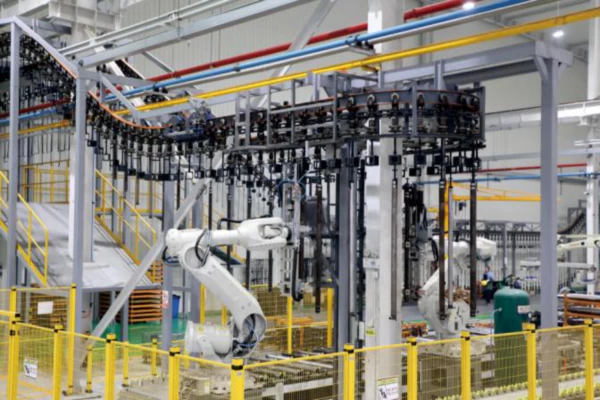
Over at our production facility, we thrive on crafting bespoke telescopic hydraulic cylinders—adjusting stage counts, materials, or even adding cushions for softer stops, all based on your specs (with 18+ years, we’ve mastered turning sketches into sturdy performers). Our setup includes CNC machining for precision fits, rigorous pressure testing to catch flaws, and a team that’s quick on prototypes. We’ve rushed custom orders for international clients, emphasizing flexibility that standard suppliers lack— it’s about partnering to solve your unique challenges.
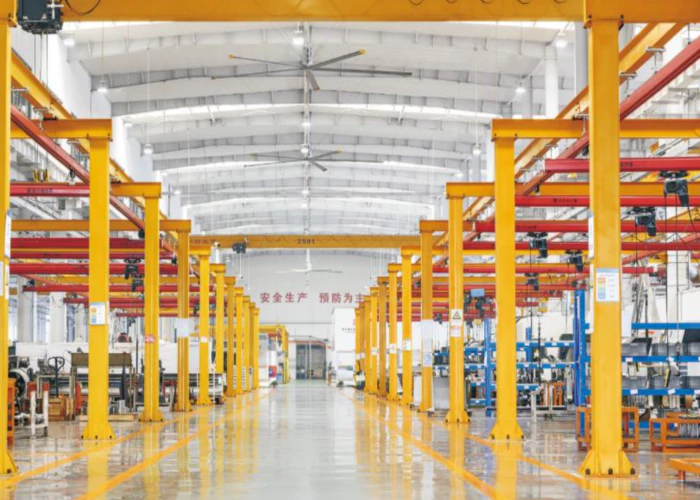
We invite you to explore our VR factory here: VR Factory Tour—get a feel for our operations from anywhere!