Why standard cylinders die in the mud, and how Triple-Sealed Q345D tech keeps your bucket grabbing.
Let’s be honest: the clamshell grab bucket is the workhorse of the dredging and bulk handling world, but it’s also the most abused piece of equipment on the site. I’ve been designing hydraulic systems for yellow iron for nearly two decades, and I’ve seen what happens when you dip a standard cylinder into a mix of saltwater, sand, and clay 500 times a day. It’s not pretty. The Opening/Closing Cylinder (or grab cylinder) is the muscle behind the bite. If it leaks, you lose clamping force, the load slips, and your efficiency drops to zero. Most printers and catalog suppliers don’t realize that these cylinders aren’t just pushing; they are surviving in a grinding paste.
In our experience, the failure point is almost always the rod seal. Standard chrome rods get micro-pitted by the sand, and then the rust sets in. That is why we stopped using standard materials for this application years ago. We switched to Q345D Low-Alloy Steel for the barrel (excellent impact resistance even in freezing water) and, more importantly, we utilize a Placage nickel-chrome on the rod combined with a triple-seal layout. It’s a bit heavier and costs a few dollars more upfront, but when you are pulling sludge from a riverbed, you need a cylinder that fights back.
👀 Découvrez comment nous les construisons
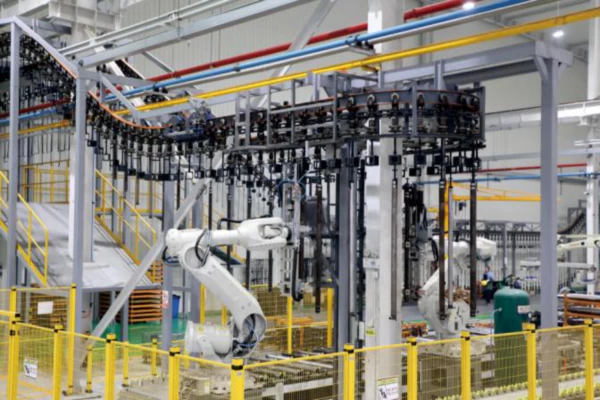
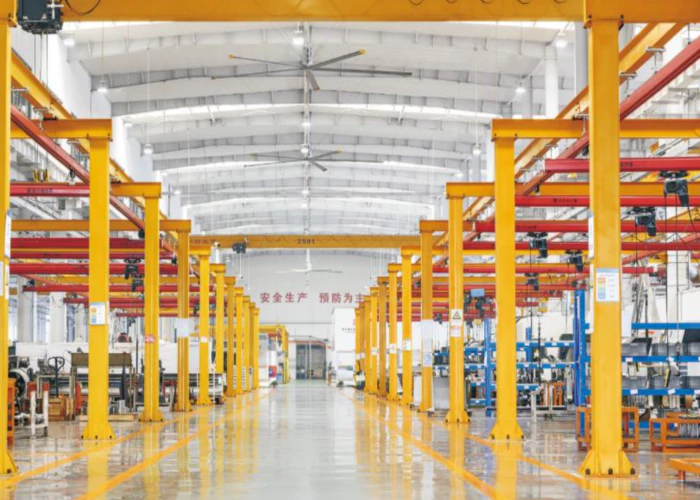
We believe in transparency. We don’t just import boxes; we weld, plate, and test right here. We’ve digitized our entire production floor so you can inspect our pressure testing benches and honing machines from your phone.
Take a virtual walk through the shop floor:
The “Triple Defense” Against Mud & Corrosion
Let’s get into the engineering. A Clamshell Grab Cylinder is a Double-Acting Piston design, usually welded to save weight and increase robustness. But the environment dictates the specs. When you are dredging, the cylinder is often submerged. The pressure of the water tries to force contaminants dans the cylinder every time the rod retracts.
Here is the trick we use: The Triple Sealing System.
1. Primary Wiper: A heavy-duty metallic or hard-PU scraper that physically knocks off dried mud and ice.
2. Secondary Seal: A buffer seal that captures any fine silt that got past the wiper.
3. Main Rod Seal: A high-pressure U-cup that keeps the oil in.
Combined with a rod plated in Nickel (for chemical resistance) layered with Chrome (for hardness), you get a surface that is slippery to mud but hard as a rock. We also use Acier Q345D for the barrel and clevis. Unlike standard ST52, Q345D maintains high impact strength even at -20°C, which is critical if you are working in northern ports or winter construction sites.
| Fonctionnalité | Spécifications standard du marché | Our “Mud-Master” Spec |
|---|---|---|
| Matériau du fût | Acier 1020 / ST52 | Q345D (Low-Temp High Strength) |
| Revêtement de tige | Chrome standard (20 μm) | Nickel + Chrome dur (Ni-Cr) |
| Système d'étanchéité | Essuie-glace à lèvre unique | Triple Seal (Scraper + Buffer + Rod) |
| Clamping Force | Standard (210 Bar) | High Pressure (350 Bar Peak) |
| Structure | Barre d'accouplement ou boulonnée | Heavy Duty Welded Clevis |
Where Does This Cylinder Shine?
The primary home for this technology is the Hydraulic Clamshell Bucket attached to excavators or cranes. You see them in port terminals unloading coal or grain, but the real test is in River Dredging et Foundation Diaphragm Wall construction. Here, the cylinder is submerged in a bentonite slurry or abrasive sand mixture.
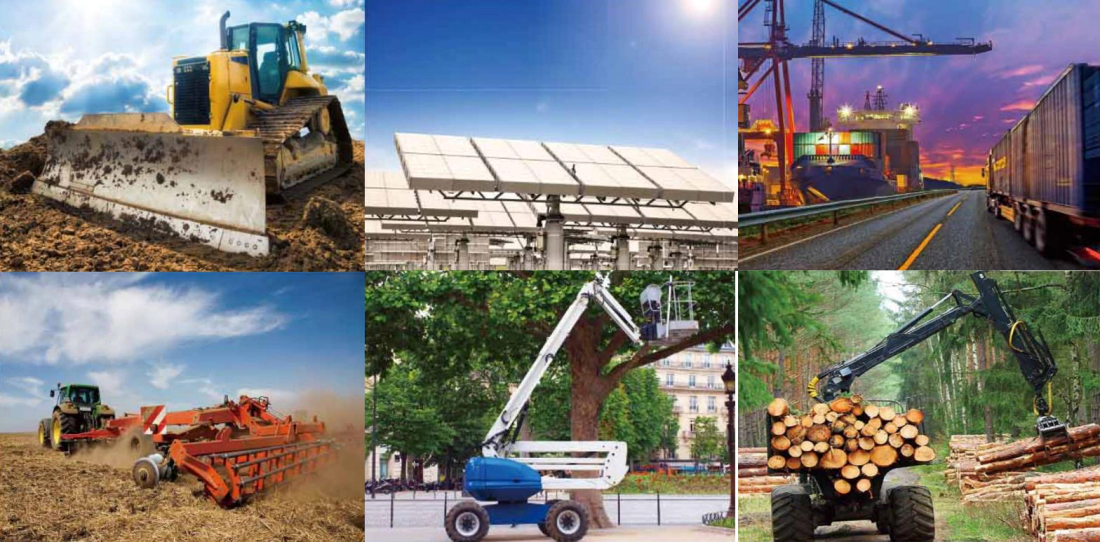
Another growing application is in waste handling (Energy from Waste plants). The “Garbage Grabs” work 24/7, cycling thousands of times a day. While they aren’t underwater, the acidity of the waste (leachate) attacks standard chrome rods. Our Nickel-plated solution is perfect here because Nickel is naturally resistant to acidic corrosion. We also engineer these with a “Cushioning” feature at both ends of the stroke to prevent the bucket from banging open or slamming shut, which protects the weld seams from shock fatigue.
Case Study: The Malaysian River Cleanup
Client: “Selangor Dredging Solutions” – A marine contractor in Malaysia.
Le mal de tête : They were deepening a river channel filled with silica-heavy sand and salt water. Their OEM cylinders (standard steel) were failing every 3 weeks. The sand was bypassing the wipers, scoring the rods, and causing massive internal bypass. The grab bucket would lose strength mid-lift, dropping silt back into the river.
Notre solution : Nous avons conçu un système sur mesure Q345D Opening/Closing Cylinder.
- ✅ Placage: Applied a 40-micron Nickel base layer under the Chrome.
- ✅ Scellés: Installed a customized Parker “Mud-Scraper” wiper ring.
- ✅ Protection: Added a welded shroud to the gland area to deflect heavy rocks.
Le résultat : The new cylinders have been running for 8 months with zero leaks. The maintenance chief, Mr. Lee, sent us a message saying, “Finally, I can sleep at night without worrying about hydraulic spills.”
Ce que dit l'industrie
“We used to change seals monthly on our sand grabs. The triple seal system on these Ever Power cylinders actually works. We are at 6 months now and dry as a bone.”
— Pieter V., Dredging Engineer, Netherlands
“The Q345D material holds up better to the banging around in the hold of the ship. Less denting on the barrel compared to what we used before.”
— Sarah J., Port Operations, Australia
“Competitive price for a nickel-plated rod. They customized the pin size for our old Liebherr grab perfectly.”
— Raj M., Procurement, India
Analyse stratégique (SWOT)
Points forts
- Résistance supérieure à la corrosion (nickel-chrome).
- Triple-seal technology prevents mud ingress.
- Robust Q345D welded construction.
- High clamping force retention.
Faiblesses
- Higher cost due to the nickel plating process.
- Slightly longer lead time for plating.
- Heavier than standard tie-rod cylinders.
Opportunités
- Expanding global dredging and port infrastructure.
- Trend towards bio-degradable oils (requires Viton seals).
- Retrofit market for aging port equipment.
Menaces
- Disposable, low-quality cylinders from competitors.
- Fluctuating Nickel and Steel prices.
- Electric actuators in smaller grab applications.
Future Trends: Smart Grabs?
We are keeping an eye on two major shifts. First, Higher Pressures. Newer excavators are running systems at 350+ bar to use smaller, lighter cylinders. This puts immense strain on seals, making our Q345D thick-wall design even more relevant. Second, Position Sensing. We are now prototyping cylinders with integrated linear transducers. This allows the crane operator to see exactly how wide the bucket is open on their screen, which is crucial for precision dredging, where you can’t see the bottom.
Custom Built for Your Old Bucket
Here is the reality: Most grab buckets are unique. Modifications happen in the field, mounting ears get bent, or you are retrofitting a new cylinder to a 20-year-old crane. Off-the-shelf parts rarely fit. That’s where we shine. We can customize the rod end (eye, clevis, or flange), adjust the stroke length to the millimeter, and orient the ports exactly where your hoses need them to be.
Foire aux questions (FAQ)
Why do my clamshell grab cylinders start leaking after just a few weeks of dredging work?
It is almost always the sand and grit, isn’t it? Standard single-lip wipers just can’t stop the fine slurry found in riverbeds. Once that grit gets past the wiper, it embeds into the rod seal and acts like sandpaper. We solve this by using a triple-sealing system with a specialized heavy-duty scraper that physically shaves the mud off the nickel-plated rod before it enters the gland.
Is nickel plating really better than hard chrome for an excavator grab bucket cylinder?
In a dry quarry? Maybe not. But in water or corrosive mud? Absolutely. Standard chrome is micro-porous; water eventually gets under it and rusts the steel, causing the plating to bubble and flake. Nickel is chemically inert and creates a sealed barrier. For underwater or marine grabbing applications, nickel plating extends the rod life by years, not months.
How much does a custom replacement opening cylinder for a 30-ton excavator grab bucket cost?
It depends on your specific mounting dimensions and the stroke, but generally, a high-spec Q345D cylinder with nickel plating will cost about 20% more than a standard mild steel unit. However, considering you won’t be replacing seals every month, the total cost of ownership is way lower. Send us your specs for an exact figure.
Can you manufacture a cylinder that fits my old Liebherr or Caterpillar clamshell bucket without drawings?
We see this all the time—the ID plate is gone, and the drawings are lost. Yes, we can. If you can send us the physical part (or detailed photos with pin-to-pin measurements and port locations), we can reverse engineer it. We often improve the design by thickening the barrel wall or upgrading the seal package while we are at it.
What is the typical lead time for a custom-welded grab cylinder if my machine is down?
We know that a parked barge or excavator burns money. For custom welded designs using Q345D, we typically look at 3 to 4 weeks for production to ensure the welding stress relief and plating are done right. However, for urgent breakdown situations, we can sometimes expedite the process to under 20 days.
Stop Leaking. Start Grabbing.
Don’t let mud kill your profit. Upgrade to Triple-Sealed cylinders today.