Double-Acting Alloy Steel Locking Hydraulic Cylinders for High-Speed Train Coupler Systems
Engineering the critical safety link for rolling stock with advanced nickel-plated alloy construction and fail-safe hydraulic locking technology.
The integrity of a high-speed train consist relies entirely on the reliability of its coupler system. Traveling at velocities exceeding 300 km/h, the dynamic forces acting on the mechanical connection between carriages are immense. The Coupler Locking Cylinder is not merely an actuator; it is a safety-critical component responsible for engaging and securing the knuckle mechanism that holds the train together. Failure is not an option. In this high-stakes environment, standard industrial hydraulics are insufficient. The operational envelope involves constant high-frequency vibration, thermal cycling from -40°C to +50°C, and exposure to ballast dust, de-icing fluids, and moisture.
We have engineered a specific solution for the rail transit sector: a Double-Acting Alloy Steel Piston Cylinder designed to exceed the lifespan of the bogie overhaul cycle. By utilizing high-strength alloy steel for the barrel and implementing a specialized nickel-plating process, we address the twin threats of structural fatigue and environmental corrosion. Crucially, these cylinders integrate a pilot-operated check valve (hydraulic lock) directly into the cylinder body, ensuring that the coupler remains mechanically locked even in the event of a total loss of system pressure.
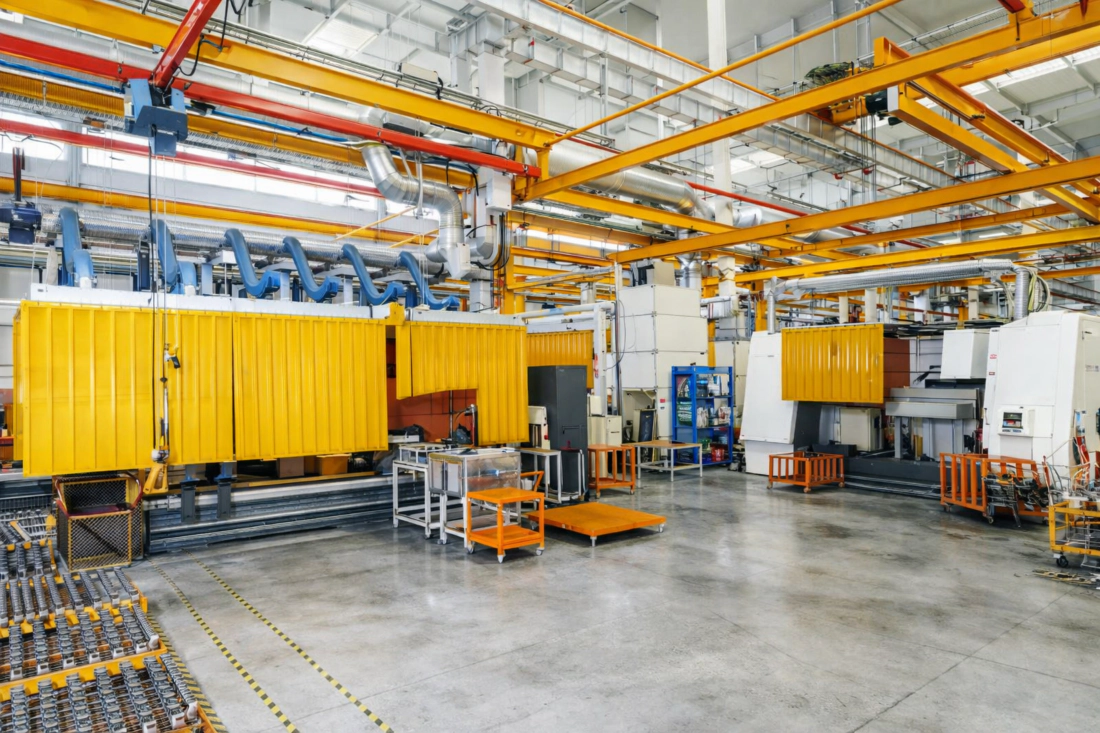
Découvrez notre précision de fabrication
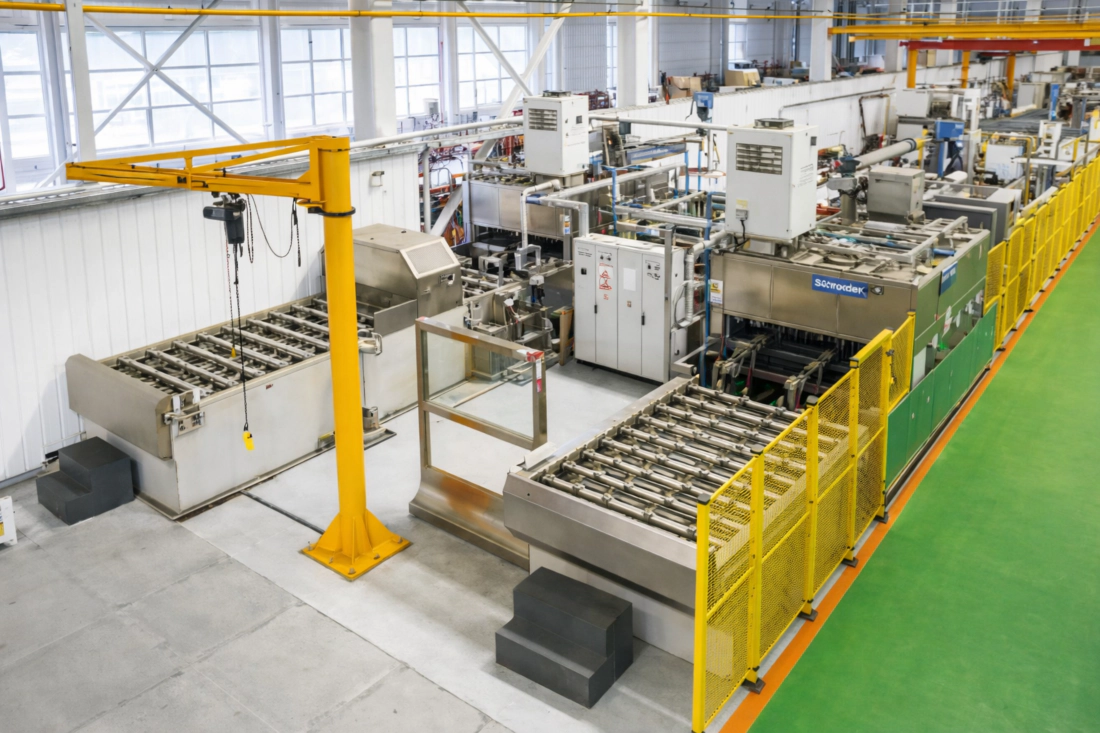
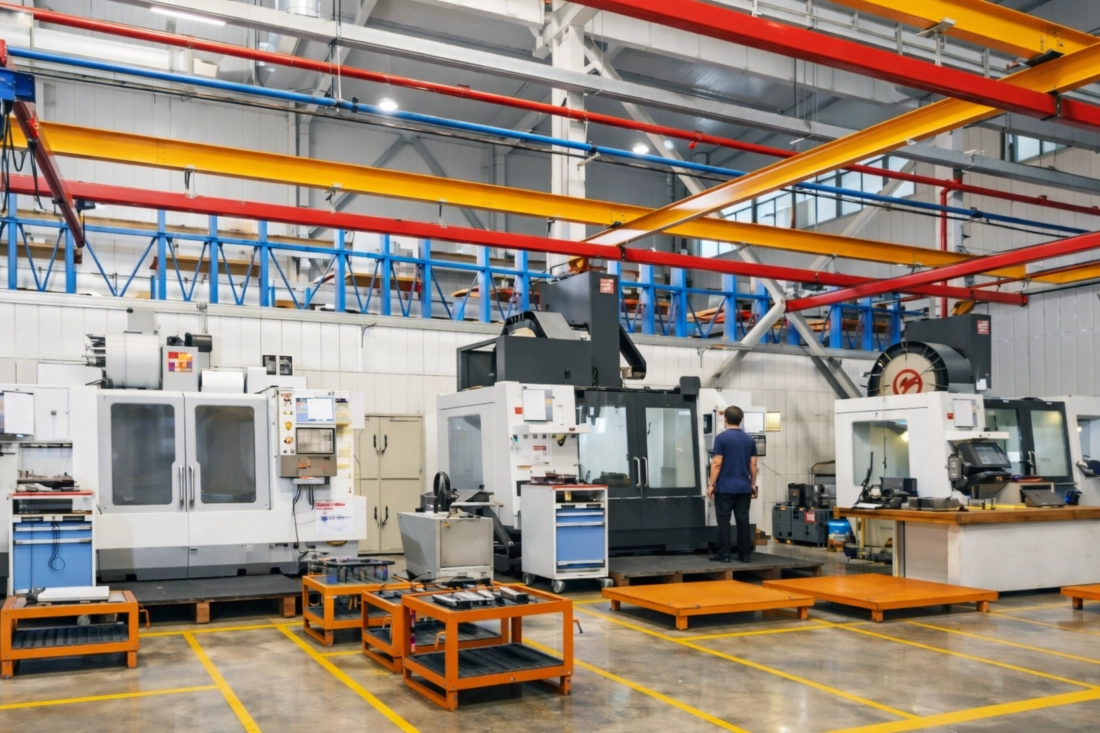
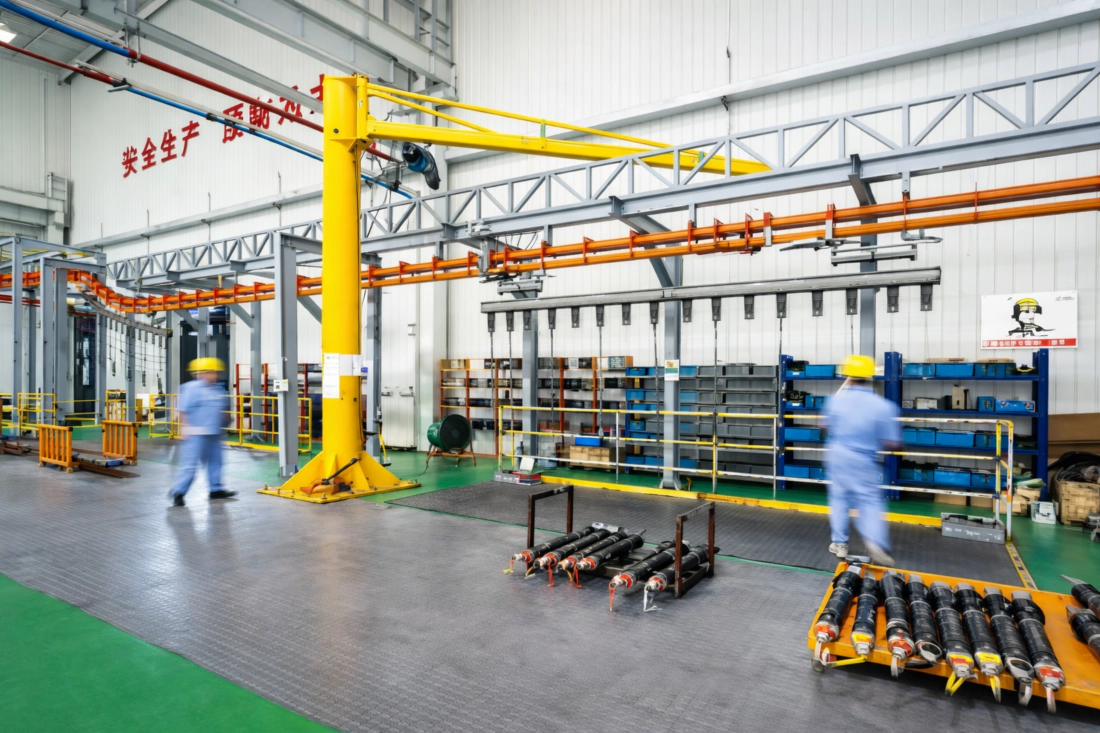
Step inside our state-of-the-art facility to see how we manufacture safety-critical rail components.
Engineering for the “Fail-Safe” Standard
Architecture matérielle
The cylinder body is fabricated from high-grade alloy steel, offering a yield strength significantly higher than standard carbon steel. This allows for a thinner wall profile to reduce weight—a critical metric in rolling stock engineering—without compromising the burst pressure safety factor. The welded construction ensures structural homogeneity, eliminating the risk of tie-rod elongation under vibration.
Défense de surface
Undercarriage components face a barrage of debris and corrosive elements. We employ a multi-layer Nickel-Chrome plating process on the piston rod. The nickel layer provides an impermeable barrier against chemical corrosion, while the outer chrome layer offers the hardness (HV 850+) required to resist scoring from track ballast dust, protecting the delicate sealing elements.
The Hydraulic Lock
The defining feature of this cylinder is the clapet anti-retour intégré à commande pilote. Located directly in the cylinder port block, this valve traps fluid in the piston chamber, creating a rigid hydraulic column. Even if a hose ruptures or the pump fails, the coupler remains mechanically locked. This active safety feature is mandatory for complying with EN 15227 and other railway safety standards.
Operational Advantages
- Zero-Leak Sealing: Utilizing a tandem sealing system with low-temperature fluorocarbon (Viton) and polyurethane compounds to maintain seal integrity down to -40°C.
- Vibration Damping: Internal cushion structures absorb the mechanical shock during the coupling impact, protecting the hydraulic circuit.
- Compact Envelope: The integrated valve design reduces the installation footprint, critical for the confined space within the coupler head assembly.
- Long Maintenance Interval: Designed for a 1.2 million kilometer maintenance-free lifecycle, aligning with major train overhaul schedules.
Client Success: The Cross-Continental High-Speed Line
Project Profile
Client: Major European Rolling Stock OEM (Operating in Asia)
Défi: The client’s existing coupler locking cylinders were experiencing “drift” failures. During long-distance travel, micro-leakage across the piston seal caused the locking mechanism to loosen slightly, triggering safety sensors and causing emergency braking events. The existing cylinders also showed signs of pitting corrosion after only two winters.
Solution: We developed a custom Nickel-Alloy Locking Cylinder. We redesigned the internal holding valve to have a zero-leak seat design and upgraded the rod plating to a proprietary dual-layer nickel-chrome. We also implemented a specialized low-friction guide ring to handle the lateral loads of the coupler.
Résultat: Since the retrofit, the fleet has operated for 36 months with zero safety sensor trips related to the coupler. The rod surface remains pristine, and the client has standardized this cylinder specification for their next-generation platform.
Customer Feedback
“The reliability of the locking mechanism has transformed our maintenance schedule. We no longer need weekly inspections of the coupler hydraulics.”
– Chief Systems Engineer
Spécifications techniques
| Paramètre | Spécification | Avantages liés à la performance |
|---|---|---|
| Type de cylindre | Double-Acting, Single Rod | Precise control for both locking and unlocking strokes. |
| Matière du corps | Acier allié à haute résistance | High burst pressure tolerance with reduced weight. |
| Revêtement de tige | Multi-layer Nickel + Hard Chrome | Superior corrosion resistance (NSS > 1000h) & wear protection. |
| Pression de travail | 160 Bar (Rated) / 250 Bar (Peak) | High force density in a compact envelope. |
| Safety Integration | Clapet anti-retour pilote intégré | Prevents unlocking upon pressure loss (Fail-Safe). |
| Temp Range | -40°C à +80°C | Reliable operation in extreme climate zones. |
Scénarios d'application critiques
While primarily designed for the main mechanical coupler, our locking cylinder technology is adaptable to various subsystems within the train’s connection architecture. The combination of high force, compact size, and environmental resilience makes it ideal for:
- Automatic Coupler Heads: The primary locking mechanism ensuring the mechanical bond between train cars.
- Electrical Head Actuation: Deploying and retracting the sensitive electrical connection blocks, requiring smooth, non-impact motion.
- Gangway Connections: Securing the semi-permanent bar couplers used between articulated carriages.
- Emergency Towing Systems: Heavy-duty locking cylinders for rescue adaptors used during breakdown scenarios.
Precision Manufacturing in China’s Rail Hub
Located in the heart of China’s advanced manufacturing district, our facility is specifically equipped to meet the stringent standards of the global rail industry. We combine cost-efficiency with aerospace-level quality control. Our production line features dedicated cells for alloy steel welding and clean-room assembly for hydraulic valves.
We understand that every cylinder is a safety component. Therefore, we offer comprehensive customization services, including “Build to Print” based on your OEM specifications or “Design to Spec” where our engineering team develops a solution for your unique challenge. Every unit undergoes 100% pressure and functional testing before shipment.

Foire aux questions
What is the primary failure mode of coupler cylinders?
The most common failure is seal degradation due to ingress of track debris and corrosion of the piston rod. Our nickel-plated rods and aggressive wiper seals specifically address this to extend service life.
How does the hydraulic lock ensure safety?
The integrated pilot-operated check valve traps oil in the cylinder chamber. It physically prevents the piston from retracting under external load unless pilot pressure is applied, preventing accidental unlocking.
Can you manufacture cylinders for extreme cold climates?
Yes, we offer “Arctic Spec” cylinders using specialized low-temperature alloy steels and fluorosilicone seals capable of operating reliably in temperatures as low as -50°C.
What is the typical lead time for custom rail cylinders?
For custom designs, lead time is typically 6-8 weeks including prototyping. For repeat orders of standard designs, we can often ship within 4 weeks from our China facility.
Do you provide material certification for safety components?
Absolutely. Every batch comes with full traceability, including Mill Test Certificates (MTC), heat treatment charts, and pressure test reports compliant with ISO and EN railway standards.
Ready to Secure Your Rolling Stock?
Contactez dès aujourd'hui notre équipe d'ingénieurs pour obtenir des plans techniques et un devis.
© 2026 Ever Power Hydraulic Manufacturers. Tous droits réservés.