Heavy-Duty Double Acting Lifting Cylinders for Rail Track Maintenance Platforms
Precision Engineering | 27SiMn Alloy | Fatigue-Resistant Architecture
In the high-stakes ecosystem of global rail transit, the structural integrity of maintenance-of-way equipment is non-negotiable. Track maintenance vehicles operate in environments where failure is not an option, demanding hydraulic actuation systems that transcend standard industrial capabilities. Drawing upon nearly two decades of applied engineering within the hydraulic fluid power sector, we recognize that the lifting mechanism is the pulsating heart of any rail maintenance platform. It bears the burden of dynamic loads, vibration frequencies unique to rail interaction, and the harsh realities of outdoor exposure. We have engineered a solution specifically calibrated for these rigorous demands: a heavy-duty, double-acting piston cylinder designed to redefine reliability in rail infrastructure maintenance.
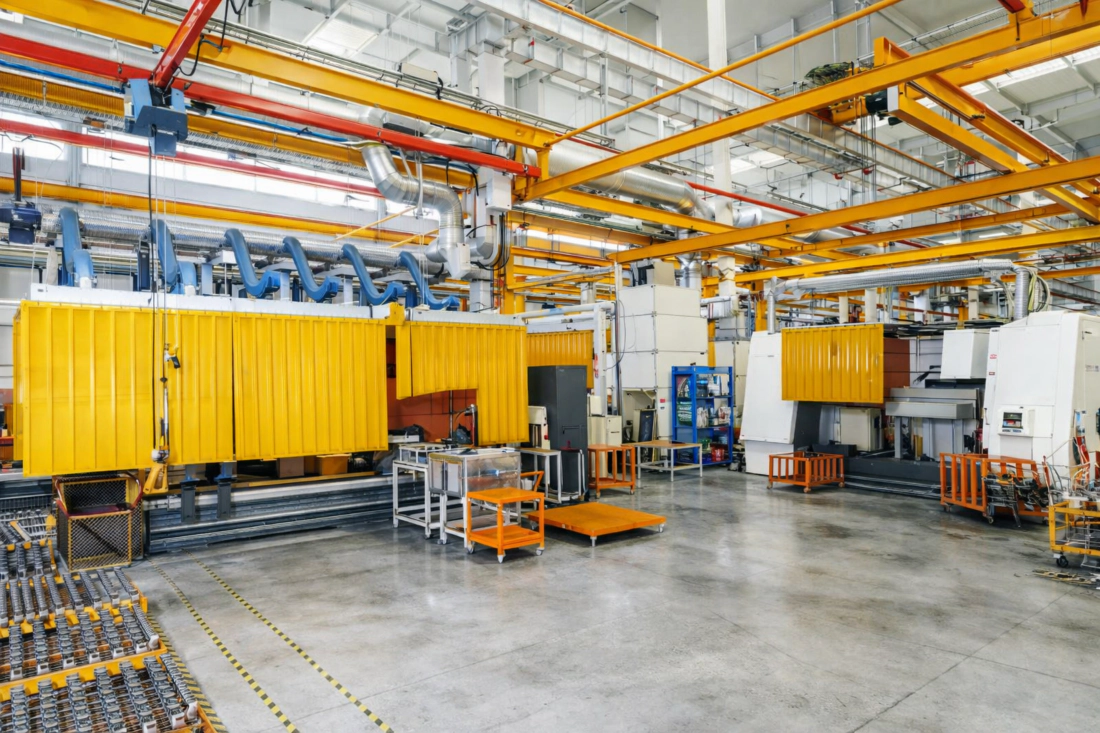
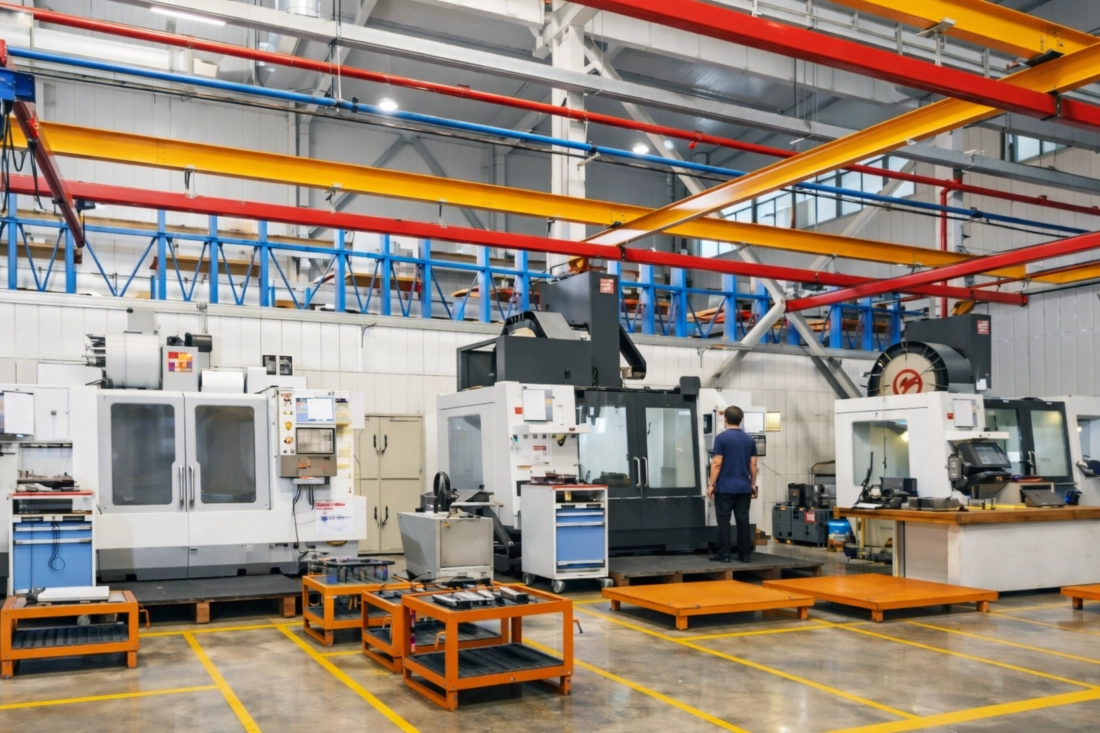
The evolution of our lifting cylinders moves beyond basic actuation. We focus on the microscopic interaction of materials and the macroscopic resilience of the structure. By integrating high-strength 27SiMn steel with precision welding and forging technologies, we address the chronic pain points of traditional cylinders, specifically the fatigue failure often seen in cylinder ears under heavy eccentric loading. Our approach combines the precision of modern metallurgy with the robustness required for heavy rail applications. Before delving into the technical minutiae of our manufacturing process and material science, we invite you to step directly onto our production floor. Experience the transparency of our operations and the advanced machining centers that will craft your components.
Expérience de fabrication immersive
Witness the precision behind the product. Explore our CNC machining centers, automated welding stations, and rigorous testing facilities in real-time virtual reality.
Having viewed our manufacturing capabilities, it becomes clear that quality is not an accident; it is the result of intelligent effort. Our facility in China leverages these advanced capabilities to serve a global clientele, ensuring that every vérin hydraulique leaving our loading dock is optimized for the specific geometric and force requirements of your track maintenance vehicles.
Metallurgical Superiority and Structural Architecture
The core differentiator of our lifting cylinders lies in the selection of the base material. While standard industrial cylinders often utilize 45# steel (comparable to AISI 1045), we exclusively employ 27SiMn for the cylinder barrel in these heavy-duty rail applications. 27SiMn is a high-performance silicon-manganese alloy steel that offers significantly higher tensile strength and yield strength compared to standard carbon steels. This allows us to reduce the wall thickness of the cylinder without compromising its pressure-bearing capacity, resulting in a lighter yet stronger component—a critical factor for mobile maintenance platforms where vehicle weight distribution is paramount.
Beyond the barrel material, the “Double Acting” nature of these cylinders provides precise hydraulic control in both extension and retraction strokes. This is essential for track maintenance platforms that require controlled lowering speeds and positioning accuracy, preventing the platform from plummeting in the event of valve instability. We engineer the piston seals to withstand high-frequency micro-adjustments, ensuring that the platform remains perfectly level during delicate operations like catenary repair or tunnel inspection.
Addressing the “Cylinder Ear Fatigue” failure mode mentioned in industry reports requires a radical rethinking of the mounting interface. Traditional welded ear mounts often suffer from heat-affected zones (HAZ) that become brittle over time, leading to cracking under the dynamic vibrations of a moving train. Our solution involves the use of a Forged Ear Seat. By forging the mounting ear, we align the grain flow of the metal to the contours of the part, vastly increasing its resistance to impact and fatigue. This forged component is then friction-welded to the rod or barrel using advanced robotics, ensuring a bond that is stronger than the parent material itself.
Avantages fondamentaux en matière de performances
Traitement de surface avancé
The piston rods undergo a multi-stage process: quenching and tempering followed by high-precision grinding and hard chrome plating. We achieve a chrome layer thickness exceeding 30 microns with a hardness of HV850+, ensuring exceptional resistance to corrosion from humidity and abrasion from track ballast dust.
Zero-Leak Sealing System
We utilize a composite sealing structure featuring Parker or Merkel seals tailored for low friction and high durability. The guide rings are reinforced phenolic resin, preventing metal-on-metal contact even under significant side loads typical in rail superelevation scenarios.
Soupapes de sécurité intégrées
Optional integrated counterbalance valves or hydraulic locks can be flange-mounted directly to the cylinder port. This eliminates external piping for the safety circuit, reducing potential leak points and ensuring the platform holds position even if a hose bursts.
Global Case Study: Coastal High-Speed Rail Network
Technical Specifications & Material Analysis
| Paramètre | Specification / Description |
|---|---|
| Type d'action | Type à piston à double effet |
| Matériau du fût | 27SiMn (High strength low alloy steel) |
| Matériau de la tige | 42CrMo or 45# Steel, Hard Chrome Plated (>30μm) |
| Mounting Structure | Forged Ear Seat (Enhanced Fatigue Resistance) |
| Pression de travail | 16 MPa – 25 MPa (Heavy Duty Class) |
| Système d'étanchéité | Merkel / Parker / Hallite (Low friction composite) |
| Welding Process | Automatic Submerged Arc Welding / Friction Welding |
| Plage de température | -40°C to +100°C (Customizable for extreme cold) |
Scénarios d'application critiques
The versatility of our lifting cylinders extends across the entire spectrum of rail maintenance machinery. While primarily designed for the main lifting platform of track maintenance vehicles, these robust actuators are equally critical in other subsystems.
- Catenary Inspection Vehicles: Providing the stable vertical lift required for technicians to reach high-voltage overhead lines with millimeter precision.
- Bridge Inspection Platforms: Actuating the complex articulated arms that lower inspectors under bridge decks, requiring immense holding power and safety redundancy.
- Ballast Tamping Machines: Handling the auxiliary lifting functions for the tamping banks, operating in an environment filled with abrasive dust and severe vibration.
Precision Manufacturing in China for the World
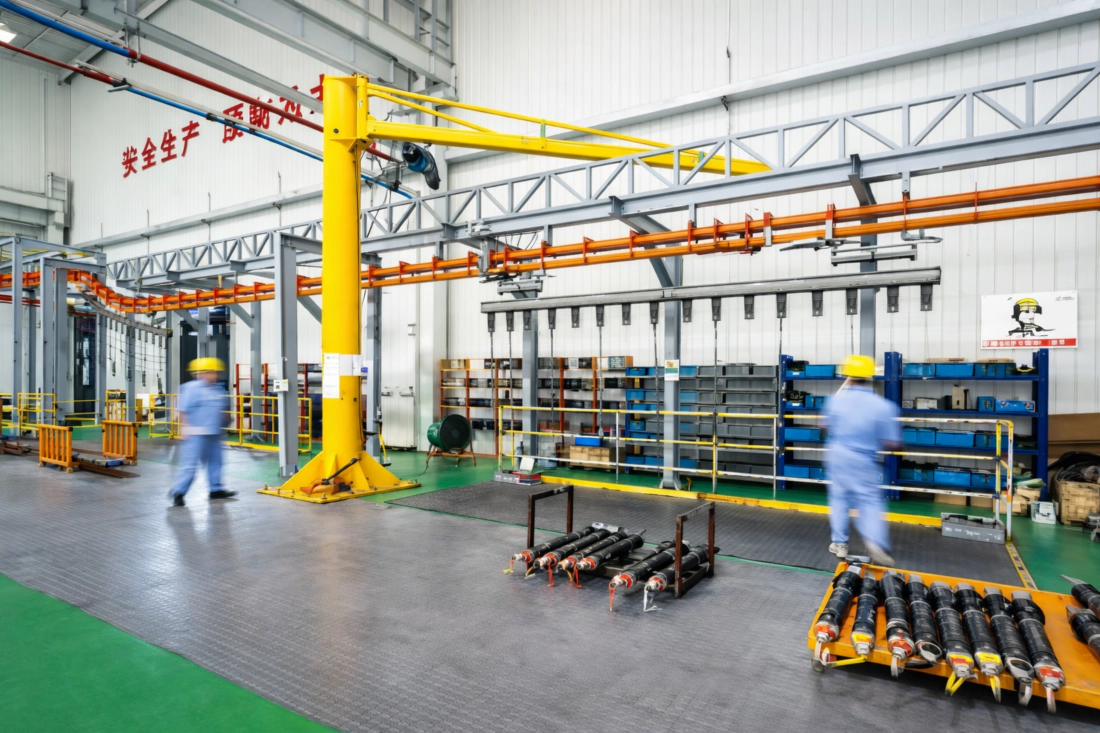
Located in the industrial heart of China, our manufacturing facility represents the convergence of cost-efficiency and premium quality. We understand that “Made in China” today means access to the world’s most comprehensive industrial supply chain. Our customization capabilities are unmatched. Whether you need a unique stroke length, a specific port orientation, or a specialized rod coating, our engineering team works directly with your CAD data to produce the exact cylinder your rail vehicle requires.

Ready to optimize your fleet’s performance?