316L Stainless Steel Double-Acting Hydraulic Cylinders for Hydrogen Storage Tank Lid Actuation
Engineered for Absolute Corrosion Resistance, Hygiene, and Safety in Hazardous Gas Environments.
The global transition toward a hydrogen-based economy presents unique metallurgical and mechanical challenges that standard industrial actuators simply cannot meet. As a senior application engineer with over 18 years dedicated to fluid power dynamics in renewable energy sectors, I have witnessed the catastrophic failures that occur when carbon steel or lower-grade stainless variants are introduced to the volatile environment of hydrogen storage. The application of opening and closing massive covers on hydrogen storage tanks—often located in coastal “Green Hydrogen” hubs or humid processing facilities—requires a hydraulic cylinder that functions as a precision instrument rather than a blunt force tool.
ما یک خط تخصصی توسعه دادهایم Double-Acting 316L Stainless Steel Hydraulic Cylinders specifically for this “lid actuation” function. The choice of 316L (Marine Grade) is deliberate and non-negotiable. Unlike 304 stainless, 316L contains molybdenum, which drastically enhances resistance to pitting and crevice corrosion—the primary failure modes in saline-rich, hydrogen-processing environments. Furthermore, the double-acting configuration ensures positive hydraulic control during both the lifting (opening) and the controlled lowering (sealing) phases, preventing the dangerous “slamming” of lids that could compromise delicate gaskets or spark ignition sources.
استانداردهای تولید ما را تأیید کنید
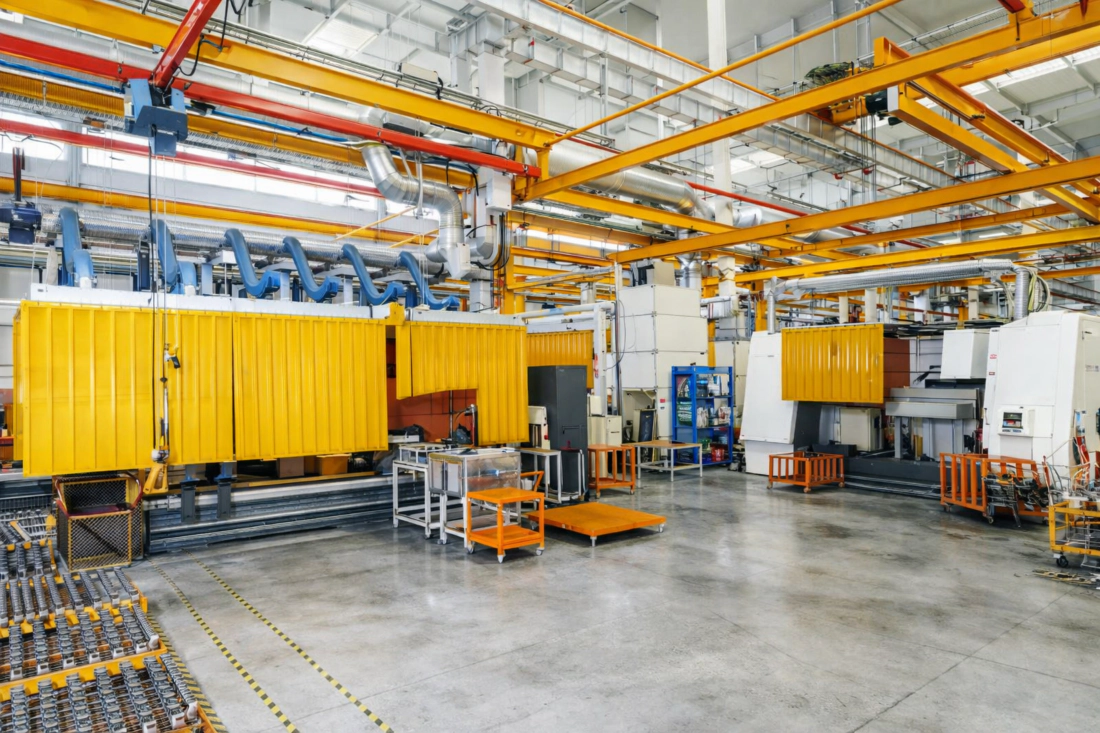
In the safety-critical hydrogen industry, supply chain transparency is paramount. We invite you to virtually walk through our production facility in China, where we machine, weld, and passivate our stainless steel cylinders to international standards.
The design philosophy behind these cylinders prioritizes a “Clean Design” welded structure. Tie-rod cylinders, while cheaper, create crevices where moisture and chemical agents accumulate, accelerating corrosion. Our fully welded, polished construction eliminates these bacterial and rust harbors, making them ideal not only for chemical resistance but also for the clean-room-adjacent standards often required in fuel cell component manufacturing zones.
Engineering the Ultimate Corrosion Defense
Material: 316L Austenitic Steel
The “L” stands for Low Carbon. This chemistry minimizes carbide precipitation during the welding process, ensuring that the weld seams retain the same corrosion resistance as the main body. This is critical for preventing intergranular corrosion which causes catastrophic leaks in pressurized hydrogen zones.
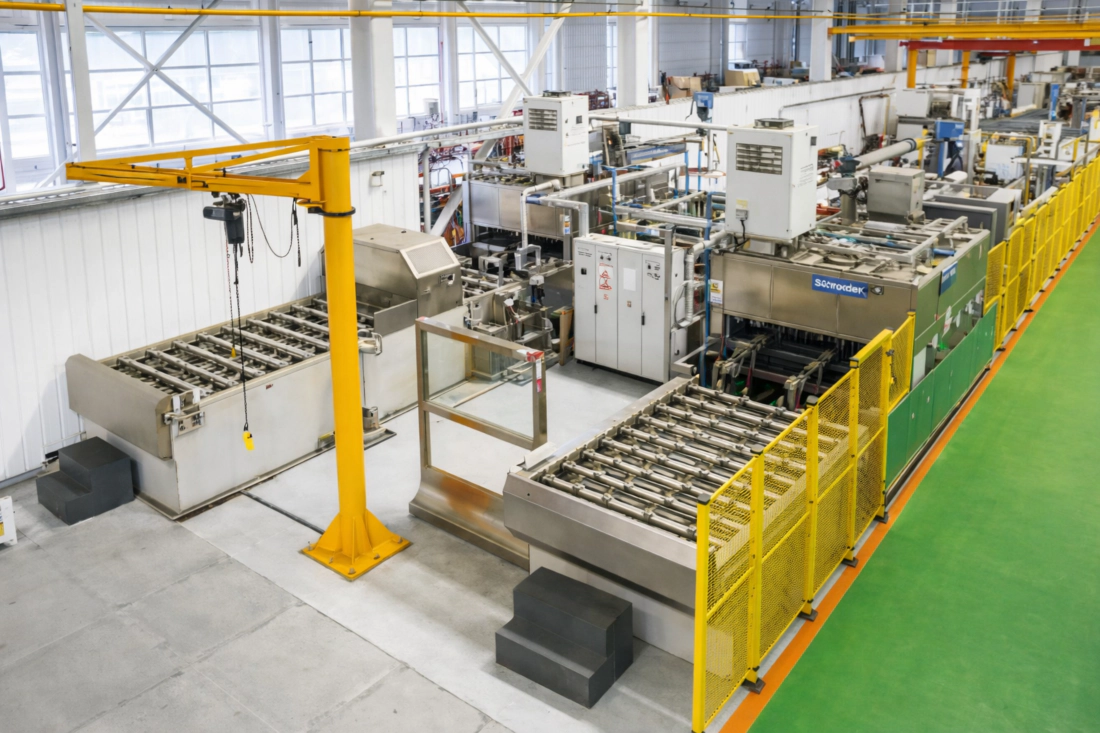
Surface: Electrolytic Polishing
Mechanical finishing is not enough. Our cylinders undergo electropolishing to remove microscopic surface peaks. A smoother surface (Ra < 0.2μm) means less surface area for contaminants to adhere to and creates a more uniform passive chromium oxide layer, the shield against rust.
Structure: Double-Acting Precision
Hydrogen tank lids are often heavy and fitted with complex locking mechanisms. A double-acting design provides hydraulic force in both extension and retraction, allowing the operator to “inch” the lid into the exact position required for the locking ring to engage safely, without manual intervention.
Project Spotlight: Coastal Hydrogen Hub (Shandong Peninsula)
چالش: A newly commissioned Green Hydrogen production facility located on the coast of Shandong Province faced immediate equipment degradation. The high-salinity sea mist combined with the industrial vapors from the electrolyzer plant caused rapid pitting on the original carbon steel cylinder rods used for the large buffer tank maintenance hatches. Within 4 months, seal failure led to hydraulic fluid contaminating the clean zone.
راه حل: Ever Power was brought in to re-engineer the actuation system. We replaced the existing units with our Marine-Grade 316L Stainless Steel Cylinders. We customized the mounting trunnions to fit the existing tank brackets but upgraded the pivot pins to 17-4PH stainless for higher shear strength. The seals were upgraded to a hydrogen-compatible polyurethane compound to prevent gas permeation.
نتیجه: After two years of continuous operation in the salt-fog environment, the cylinders show zero signs of corrosion. The maintenance cycle for the tank lids has been extended from every 6 months to every 24 months, significantly lowering the operational expenditure (OPEX) for the facility.
“The difference in surface finish quality between Ever Power’s 316L cylinders and our previous supplier is night and day. No rust spots even after the typhoon season.”
– Liu Wei, Site Maintenance Manager
“We needed a partner who understood the explosive risks of hydrogen. Their double-acting control gives us the smooth operation we need for safety compliance.”
– Chen Gang, Senior Safety Engineer
“Customizing the stroke length to 1500mm for our new vertical tanks was handled effortlessly. The drawings were approved in 48 hours.”
– Sarah Johnson, Procurement Consultant
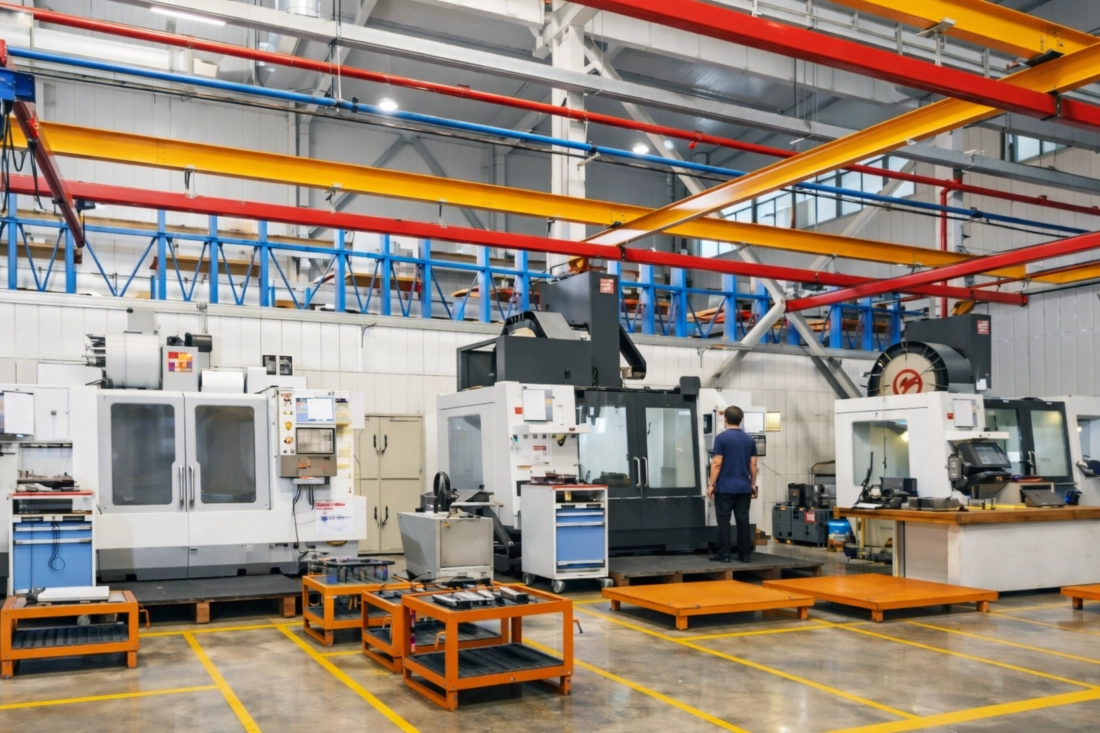
پارامترهای فنی و دادههای عملکرد
Designed for longevity in Class C5-M (Very High Marine) corrosive environments.
Beyond Storage: Versatile Clean Energy Applications
While tank lid actuation is a primary use case, the hygienic and non-corrosive properties of our 316L cylinders make them indispensable across the entire hydrogen value chain.
Electrolyzer Assembly: In the heart of hydrogen production, where high voltage and caustic electrolytes (like KOH) are present, our cylinders provide the compression force for stack assembly without introducing metallic contaminants.
Refueling Stations: Compact stainless cylinders are used for automated safety barriers and nozzle locking mechanisms at hydrogen refueling points, maintaining aesthetics and function in public-facing infrastructure.
Precision Manufacturing in China for the World
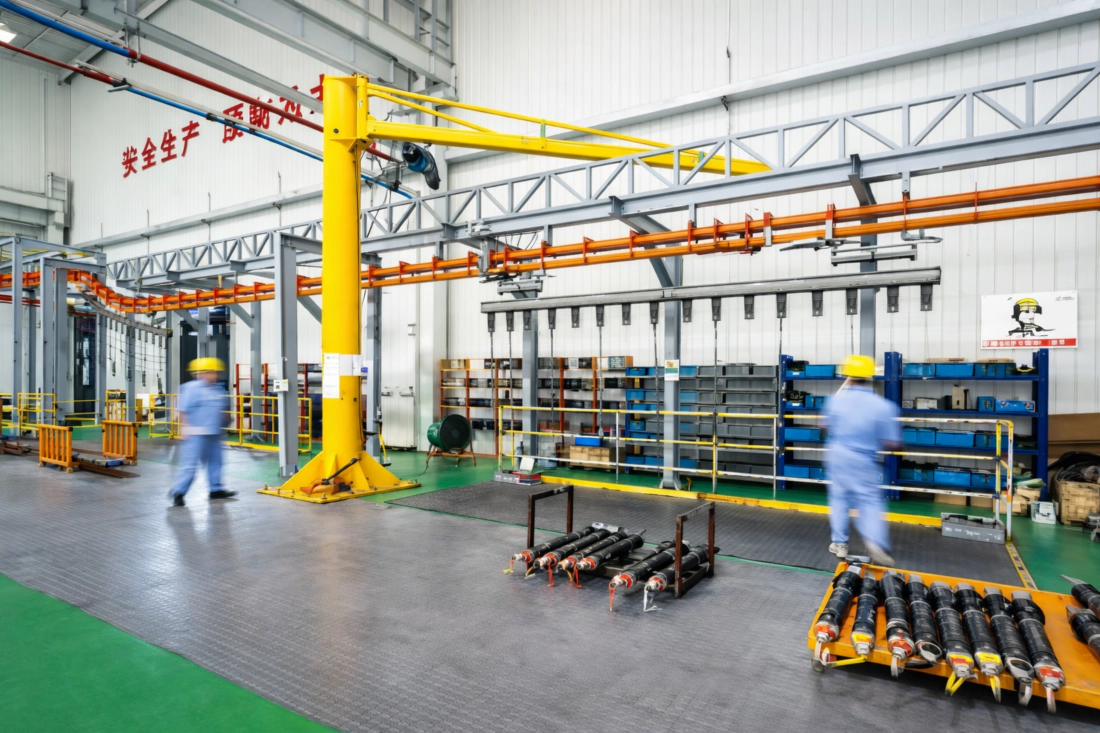
We are Ever Power, a premier manufacturer of hydraulic cylinders with a deep focus on material science. Our facility in China is equipped with specialized welding stations for stainless steel to prevent carbon contamination from standard steels. Whether you need a single prototype for a pilot plant or 500 units for a gigafactory, we deliver strict adherence to your dimensional and material specifications.