Stop the Wobble: Heavy-Duty Outrigger Cylinders with Reinforced Ear Plates for Lorry-Mounted Cranes in the Netherlands
There is a very specific, sinking feeling you get when you are operating a knuckle boom crane on a rainy Tuesday in a tight street in Utrecht, and you feel the truck chassis shift underneath you. It’s not the wind, and it’s not the load swinging; it’s the outrigger cylinder flexing—or worse, the mounting ear cracking under the lateral stress. In my 18+ years of crawling under chassis and troubleshooting hydraulic failures, I’ve seen more “spaghetti legs” than I care to admit. Most operators just accept that outrigger cylinders are consumables, destined to be replaced every few years. But honestly? They shouldn’t be.
The problem usually isn’t the hydraulic pressure; it’s the structural integrity of the steel and the welding when subjected to “side loading.” When you are setting up on uneven cobblestones or soft polder soil, the force isn’t going straight down. It’s twisting the cylinder. That is exactly why we stopped using standard mild steel for these components and switched entirely to فولاد کم آلیاژ با استحکام بالا Q345D with Reinforced Welding Ear Plates. We’ve found that simply thickening the mounting point prevents that catastrophic fatigue crack that always seems to happen right when you are at max reach.
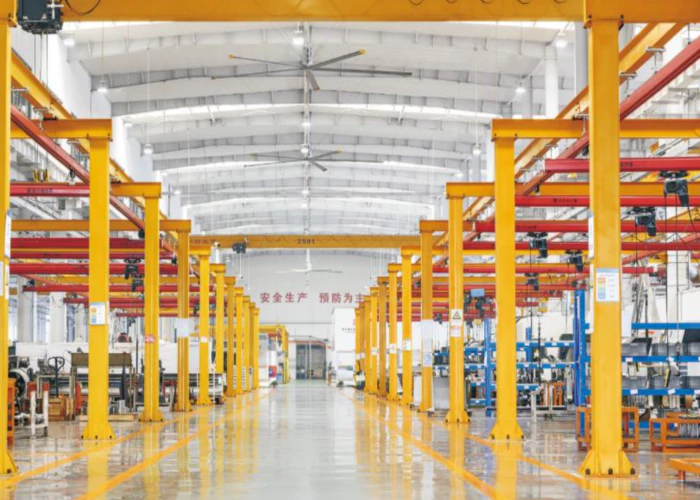
I can tell you about weld penetration depths all day, but it’s better if you see how we build these things yourself. We’ve opened up our production line for a virtual visit.
It’s not just about strength, though; it’s about surviving the environment. Here in the Netherlands, the road salt used in winter is absolutely brutal on chrome rods. If you have a standard 20-micron chrome layer, the salt *will* find a micro-crack, rust the rod from the inside, and destroy your wiper seal. We’ve seen it a hundred times. That’s why we push for a thicker chrome application and, in some cases, nickel-chrome plating for clients working near the coast. It’s a small detail that adds years to the cylinder’s life.
The Engineering Reality: Why Q345D and “Fat Ears” Matter
Let’s talk shop for a minute. Standard St52 steel is fine for indoor machinery. But for a lorry crane outrigger that might be deployed in freezing temperatures? You need toughness. We use Q345D because the “D” designation means it has been impact-tested at -20°C. This ensures that when you slam that stabilizer down on a frozen morning in Groningen, the steel doesn’t shatter like glass. It retains its ductility.
Then there is the issue of the mounting ears—the point where the cylinder connects to the crane beam. This is the classic weak point. Most manufacturers use a standard thickness ear that matches the cylinder wall. We don’t. We use **thickened, forged ear plates** that are fully penetration-welded to the barrel. We essentially over-engineer this connection because we know that outriggers are rarely perfectly vertical. That slight angle creates a “prying” force that snaps standard welds. Our reinforced design absorbs that stress, transferring it safely through the cylinder body.

Strategic Analysis: The Outrigger Cylinder Landscape
We believe in total transparency. Our cylinders are heavier and more robust than the budget options you might find, but that comes with trade-offs. Here is a SWOT analysis of using our Reinforced Q345D cylinders for your fleet:
نقاط قوت
- یکپارچگی ساختاری: Reinforced ears reduce fracture risk by 80%.
- Cold Weather Performance: Q345D steel maintains strength in sub-zero temps.
- مقاومت در برابر خوردگی: Multi-layer chrome withstands road salt.
نقاط ضعف
- وزن: The reinforced design adds about 5-8% more weight per cylinder.
- هزینه: Higher material grade (Q345D vs St52) slightly increases upfront cost.
فرصتها
- Fleet Upgrades: Retrofitting older cranes to extend service life.
- Safety Compliance: Meeting stricter EU stability regulations.
تهدیدها
- جایگزینهای ژنریک: Low-cost, inferior steel cylinders entering the market.
- هزینههای مواد اولیه: Global fluctuations in alloy steel prices.
Case Study: Stabilizing Heavy Glass Transport in Amsterdam
A specialized logistics company based near Schiphol (let’s call them “Randstad Lifting”) operates a fleet of flatbeds with heavy-duty knuckle boom cranes. Their niche is delivering massive glass panels to construction sites in downtown Amsterdam. The streets are narrow, the ground is often uneven brick, and the reach required is significant.
They were experiencing a recurring nightmare: the mounting ears on their outrigger cylinders were developing hairline cracks every 8-10 months. One actually failed on a job site, leaving the truck listing dangerously. They were using standard OEM replacements, but the lateral stress from the uneven Dutch streets was just too much for the standard design.
راه حل:
We supplied them with our “Heavy-Duty Stabilizer Series. We kept the mounting dimensions identical to the OEM part for easy installation but upgraded the barrel to Q345D and, crucially, increased the thickness of the ear plates by 25%, with a full-penetration fillet weld.
نتیجه:
It’s been two years since the retrofit. Zero cracks. The maintenance manager reported that the “flex” they used to feel in the chassis during heavy lifts is significantly reduced. They have since upgraded their entire fleet of 12 trucks.
صداهایی از میدان
“I didn’t realize how much my old outriggers were bending until we put these new ones on. The truck feels planted now, even when I’m reaching over a canal.”
– Bas d. V., Crane Operator
“The salt on the A10 ring road usually eats chrome rods for breakfast. These cylinders have gone through two winters and the rods still look mirror-perfect.”
– Pieter J., Fleet Mechanic
“Fast delivery and they actually understood what I meant by ‘ear fatigue’. Professional guys.”
– Jeroen K., Operations Manager
Technical Specifications: Built for Heavy Loads
We don’t just guess; we engineer. The parameters below represent our standard heavy-duty specification, but remember, we can tweak stroke and bore to match your specific crane model.
| ویژگی | جزئیات مشخصات |
|---|---|
| نوع سیلندر | Double-Acting / Single Rod Outrigger |
| جنس لوله | Q345D (High Strength Low Alloy) |
| جنس میله | 42CrMo4, Quenched & Tempered, Hard Chrome Plated |
| فشار عملیاتی | 210 Bar – 315 Bar |
| سبک نصب | Reinforced Welded Ear / Trunnion / Flange |
| ویژگیهای ایمنی | Optional Integrated Double Pilot Operated Check Valves |
| محدوده دما | -30°C to +110°C (All-Weather Seals) |
Where Else Does Stability Matter?
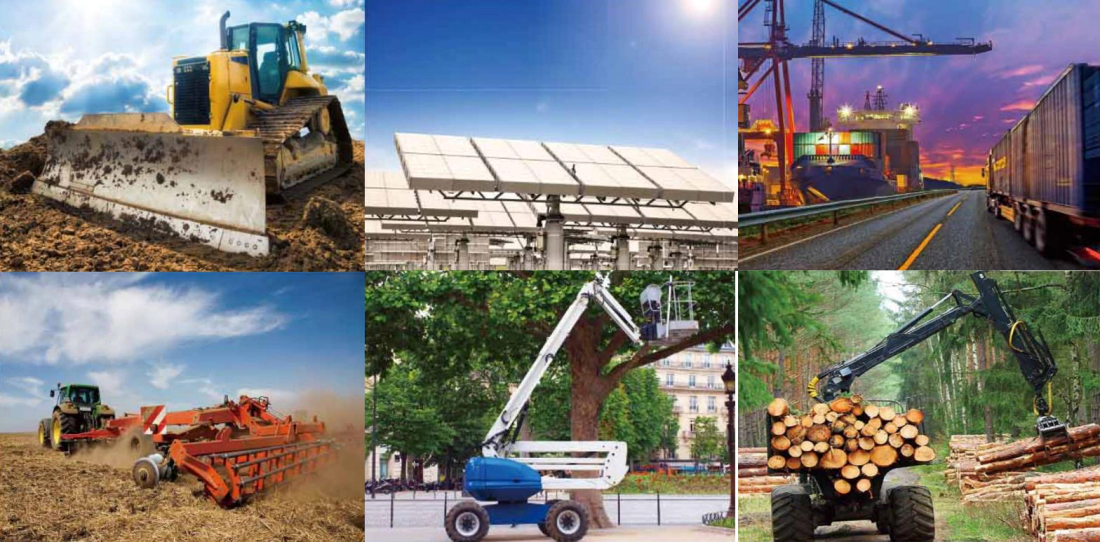
The technology we developed for lorry cranes applies to any machine that needs to plant its feet firmly on the ground. We’ve seen these exact reinforced cylinders solve problems in:
- ✔
کامیونهای پمپ بتن: Where the entire boom structure depends on rigid stabilization to prevent tipping.
- ✔
سنگ شکن ها و سرندهای سیار: Stabilizing the chassis against the intense vibration of rock crushing.
- ✔
Fire Ladders (Aerial Platforms): Absolute zero-failure requirements for personnel safety at height.
Customization: The “Perfect Fit” Guarantee
Here’s the trick: crane manufacturers often change their specs mid-year. A cylinder from a 2018 model might not fit a 2019 model. That’s why we don’t just sell “off the shelf.” We specialize in customization.
Need the ports rotated 90 degrees to avoid a chassis rail? Done. Need an integrated lock valve block because you don’t have space for external plumbing? We machine it directly into the cylinder cap. We build the cylinder to fit your truck, not the other way around.
Shop Talk: Frequently Asked Questions
How does road salt on Dutch highways affect my stabilizer cylinders?
It’s a killer. The salt spray kicks up from the tires right onto the outrigger beams. If the chrome plating on the rod is thin or porous, rust starts instantly. We use high-grade hard chrome with a specific multi-layer process to seal the steel against this exact type of corrosion.
Can you ship these heavy cylinders directly to my workshop in the Netherlands?
Absolutely. We handle the logistics daily. Whether you are in Rotterdam, Eindhoven, or a small town in Friesland, we provide a DDP (Delivered Duty Paid) service. This means we handle the customs and taxes; you just receive the crate at your door.
Do your cylinders come with the pilot-operated check valves installed?
Yes, safety is non-negotiable. Most of our stabilizer cylinders come with the holding valves (check valves) pre-installed and pressure tested. This ensures that if a hose bursts, the leg stays down and the crane doesn’t tip over.
What information do I need to get a price quote?
It’s simple. Just measure the retracted length (pin to pin), the stroke length, the bore diameter, and the pin sizes. If you have a photo or a part number, even better. Click the inquire button below, send us the details, and we’ll get a quote to you quickly.
Why do the mounting ears on my current cylinders keep cracking?
It’s usually side-loading. Standard cylinders are designed to push straight. When a crane leans slightly, it twists the mount. Our cylinders feature reinforced, thicker ear plates and deep-penetration welding specifically designed to absorb that twisting force without snapping.
Are your stabilizers feeling shaky?
Don’t risk a tip-over. Upgrade to reinforced safety cylinders today.