Stainless Steel Hydraulic Cylinders: The “Forever” Component
Engineered for Hygiene, Heat, and Hostile Environments.
You know, there is nothing quite as frustrating as walking into a state-of-the-art food processing facility—everything is gleaming white, the conveyors are spotless—and then you look down and see a standard tie-rod cylinder flaking rust paint right onto the floor. It drives me crazy. In my 18 years of designing fluid power systems, I’ve seen companies spend thousands on “protective covers” or “epoxy paint” trying to save a few bucks, only to replace the entire unit six months later because the salt air or the caustic washdown chemicals ate right through the gland threads. It’s a false economy. When you are dealing with aggressive environments—whether that’s a tuna boat in the Pacific, a chemical dosing plant, or a blast furnace door—standard steel just doesn’t cut it. You need the Stainless Steel Hydraulic Cylinder.
Most printers (and even some junior engineers) assume all “silver” cylinders are the same. They aren’t. There is a world of difference between a chrome-plated rod on a mild steel body and a full 316L Stainless Steel construction. The latter is what we are talking about today. It’s about more than just looking pretty; it’s about survival. Working with stainless is tricky—it work-hardens if you look at it wrong, making machining a real headache for the shop guys (I’ve heard plenty of cursing from the lathe operators over 316L). But the result? A cylinder that is virtually immune to pitting, crevice corrosion, and the harsh acidic cleaners used in HACCP-compliant facilities. If you are tired of downtime caused by rusty rods shredding your wiper seals, it is time to upgrade.
The Metallurgy of Durability: Beyond the Shine
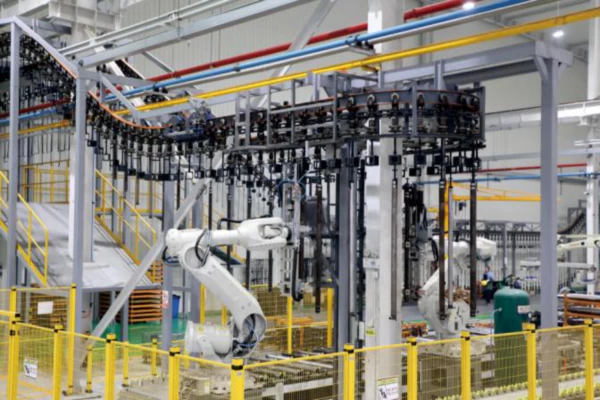
Our dedicated clean-room area for polishing and assembling food-grade cylinders.
Let’s get technical for a minute. The industry standard is usually AISI 304 stainless, which is fine for general outdoor use. But for the serious stuff—like marine or chemical applications—we strictly push for **AISI 316L**. The “L” stands for Low Carbon, which is crucial for welding; without it, the heat from welding the ports or end caps would cause carbide precipitation, leading to rust right at the weld seam (seen that happen too many times). For applications involving extreme heat, like near a kiln or in a nuclear environment, we have to look at the seals as much as the steel. Standard Nitrile (NBR) turns into hard plastic at 100°C. We upgrade to Fluorocarbon (Viton) or special PTFE mixes that can handle up to 200°C and even gamma radiation without degrading.
Another “trick” we use is electropolishing. We don’t just machine it; we dip the finished parts in an electrolytic bath that dissolves the microscopic peaks on the metal surface. This leaves a surface so smooth (Ra < 0.2μm) that bacteria literally have nowhere to hide. This is non-negotiable for pharmaceutical clients.
| پارامتر فنی | High-Spec Stainless (Ever Power) | Why It Matters (The Engineer’s View) |
|---|---|---|
| درجه مواد | 304 / 316L / 17-4PH | 17-4PH is used for the rod because standard 316 is too soft and bends easily. |
| محدوده دما | -40°C to +200°C (Special Seals) | Vital for furnace doors or cryogenic freezers. |
| پرداخت سطح | Electropolished / Passivated | Increases corrosion resistance by 30% and ensures easy washdown. |
| فشار کاری | Up to 210 Bar (3000 PSI) | Stainless is softer than steel; we need thicker walls to hold the same pressure. |
| Special Apps | Radiation Resistant / Acid Proof | For nuclear handling or chemical fertilizer plants. |
SWOT Analysis: Is Stainless Right for You?
I’m not going to lie and tell you stainless is the answer to everything. It has drawbacks (mostly cost and weight). Here is a strategic breakdown to help you decide if the investment makes sense for your machine.
نقاط قوت
- خوردگی: Near-perfect resistance to salt, acid, and caustic soda.
- Hygiene: Easy to clean, no paint chips to contaminate food.
- Magnetism: Non-magnetic properties (316L) useful in specialized electronics manufacturing.
نقاط ضعف
- هزینه: High material and machining costs.
- Galling: Threaded parts (glands) can seize if not assembled with care.
- Strength: Lower yield strength than alloy steel, requiring bulkier designs for high pressure.
فرصتها
- Pharmaceuticals: Growing demand for “clean room” ready hydraulics.
- Desalination: Infrastructure growth in water treatment plants needs huge stainless steel actuators.
تهدیدها
- عملگرهای الکتریکی: Electric stainless rams are getting cheaper and don’t leak oil.
- Ceramic Coatings: Advanced ceramic coatings on mild steel are a cheaper alternative for some.
جایی که درخشش آنها را میبینیم
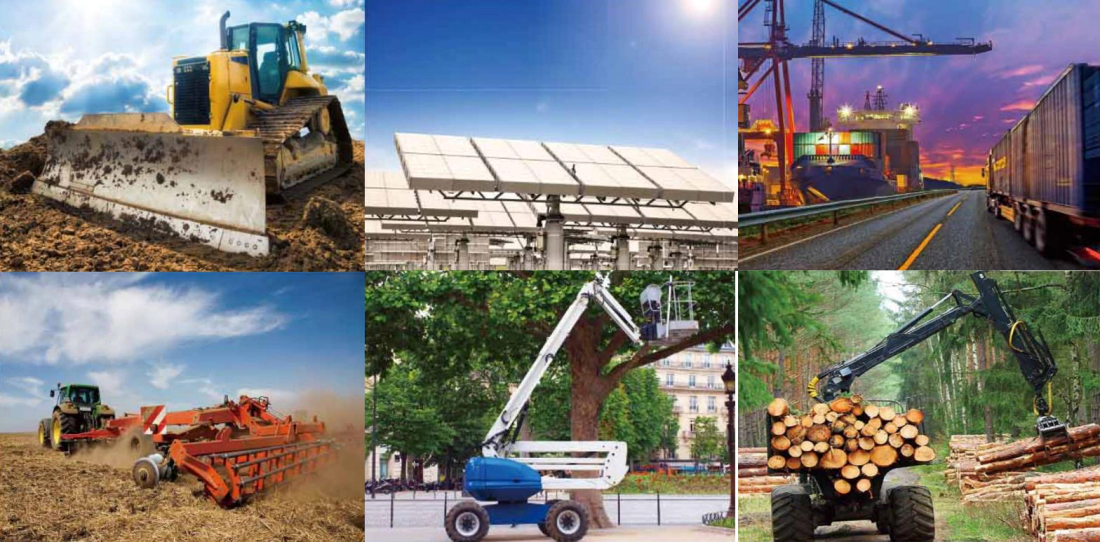
The obvious one is **Food & Beverage**. Think of a cheese press or a meat slicer—you can’t have rust falling into the cheddar. But the more challenging environment is **Marine**. We supply cylinders for yacht hatch lifts and steering gear on fishing trawlers. Saltwater is relentless; it finds every microscopic pore in chrome plating and explodes it from the inside out. Stainless doesn’t care. We also see a niche in the **Nuclear & Medical** fields. In a nuclear reprocessing plant, components might be submerged in water pools or exposed to radiation. We use special radiation-resistant seals (EPDM is often good here) and 316L bodies to ensure they don’t become brittle over time.
Trend Analysis: The Clean Revolution
The trend is moving towards “Hygienic Design.” It’s not just about using stainless steel anymore; it’s about the shape. We are designing cylinders with rounded end caps and no exposed threads to prevent bacteria traps. Also, we are seeing **Smart Stainless Cylinders**. Clients want linear position sensors embedded inside the cylinder (using magnetostrictive probes) so they can automate the valve control in a closed-loop system, all while being blasted with high-pressure steam cleaning.
Case Study: The Acid Test (Literally)
مشتری: ChemFlow Solutions GmbH | مکان: هامبورگ، آلمان
چالش: A chemical processing plant was using standard epoxy-painted cylinders to operate the chute gates for a fertilizer mixer. The environment was filled with phosphoric acid dust and humidity. The standard cylinders were corroding within 3 months, causing seal failure and hydraulic fluid to leak into the fertilizer mix (a big no-no). Downtime was costing them €12,000 per hour.
راه حل ما: We engineered a custom **316L Stainless Steel Cylinder**.
1. **Material:** Full 316L body and rod to resist the phosphoric acid.
2. **Seals:** Upgraded to a Viton/PTFE hybrid wiper seal that scrapes the acidic dust off the rod without degrading.
3. **Design:** We used a “clean design” welded rear clevis to eliminate pockets where dust could accumulate.
نتیجه: The new cylinders have been running for 18 months without a single failure. The ROI was achieved in the first 4 months.
“We were changing cylinders like we change socks. The Ever Power stainless units just sit there and work. It’s boring, which is exactly what I want.”
— Klaus H., Maintenance Manager
“The upfront cost scared us initially, but the lifecycle analysis proved it was the right move. Excellent engineering support.”
— Dieter F., Purchasing Director
“Finally, a supplier who understands that ‘acid-resistant’ doesn’t just mean a coat of paint. These are real industrial tools.”
— Sarah L., Plant Operations
Factory Direct: We Tame the Hardest Steel
Look, machining stainless steel is an art. It’s gummy, it heats up, and if you don’t have the right carbide tooling and coolant flow, you get a mess. We have dedicated CNC turning centers just for stainless production to avoid cross-contamination with carbon steel (rust transfer is a real thing). We can customize the mounting style to fit your specific machine—trunnion, flange, clevis, you name it. We also offer FDA-approved food-grade hydraulic fluid pre-filled if you need a plug-and-play solution.
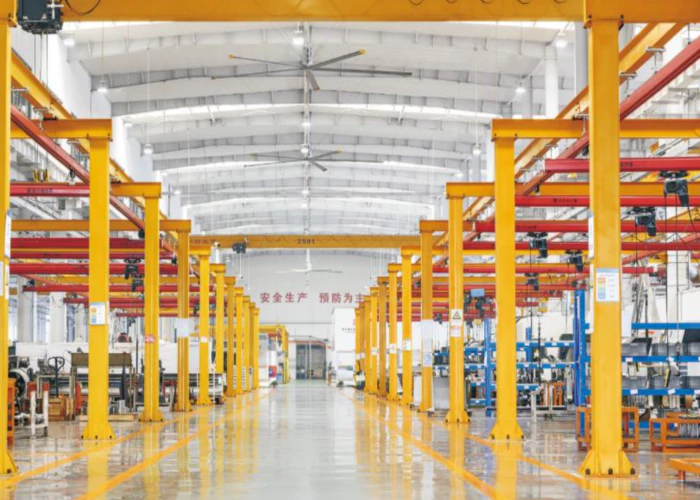
Step Inside Our Clean Room
We believe in transparency. See how we polish and assemble these high-spec cylinders right from your browser.
FAQ: Answering the Tough Questions
What is the actual cost difference between a standard painted cylinder and a 316L stainless steel cylinder?
I will be straight with you—it is significant. You are typically looking at 3 to 4 times the cost of a standard carbon steel unit. The raw material cost of 316L is high, but the real cost driver is the machining time; stainless steel work-hardens and eats tooling for breakfast. However, if you are replacing a painted cylinder every six months due to rust, the stainless unit pays for itself in under two years.
Can you manufacture stainless cylinders that withstand 200°C continuous operating temperatures?
Yes, but the steel isn’t the issue there—it’s the seals. For that kind of heat (common in brick kilns or steel mills), we ditch the standard Polyurethane. We use Viton (FKM) or even PTFE-loaded seals, depending on the pressure. We also have to use special high-temp grease for the rod eye bearings so they don’t seize up.
Do you ship custom food-grade hydraulic cylinders to processing plants in Australia or New Zealand?
We sure do. The ANZ food processing market is huge for us. We ship via sea freight for bulk orders or air freight if your production line is down. We ensure all crating is ISPM-15 compliant so it clears customs without a headache.
Why is my stainless steel cylinder making a squeaking noise during extension?
That is the dreaded “stick-slip” or potential galling. Stainless on stainless is terrible for friction. If your fluid lubricity is low (like with water-glycol fluids), the rod guide might be dragging. We usually use a composite bushing material specifically designed to run against stainless to prevent this squeak and save the rod.
How do I prevent the threaded glands on stainless cylinders from galling and seizing during maintenance?
This is the number one complaint mechanics have! Stainless threads love to cold weld themselves together. The trick is using a high-nickel anti-seize compound during assembly and not over-torquing. We also cut our threads with a slightly looser tolerance class for stainless specifically to avoid this nightmare.
Ready to Stop the Rust?
Don’t let corrosion eat your profits. Let’s spec a cylinder that lasts.