Why standard chrome rods fail in the forest, and how nickel-plating + holding valves keep your operation safe.
If you’ve ever been in the cab of an excavator deep in a damp forest, trying to load a slippery 2-ton hemlock log onto a truck, you know the feeling. You squeeze the grapple, lift the boom, and then… creep. The log starts to slip. The jaws loosen just a fraction of an inch. It’s frustrating, it’s dangerous, and it costs money. In my 18 years of dealing with forestry hydraulics, I’ve seen more guys struggle with “phantom leaks” and rusted rods on their Log Grapple Cylinders than almost any other component. Most printers and generic parts suppliers don’t realize that a grapple cylinder lives in a chemical bath of tree sap, acidic rain, and saltwater mist (if you’re near the coast). Standard construction cylinders just wave the white flag after a few months in these conditions.
The trick isn’t just adding more pressure; it’s about “clamping retention” and corrosion defense. We’ve moved away from standard carbon steel rods for our premium forestry line. Instead, we utilize a طراحی پیستون دو طرفه with a specialized Nickel-Chrome coating. Why? Because tree sap is acidic. It eats through micro-cracks in standard chrome, causing the plating to flake off like old paint. Once the rod is rough, your seals are toast.
👀 See How We Plate Them
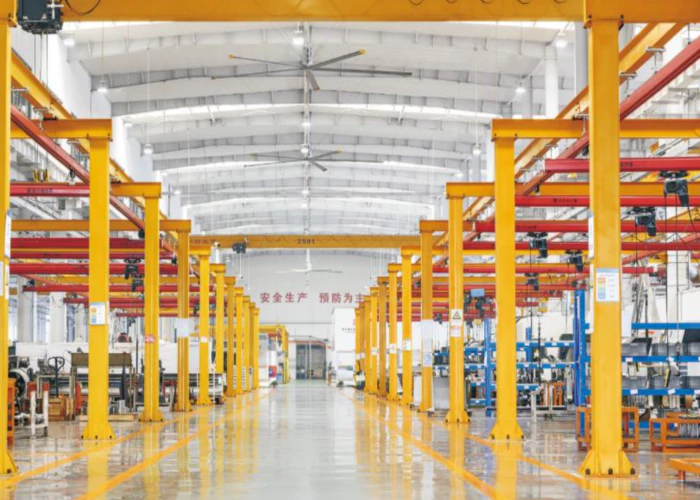
Don’t just take my word for it. We’ve digitized our entire production floor. You can virtually walk up to our honing machines and see the pressure testing benches where we verify the check valves.
همین حالا وارد تاسیسات ما شوید:
The Anatomy of a “No-Slip” Grip
Let’s get under the hood. A Log Grapple Cylinder is structurally different from the bucket cylinder on your digging arm. It’s shorter, stubbier, and usually welded rather than tie-rod based to save weight at the end of the boom. But the real magic happens in two places: the Rod Coating and the Valve.
1. The Safety Lock (Pilot Operated Check Valve):
You cannot rely on the excavator’s main control valve to hold the clamp. There is too much leakage in the spool. We integrate a Pilot Operated Check Valve (POCV) directly onto the cylinder port or built into the cylinder head. This creates a “hydraulic lock.” Once the oil enters the piston side to clamp the log, the check valve slams shut. The oil literally has nowhere to go. The only way to open the jaw is to apply pilot pressure to the *other* side. This ensures that even if a hose bursts mid-air, that log isn’t coming down on anyone’s head.

2. Fighting the Wet (Nickel-Chrome):
Standard cylinders use hard chrome. It’s hard, yes, but it’s porous on a microscopic level. In a wet forest or a log yard near the ocean, moisture penetrates those pores and rusts the steel underneath. The chrome then blisters. We use a multi-layer process: a base layer of Nickel (which is chemically inert and seals the steel) followed by Hard Chrome for wear resistance. It costs a bit more, but we’ve seen these rods last 3x longer in the field.
| ویژگی | مشخصات استاندارد بازار | مشخصات سنگین جنگلداری ما |
|---|---|---|
| جنس بشکه | فولاد ST52 / 1020 | High Tensile Alloy Steel (27SiMn) |
| پوشش میله | کروم استاندارد (20 میکرومتر) | نیکل + کروم سخت (Ni-Cr) |
| ایمنی | بلوک خارجی (اختیاری) | شیر یکطرفه دو خلبانه یکپارچه |
| مهر و موم ها | Single Lip Wiper | Double Lip Wiper (Sap/Ice Breaker) |
| حداکثر فشار | ۲۱۰ بار | ۳۵۰ بار (حداکثر ۴۰۰ بار) |
Where Do These Beasts Roam?
While “Log Grapple” is in the name, the application is much broader. We supply these Hydraulic Grabbing Cylinders for waste handling grapples, stone handling, and even pipe laying. However, the most demanding environment remains the port side loading.
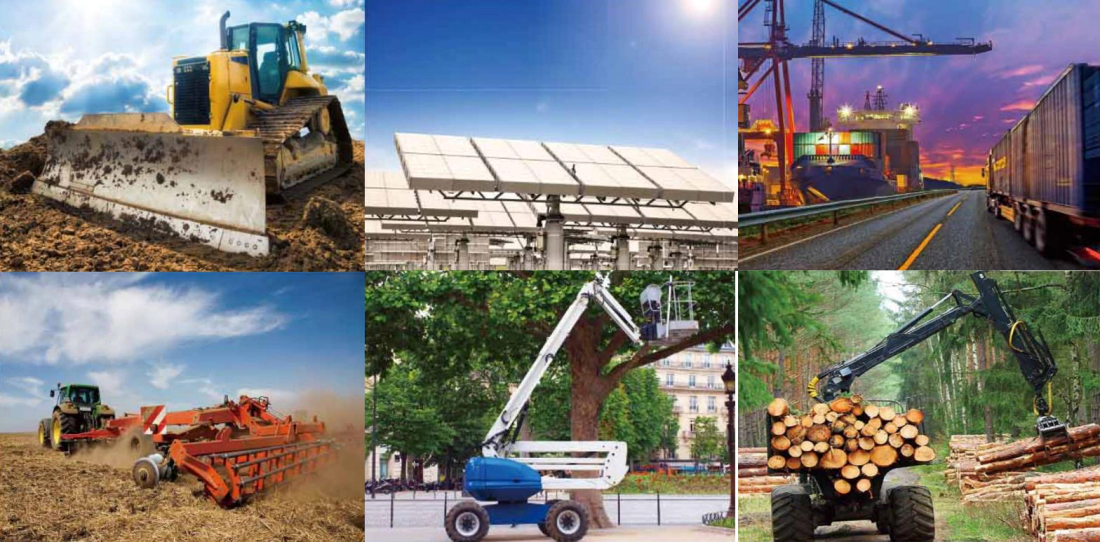
Imagine a grapple unloading logs from a barge in saltwater. The cylinder is splashed with brine every few minutes. Then it sits overnight in the damp air. Standard stainless steel would be too weak (low tensile strength) for the shock loads of dropping logs, but alloy steel rusts. This is why our Nickel-plated Alloy Steel solution is the sweet spot—the strength of steel, corrosion resistance of nickel. We also see a trend in “Orange Peel Grapples” for scrap metal, where the cylinders need heavy shielding to prevent physical damage from flying scrap.
Case Study: The British Columbia “Rainmaker”
مشتری: “Coastal Timber Logistics” – A logging contractor on Vancouver Island, Canada.
کابوس: This region is notorious for relentless rain. The client was running a fleet of 30-ton excavators with rotating grapples. They were replacing cylinder seals every 3-4 months. The culprit? Tiny rust pits on the rod that were acting like sandpaper on the wiper seals. The downtime cost was roughly $2,000 per hour per machine.
Our Fix: We engineered a custom drop-in replacement cylinder featuring:
- ✅ میله: 45-micron Nickel-Chrome plating (Standard is usually 20).
- ✅ برف پاک کن: A metallic “ice-scraper” ring combined with a low-temp PU seal.
- ✅ شیر: A recessed check valve to protect it from being knocked off by stray branches.
The Verdict: The first test set has been running for 26 months. No leaks. No drift. The maintenance manager, a guy who doesn’t smile much, actually shook my hand. That’s a win in my book.
Voices from the Forest
“The holding power is real. We used to have to constantly ‘bump’ the joystick to keep the logs tight. With these new cylinders, once it grabs, it stays grabbed.”
— Mike T., Operator, Oregon, USA
“I was skeptical about the nickel plating price difference, but after a winter of sitting in the yard with no rust, I’m converted.”
— Lars J., Fleet Owner, Sweden
“Good communication on the drawing specs. The mounting pins fit perfectly, which is rare for aftermarket parts.”
— David R., Mechanic, New Zealand
تحلیل استراتژیک (SWOT)
نقاط قوت
- High corrosion resistance (Ni-Cr).
- شیرهای ایمنی یکپارچه (Zero Drift).
- Welded body design saves weight vs tie-rods.
- Custom fit for any grapple brand.
نقاط ضعف
- The nickel plating process is more expensive.
- Longer lead time for custom plating (3-4 weeks).
- Harder to repair the rod surface if deeply gouged.
فرصتها
- Shift towards Bio-degradable hydraulic fluids (requires Viton seals).
- Retrofitting older equipment with safer check valves.
- Expansion into saltwater marine grapples.
تهدیدها
- Supply chain issues for Nickel.
- Low-cost competitors are skipping the safety valves.
- Rise of electric actuators in small machinery.
Future Trends: Smart Forestry?
We are starting to see some really interesting requests coming in. The biggest trend is سازگاری بایو-اویل. Environmental regulations in forests are getting stricter. If a hose blows, you can’t spray standard mineral oil everywhere. Bio-oils (like HEES) are great for the earth, but they dissolve standard Nitrile seals. We are now standardizing on FKM (Viton) or HPU seals for all our forestry exports to future-proof our clients. Another trend is “Smart Cylinders” with built-in load cells, allowing the operator to weigh the log just by lifting it. We are prototyping this now.
سفارشیسازی استاندارد ماست
Here’s the reality: Grapples get banged up. Mounting ears get bent, pins wear out. Often, an OEM replacement won’t fit your modified attachment. That’s where we shine. We don’t just pull boxes off a shelf. You send us a sketch, or the old cylinder, and we build a new one that fits *your* reality. Need a thicker rod? Done. Need the ports moved 90 degrees to avoid a hose pinch point? Easy.
سوالات متداول (FAQ)
Why is my log grapple cylinder losing pressure and dropping loads even when the valve is closed?
That is the classic “internal bypass” nightmare. In our experience, it’s usually one of two things: either the piston seal has been chewed up by contaminants in the oil, or more likely, the integrated pilot-operated check valve (the safety lock) has a piece of debris stuck in its seat. You need to check that valve first before tearing down the whole cylinder.
How much does a custom nickel-plated hydraulic cylinder for a forestry grapple cost compared to a standard one?
I won’t lie to you, nickel-chrome plating adds about 15-20% to the initial cost compared to standard hard chrome. However, if you are working in wet coastal areas or handling sappy pine, standard chrome pits in six months. Nickel lasts for years. So, the “cost” is actually lower over the life of the machine.
Can you manufacture a replacement grapple cylinder for a Rotobec or Hultdins attachment if I don’t have the part number?
Yes, absolutely. We do this every day. Since many older attachments have worn-off ID plates, we just need the physical dimensions—Pin Diameter, Closed Center-to-Center length, and the Stroke. Photos help too. We can reverse engineer it and often upgrade the seals to a modern spec.
What is the best hydraulic seal kit to use for excavators working in freezing Canadian winters?
Standard Polyurethane (PU) gets rock hard and cracks below -20°C. For the Canadian or Nordic markets, we specify a Low-Temperature NBR or specialized Cold-PU compound that stays flexible down to -40°C. If you don’t ask for it, most suppliers won’t give it to you, so be specific!
Do you ship these heavy-duty forestry cylinders to contractors in Australia or New Zealand?
We sure do. A big chunk of our business is exporting to the logging regions of Tasmania and NZ. We crate them in treated wood boxes to meet ISPM 15 standards, so they fly right through customs without a hitch.
Stop the Drops. Secure the Load.
Your grapple is only as good as the cylinder powering it. Upgrade to Nickel-Chrome today.