The Invisible Art of the Perfect Mat: Why Screed Angle Cylinders Make or Break Dutch Roads
There is a distinct smell to fresh asphalt—bitumen and heat—that anyone in the road building business knows instantly. But for us engineers, the real focus isn’t the smell; it’s the mat texture behind the screed. You’ve likely seen it: a paver moving down a highway near Utrecht, and the operator is frantically adjusting the leveling controls because the screed angle keeps drifting. It creates those subtle ripples in the road surface that you feel in your car’s steering wheel at 100 km/h. In my 18+ years of diagnosing hydraulic failures on heavy machinery, I’ve learned that the Screed Angle Cylinder (or leveling cylinder) is the unsung hero of the paving train. It’s small, often overlooked, but if it fails to hold the angle of attack against the immense pressure of the asphalt head, your smoothness bonus is gone.
Most maintenance teams treat these cylinders like commodity parts. They swap them out with standard agricultural-grade replacements and wonder why they start leaking after three months. Here is the reality: a paver isn’t a tractor. The environment is brutal. We are talking about radiant heat exceeding 160°C (especially with the porous asphalt, or ZOAB, commonly used here in the Netherlands), combined with the constant, high-frequency vibration from the tamper bars. A standard nitrile seal doesn’t stand a chance—it cooks, hardens, and then the oil bypass starts. That’s why we engineer our cylinders differently, using Material de 27SiMn and specialized high-temp sealing configurations.
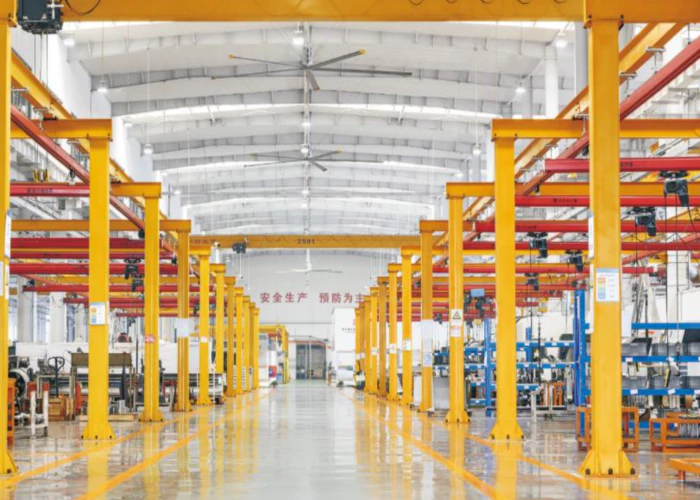
Don’t just read about our engineering specs—walk the floor with us.
I can tell you about our welding robots and chrome baths, but seeing is believing. We’ve digitized our entire facility so you can inspect our quality control processes from your desk.
The trick isn’t just making the cylinder “stronger” in terms of lifting capacity; it’s about thermal stability. When the hydraulic fluid heats up, its viscosity drops. If your cylinder has even a micron of increased clearance due to thermal expansion of the barrel, you get “drift.” The screed angle changes slightly, the mat thickness varies, and suddenly, you have a water-pooling issue on a newly paved road. We tackle this by using Acero 27SiMn for the barrel, which has superior tensile strength and thermal stability compared to standard ST52. Plus, we hone the bore to a mirror finish to ensure the high-temp seals glide rather than grind.
Why 27SiMn and Chrome Matter in the Dutch Climate
Let’s talk about the weather (it is the Netherlands, after all). You have paving crews working in damp, salty air near the coast in Zeeland, and then facing freezing rain in the winter. Standard chrome plating is porous—microscopically, it looks like a cracked desert floor. Moisture gets in, hits the steel rod, and rust blooms from the *inside* out.
For our Screed Angle Cylinders, we don’t skimp on the rod treatment. We use a multi-stage plating process. First, a layer of semi-bright nickel to seal the steel (nickel is naturally corrosion-resistant), followed by a thick layer of hard chrome. This provides the hardness to resist asphalt grit and the corrosion resistance to survive a Dutch November. Combined with the 27SiMn body—which allows for thinner walls without sacrificing burst pressure strength—we reduce the unsprung weight on the screed, allowing for faster response times from the leveling system.

Strategic Analysis: The Paver Cylinder Market
In our experience, buying cheap hydraulic parts for a €300,000 paver is stepping over dollars to pick up pennies. But we also know you need to justify the cost. Here is a SWOT analysis of our High-Temp Angle Cylinders specifically for the European infrastructure market:
Fortalezas
- Thermal Resilience: Seals rated for 200°C+ handle ZOAB asphalt without hardening.
- Superioridad material: 27SiMn offers 20% higher yield strength than ST52.
- Zero-Drift Tech: Internal leakage is virtually eliminated for precise leveling.
Debilidades
- Price Point: Higher initial investment due to premium materials (Viton/FKM).
- Specialization: Not a “universal fit” – requires checking specific pin dimensions.
Oportunidades
- Sustainability Goals: Better paving quality means longer road life, aligning with Dutch green initiatives.
- Fleet Retrofits: Upgrading aging Vogele/Dynapac fleets to extend service life.
Amenazas
- Low-Quality Imports: Generic cylinders that look the same but lack heat treatment.
- Costos de materia prima: Fluctuations in nickel prices affecting plating costs.
Case Study: Resurfacing the A12 Corridor
A major Dutch infrastructure contractor, let’s call them “Oranje Infra” (to respect client confidentiality), faced a recurring nightmare during the night paving of the A12 highway near Gouda. The project specs required an incredibly tight tolerance on the mat slope to ensure proper drainage. However, halfway through the shift, as the paver hydraulics reached peak temperature, the screed angle would start to drift. The operator had to constantly fight the controls.
They traced the issue to the OEM angle cylinders. The internal piston seals had lost elasticity due to the radiant heat from the asphalt mix, causing internal bypass. The oil was literally slipping past the piston.
La solución:
We supplied a retrofit set of our “Thermal-Lock” Angle Cylinders. We utilized Viton (FKM) piston seals and glass-filled nylon wear rings designed to expand at the same rate as the barrel.
El resultado:
The drift vanished. The operator reported that the controls felt “crisp” even after 8 hours of continuous paving. Oranje Infra completed the section two days ahead of schedule because they didn’t have to stop for constant recalibration. They’ve since retrofitted three more machines.
Lo que dice la industria
“We usually replace angle cylinders every winter maintenance cycle. These Ever Power units are going into their third season. The chrome just doesn’t pit like the others.”
– Bram V., Workshop Manager, Rotterdam
“The precision is noticeable. When we set the angle for a camber, it stays there. No creep. That makes the inspector happy, which makes me happy.”
– Jeroen K., Paver Operator
“Customization was easy. I needed a slightly different port orientation for my older Demag, and they fabricated it perfectly.”
– Lucas D., Equipment Refurbisher
Technical Specifications: Built for the Heat
We don’t believe in hiding our specs. A cylinder is only as good as its weakest seal or weld. Here is exactly what goes into our High-Temp Screed Angle cylinders.
| Característica | Detalles de la especificación |
|---|---|
| Tipo de cilindro | Double-Acting Piston (Angle/Levelling) |
| Material del cañón | 27SiMn (High Strength Low Alloy) |
| Recubrimiento de varillas | Multi-layer Hard Chrome (>25µm) + Nickel Underlay |
| Tecnología de sellado | Viton (FKM) / High-Temp PTFE (Rated up to 220°C) |
| Presión de trabajo | 210 Bar (Continuous) / 350 Bar (Shock) |
| Drift Tolerance | Zero-Leakage Design for Static Holding |
| Montaje | Self-Aligning Spherical Bearings (Maintenance Free) |
Beyond the Paver: Where Else Do We Apply This?
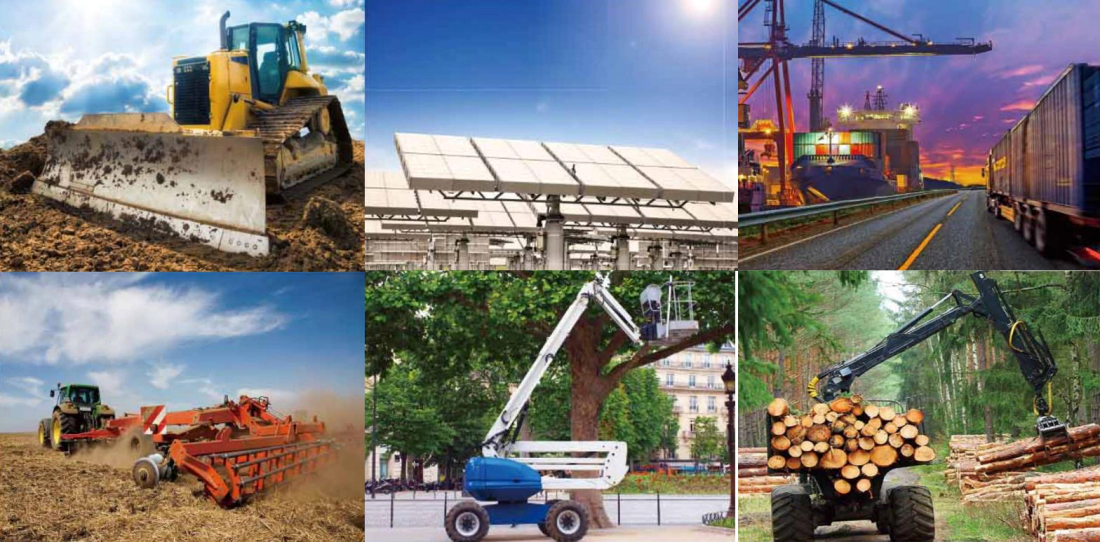
While we optimized this design for asphalt pavers, the principles of “high heat, high precision, and dirty environments” apply to a lot of machinery we see in the Benelux region.
- ✔
Road Profilers (Cold Planers): The leveling cylinders here take even more vibration than a paver. Our welded design holds up brilliantly.
- ✔
Motoniveladoras: Blade angle control requires similar precision. If the blade dips, you ruin the sub-base.
- ✔
Asphalt Rollers: Steering cylinders on rollers get baked by the hot mat just like the screed. We use the same seal kits here.
Customization: We Don’t Do “One Size Fits All”
Here’s the thing about construction machinery: manufacturers love to change specs mid-model year. A cylinder for a 2018 paver might have a different pin size than the 2019 model. Most suppliers will shrug and tell you to buy a new assembly. We don’t.
Nos especializamos en custom fabrication. You send us the dimensions—or even the old, leaking cylinder—and we reverse engineer it. We can adjust the stroke, change the port locations (to make hose routing easier, because we know how tight it is in there), or upgrade the rod material.
Talking Shop: Preguntas frecuentes
Can these cylinders handle the higher temperatures of ZOAB asphalt?
Absolutely. That was a key design criterion. Since ZOAB is laid hotter than standard mix, we use Viton (FKM) seals rated for continuous operation at 200°C. They won’t bake or crack like standard nitrile seals, ensuring you don’t lose pressure mid-pave.
How fast can you ship replacement paver cylinders to the Netherlands?
We know downtime on a paving job is wildly expensive. For custom orders, production is about 15-20 days. We offer expedited air freight directly to Amsterdam or sea freight to Rotterdam. We provide DDP quotes, so customs and duties are all handled for you.
Do you retrofit older Vogele or Dynapac paver models?
Yes, we do. Many of those older machines are built like tanks and just need new hydraulics. We can manufacture cylinders that match the original mounting specs but use modern, high-performance seals and better steel (27SiMn), effectively upgrading the machine.
Why is 27SiMn steel better than standard steel for these cylinders?
It comes down to strength-to-weight. 27SiMn has a much higher yield strength than standard St52. This allows us to make the cylinder barrel lighter without losing burst strength. Less weight on the screed means the leveling system can react faster to changes in the road base.
What if I need a specific port orientation for my hydraulic hoses?
That is an easy fix for us. Since we weld everything in-house, we can rotate the ports to any angle you need before the final weld. Just mark it on the drawing or sketch, and we will build it so your hoses aren’t kinked or rubbing against the chassis.
Is your screed drifting off course?
Don’t let heat destroy your paving precision. Upgrade to High-Temp hydraulics.