Continuous Caster Hydraulic Cylinders: Precision Engineering in the “Red Zone”
There is a specific smell in a steel mill continuous casting shop—a mix of ozone, burning grease, and steam—that you never quite get out of your clothes. In my eighteen years of troubleshooting hydraulic systems, standing on the ladle turret platform or down in the segment maintenance pit, I have learned one undeniable truth: the casting floor is where standard hydraulics go to die. We aren’t just talking about heat; we are talking about radiant temperatures exceeding 1000°C, a scale that is harder than glass, and a fire-resistant hydraulic fluid (usually Water Glycol) that has the lubricity of tap water. When we talk about a Cilindro hidráulico de colada continua, we aren’t discussing a simple linear actuator; we are discussing a survivalist component. Most printers and general procurement officers don’t realize that a cylinder failure here isn’t just downtime; it’s a breakout risk. If a segment clamping cylinder loses pressure during a cast, you get a bulge, and if that shell ruptures… well, nobody wants to see molten steel where it shouldn’t be. The trick is managing the thermal expansion gaps while keeping the seals tight enough to hold pressure against the ferrostatic head.
👀 Recorra nuestra línea de producción
Don’t just take a datasheet’s word for it. Step inside our specialized honing workshop and clean-room assembly area right now via Virtual Reality.
🚀 ENTRAR AL TOUR DE LA FÁBRICA DE REALIDAD VIRTUAL
100% Transparent. No appointment needed.
The Engineering Reality: Why “Standard” Seals Dissolve
Let’s get technical about the fluids. Almost every continuous caster runs on Water Glycol (HFC) fluids for fire safety reasons. While HFC prevents fires, it is notoriously aggressive on polyurethane seals. Standard seals absorb the water, swell, soften (hydrolyze), and eventually crumble like old cheese. In our experience, the only way to build a reliable Cilindro hidráulico de colada continua is to use specialized seal compounds—typically FKM (Viton) or proprietary PTFE-Bronze composites that are specifically engineered for water-based fluids.
Then there is the issue of “Mold Oscillation.” The mold table cylinders have to dither at high frequencies (sometimes 200-300 cycles per minute) with very short strokes. This creates a lubrication nightmare because the oil film never gets a chance to fully develop on the rod. Standard cylinders will experience “stick-slip” and galling within weeks. We combat this by using hydrostatic bearing designs or specialized surface treatments like Laser Cladding (HVOF) on the rods, which hold lubrication better than standard chrome and are hard enough to resist the abrasive caster powder that inevitably settles on the wiper.
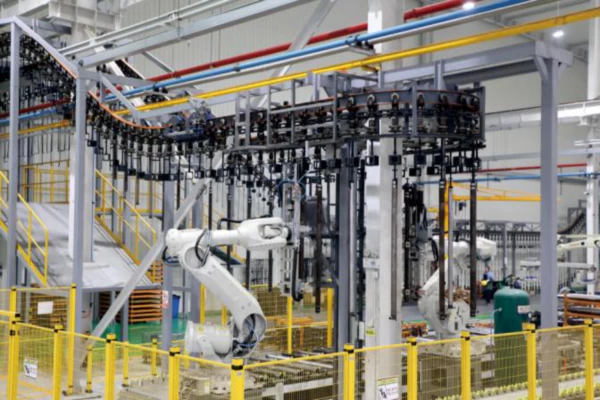
Our specialized testing rig simulates HFC fluid conditions to ensure seals don’t swell before they ship.
Technical Specs: Built to Beat the Heat
When replacing cylinders for the segments (the bender or straightener sections), thermal management is the priority. We often design these units with integrated water-cooled jackets. It’s a cylinder within a cylinder, circulating cooling water around the barrel to keep the hydraulic fluid and seals below 60°C, even if the ambient air is 400°C. If you don’t cool the barrel, the internal clearance changes due to thermal expansion, and you lose clamping force. Below is a breakdown of what separates a “Mill-Duty” cylinder from a generic one.

From the Ladle Turret to the Withdrawal Units, reliability is non-negotiable.
Application Scenarios: Critical Points in the Line
A continuous caster is a machine of many parts, and each requires a different hydraulic approach. At the top, the Ladle Turret Cylinders lift 300 tons of molten steel. Safety factors here are 6:1 or higher because a failure is catastrophic. Moving down, the Tundish Car Cylinders handle alignment; they get sprayed with slag and steel splash, so we use massive metallic wipers and bellows. Then you have the Segment Cylinders (clamping). These are the workhorses. They maintain the roll gap (taper) as the steel solidifies. If they drift, the slab bulges, leading to segregation defects inside the steel. And finally, the Dummy Bar cylinders, which have to operate smoothly to start the cast. We even see specialized cylinders for the torch cut-off machines, which operate in an inferno of sparks.
Case Study: The “Steam Bath” in Odisha
Client: Eastern Steelworks (India)
El desafío: A high-capacity slab caster in a tropical environment. The humidity, combined with the steam from the secondary cooling zone, created a “sauna” effect. The OEM cylinders on the bender segments were corroding at the rod end threads, and the water-glycol fluid was eating the standard seals every 3 months. Maintenance costs were spiraling, and they had to stop the caster frequently for cylinder swaps.
La solución: Hemos diseñado un diseño personalizado Cilindro hidráulico de colada continua solution. We switched the piston rods to 17-4PH Stainless Steel to eliminate corrosion issues (stainless handles the steam perfectly). We also installed a custom “Scraper-Wiper” seal stack designed specifically for sticky mold powder residue. Crucially, we changed the internal guidance bands to a high-temp phenolic resin that doesn’t swell in water.
El resultado: The cylinder service life extended from 3 months to 14 months. The plant director, Mr. Singh, noted a 15% reduction in the annual maintenance budget for that segment. It proves that spending a bit more on materials upfront saves massive amounts in downtime later.
SWOT Analysis: The State of Steel Mill Hydraulics
Fortalezas
We have in-house testing for Water Glycol compatibility. Our ability to manufacture water-cooled barrels sets us apart from generic shops.
Debilidades
Stainless steel and laser cladding are expensive. We cannot compete on price with low-end carbon steel cylinders (but we win on lifespan).
Oportunidades
Industry 4.0: Integration of smart sensors (LDTs) that can survive 100°C+ ambient temps to provide real-time roll gap data.
Amenazas
Poor filtration practices in mills. Even the best cylinder will fail if the HFC fluid is full of particulates. Education is key.
Trend Watch: Smart Steel
The steel industry is moving toward “Smart Casters.” This means the Cilindro hidráulico de colada continua is becoming a sensor. We are increasingly integrating Magnetostrictive Linear Displacement Transducers (LDTs) inside the cylinder rod. This allows the PLC to dynamically adjust the roll gap (Soft Reduction) to optimize the internal quality of the slab as it solidifies. However, electronics hate heat. We have developed specialized cooling housings for the sensor heads and use high-temp cables to ensure the data keeps flowing even when the area is showered in sparks. Another trend is “predictive maintenance”—using pressure sensors to detect internal seal bypass before it becomes a critical failure.
Fábrica y personalización: reconstruimos a los gigantes
Let’s be honest, replacing a whole bank of segment cylinders is expensive. That’s why we offer a robust remanufacturing program. We can take your old, scale-encrusted cylinders, strip them down, re-hone the barrels, install new stainless or clad rods, and upgrade the seals to modern HFC-resistant materials. It’s often 40% cheaper than buying new OEM units. But if you need new, we can reverse engineer obsolete designs from the 70s or 80s (Demag, SMS, Danieli) and build them to fit perfectly, but perform like it’s 2025.
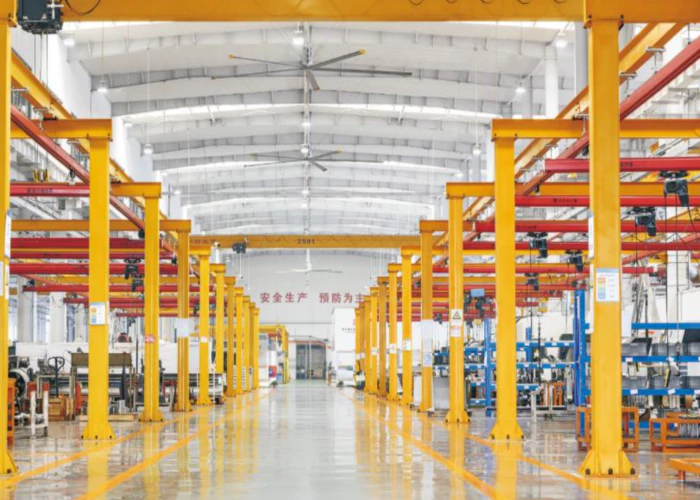
Welding water jackets requires precision TIG work to ensure zero coolant leaks into the hydraulic oil.
Voces desde el suelo del molino
“Our oscillator cylinders were leaking every week. Ever Power suggested a hydrostatic bearing design. It sounded expensive, but we haven’t touched them in a year. Worth every penny.”
— Klaus M., Jefe de Mantenimiento, Alemania
“The water-cooled cylinders they built for our straightener are fantastic. Even when we had a breakout nearby, the seals survived because the jacket kept them cool.”
— Chen Wei, Steel Plant Manager, China
“Fast turnaround on the ladle turret repair. They understood the urgency. You don’t make money when the turret is down.”
— Jim B., Maintenance Superintendent, USA
FAQ: Conversations We Have Daily
Why do my caster cylinder seals swell and fail so fast?
It is almost certainly fluid incompatibility. If you are using standard U-cups with Water Glycol (HFC) fluid, they will absorb water and degrade. You need specialized HFC-compatible seals like FKM or specific polyurethane blends.
What is the price of a water-cooled segment cylinder?
These are highly customized. A standard segment cylinder might be $1,500, but a water-cooled version with a stainless rod could be $3,500+. The cost is offset by the drastically increased lifespan.
Can you ship heavy cylinders to steel mills in Brazil?
Yes, we ship globally with DDP (Delivered Duty Paid) terms. We handle the heavy-duty wooden crating and customs, delivering directly to your mill’s spares warehouse.
How do you protect the position sensor (LDT) from the heat?
We install the LDT inside the gun-drilled piston rod, which offers physical protection. For the electronics head, we design a customized cooled housing or use high-temp resistant probes rated for 100°C+.
Is Laser Cladding better than Chrome for caster rolls?
Absolutely. Standard chrome is porous and allows steam to corrode the base metal. Laser cladding forms a metallurgical bond and is denser, preventing the ‘peeling’ often seen in steam environments.
Do you repair old SMS or Danieli cylinders?
Yes, we specialize in refurbishing OEM cylinders. We can upgrade the materials during the repair, often making the refurbished unit better than the original factory spec.
Your Cast Sequence Depends on Reliability
Don’t let a $2,000 cylinder stop a $200,000 cast. Let’s talk specs.