Let’s be real for a second: nobody pays attention to the quick coupler cylinder until it fails. You are busy worrying about the massive blade lift cylinders or the track tensioners. But in my 18 years of crawling over dozers, I’ve seen more “near misses” caused by a failed Quick Coupler Cylinder than any other hydraulic component. The terrifying sound of a 2-ton ripper shank detaching unexpectedly? Yeah, that’s usually because the locking cylinder lost pressure. Most printers and purchasing managers don’t realize that this tiny actuator is holding the entire attachment system together against gravity and vibration.
The environment down there is brutal. This cylinder is often buried in mud, submerged in swamp water, or packed with frozen clay. A standard agricultural-grade cylinder just can’t hack it. The seals get chewed up by the grit, the pressure drops, and the safety pin slides out. That is why we engineer our Bulldozer Attachment Quick Hitch Cylinders with a specific focus on “Lock Integrity.” We use Acero 27SiMn for the body (tougher than standard ST52) and integrate a fail-safe Pilot Operated Check Valve directly into the port. It’s not just about pushing the pin; it’s about making sure that pin never moves unless you want it to.
👀 Verifique nuestra calidad de producción
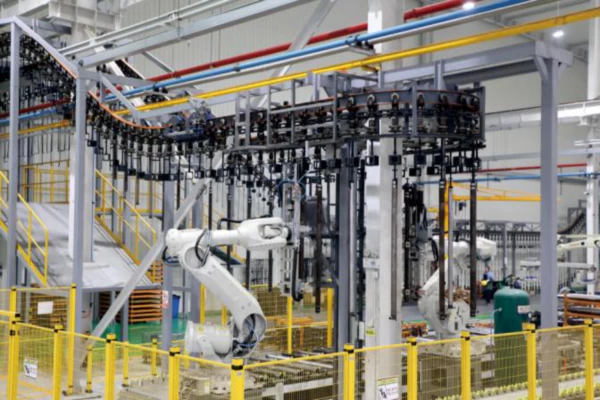
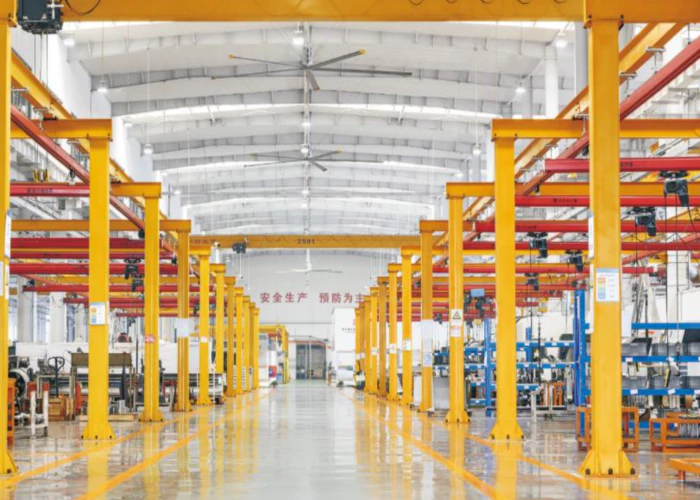
We don’t just claim to have high standards; we show you. We’ve digitized our entire production floor. You can virtually inspect our pressure testing benches where we test these safety valves.
Entre en nuestras instalaciones ahora mismo:
🚀 Visita nuestro recorrido por la fábrica de realidad virtual
The “Double-Lock” Logic: Engineering Specs
Let’s get technical. The function of this cylinder is simple: extend to engage the locking wedges/pins, retract to release. But the physics are tricky. When a dozer is ripping rock, the vibration is intense (high frequency, high amplitude). This vibration tries to shake the hydraulic fluid back through the lines. If your cylinder doesn’t have a Lock Valve (Hydraulic Check Valve), the fluid will migrate, and the lock will open.
Our cylinders use a Pistón de doble efecto design with a welded body for compactness. Space is tight inside a quick hitch. We specify Acero 27SiMn for the barrel because it has a higher tensile strength than standard 1020 steel. This prevents the cylinder from deforming if the attachment gets jammed. Furthermore, we use a Chrome Plated Rod with a specific surface roughness (Ra 0.2) to work perfectly with our mud-scraper wipers. The “trick” is the seal material: we often use a hybrid PU/PTFE seal that can tolerate the silica dust found in mining sites without scoring the rod.
| Característica | Standard Cylinder Spec | Our Safety-Lock Spec |
|---|---|---|
| Material del cañón | 1020 / ST52 Steel | 27SiMn (alta resistencia) |
| Válvula de seguridad | External (Often Missing) | Válvula de retención piloto integrada |
| Caza de focas | NBR estándar | Mud-Resistant PU + Scraper |
| Presión de trabajo | 16-21 Mpa | 25-35 Mpa (Peak) |
| Recubrimiento de varillas | Cromo simple | Multi-layer Hard Chrome |
¿Dónde vive este cilindro?
You will find these cylinders on the back of almost every modern Crawler Dozer equipped with a multi-shank ripper or a winch attachment. The Quick Coupler System allows the operator to drop a ripper and pick up a winch or a counterweight without leaving the cab. This efficiency is great, but it relies 100% on the cylinder.

We also see these cylinders used on front-end loader attachments and excavator tool changers. The common thread is the need for “Positive Locking.” In swamp logging applications (LGP Dozers), the cylinder is frequently submerged. For these clients, we offer a specialized “Marine Spec” with upgraded rod plating to prevent the rust that inevitably leads to seal failure.
Case Study: The Australian Outback Reliability Test
Cliente: “Red Earth Mining Services” – Operating a fleet of D10T dozers in Western Australia.
El problema: The fine red dust in the Pilbara region is notorious. It acts like a grinding powder. The client was experiencing quick hitch failures every 3 months. The dust was getting past the wipers, destroying the internal seals, and causing the lock pressure to drop. They had two incidents of rippers detaching mid-shift, which is a massive safety violation.
Nuestra solución: Hemos diseñado un diseño personalizado 27SiMn Locking Cylinder.
- ✅ Valve: Integrated a heavy-duty Sun Hydraulics load-holding valve directly into the cylinder cap.
- ✅ Seal: Switched to a double-lip “ice scraper” wiper usually used in forestry to handle the caked-on dust.
- ✅ Vara: Increased chrome thickness to 40 microns to resist pitting.
El resultado: The retrofit cylinders have been running for 18 months with zero failures. The maintenance supervisor, Bruce, told us: “It’s the first time I haven’t had to worry about that damn pin since I started here.”
Retroalimentación desde el campo
“Safety is our #1 priority. The integrated check valve on these Ever Power cylinders gives us peace of mind. No more drift.”
— Mark S., Site Safety Officer, Canada
“Fitment was perfect. We usually have to modify aftermarket parts, but these slid right into our Cat coupler without a hammer.”
— Diego R., Workshop Lead, Chile
“Good price for the quality. The 27SiMn steel feels much heavier and more solid than the OEM tube we replaced.”
— Liam K., Procurement, Ireland
Análisis estratégico (FODA)
Fortalezas
- High safety factor with integrated lock valves.
- Superior material (27SiMn) vs standard steel.
- Custom mud-resistant seal configurations.
- Rapid prototyping/customization capability.
Debilidades
- Higher cost than non-valved generic cylinders.
- Requires precise port location data for custom fits.
- Ligeramente más pesado debido al mayor grosor de la pared reforzada.
Oportunidades
- Stricter global safety regulations for quick hitches.
- Retrofitting older machines with safer hydraulics.
- Expansion into “Smart Hitch” sensor integration.
Amenazas
- Rise of electric/mechanical screw actuators.
- Cheap, unsafe knockoffs are flooding the market.
- Supply chain delays for high-grade valve components.
Future Trends: The Smart Cylinder?
We are seeing a shift towards “Connected Safety.” The old way was visually checking the pin. The new way? Inductive sensors are built directly into the cylinder end-cap. These sensors send a signal to the cab confirming the wedge is fully engaged. If the cylinder creeps back even 5mm, an alarm sounds. We are currently prototyping these “Smart Lock Cylinders” for several major OEMs. Also, higher system pressures (350 bar+) are becoming common to allow for smaller, lighter cylinders that still pack a punch.
Custom Built for Your Hitch
Here is the deal: Quick hitches vary wildly. A Miller coupler is different from a Hill, which is different from a Cat. Off-the-shelf cylinders often have the wrong port orientation, causing hoses to rub and burst. That’s why we specialize in Fabricación a medida. You send us the dimensions, or the old unit, and we build a cylinder that fits perfectly, often with upgraded internal components.
Preguntas frecuentes (FAQ)
Why is my dozer quick hitch cylinder losing pressure and dropping the attachment safety pin?
In our experience, this nightmare scenario is usually caused by internal bypass or a failed check valve. If you are using cheap cylinders without a Pilot Operated Check Valve (lock valve), the oil slowly leaks back to the tank, and the pin retracts. You need a cylinder with a hard-integrated safety valve that mechanically traps the oil, ensuring the lock stays engaged even if a hose bursts.
Is 27SiMn steel better than standard ST52 for a quick coupler cylinder exposed to vibration?
Absolutely. Standard ST52 is fine for static loads, but a dozer attachment sees massive high-frequency vibration. 27SiMn (Silicon-Manganese) has a much higher yield strength and better fatigue resistance. We switched to this material years ago because it prevents the barrel from “ballooning” under shock loads, which is the main cause of seal failure in these units.
How much does a custom replacement quick coupler cylinder cost for a Cat or Komatsu dozer?
It depends on the pin size and stroke, but generally, a high-safety spec cylinder with a lock valve will run between $250 and $600. OEM parts often mark this up by 300%. Since we manufacture them, you aren’t paying the “yellow paint tax”. Send us your dimensions for an exact figure.
Can you manufacture a replacement cylinder if the original part number is worn off?
We see this every day. Mud and rocks scrub those ID plates right off. Yes, we can. We just need three key measurements: Pin Diameter, Closed Center-to-Center length, and the Stroke. A photo of the mounting ports helps too. We can reverse engineer it and usually upgrade the seals to a modern mud-resistant profile.
What is the typical lead time for a custom welded quick hitch cylinder?
We know a machine down is money lost. For custom welded designs, we typically need 3 to 4 weeks to ensure the chrome plating and welding stress relief are done right. However, for urgent breakdown situations, we have an expedited track that can sometimes ship in under 18 days.
Secure Your Attachments. Period.
Don’t gamble with dropped loads. Upgrade to Safety-Lock cylinders today.