High-Precision Hydraulic Lifting Cylinders for Energy Storage Battery PACK Assembly
Cleanroom-Ready Actuation Solutions for the Lithium-Ion Revolution.
The rapid scaling of the global energy storage sector has shifted the manufacturing paradigm from simple assembly to high-precision, automated stacking. In the production of large-scale battery PACKs for commercial energy storage systems (ESS) and electric vehicles, the mechanical handling equipment serves as the backbone of the production line. The hydraulic lifting cylinder used in these PACK assembly stations is not merely a force provider; it is a critical positioning device that must operate within strict cleanliness standards.
Unlike heavy construction machinery where raw power is paramount, the battery manufacturing environment demands a unique synthesis of rigidity and hygiene. A standard painted cylinder poses a contamination risk through paint flaking, while standard seals may allow microscopic oil leakage—catastrophic events in a battery cleanroom. We have engineered a specialized line of double-acting, welded piston cylinders specifically for this application. Utilizing Q345D high-strength steel for structural immobility and advanced electroless nickel plating for zero-particulate surface capability, these actuators redefine reliability in the energy sector.
Our design philosophy centers on “Zero-Leakage, Zero-Contamination.” By integrating low-friction sealing systems with high-precision machining, we ensure that the heavy lifting required for 200kg+ battery modules is performed with the delicacy of a laboratory instrument.
Immersive Manufacturing Verification
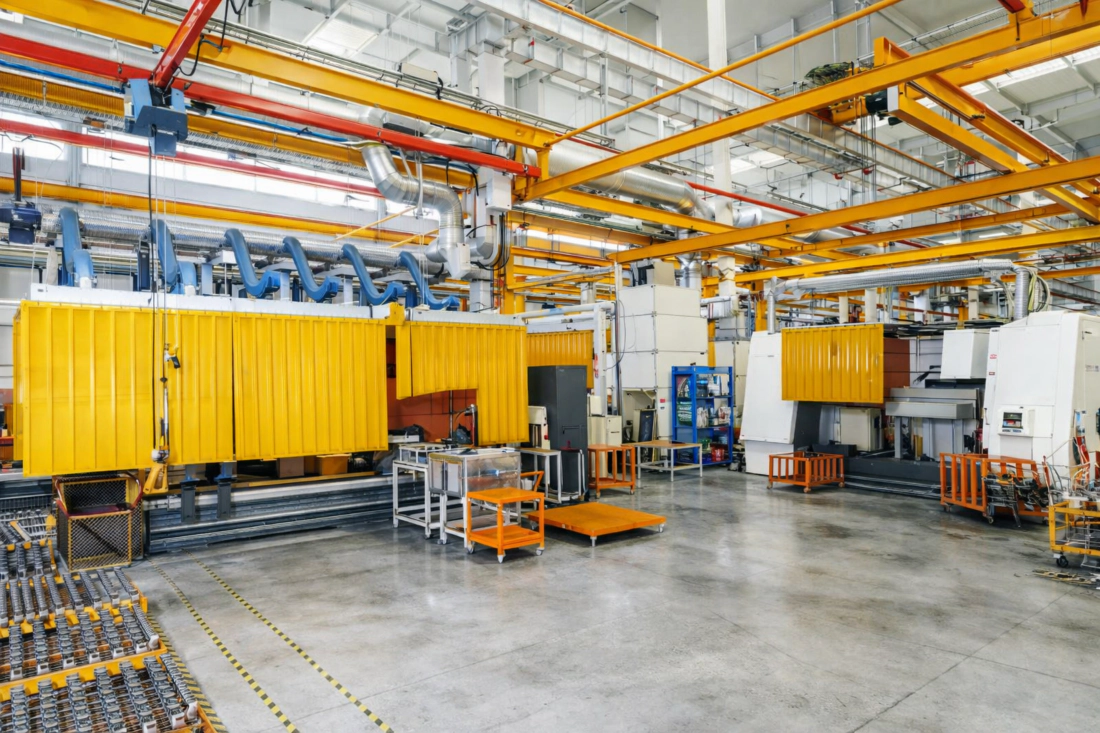
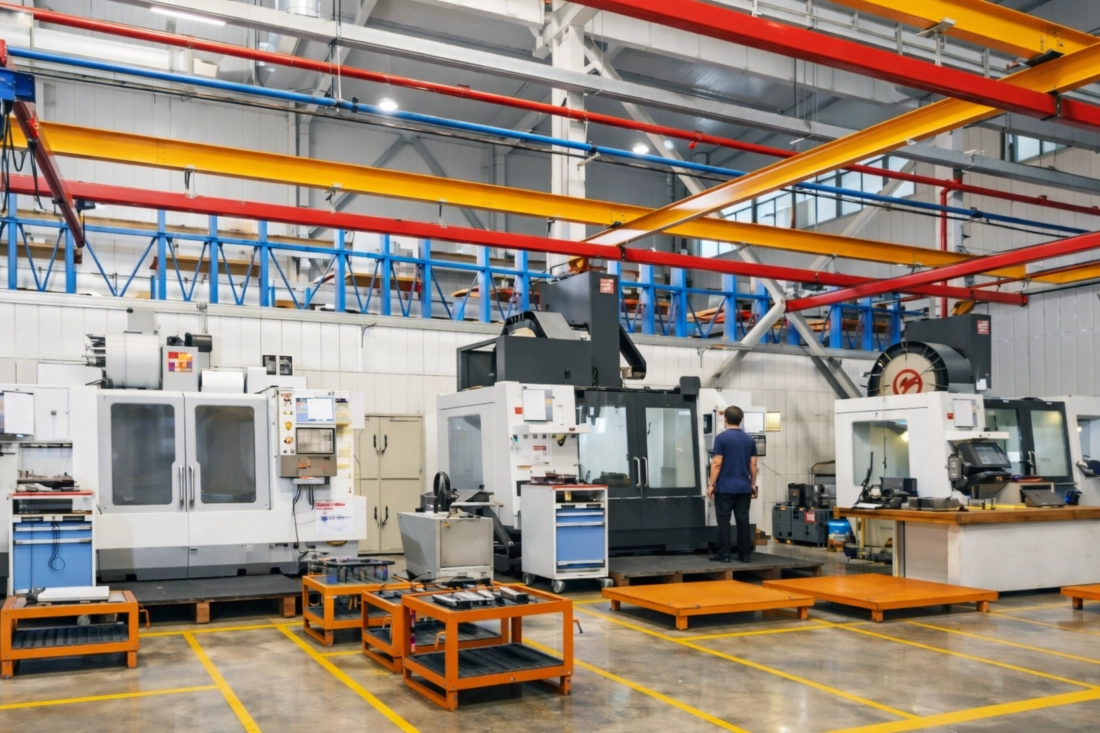
Digital transparency is the foundation of modern B2B trust. We invite you to bypass geographical limitations and step virtually onto our production floor. Witness the clean assembly areas and precision CNC centers where we manufacture these specialized components.
Engineering the Clean Lift: Material & Structure
The structural integrity of a PACK lifting cylinder begins with the material selection. We utilize Acero de baja aleación y alta resistencia Q345D for the cylinder barrel and main structural components. This grade is specifically chosen for its excellent impact toughness at low temperatures and superior weldability. In a battery assembly line, the cylinders often undergo high-frequency start-stop cycles. Q345D provides the fatigue resistance necessary to maintain dimensional stability over millions of cycles, ensuring the stacking alignment remains true.
However, the defining feature of our energy storage series is the surface treatment. Traditional epoxy paint is strictly prohibited in many battery cleanrooms due to outgassing and particulate generation. We employ a comprehensive Electroless Nickel Plating process for the exterior of the cylinder body. This provides a hard, chemically inert surface that resists corrosion from electrolyte vapors (such as HF acid traces) and can be wiped down with solvents without degradation.
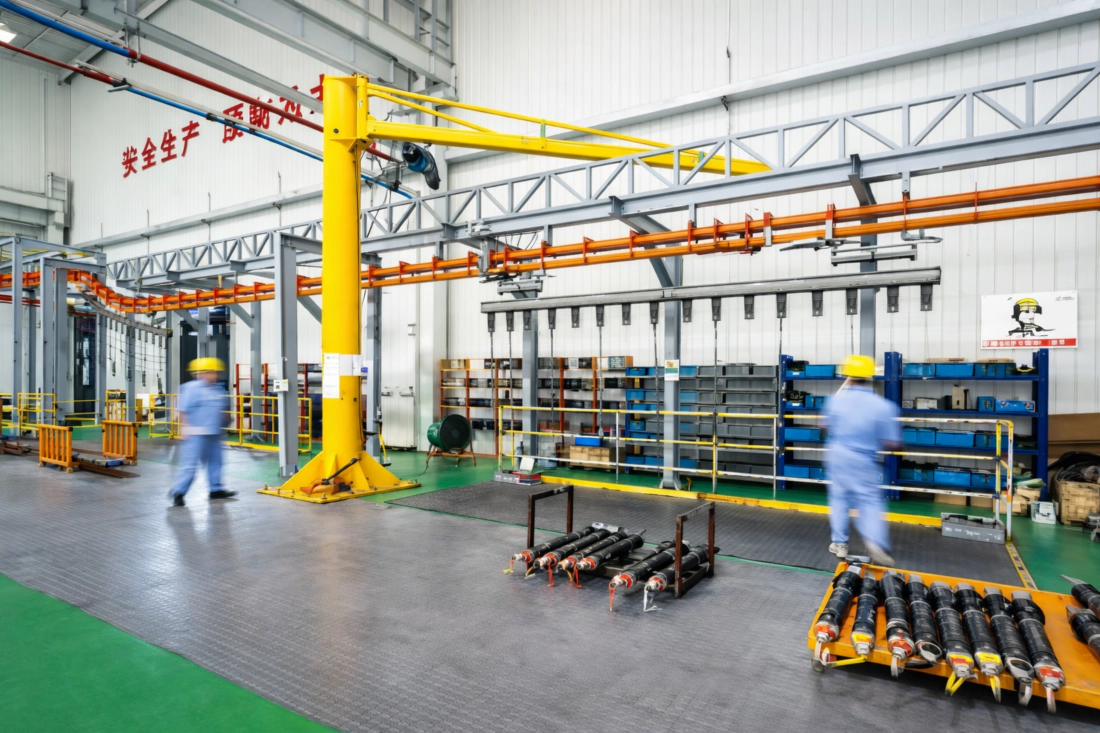
The internal architecture features a fully welded construction to eliminate the risk of tie-rod elongation. The piston rod itself is induction hardened and chrome plated, then polished to a mirror finish (Ra < 0.2μm) to maximize seal life and minimize friction.
Strategic Advantages for Battery Manufacturing
Cleanroom Compatibility
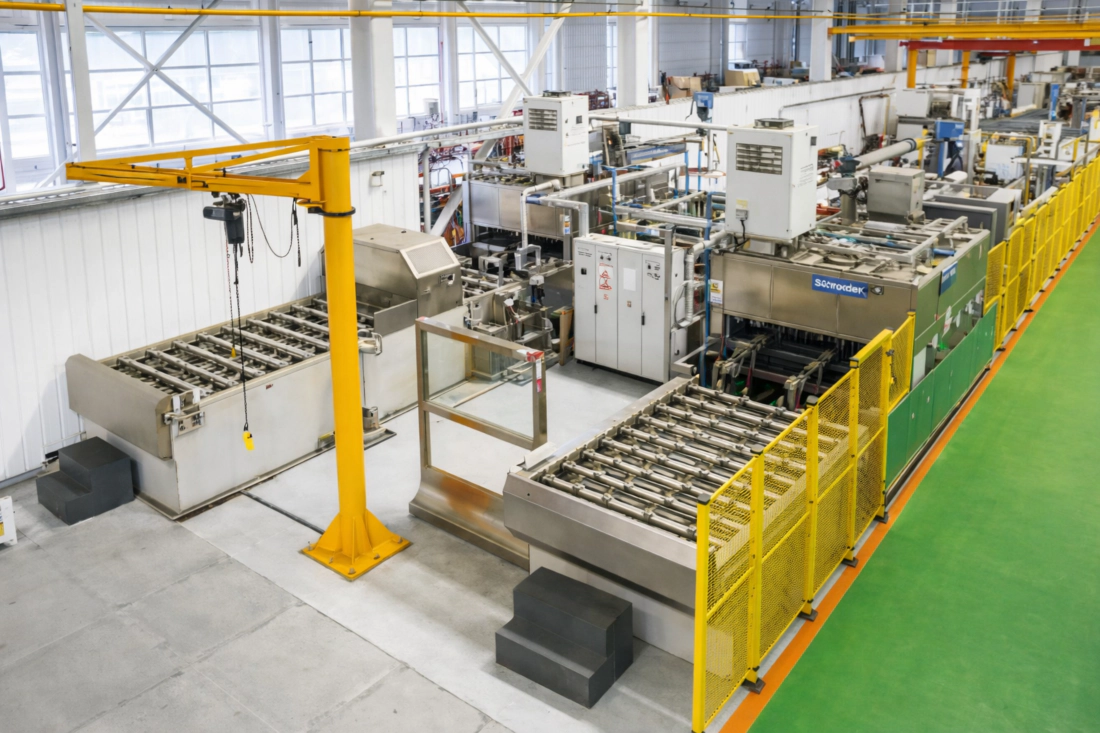
By eliminating paint and utilizing nickel plating, we remove the primary source of particulate contamination from the actuator. Our cylinders are assembled in dedicated clean zones to ensure no foreign debris enters the client’s facility.
Zero-Leak Sealing Matrix
We employ a redundant sealing system featuring low-friction PTFE composite seals backed by aerospace-grade elastomers. This configuration prevents “stick-slip” motion for smooth lifting and guarantees zero external oil leakage, protecting sensitive battery cells.
High-Load Stability
Battery PACKs are dense and heavy. Our Q345D welded structure minimizes deflection under load. Integrated load-holding valve ports allow for the direct mounting of safety valves, ensuring the platform locks instantly in place upon pressure loss.
Parámetros de rendimiento técnico
| Categoría de especificación | Detail / Value |
|---|---|
| Tipo de cilindro | Double-Acting Welded Piston Cylinder |
| Material del cuerpo | Q345D (High Strength Low Alloy Steel) |
| Tratamiento de superficie | Electroless Nickel Plating (Corrosion & Wear Resistance) |
| Sistema de sellado | Low-Friction PTFE + PU (Zero External Leakage) |
| Presión de trabajo | 16 MPa (Rated) / 21 MPa (Peak) |
| Cleanliness Class | Suitable for ISO Class 7 / Class 8 Environments |
| Speed Range | 0.01 m/s – 0.5 m/s (Precision Controlled) |
Escenarios de aplicación críticos
The versatility of our PACK lifting cylinders allows them to be deployed across various stages of the energy storage manufacturing lifecycle. In the Module Stacking Station, these cylinders provide the vertical z-axis movement required to layer prismatic cells with sub-millimeter accuracy. The low stick-slip characteristics ensure that the delicate electrode tabs are not damaged during the compression phase.
Furthermore, in End-of-Line (EOL) Testing Chambers, hydraulic actuation is used to engage high-current connectors automatically. The cylinders must operate reliably in elevated temperatures as the batteries undergo charge/discharge cycling. Our seals are selected to withstand these thermal loads without degrading. Additionally, we supply compact lifting cylinders for Automated Guided Vehicles (AGVs) that transport the heavy finished packs between assembly cells, where weight-to-power ratio is a critical design constraint.
Global Success: Powering the Gigafactories
Project: Tier-1 EV Battery Manufacturer (Central Europe Expansion)
El desafío: A leading EV battery producer faced a critical issue in their new Hungarian plant. The standard painted cylinders used in the module compression station were shedding paint chips due to the clamping friction, contaminating the thermal interface material. Additionally, minor oil weeping was causing rejection of finished modules.
La solución: Ever Power engineered a custom batch of 150 Electroless Nickel Plated cylinders with a proprietary dual-wiper seal configuration. We optimized the rod surface finish to Ra 0.15μm to ensure absolute seal integrity.
“The switch to nickel plating solved our contamination metrics overnight. The cleanliness of the Ever Power cylinders upon arrival was impressive.”
— Thomas Weber, Production Quality Lead
“We needed a supplier who understood ‘Battery Grade’ requirements. Ever Power provided full traceability and cleanroom packaging.”
— Elena Rossi, Supply Chain Director
“The drift test results were excellent. Even with the heavy 300kg packs, the cylinders hold position perfectly during the curing process.”
— Li Wei, Automation Engineer
Excelencia en la fabricación en China

Located in the heart of China’s advanced manufacturing hub, Ever Power leverages a mature industrial supply chain to offer unmatched customization speeds. We understand that every battery pack design has unique geometry. Whether you need a low-profile pancake cylinder for a tight AGV chassis or a long-stroke actuator for a high-bay storage system, our engineering team adapts to your CAD models.
Our facility is equipped with dedicated fluid cleanliness monitoring labs. Every batch of cylinders destined for the energy storage sector undergoes particle count testing on the hydraulic fluid to ensure it meets NAS 1638 Class 7 or better before shipment. This attention to detail allows us to export directly to discerning B2B clients in North America, Europe, and Asia.
Preguntas frecuentes
How do you prevent oil leakage in a cleanroom battery assembly environment?
What is the advantage of nickel plating over painting for these cylinders?
Can you customize the cylinder mounting to fit our automated stacking robots?
What is the typical lead time for a batch of custom energy storage cylinders?
Secure Your Production Line’s Integrity
In the high-stakes world of battery manufacturing, component reliability is non-negotiable. Partner with Ever Power for hydraulic solutions that meet the cleanliness and precision standards of tomorrow’s energy grid.