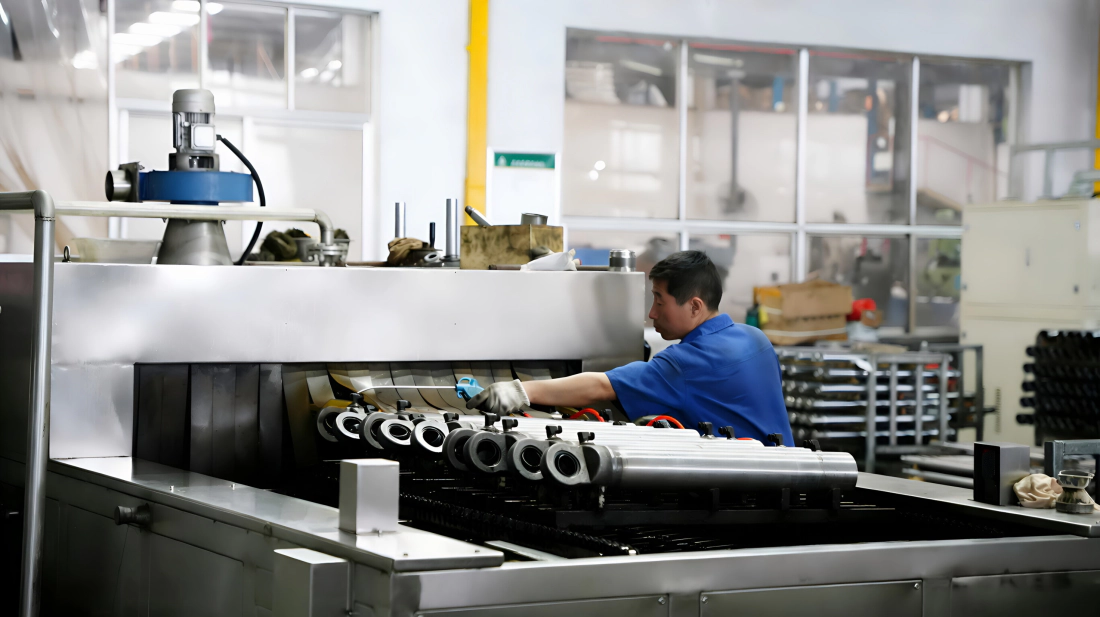
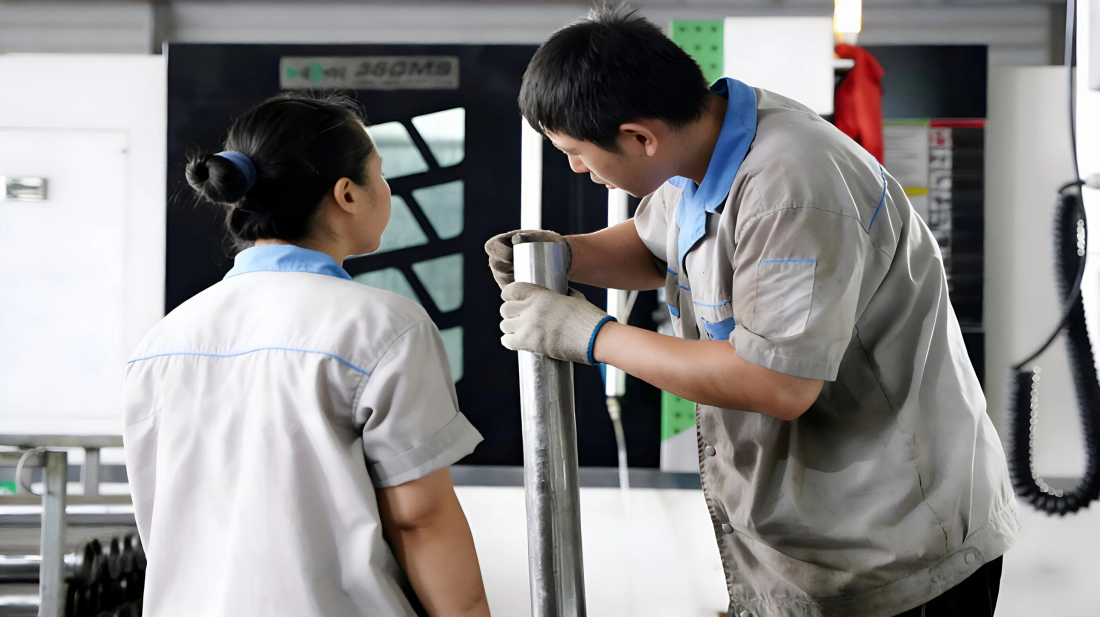
The foundation of modern high-yield agronomy is established entirely within the automated walls of facility agriculture. The rapid, uniform propagation of seedlings dictates the economic trajectory of the entire harvest cycle. At the mechanical epicenter of this process is the seedling substrate filling machine, an industrial apparatus designed to continuously process and dispense massive volumes of organic soil, peat moss, perlite, and heavy compost into thousands of propagation trays daily. Storing and directing this incredibly dense, moisture-laden material requires a massive structural hopper. Elevating and positioning this heavily loaded hopper demands a fluid power actuator capable of generating immense, unwavering kinetic lifting force. Operating continuously in a microclimate heavily saturated with airborne dirt and sticky mud, this lifting actuator faces relentless abrasive threats that rapidly destroy conventional industrial components. Recognizing this profound mechanical vulnerability, our elite fluid power engineering division has developed a highly specialized hydraulic actuator explicitly designed to dominate the brutal realities of automated soil handling. We cordially invite international automation architects, agricultural equipment designers, and procurement directors to explore our advanced manufacturing infrastructure firsthand. Willkommen bei einem Besuch unserer VR-Fabrik hier. to witness the precision automated CNC machining, advanced metallurgical testing, and rigorous clean-room assembly protocols that establish our hydraulic supremacy in the global market.
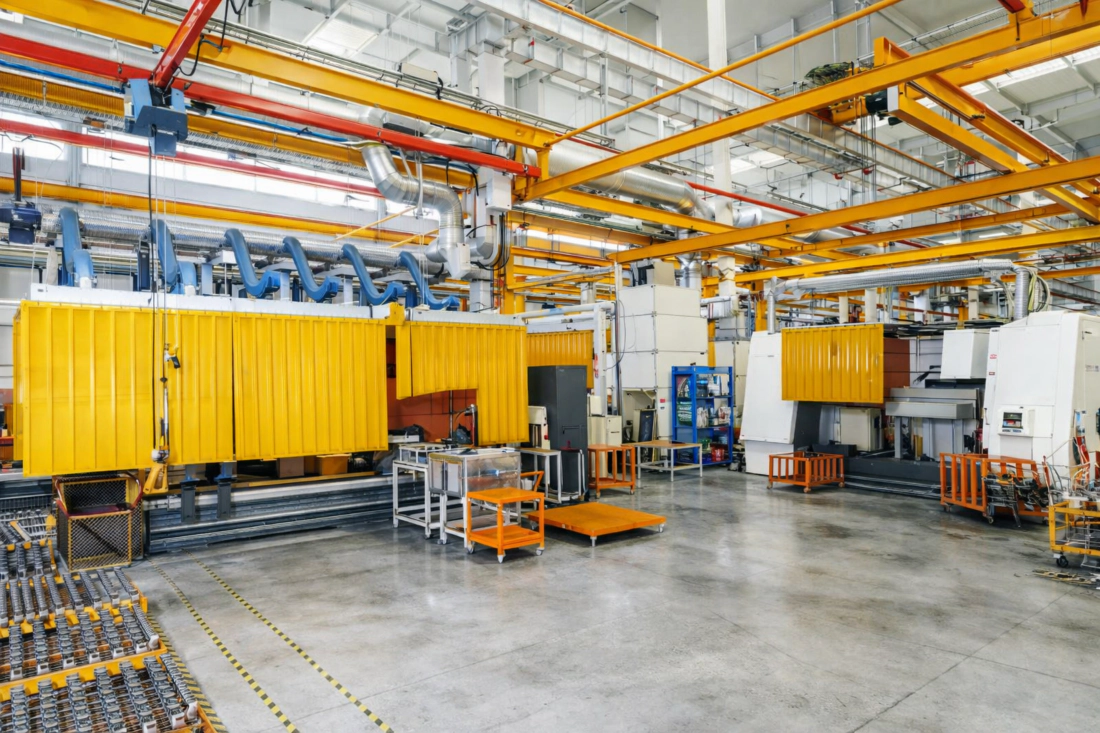
Kinematic Dynamics: Double-Acting Welded Piston Architecture
Executing absolute vertical control over a hopper filled with wet, shifting agricultural substrate requires a mechanical actuation strategy that leaves zero margin for instability or positional lagging. The dynamic load of the substrate is constantly changing as the machine dispenses soil, causing erratic weight distribution. Relying on a single-acting, gravity-return actuator introduces an unacceptable systemic risk; the dense accumulation of mud on the guiding tracks and the unpredictable weight shifts can easily cause the hopper to descend unevenly or jam entirely. Our engineering framework strictly enforces a double-acting fluid power configuration. By intelligently routing highly pressurized hydraulic fluid into both the extension and retraction chambers independently, the central automation computer exerts active, unyielding authority over the hopper’s exact vertical elevation. This active pushing and pulling functionality guarantees that the hopper ascends smoothly under maximum payload and descends with controlled hydraulic braking, preventing violent mechanical crashing that could damage the sensitive internal mixing augers.
Supporting this immense, variable lifting force requires a structural foundation devoid of inherent mechanical weaknesses. Traditional industrial tie-rod cylinders, which rely entirely on tensioned external bolts to secure the head caps, are incredibly susceptible to microscopic stretching and joint fatigue when subjected to the high-frequency vibrations of a functioning soil processing line. We bypass this critical mechanical vulnerability completely by executing a robust welded manufacturing structure. In our advanced facilities, the cylinder base, heavy-duty trunnion mounts, and rod guides are permanently fused to the main barrel using automated, deep-penetration tungsten inert gas (TIG) welding techniques. This creates a monolithic, hyper-rigid actuator body capable of absorbing severe lateral shifts and heavy lifting strains without deviating from its precise geometric alignment. This structural continuity ensures the internal piston geometry remains flawless, protecting the high-pressure seals from uneven wear during thousands of continuous lifting cycles.
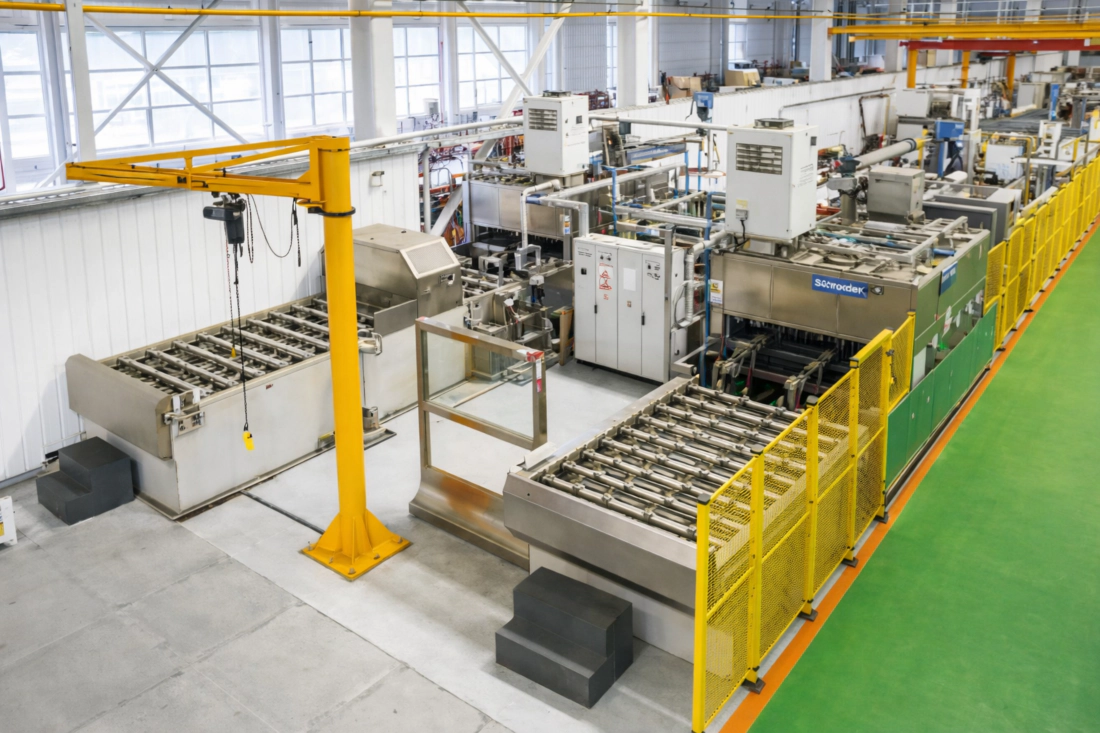
Metallurgical Superiority: High-Yield 27SiMn Alloy Steel
The fundamental lifting capacity of a hydraulic cylinder is intrinsically tied to the metallurgical integrity of its structural barrel. When lifting a fully loaded substrate hopper, the internal hydraulic pressure spikes dramatically to overcome the resting inertia of the wet soil mass. Standard 45# carbon steel lacks the necessary elastic limit and yield strength required to survive these continuous high-pressure spikes without experiencing microscopic radial expansion, commonly known as ballooning. Over time, this ballooning compromises the tight tolerances required by the piston seals, leading to sluggish lifting performance and fluid bypass. We eradicate this structural limitation by forging the core barrel entirely from premium 27SiMn (Silicon Manganese) alloy steel.
The 27SiMn metallurgical matrix provides exceptional tensile strength and vastly superior impact toughness. The specific addition of silicon and manganese enhances the steel’s hardenability and resistance to fatigue. This advanced alloy composition ensures that the internal cylinder bore remains perfectly cylindrical, refusing to deform even under peak dynamic lifting loads. By maintaining absolute geometric stability, the 27SiMn steel ensures optimal fluid dynamics, allowing the double-acting piston to convert hydraulic pressure into pure mechanical lifting thrust with maximum volumetric efficiency. This translates directly to smoother hopper elevation, reduced energy consumption from the hydraulic power unit, and an exponentially longer operational lifespan for the entire lifting assembly.
Targeted Failure Resolution: Defeating Rod Pitting in Mud and Dust
Analyzing extensive forensic maintenance data from expansive commercial nurseries exposes a highly specific, pervasive, and highly destructive typical failure mode affecting fluid power systems handling agricultural substrates: severe rod pitting and subsequent seal shredding. The operational environment surrounding a substrate filling machine is characterized by an intense mud + dust atmosphere. The continuous mixing and dropping of moistened peat, vermiculite, and fertilizer generate a heavy, abrasive airborne slurry. As the cylinder rod extends to lift the hopper, this sticky, abrasive mud adheres thickly to the exposed steel surface. When the rod retracts, conventional wiper seals are easily overwhelmed. The abrasive paste is dragged directly into the sealing gland, embedding silica particles into the primary hydraulic seals and grinding against the chrome plating.
This relentless grinding action creates micro-fractures in standard chrome plating, allowing acidic moisture from the soil to penetrate to the underlying steel. This initiates rapid galvanic oxidation, resulting in deep, jagged rust craters known as rod pitting. These sharp craters act like a rotary file, violently shredding the internal pressure seals during every actuation cycle. The resulting catastrophic internal leakage paralyzes the actuator, causing the heavy hopper to drop uncontrollably. Our fluid power engineering protocol implements a definitive, two-tiered mechanical solution to conquer this exact failure trajectory. Our recommended configuration mandates the application of a highly fortified, extra-thick hard chrome plating surface treatment to provide an ultra-hard, micro-smooth metallic shield. Crucially, this is paired with the integration of an aggressive, heavy-duty mud scraper ring. Positioned at the very exterior of the gland, this specialized scraper acts as a physical bulldozer. It is engineered from highly durable polyurethane with a uniquely aggressive lip geometry designed to shear away caked mud, dried clay, and abrasive dust completely before it can ever breach the internal sealing architecture. This impenetrable defense system guarantees the dynamic rod remains flawlessly sleek, entirely eradicating rod pitting and securing a lifetime of leak-free performance.
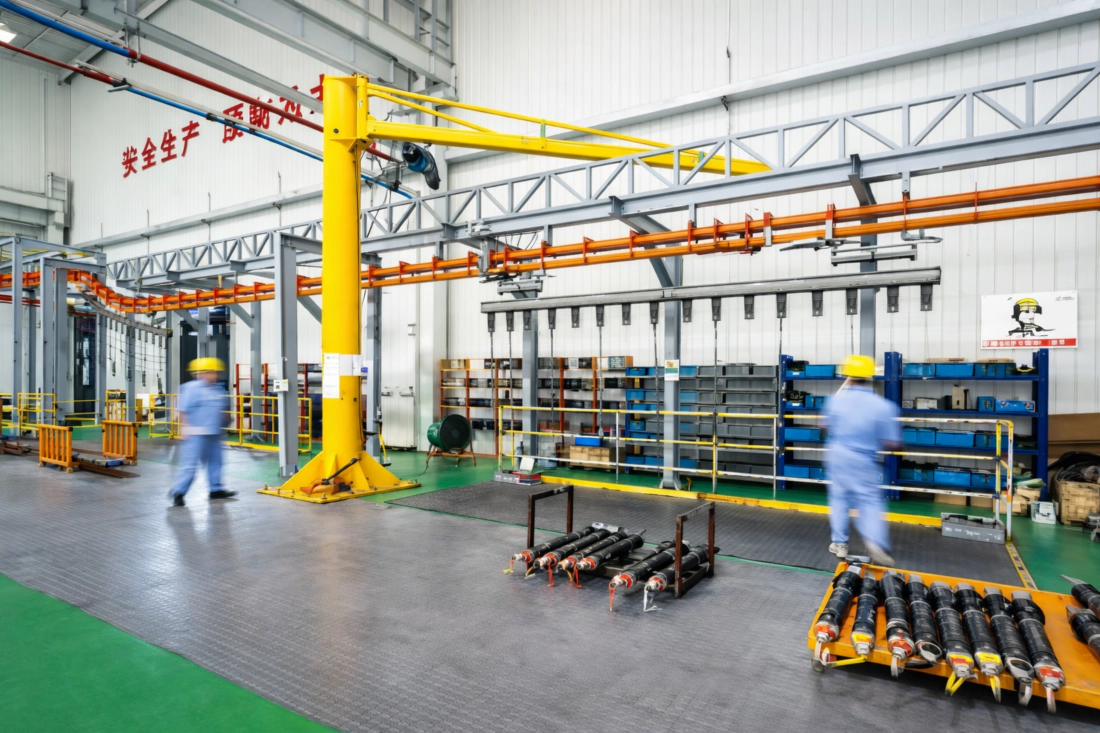
Technische Kernparameter und Spezifikationen
| Technischer Parameter | Systemspezifikation |
|---|---|
| Zielbranche | Landwirtschaft | Landmaschinen für Anlagen |
| Primäre kinematische Funktion | Seedling Substrate Filling Machine Actuation |
| Spezifische Arbeitsbedingungen | Lifting Substrate Storage Hopper |
| Kinematischer Aktionsmodus | Doppelt wirkend (motorisierter Aus- und Einfahrmechanismus) |
| Strukturelle Klassifizierung | Piston Cylinder (High Force Architecture) |
| Fertigungsstruktur | Robuste Schweißkonstruktion |
| Kernmaterialmatrix | High-Yield 27SiMn Alloy Steel |
| Oberflächenbehandlung im Außenbereich | Fortified Hard Chrome Plating |
| Umweltverträglichkeit | Heavy Abrasive Mud + Dense Airborne Dust |
| Typischer Fehlermodus, der behandelt wird | Eradication of Rod Pitting & Subsequent Seal Shredding |
| Empfohlene Konfiguration | Chrome Plating + Heavy-Duty Mud Scraper Ring |
Strategische operative Vorteile für die Agronomie-Führung
Deploying our highly specialized fluid power components into your automated agricultural infrastructure yields immediate, quantifiably significant improvements in production throughput and facility profitability. The premier operational advantage resides in the absolute stabilization of internal material handling parameters. Because the double-acting welded cylinder definitively eliminates external corrosive wear and mechanical binding, the automated lifting mechanism executes complex elevation changes with zero volumetric deviation. When the optical sensors mandate a rapid lifting sequence to accommodate varying sizes of propagation trays or to clear a jammed conveyor, our actuator manipulates the massive, mud-filled hopper instantly, slicing through compacted dirt on the guide rails and locking firmly against immense gravitational pull. This unyielding mechanical precision prevents the dangerous dropping of heavy hoppers, completely eradicating ruined machinery and costly automated line jams.
Beyond exact kinematic targeting, our engineering paradigm drastically truncates the total lifecycle cost of the facility’s mechanical equipment. Agronomy maintenance teams are permanently emancipated from the hazardous, labor-intensive task of replacing degraded, leaking actuators that have succumbed to the wet, muddy production line environment. The integration of 27SiMn steel and aggressive mud scraper rings completely ignores the degrading effects of abrasive airborne soil particulates, delivering an uninterrupted operational lifespan spanning multiple intensive cultivation seasons without intervention. Entdecken Sie hier unseren kompletten Katalog an Innovationen im Bereich der landwirtschaftlichen Fluidtechnik. Wir befähigen Entwickler moderner Agrartechnologien, Automatisierungsnetzwerke zu konstruieren, die den harten Realitäten der großflächigen, kontrollierten Landwirtschaft strukturell überlegen sind.
Anwendungsszenarien in der globalen Sämlingsvermehrung
The extreme environmental resilience and immense mechanical thrust of this actuator establish it as the definitive choice across a vast array of high-capacity agricultural automation installations. Within sprawling indoor vertical farming nurseries utilizing continuous potting lines, the precise elevation of heavy, saturated potting mix is critical. The combination of wet peat moss, perlite, and continuous splashing creates an exceptionally aggressive external environment. Our double-acting welded 27SiMn cylinders mount seamlessly onto the heavy lifting gantries, rapidly articulating the massive hoppers to dispense the soil perfectly, protecting the delicate internal mixing augers from binding while maintaining optimal filling timing across dozens of independent transit zones.
In heavy-duty centralized propagation rooms feeding multi-hectare glass greenhouses, the automated mixing arrays are frequently subjected to aggressive overhead misting, high-concentration fertilizer drenches, and massive clouds of dry substrate dust during the refilling process. This creates an incredibly dirty, highly abrasive microclimate that rapidly degrades conventional pneumatic or light-duty hydraulic machinery. The chrome-plated, scraper-equipped construction operates flawlessly amidst this continuous barrage of agricultural grit. By remaining entirely impervious to the abrasive dust and utilizing high-precision mud scrapers to reject particulate ingress, our cylinders ensure the hopper lifting mechanisms respond with immediate, unwavering force to automated optical sensor inputs, safeguarding the high-speed transit lines from crippling mechanical drops.
Exzellente kundenspezifische Hydraulikfertigung in China
Operating as a distinguished fluid power engineering and manufacturing hub headquartered in China, our massive industrial facility represents the global vanguard for specialized agricultural hydraulics. We fundamentally understand that standard, off-the-shelf industrial catalog components are invariably inadequate for the complex spatial constraints and unique kinematic demands of proprietary seedling substrate filling machines. Our paramount engineering competency is delivering deeply customized product solutions tailored specifically to your exact architectural blueprints. Whether your automated hopper lifting gantry requires bespoke trunnion mounting dimensions, highly specific stroke lengths for varied lifting elevations, or specialized heavy-duty mud scraper materials integrated directly into the cylinder glands, our technical R&D team in China will collaborate directly with your engineers to co-develop the exact actuator your project dictates. By leveraging vast automated CNC machining capabilities, we process premium 27SiMn steel with microscopic precision, guaranteeing rapid prototyping and highly scalable production runs. Partnering with our Chinese manufacturing hub provides your global enterprise with unparalleled access to elite manufacturing quality, ensuring your facility agriculture machinery remains fiercely competitive in the rapidly expanding international agronomy technology market.
Customer Success Story: Eradicating Hopper Jams in Spanish Mega-Nurseries
A highly respected commercial agronomy conglomerate managing expansive, high-tech seedling nurseries in the agricultural heartland of Almería, Spain, faced a critical mechanical crisis during their peak spring propagation season. The massive automated substrate filling machines were experiencing a dangerously high failure rate in the hopper lifting mechanisms. Forensic engineering evaluations revealed that the original light-duty tie-rod hydraulic actuators were succumbing rapidly to the incredibly dusty, muddy internal environment. The pervasive airborne soil particulates, fine perlite, and sticky wet compost settled heavily on the cylinder rods. Without adequate scraping protection, this abrasive paste was dragged directly into the sealing glands, severely scoring the standard chrome rods. This rod pitting rapidly shredded the standard seals, leading to massive internal fluid leakage. The paralyzed actuators could no longer maintain the precise hydraulic pressure required to lift the heavy, wet soil; consequently, massive hoppers frequently crashed down onto their resting plates, causing severe structural damage to the filling machines and costing the conglomerate thousands of euros in ruined mechanical linkages and production downtime.
The conglomerate’s automation architects collaborated immediately with our custom hydraulic division to deploy a permanent structural remedy. We rapidly engineered a highly specific batch of double-acting, welded 27SiMn piston cylinders to completely reject the dusty atmosphere and eliminate structural tie-rod stretching under the heavy lifting loads. The rods were fortified with a dense layer of hard chrome plating and crucially equipped with our specialized heavy-duty mud scraper rings to definitively block abrasive ingress and completely eliminate rod pitting. Upon retrofitting their entire facility, the operational transformation was absolute. The double-acting force lifted the heavy hoppers flawlessly, locking them securely at the required elevations. Over the subsequent three years of continuous operation, the conglomerate reported zero instances of dropped payloads, internal leakage, or external rod wear. The chrome-plated rods remained flawlessly smooth, completely restoring the automation protocols and immense profitability of the Spanish nursery operation. Lesen Sie hier mehr über unsere globale Ingenieurstradition.
Feedback zur globalen Agrartechnik
“The severe mud and dust environment inside our automated potting facilities destroys standard actuators rapidly. Moving to these welded 27SiMn hydraulic units with mud scrapers from their China factory completely solved our rod pitting issues. The hopper lifting actuation is now flawlessly reliable.”
— Maarten V., Betriebsleiter Gewächshaus, Niederlande
“Lifting heavy, wet substrate hoppers accurately requires immense pushing power and structural rigidity. The double-acting welded piston cylinder design they customized for our production lines eliminates the stretching we saw with tie-rods and delivers incredible, reliable precision.”
— Alejandro C., OEM-Leiter für Agrarautomatisierung, Mexiko
“Internal leakage from shredded seals was causing our hoppers to drop abruptly, destroying the conveyor tracks. Since installing these custom units with heavy-duty mud scrapers, we haven’t experienced a single mechanical failure. The manufacturing precision is absolutely top-tier.”
— Kenji T., Automatisierungssystemingenieur, Japan