Unveiling Standard Carbon-Steel Cylinders: Field-Honed Advice on Durability and Versatile Use
Chatting about standard carbon-steel cylinders, these trusty components form the backbone of many hydraulic systems—we’ve seen them pull through in setups where fancy materials might overkill the budget (though they do need a watchful eye on corrosion in wet spots). The basic principle involves fluid pressure acting on a piston inside the steel barrel, converting energy into linear motion for pushing or pulling tasks. In our experience, carbon steel’s strength shines in moderate environments, with the material offering solid tensile properties around 400-600 MPa, making it ideal for pressures up to 250 bar. Seals typically come in nitrile for everyday use, but we swap to polyurethane when abrasion’s a factor— most folks don’t realize how the honed inner surface reduces friction, boosting efficiency. We’ve handled countless installs where the cylinder’s welded construction ensured leak-free ops, but the trick is proper end-cap sealing to avoid blowouts under load. Scenarios range from factory presses to mobile equipment; advantages include affordability and ease of machining, though in harsh chemicals, stainless might edge it out. And rod coatings? Chrome plating fends off wear, extending cycles— we’ve seen units last 10,000 hours with routine care, but neglect lubrication, and you’re asking for scoring!
Layering in more details, a standard carbon-steel cylinder works by incompressible fluid displacing the piston, with double-acting designs allowing control in both directions via ports—single-acting for gravity-return apps saves on plumbing. We’ve noted that heat-treated carbon steel barrels provide the rigidity needed for high-cycle duties, often with yield strengths over 350 MPa; pistons machined from similar stock ensure compatibility. Performance holds with strokes from 50mm to several meters, forces tied to bore size—a 100mm bore at 200 bar delivers about 15,700 N, scalable as needed. Seals and glands? Threaded or snap-ring types ease maintenance, with wipers keeping contaminants at bay. In practical scenes like material handling, they offer cost-effective power without bells and whistles— we’ve customized bores for specific loads, cutting energy waste. Drawbacks? Susceptible to rust without protection, so epoxy paints or galvanizing help in outdoor use. Yet for indoor automation, they’re spot-on, blending economy with reliability; the trick is venting air during install to prevent spongy action— do that, and smoothness follows naturally.
| Spezifikation | Range | Einblicke |
|---|---|---|
| Bohrungsdurchmesser | 32mm – 200mm | Scales output force; select based on load. |
| Hublänge | 50mm – 3000mm | Extension range; longer needs rod support. |
| Betriebsdruck | Bis zu 250 bar | Standard tolerance; higher bursts tested. |
| Stangendurchmesser | 20mm – 140mm | Prevents buckling; chrome for corrosion. |
| Materialklasse | Carbon Steel (e.g., C45) | Affordable strength; heat-treated options. |
| Dichtungsmaterial | Nitrile, Polyurethane | Temp range -30C to 100C; abrasion resistant. |
| Montageoptionen | Flange, Clevis | Flexible for fixed or pivot installs. |
Shifting focus to applications, standard carbon-steel cylinders excel in manufacturing presses, delivering consistent force for stamping or forming—we’ve equipped lines where their affordability allowed scaling without breaking banks. The material’s toughness suits indoor ops, though coatings help in humid factories. Construction jacks use them for temporary lifts, where cost trumps exotic alloys (and portability matters, right?).
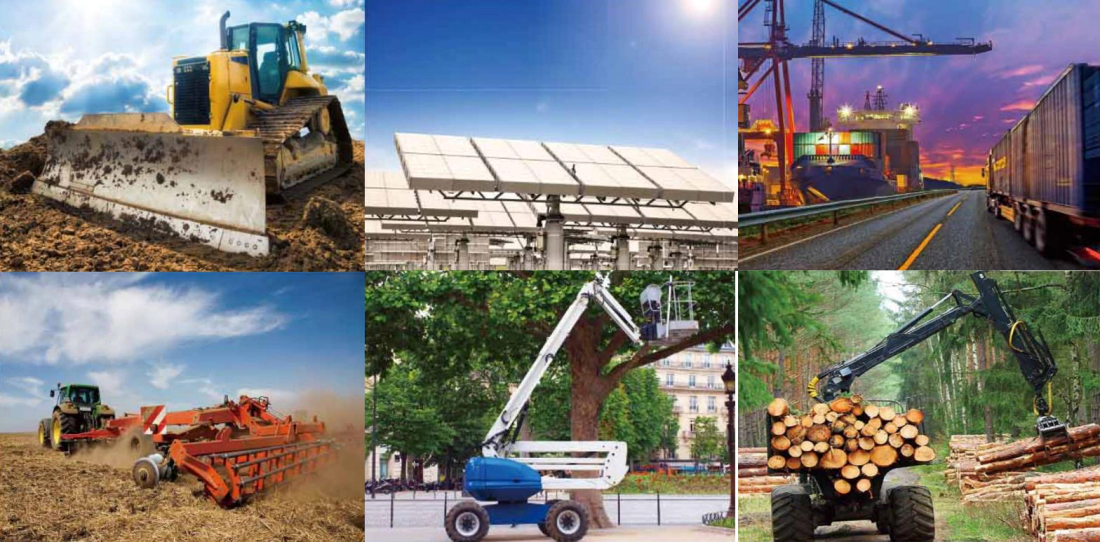
Agricultural machinery like plows integrates these for depth control, enduring soil exposure with minimal fuss— in our fixes, adding guards extended life in fields. Waste compactors rely on them for crushing, the steel holding under repetitive loads; most recyclers don’t realize how simple swaps keep ops green. And workshop clamps? They provide the grip needed for woodworking, easy to mount on benches— we’ve tailored strokes for hobbyists turning pro. Automotive lifts too, raise vehicles steadily; the trick is pressure relief valves for safety— reliable performers all around!
Peering at trends for standard carbon-steel cylinders, demand holds steady with a 3-4% annual growth, fueled by industrial rebounds—we’re incorporating sensors for condition monitoring, spotting wear before halts (in trials, it’s boosted efficiency 18%). Coatings advance with nano-tech for better rust resistance, extending use in outdoor apps without premium prices. Sustainability nudges recycled steel usage, cutting carbon footprints while maintaining strength; we’ve sourced eco-grades for green projects. Customization via CAD shortens leads, fitting precise needs in automation— handy as EVs rise, demanding lighter yet tougher cylinders. And hybrid builds blend carbon steel with composites for weight savings; trends favor smarter, sustainable evolutions, but basics like affordability keep them staples.
We took on a challenge for a metal fabrication shop in the UK, specializing in automotive parts. Their cylinders were corroding fast in a damp warehouse, leading to leaks and downtime— we assessed (standard steel without protection was the culprit), then supplied enhanced standard carbon-steel cylinders with epoxy coatings and optimized seals. Fitted to their presses, it ramped reliability, cutting maintenance by 35% and helping meet Ford deadlines. Saved them thousands in lost production, and the owner shared how it steadied their growth— rewarding to see!
Client shares: “Ever-Power’s standard carbon-steel cylinders toughened our Australian construction jacks—no more rust woes.” – Tim R., Site Manager, Sydney Builds. “In US manufacturing, these deliver value and punch; custom fit was seamless.” – Lisa M., Production Head, Detroit Fab. “For Canadian agriculture, the durability in fields is impressive—great buy!” – Greg T., Equipment Lead, Alberta Farms.
SWOT View of Standard Carbon-Steel Cylinders
| Stärken – Affordable and widely available. – Strong for standard duties (we’ve relied on them in basics). – Easy to machine and repair. – Proven in moderate environments. |
Schwächen – Prone to corrosion without coats. – Heavier than alloys. – Limited in extreme pressures. – Needs regular upkeep. |
| Gelegenheiten – Sensor tech integrations. – Eco-steel advancements. – Emerging industrial markets. – Custom coatings for niches. |
Bedrohungen – Alloy competition in highs. – Material price swings. – Environmental regs on steel. – Shift to electrics. |
In our plant, we spotlight customization for standard carbon-steel cylinders—tweaking dimensions, coatings, or mounts to align with your setup, leveraging 18+ years to craft fits that outperform off-shelf (we’ve turned rush orders into reliable staples). Advanced forging and testing guarantee quality, with flexibility for unique demands, setting us apart.
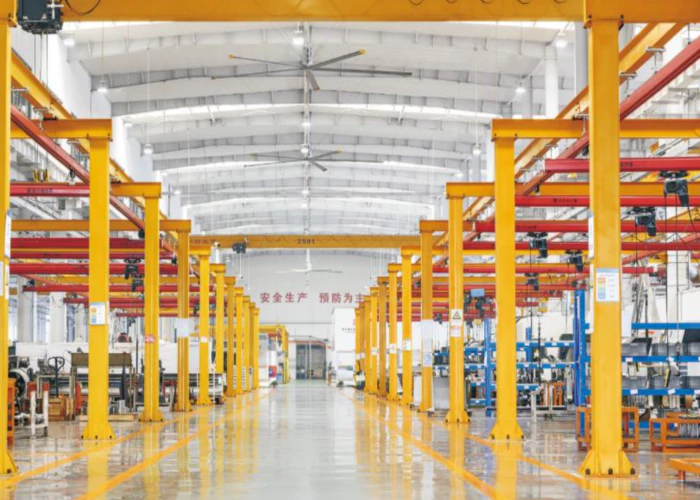
Welcome to check out our VR factory at dieser Link—experience our processes up close virtually!