Let’s be honest: coal dust is the silent killer of heavy equipment. If you’ve managed a coal terminal or a power plant feed yard for more than a winter, you’ve seen it happen. You buy a brand-new wheel loader, it looks beautiful, and six months later, the bucket cylinder rods look like they’ve been shot with a shotgun. Pitting, scoring, and the inevitable “weeping” of oil that turns into a gushing leak right when a ship needs loading. In my 18 years of engineering hydraulic solutions, I’ve seen more standard carbon steel cylinders turned into expensive paperweights by coal acidity than I care to count.
Most printers (procurement managers) and even some OEM engineers don’t realize that coal dust isn’t just abrasive dirt; it is chemically active. When coal dust mixes with atmospheric moisture or rain, the sulfur content creates a weak sulfuric acid. Standard chrome plating on carbon steel rods is micro-porous. That acid seeps right through, eats the steel underneath, and pops the chrome off in flakes. The trick isn’t just “harder” chrome; it’s changing the substrate entirely. We’ve found that moving to a Full 316L Stainless Steel Construction is the only permanent fix for these highly corrosive environments. It’s expensive upfront, sure, but it stops the replacement cycle dead in its tracks.
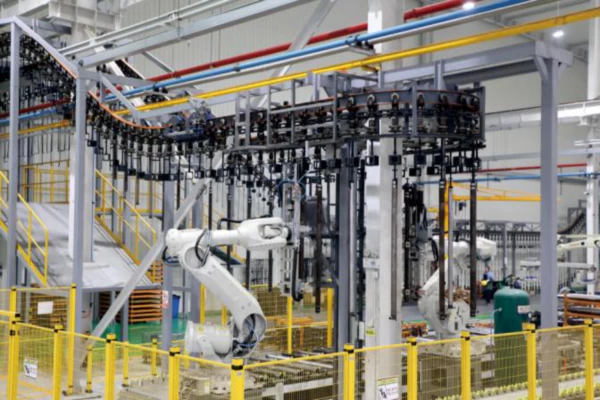
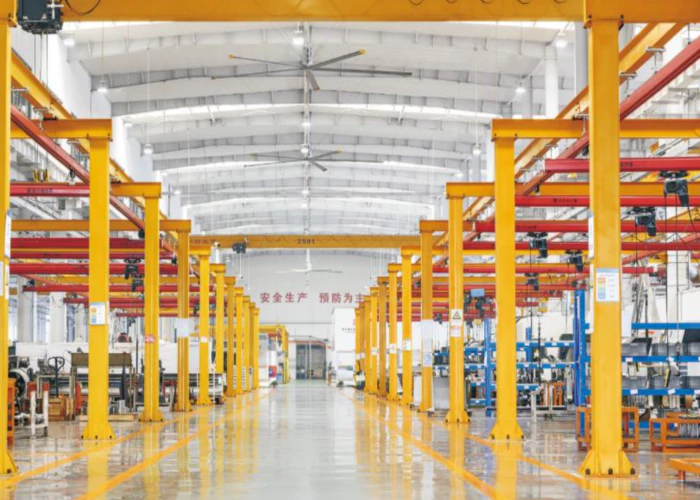
👀 Step Inside Our Precision Stainless Workshop
Don’t just take my word for it. We’ve digitized our entire production floor so you can see how we weld and polish these stainless beasts. Check out our CNC centers and testing rigs right from your phone.
The Science of Survival: 316L vs. The Elements
When we design a Corrosion-Resistant Hydraulic Cylinder for a coal loader, we aren’t just building a pusher; we are building a chemical vessel. The product we are releasing here features a Doppeltwirkender Kolben design, but the magic is in the metallurgy. We utilize Edelstahl 316L for both the barrel and the rod. Why 316L and not 304? Molybdenum. The addition of molybdenum in 316L gives it vastly superior resistance to chlorides and acids—exactly what you find in coastal coal terminals or salted winter stockpiles.
The manufacturing process is tricky. Stainless steel warps if you look at it wrong during welding. We use a specialized low-heat input welding technique to attach the ports and trunnions without distorting the barrel. The rod isn’t just ground; it’s polished to a mirror finish (Ra < 0.2) to ensure the seals glide over it, even when covered in coal grime. We’ve also seen that standard wiper seals fail quickly here. The coal dust packs in behind the lip. So, we upgrade the sealing package to include a heavy-duty metallic scraper or a filled-PTFE wiper that physically shaves the debris off the rod before it can enter the system.
Here is a breakdown of how our coal-spec cylinder compares to the standard unit you get from the dealer:
| Technische Merkmale | Standard Loader Cylinder | Our 316L Coil-Spec Cylinder |
|---|---|---|
| Laufmaterial | ST52 / 1020 Carbon Steel | 316L Stainless Steel (Seamless) |
| Kolbenstange | 45# Steel + 20μm Chrome | 316L Solid Bar + Polished |
| Korrosionsbeständigkeit | Low (Rusts in Acid/Salt) | Extreme (Acid/Salt Proof) |
| Abstreiferdichtung | Standard PU Snap-in | Bronze-Filled PTFE / Metal Scraper |
| Oberflächenbeschaffenheit | Painted Body | Passivated & Bead Blasted Stainless |
More Than Just Coal: Where Else Does It Fit?
While we engineered this specifically for the Coal Yard Loader application, the problem of “abrasive corrosion” isn’t unique to energy production. We’ve successfully deployed this exact design in fertilizer plants (potash is incredibly corrosive), salt mines, and chemical processing facilities. Any environment where you have a “grinding paste” made of acidic dust and water is a candidate for this upgrade.
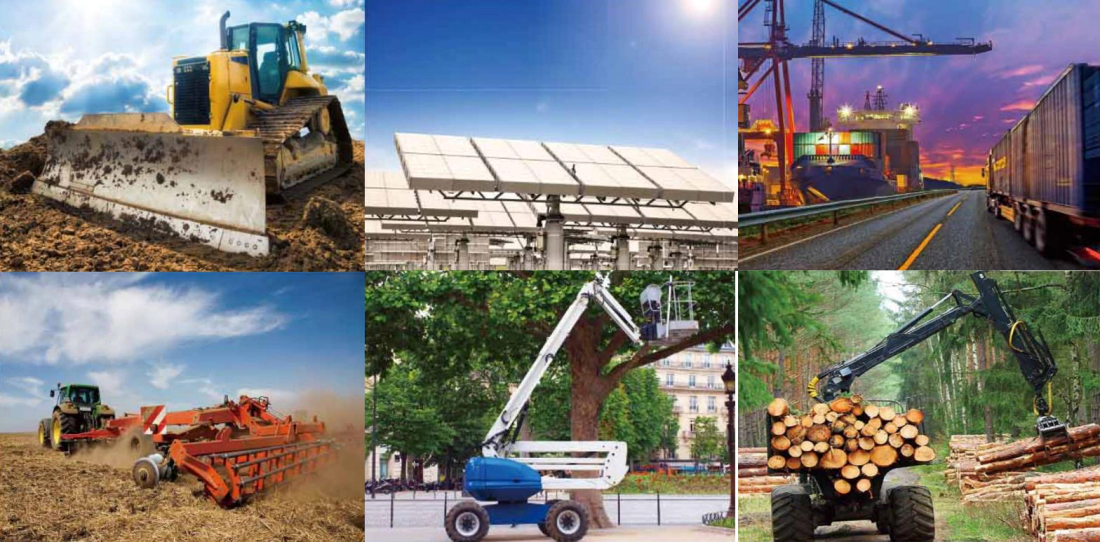
Another trend we are seeing is in the biomass sector. Handling wood pellets or waste-to-energy material creates a leachate that attacks carbon steel similar to coal. By swapping the standard tilt and lift cylinders for our 316L variants, maintenance managers are seeing their cylinder lifespan go from 8 months to 5+ years. It’s about stopping the point-pitting before it starts.
Case Study: The Kalimantan Coal Terminal Turnaround
Die Herausforderung: A major transshipment terminal in Indonesia was running a fleet of WA600 loaders. Due to the tropical humidity combined with high-sulfur coal dust, they were experiencing rod pitting on their bucket cylinders every 3-4 months. The chrome would bubble, the seals would tear, and oil would contaminate the coal—a major quality control issue for their buyers.
Die Lösung: We engineered a custom set of 316L Stainless Steel Lift and Tilt Cylinders. Because stainless steel is slightly softer than the original induction-hardened carbon steel, we upsized the rod diameter by 5mm to ensure buckling resistance remained high. We utilized a Parker chemical-resistant seal kit compatible with the local fire-resistant hydraulic fluid.
Das Ergebnis: The pilot loader has been running for 26 months without a single cylinder change-out. The maintenance manager reported a 100% reduction in hydraulic fluid top-up costs for that machine. They have since retrofitted the entire dockside fleet.
🗣️ What Our Clients Say
“We tried double-chrome, we tried ceramic coating. Nothing lasted in our salt shed more than a season. The solid stainless cylinders from Ever Power are in year 3 and look brand new.”
– Mike R., Municipal Operations, Canada
“Lead time was the worry for us with custom parts. They delivered the welded stainless boom cylinders in 25 days. Fitment was perfect.”
– Ahmed K., Procurement, Dubai Port Authority
“Expensive? Yes. Worth it? Absolutely. We stopped changing seals every time it rains. The ROI was less than 8 months.”
– Zhang L., Coal Logistics, China
Strategische Analyse (SWOT)
Stärken (intern)
- Total immunity to rust and acid pitting.
- No plating to flake off (solid material).
- Long-term durability reduces downtime.
- Custom-welded design for robust mounting.
Schwächen (intern)
- Higher raw material cost (Nickel/Moly).
- Lower yield strength requires thicker walls/rods.
- The welding process is slower and more technical.
Möglichkeiten (extern)
- Growth in Green Energy (Biomass/Waste handling).
- Stricter environmental rules on oil leaks.
- Retrofitting aging port equipment.
Bedrohungen (extern)
- Fluctuating Nickel prices are affecting the cost.
- Cheap “stainless spray” coatings are confusing buyers.
- Electric actuators in lighter applications.
Future Trends: The Clean Cylinder
The industry is moving toward “Zero Leak” mandates, especially near waterways where coal barges are loaded. We are seeing a push for Smart Cylinders in these applications—embedding linear position sensors inside the stainless rod to give real-time feedback on bucket position without external sensors that would rot away. We are also testing new surface hardening treatments for 316L (like Kolsterising) that increase the surface hardness without compromising corrosion resistance, potentially allowing us to reduce the rod diameter back to OEM specs.
Nach Ihren Vorgaben (oder Ihren Resten) gefertigt
Here is the reality: most OEM cylinders aren’t built for *your* specific nightmare environment. We build to order. Whether you have the drawings or just a rusty cylinder you need us to reverse engineer, we can handle it. We control the welding, the machining, and the testing in-house.
Häufig gestellte Fragen (FAQ)
Why do standard chrome-plated cylinders pit so fast in wet coal storage yards?
It comes down to chemistry. Coal dust contains sulfur. When that dust mixes with rain or humidity, it creates a mild sulfuric acid paste that sticks to the rod. Standard chrome plating is micro-porous; the acid seeps through, rusting the steel underneath, and causes the chrome to flake off. Our 316L solid stainless rods eliminate this base-metal corrosion.
Is a full 316L stainless steel cylinder strong enough for a heavy wheel loader boom application?
That is the most common question we get. While 316L has a lower yield strength than 42CrMo, we engineer around it. We increase the rod diameter and barrel wall thickness to compensate, giving you the mechanical strength of a standard cylinder but with the chemical invincibility of stainless. It’s a trade-off that pays for itself in longevity.
How much more does a custom stainless steel cylinder cost compared to a standard carbon steel unit?
Honestly, you are looking at 2.5 to 3 times the initial cost due to the raw material price of nickel and molybdenum. However, if you are replacing standard cylinders every 6 months due to pitting and leaks, the Total Cost of Ownership (TCO) of a stainless unit that lasts 5 years is actually much lower.
Can you manufacture a replacement stainless cylinder for a Komatsu or Caterpillar loader without drawings?
Yes, we do this daily. If the ID plate is gone, we just need the physical dimensions: Pin Diameter, Closed Center-to-Center length, Stroke, and Port type. We can reverse engineer it and upgrade it to our corrosive-environment spec.
What is the lead time for a custom 316L welded hydraulic cylinder?
Because we stock raw 316L bar and tube specifically for these applications, we can typically turn around a custom-welded stainless cylinder in 3 to 4 weeks. For emergency breakdowns, we can sometimes push that faster, but proper welding and polishing of stainless takes time to get right.
Ready to Stop the Acid Leaks?
Let’s spec out a cylinder that will outlast your loader. Send us your requirements.