Double-Acting 316L Stainless Steel Hydraulic Cylinders for Submarine Ballast Valve Control
Engineering absolute buoyancy control. A technical analysis of electropolished stainless steel actuators designed for saltwater immersion and high-pressure ballast management.
Subsea Sealing Logic
اللحام الخالي من التسرب
Surviving the Hydrostatic Crush
In the specialized domain of underwater engineering, the ballast system is the lungs of a submersible vehicle. Whether for a manned research submarine or an autonomous underwater vehicle (AUV), the hydraulic cylinders responsible for actuating the ballast valves operate in an unforgiving environment. Over my eighteen years of forensic analysis on marine hydraulic failures, I have seen that standard industrial cylinders are simply incompatible with continuous seawater immersion. The combination of high external hydrostatic pressure, galvanic corrosion potential, and marine biofouling creates a trifecta of failure modes that can compromise mission safety.
To guarantee reliable buoyancy adjustment, we must move beyond coated carbon steels. The solution lies in a holistic approach using الفولاذ المقاوم للصدأ 316L, not just as a material choice, but as part of a rigorous manufacturing protocol. We employ specific electropolishing techniques to smooth the surface topology to Ra < 0.2µm, eliminating the microscopic crevices where crevice corrosion initiates. This ensures that the double-acting piston cylinder can modulate the ballast intake and exhaust valves with absolute precision, even after months of dormancy in a saltwater environment.
At Ever Power, we have translated these stringent marine requirements into a digitized manufacturing process. I invite you to virtually verify our precision machining and clean-room assembly capabilities.
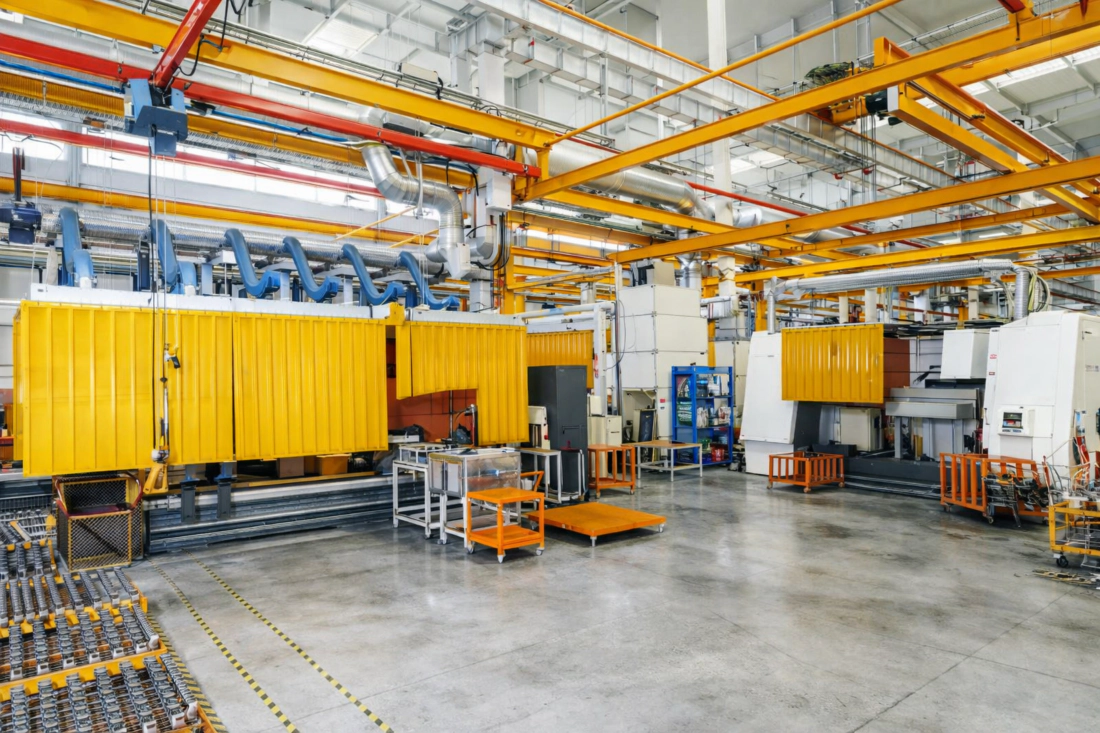
Engineering the Subsea Barrier
Why 316L and Specialized Sealing are non-negotiable for depth ratings.
Material Science: 316L
For ballast systems, we utilize AISI 316L (Low Carbon) stainless steel. The addition of molybdenum significantly increases resistance to chloride pitting compared to standard 304. The low carbon content is crucial during the welding process, preventing carbide precipitation at the grain boundaries (sensitization), which is the primary cause of intergranular corrosion in welded marine components.
Electrolytic Polishing
In seawater, surface roughness is a liability. Mechanical polishing leaves microscopic folds that trap salt. We employ an electrochemical process that removes surface iron and enhances the chromium oxide passive layer. This results in a mirror-like finish that resists the adhesion of barnacles and biofilm, reducing friction on the rod seal and extending maintenance intervals.
Depth-Compensated Sealing
Standard seals fail when external pressure exceeds internal pressure. Our designs feature a redundant sealing architecture using Parker or Merkel marine-grade profiles. This includes a primary PTFE slide ring for low friction and a secondary buffer seal designed to withstand back-pressure from the ocean depth, preventing seawater ingress into the hydraulic circuit.
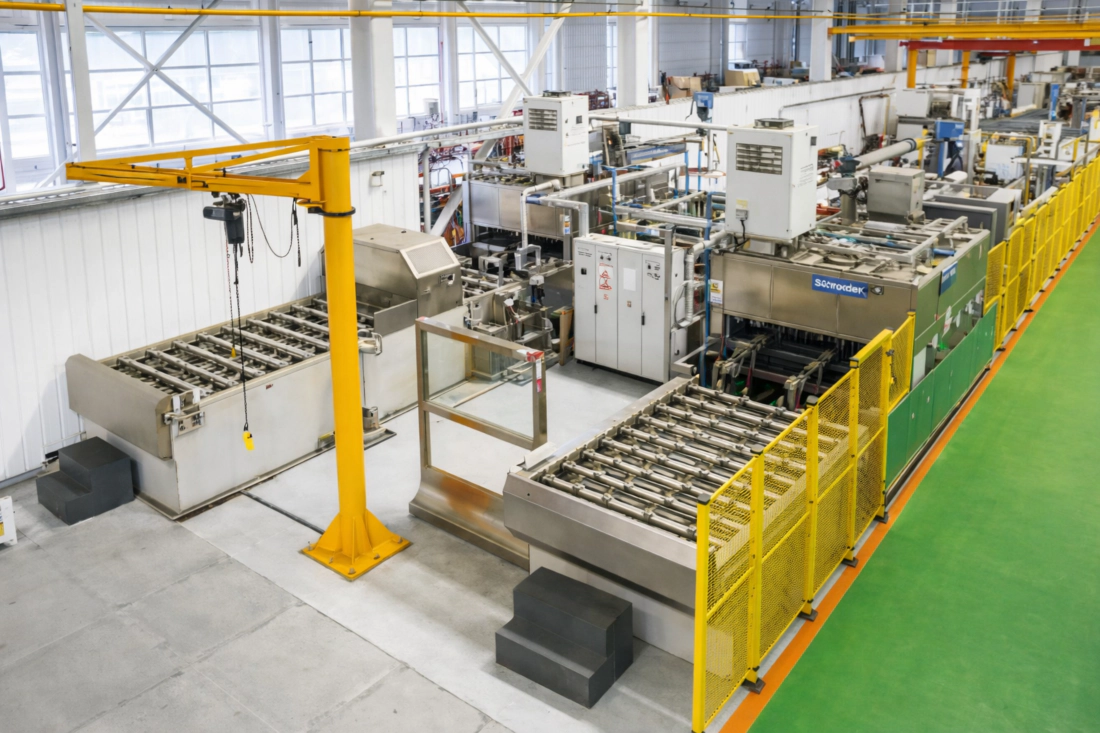
Ever Power: Reliability Below the Surface
Essential for the precise throttling of ballast tanks. Positive hydraulic control in both directions allows for fine-tuning of buoyancy, critical for hovering or maintaining depth.
We utilize specialized wipers designed to scrape away salt crystals and potential ice formations (in arctic operations) without damaging the polished rod surface.
Safety is paramount. Our cylinders can feature machined ports for direct mounting of Pilot Operated Check Valves (POCV), ensuring the valve position is locked hydraulically in case of power loss.
Client: Deep Ocean Research Institute
التحدي
A research submersible operating in the high-salinity waters of the Mediterranean was experiencing valve seizures. The existing aluminum-bronze cylinders were suffering from galvanic corrosion where they interfaced with the steel hull, leading to seal failure and loss of ballast control during a critical dive.
حلول الطاقة الدائمة
لقد صممنا منتجًا مخصصًا 316L Stainless Steel Cylinder solution with isolation mounts. We implemented a ceramic-coated rod option for extreme wear resistance and upgraded the seals to a high-pressure, low-temperature compound suitable for deep dives.
آراء العملاء
“The dimensional accuracy was perfect. We swapped the units during a 2-day port call and have had zero issues since.”
– Chief Submersible Pilot, France
“Ever Power understood the specific DNV requirements for pressure vessels better than our previous supplier.”
– Procurement Manager, Marine Tech
“The polished finish is holding up incredibly well against biofouling. Less cleaning time for our crew.”
– Operations Lead, Research Vessel
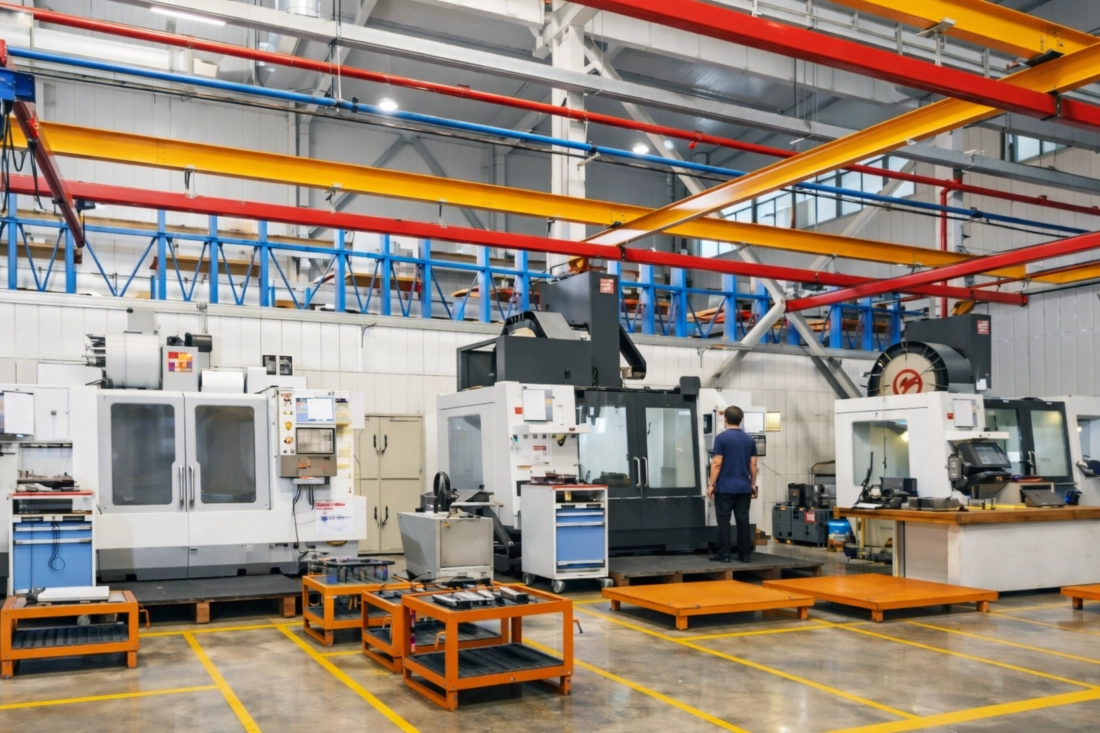
Technical Specifications: Subsea Series
| المعلمة | المواصفات القياسية | High-Performance Option |
|---|---|---|
| إعدادات | Double Acting, Welded | Double Acting, Bolted Flange |
| مادة | Stainless Steel 304 | 316L / 2205 Duplex / Titanium |
| تشطيب السعر | Mechanical Polish | Electropolished (Ra < 0.2µm) |
| طلاء القضيب | Hard Chrome | Ceramic Coating / Laser Cladding |
| تصنيف الضغط | 210 بار | 350 Bar – 600 Bar (Deep Sea) |
| الفقمات | Polyurethane | PTFE / PEEK (High Pressure) |
Versatility Across the Seabed
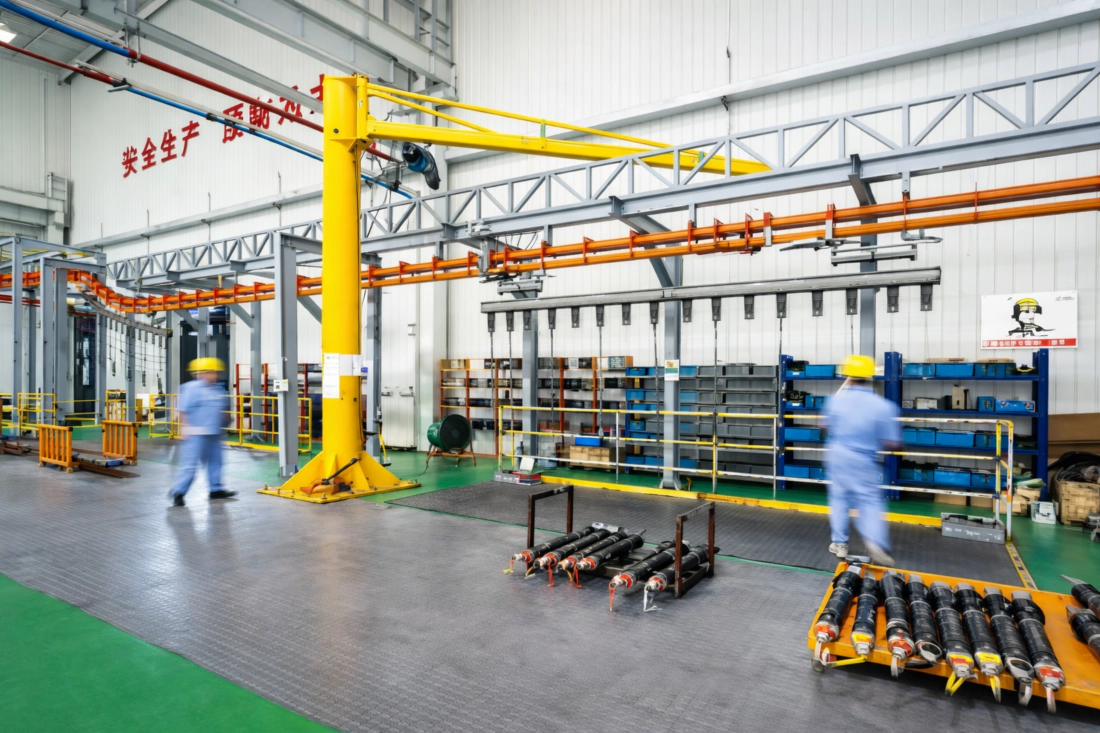
While our primary focus is ballast control, our 316L stainless steel actuators are integral to various subsea functions where reliability is non-negotiable:
- Manipulator Arm Actuation: Providing the precise movement for AUV robotic arms to sample and interact with the seabed.
- Hatch Locking Mechanisms: Securing the pressure hull and access points against hydrostatic ingress.
- Hydroplane/Rudder Control: Offering responsive steering control for manned and unmanned submersibles.
- Camera Pan/Tilt Units: Durable actuators for positioning imaging equipment in high-current environments.
China’s Center of Excellence for Marine Hydraulics
Based in Hangzhou, Ever Power capitalizes on the region’s advanced manufacturing capabilities to produce world-class subsea components. Our vertical integration strategy—controlling everything from 316L sourcing to electropolishing and pressure testing—ensures European quality standards at a competitive cost structure. We are equipped to handle complex specifications and rigorous third-party inspections (DNV/ABS).

Ready to Dive Deeper?
Send us your ballast system parameters. We provide detailed drawings and rapid quotes.
الأسئلة الشائعة
What is the price of a custom 316L hydraulic cylinder?
Pricing is determined by bore size, stroke, and seal requirements. Typically, our Hangzhou-based manufacturing offers a 20-30% cost advantage over Western suppliers for the same 316L specifications. Contact us for a detailed quote.
How do you ensure zero leaks at high depth?
We use a redundant sealing system featuring PEEK backup rings and specialized marine buffer seals. This setup prevents seal extrusion and withstands the high external hydrostatic pressure found in deep-sea environments.
Can you manufacture cylinders for 3000m+ depth?
Yes, we have experience designing depth-compensated cylinders for ROVs and submersibles rated for 3000m and beyond, utilizing oil-filled compensation chambers and pressure-balanced designs.
What is the typical lead time for a custom prototype?
For custom 316L prototypes, our lead time is approximately 35-45 days. This allows for material procurement, precision machining, electropolishing, and comprehensive pressure testing.
Do you provide material certification for offshore projects?
Absolutely. We provide full traceability packages including EN 10204 3.1 material certificates, welding procedure specifications (WPS), and hydrostatic test reports for every cylinder we ship.
Why is electropolishing necessary for submarine cylinders?
Electropolishing removes surface impurities and creates a chromium-rich passive layer. This drastically improves corrosion resistance and reduces friction, which is critical for reliability in saltwater immersion.
Ever Power Hydraulic Solutions | Global Subsea Partner