The transition from terrestrial hydraulics to offshore marine applications represents one of the most severe engineering leaps in the fluid power industry. Having spent over 18 years specializing in hydraulic actuation, I have seen standard industrial cylinders disintegrate within months when subjected to the relentless scouring of ocean waves and the corrosive assault of saltwater. In the specific context of Wave Energy Converters (WEC), the “Float Stabilization Cylinder” is the critical interface between the chaotic energy of the ocean and the regulated energy capture system. It does not merely move; it survives.
The operational profile of a stabilization cylinder involves millions of micro-cycles caused by heave, pitch, and surge motions. We have moved beyond standard carbon steel solutions, which rely heavily on paint systems that inevitably fail. Instead, we champion a rigid, Double-Acting Welded Structure manufactured entirely from 316L Stainless Steel. This metallurgical choice, combined with our proprietary electropolishing techniques, provides a passive surface layer that resists pitting corrosion even in the splash zone—the most aggressive environment for marine infrastructure. Our design philosophy centers on “Fit-and-Forget” reliability, essential for offshore installations where maintenance costs are astronomical.
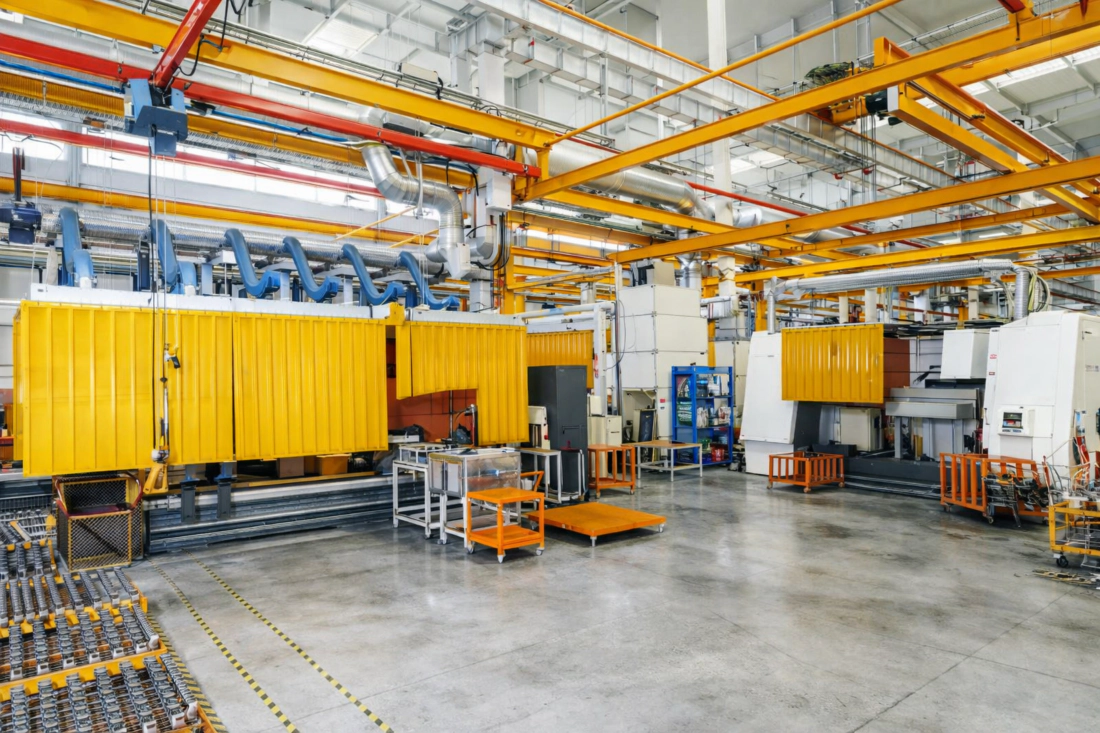
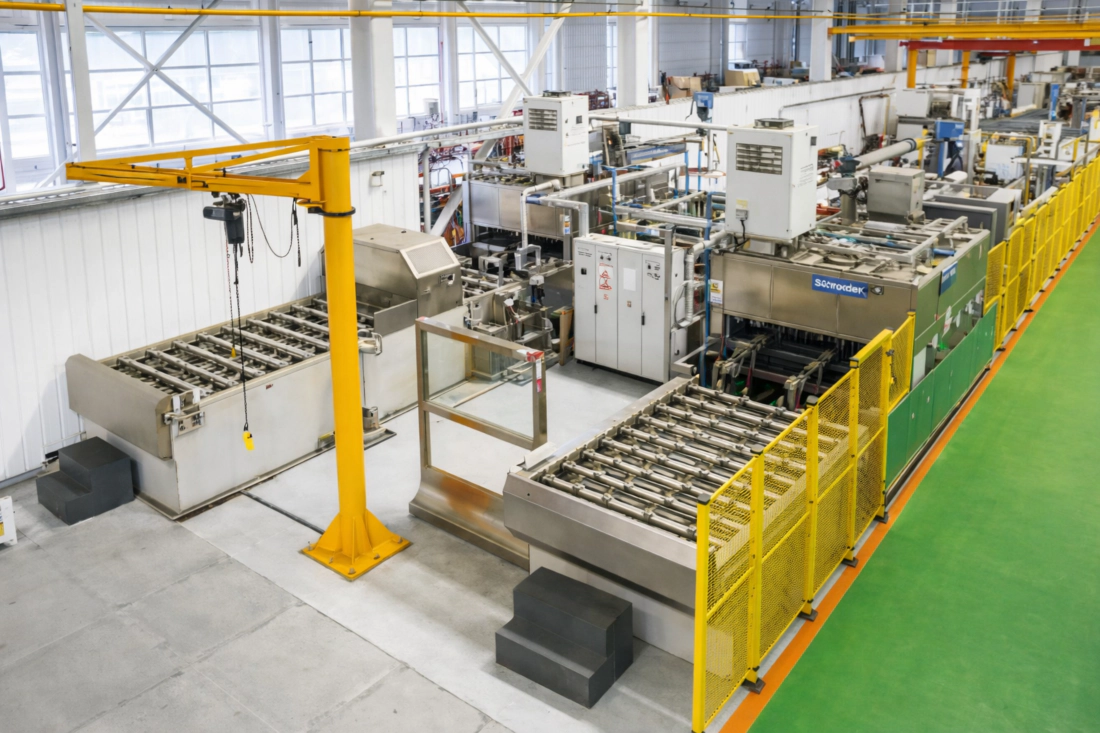
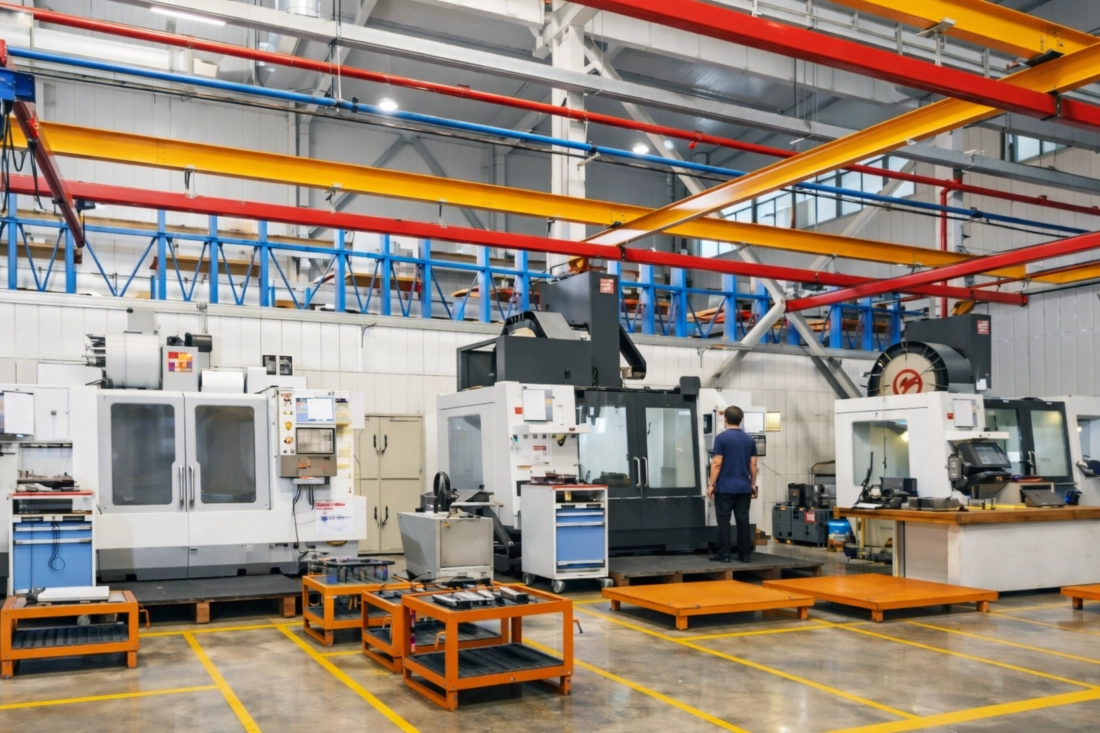
Validate Our Marine Manufacturing Capabilities
See how we process marine-grade stainless steel and conduct pressure testing for offshore ratings. We invite you to a virtual walkthrough of our production facility.
Defying the Ocean: Technical Superiority
Metallurgy: 316L Austenitic Steel
The hostile chloride environment of the ocean demands more than surface coatings. We manufacture the cylinder barrel, head, cap, and rod from solid AISI 316L stainless steel. The “L” (Low Carbon) variant minimizes carbide precipitation during welding, ensuring the weld zones maintain the same corrosion resistance as the base metal, effectively preventing intergranular corrosion failures common in lower-grade marine equipment.
Sealing: Offshore Composite System
Wave energy devices often experience “stochastic” (random) loading patterns. Our sealing system features a specialized double-wiper configuration made from hydrolysis-resistant polyurethane and PTFE/Bronze composites. This prevents saltwater ingress during the retraction stroke while maintaining a dynamic oil film to lubricate the rod, even under high-frequency dithering caused by small wave ripples.
Structure: Fatigue-Rated Welding
Unlike static industrial applications, a WEC cylinder never rests. We employ full-penetration automated TIG welding processes to join the cap and ports. The structural integrity is verified through ultrasonic testing to ensure it can withstand the cyclic stress of millions of wave impacts without developing fatigue cracks, guaranteeing a design life of 20+ years.
Technical Parameters: Marine Series (WEC)
Designed to meet DNV-GL and ABS standards for offshore hydraulic equipment.
| فئة المعلمات | تفاصيل المواصفات | Operational Advantage |
|---|---|---|
| إعدادات | مكبس مزدوج الفعل | Precise control for both damping and latching. |
| جسم المادة | AISI 316L Stainless Steel | Exceptional resistance to chloride pitting. |
| قضيب المكبس | Duplex 2205 + Ceramic Coating | High hardness to resist marine biofouling. |
| معالجة السطح | Electrolytic Polishing | Reduces surface roughness, prevents algae growth. |
| التصنيف البيئي | ISO 12944 C5-M (Marine) | Survival in splash zones and submersion. |
| Rod Seals | Parker/Trelleborg Marine | Zero leakage with biodegradable fluids. |
Project “Atlantic Shield”: Stabilizing Power in Portugal
التحدي: A prototype Wave Energy Converter deployed off the coast of Nazaré, Portugal, was suffering from premature actuator failure. The immense force of the Atlantic waves, combined with the high-salinity spray, caused the original carbon steel rods (coated with HVOF) to corrode and flake within 4 months. This led to seal destruction and a loss of hydraulic pressure, leaving the stabilizer float uncontrolled and dangerous.
الحل: Ever Power was consulted to redesign the actuation system. We engineered a custom 316L Stainless Steel Double-Acting Cylinder with a specialized “heave compensation” valve block integrated directly into the cylinder cap. The rod was upgraded to Duplex Stainless Steel with a ceramic overlay to withstand the abrasive sand particles suspended in the turbulent water.
النتيجة: The new cylinders have been operational for over 24 months with zero downtime attributed to hydraulic failure. The maintenance interval was extended from 6 months to 2 years, drastically reducing the need for expensive support vessel interventions.
“We needed an actuator that could survive the ‘washing machine’ environment of the surf zone. Ever Power’s stainless solution was the only one that didn’t rust.”
– João Silva, Marine Operations Lead
“The engineering team in China understood our wave load data perfectly. They adjusted the rod diameter to handle the buckling loads we missed in our initial calc.”
– Dr. Emily Thorne, Structural Engineer
“Cost-effective yet premium quality. Shipping heavy stainless components to Europe was seamless with their logistics support.”
– Mark Henderson, Project Procurement
Versatility in the Blue Economy
While float stabilization is a primary application, the unique properties of our 316L hydraulic cylinders make them indispensable across the wider offshore renewable energy sector. The ability to resist biofouling and corrosion allows for long-term submersion or splash-zone deployment.
1. Power Take-Off (PTO) Systems
High-pressure cylinders used to pump hydraulic fluid through a motor/generator assembly, directly converting linear wave motion into electricity.
2. Latching & Storm Protection
Critical safety actuators that lock the WEC device in a safe position during extreme weather events (survival mode) to prevent structural damage.
Global Marine Engineering, Manufactured in China
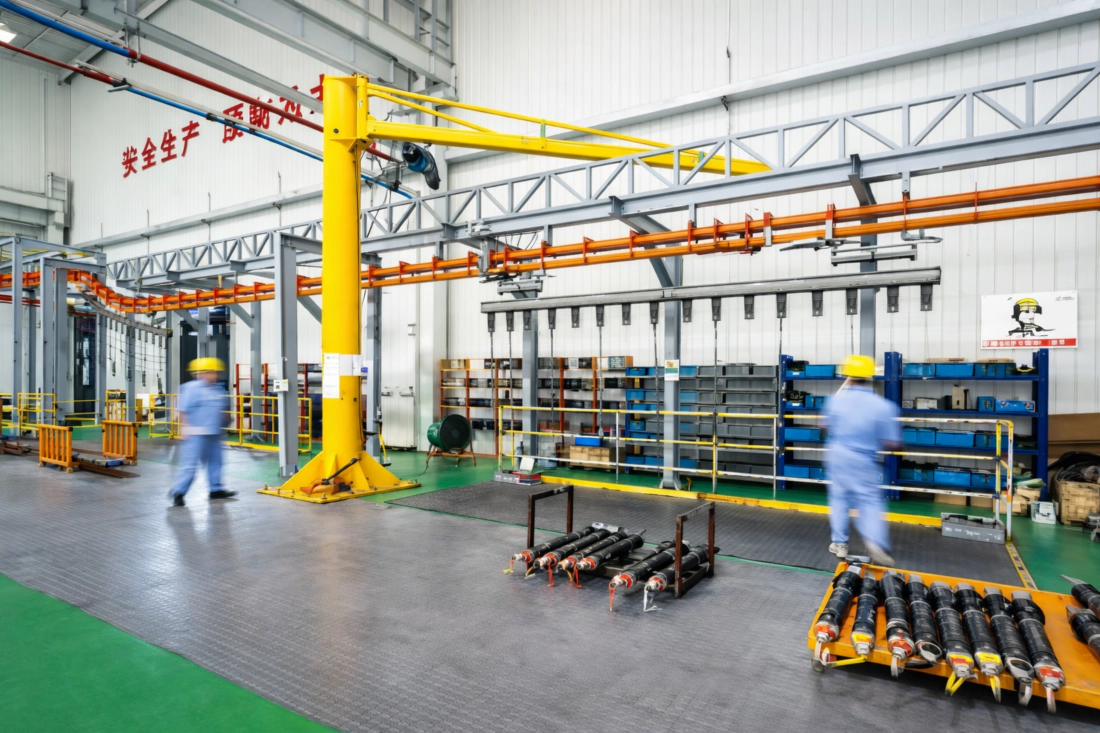
We are more than just a manufacturer; we are your strategic partner in the ocean energy supply chain. Located in China’s advanced manufacturing hub, Ever Power utilizes specialized stainless steel welding robotics and large-scale electropolishing tanks that most local job shops cannot access. We offer full DNV-GL certification support and can customize mounting trunnions, spherical bearings, and port geometries to fit your specific WEC design.