Titanium Alloy Double-Acting Hydraulic Cylinders for Submarine Hatch Locking Systems
Engineering absolute stealth and corrosion immunity for critical manned subsea entry points.
The operating environment of a submarine represents the apex of mechanical hostility. At depths where sunlight vanishes and hydrostatic pressure creates crushing forces, the hatch locking system is the primary barrier between life and catastrophic failure. For naval architects and marine engineers, the selection of actuation components for these hatches is not merely a matter of force generation; it is a calculation of survival. Standard marine-grade steels, even passivated 316L, face significant challenges in these anaerobic conditions where crevice corrosion can propagate undetected. Furthermore, in military applications, the magnetic signature of ferrous hydraulic cylinders can compromise the vessel’s stealth capabilities.
We have engineered a definitive solution for this sector: Double-Acting Full Titanium Alloy Piston Cylinders. By utilizing Titanium Grade 5 (Ti-6Al-4V) for the entire structural assembly—including the barrel, rod, and end caps—we achieve a component that is 45% lighter than steel, completely non-magnetic, and immune to seawater corrosion. This specific configuration is designed for the precise, high-torque locking required to compress hatch seals against deep-sea pressure variance. Our manufacturing process involves specialized vacuum welding and surface polishing techniques that ensure the hydraulic integrity remains absolute, even after decades of submerged service.
جولة المصنع التفاعلية
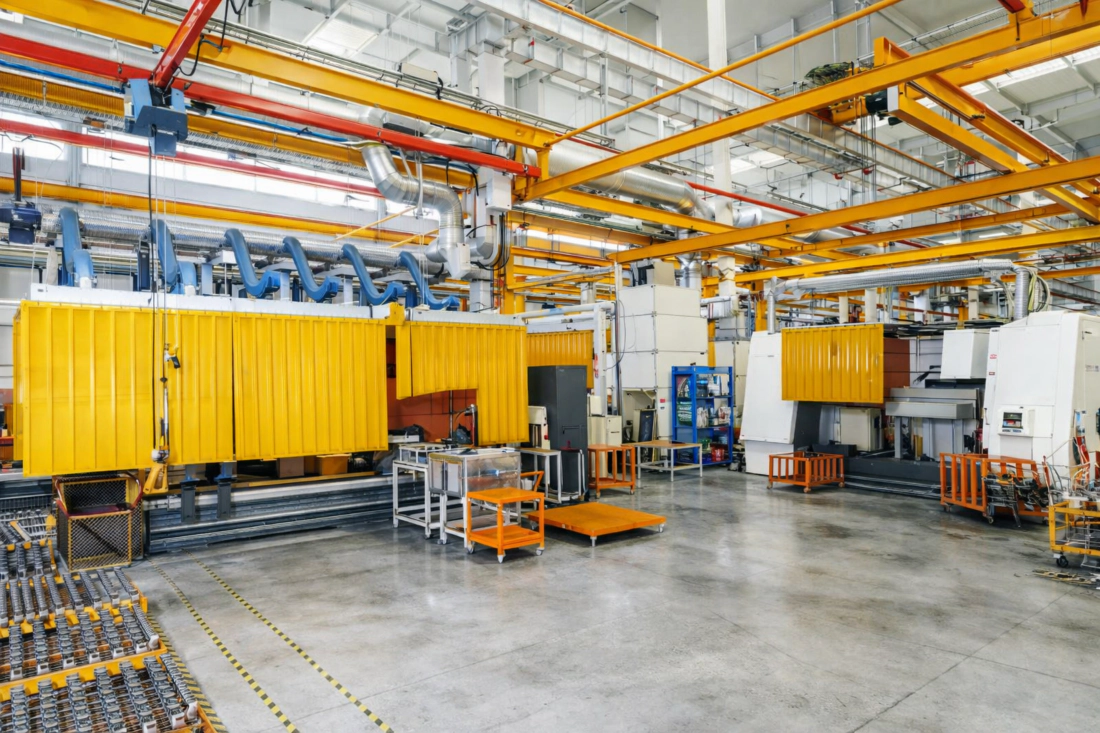
Step inside our clean-room facility to see how we machine Titanium Grade 5 with aerospace precision.
The Physics of Titanium in the Deep
Total Corrosion Immunity
Unlike steel, which relies on a passive film that can break down in low-oxygen water (crevice corrosion), Titanium is naturally immune to seawater at ambient temperatures. There is no galvanic corrosion potential when the cylinder is integrated with other titanium hatch components. This eliminates the need for sacrificial anodes or hazardous epoxy coatings that can flake off and contaminate the hydraulic system or interfere with the hatch seal mechanisms.
Non-Magnetic Stealth
For defense applications, magnetic silence is paramount. Standard hydraulic cylinders act as ferrous dipoles that can be detected by Magnetic Anomaly Detectors (MAD). Our Ti-6Al-4V alloy is paramagnetic with near-zero magnetic susceptibility. This ensures that the hatch locking mechanism does not contribute to the vessel’s magnetic signature, a critical requirement for modern stealth submarines operating in contested waters.
High-Strength Welding
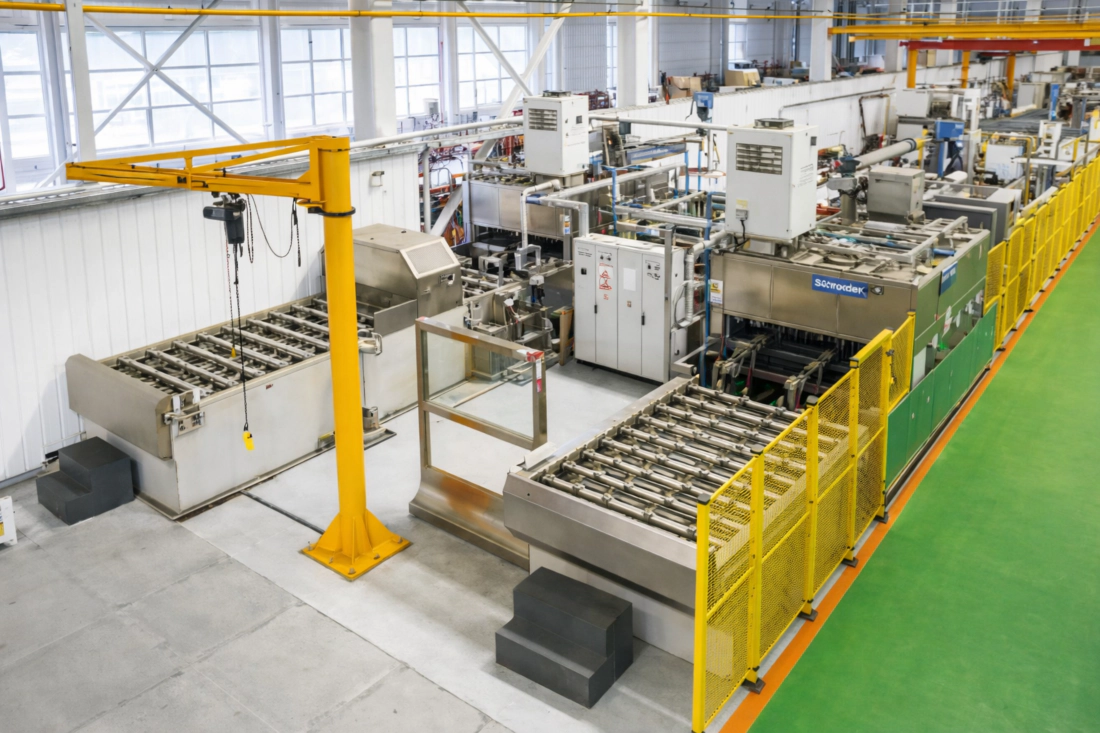
Processing titanium requires an inert atmosphere to prevent embrittlement. We utilize advanced TIG welding in argon-purge chambers to fuse the cylinder cap and ports. This creates a monolithic structure where the weld strength matches the base metal strength (approx. 900-1000 MPa). This high strength-to-weight ratio allows us to design compact cylinders that fit into the tight recesses of a pressure hull without compromising force output.
Strategic Advantages for Subsea Engineering
- Mirror Polished Rods: The titanium piston rods undergo centerless grinding and polishing to Ra < 0.1μm. This ultra-smooth surface minimizes friction against the seals, essential for ensuring the hatch can be locked manually in emergency bypass situations if hydraulic power is lost.
- Biofouling Resistance: While titanium is biocompatible, our polished surfaces resist the strong adhesion of marine growth (barnacles/algae). This ensures that the locking mechanism remains clear of obstruction even after prolonged periods of docking or shallow water operation.
- Fatigue Superiority: Titanium has an exceptional fatigue limit compared to steel. In the cyclic loading environment of a hatch (pressurize/depressurize cycles), titanium cylinders resist the propagation of micro-cracks, ensuring structural integrity over a 25-year service life.
Case Study: Deep Submergence Rescue Vehicle (DSRV) Retrofit
Client: Pacific Naval Research Institute
التحدي: A fleet of DSRVs operating in the Pacific was experiencing hydraulic lock failures on the mating skirt hatches. The existing 316L stainless steel cylinders were suffering from “galling” on the threads and seal grooves due to salt accumulation and high-stress cycling at 500 meters depth. Maintenance required a complete teardown every 6 months.
الحل: We designed a custom Titanium Grade 5 Cylinder retrofit. The new design incorporated a custom Bronze-PTFE guide ring system to prevent metal-to-metal contact under high side loads during mating procedures.
النتيجة: The new titanium system has been operational for 5 years with zero failures. The weight savings of 120kg per vehicle allowed for additional emergency oxygen payload. Maintenance intervals were extended to 5 years.
“The weight reduction on the hatch mechanism was significant. The titanium cylinders actuate faster and smoother than the steel ones ever did.”
— Cmdr. J. Reynolds, Technical Lead
“We have tried multiple coatings on steel, but nothing compares to solid titanium. No rust, no paint chipping, just reliability.”
— Sarah L., Materials Engineer
“Sourcing titanium parts from China was a concern initially, but Ever Power’s QC reports and material certs were impeccable.”
— David Chen, Procurement Specialist
Technical Performance Specifications
| المعلمة | المواصفات البحرية القياسية | Ever Power Titanium Spec |
|---|---|---|
| Material Constitution | 316L Stainless Steel / 17-4PH | Titanium Alloy Grade 5 (Ti-6Al-4V) |
| Magnetic Permeability | Low (but detectable) | Non-Magnetic (Stealth Safe) |
| مقاومة التآكل | Susceptible to Pitting/Crevice | Complete Immunity in Seawater |
| Density (Weight) | ~7.9 g/cm³ | ~4.43 g/cm³ (45% Lighter) |
| قوة الخضوع | ~210-450 MPa | ~900 MPa (High Strength) |
| ضغط العمل | 210 بار | 350 Bar + (High Safety Factor) |
Diverse Subsea Applications
Our Titanium hydraulic cylinders are not limited to military submarines. They are the ideal actuation solution for any underwater vehicle or habitat where weight, reliability, and corrosion resistance are non-negotiable.
Diver Lockouts
Actuation for decompression chambers and lockout hatches.
AUV Manipulators
Lightweight cylinders for robotic arms on Autonomous Underwater Vehicles.
Torpedo Tubes
Opening and closing mechanisms for outer tube doors.
Sensor Masts
Retractable cylinders for periscopes and sensor arrays.
Advanced Titanium Manufacturing in China
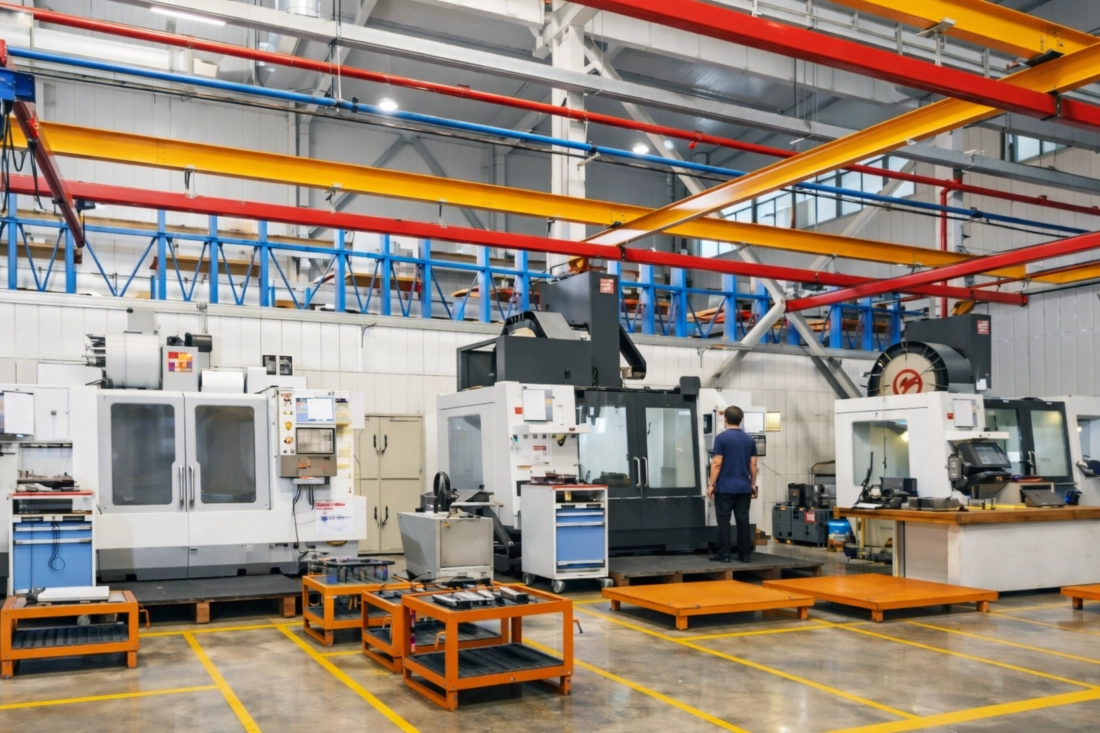
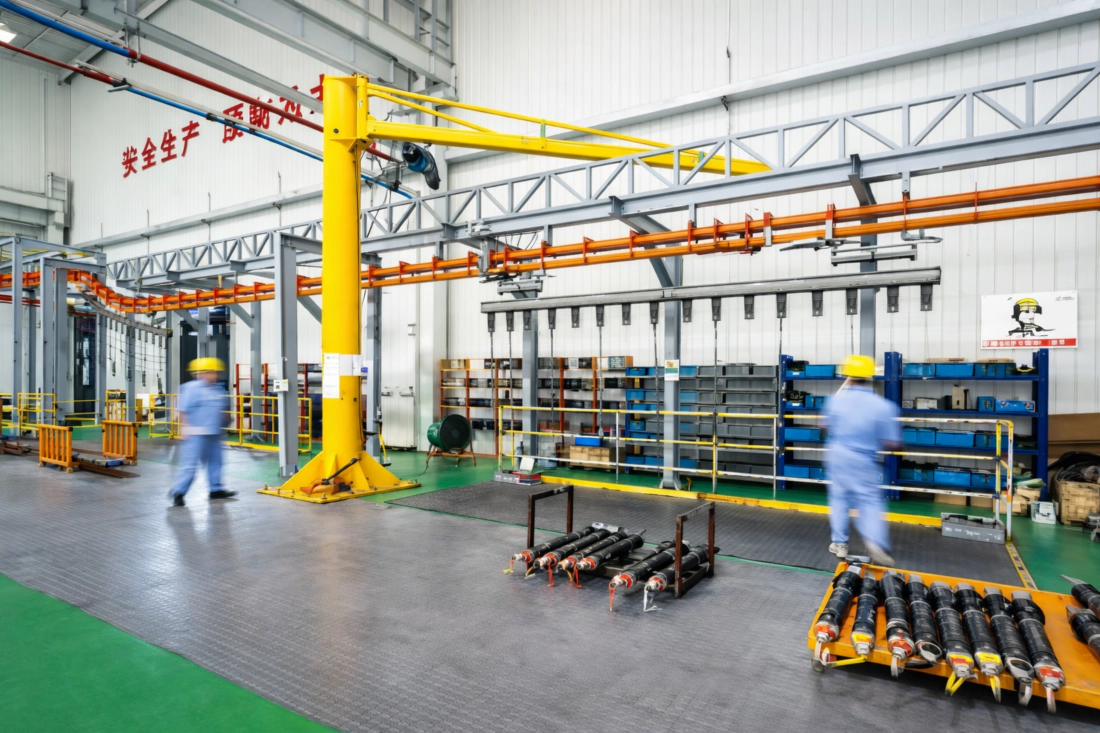
Located in the heart of China’s advanced metallurgical hub, our facility is equipped with specialized CNC machinery capable of processing high-hardness Titanium alloys. Unlike standard steel machining, titanium requires specific tooling and cooling protocols to prevent heat buildup and maintain material properties.
Our custom engineering team is experienced in “Build-to-Print” and “Design-to-Spec” projects for global defense and marine clients. We offer full material traceability (Mill Test Certificates) and hydrostatic pressure testing up to 1000 Bar. We bridge the gap between Chinese manufacturing efficiency and aerospace-level quality control.

الأسئلة الشائعة
Upgrade to Titanium Reliability Today
Contact our engineering team for a confidential consultation and quote.
© 2026 Ever Power Hydraulic Manufacturers. Global Subsea Solutions.