Loader Lift Hydraulic Cylinders: The “Unsung Heroes” of Your Heavy Fleet
You know that sound. That groaning, high-pitched whine when a bucket is fully loaded, and the boom just… hesitates. It’s the nightmare of every fleet manager and the headache we’ve spent nearly two decades solving. When we talk about a Loader Lift Hydraulic Cylinder, we aren’t just talking about a tube and a rod; we are talking about the difference between a project finishing on time and a machine sitting idle while you burn cash on rental equipment. In my eighteen years walking through workshops and muddy construction sites, I’ve seen more seal failures and bent rods than I care to count, and usually, it comes down to one thing: underestimating the side-load forces these beasts take during a bank turn. Most printers—and even some junior engineers—don’t realize that the lift cylinder isn’t just pushing up; it’s stabilizing tons of dynamic rock or soil. If the guide bands aren’t precision-machined or the chrome plating is too porous, you’re just installing a ticking time bomb (and nobody wants that phone call at 2 AM).
👀 Step Inside Our World
Don’t just take my word for it. We believe in total transparency. Walk through our production line right now—no flight ticket required.
See where the heavy-duty magic happens.
The Engineering Reality: Why “Standard” Doesn’t Cut It
Let’s get technical for a minute (but I promise to keep the math largely out of this). The fundamental problem with a generic Loader Lift Hydraulic Cylinder is that off-the-shelf components assume a perfect world. They assume the load is always centered, the oil is always clean, and the operator is always gentle. In our experience, none of that is true. A loader working in a quarry or a logging site subjects the lift cylinder to massive shock loads. When that bucket hits an unexpected granite shelf, the pressure spike can momentarily exceed 450 bar. If your cylinder barrel has micro-imperfections in the honing, that pressure spike forces the seal material into those gaps, causing what we call “extrusion nibbling.” Over time, your seal looks like a mouse chewed on it. The trick is optimizing the gap between the piston and the bore. We tighten our tolerances to levels that make standard machine shops nervous, ensuring that even under ballooning pressure, the gap remains small enough to protect the seal integrity. It’s these invisible details that define longevity.
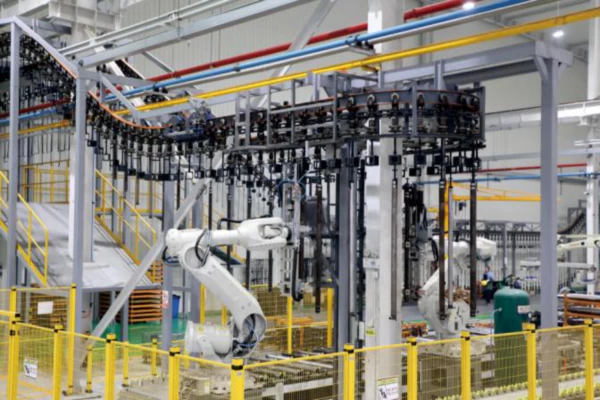
Our rigorous testing bay, where every loader lift hydraulic cylinder faces pressure cycles higher than real-world conditions.
Materials, Specs, and The “Secret Sauce”
I’ve argued with suppliers for years about chrome thickness. Standard industrial plating might get you 20 microns, which looks shiny and nice on day one. But put that Loader Lift Hydraulic Cylinder in a salt mine or a coastal construction project, and you’ll see pitting within six months. We insist on a minimum of 30-50 microns of hard chrome plating, followed by a polishing process that hits a surface roughness of Ra 0.2 or better. Why? Because rough chrome acts like sandpaper on your wiper seals. Once the wiper is gone, dirt gets in, and it’s game over. Furthermore, let’s talk about the gland (the head of the cylinder). We use high-grade ductile iron rather than standard grey iron. Ductile iron has that microscopic elasticity—it gives just enough under shock load without cracking. Below is a breakdown of the typical specs we engineer for, though obviously, customization allows us to push these boundaries.
| الميزة / المكون | المواصفات القياسية | مكافأة الأداء |
|---|---|---|
| برميل الاسطوانة | ST52 / E355 Honed Tubing (H8 tolerance) | Resists ballooning; ensures perfect seal contact. |
| قضيب المكبس | 42CrMo4 Quenched & Tempered, Hard Chrome >30µm | High tensile strength against bending; superior corrosion resistance. |
| نظام إحكام الغلق | Hallite / SKF / Parker (Double-lip wipers) | Zero leakage performance; handles temp extremes (-40°C to +110°C). |
| العمليات | Rated: 210 Bar / Peak: 350 Bar | Handles shock loads from dropping heavy payloads. |
| نوع التركيب | محامل كروية / محور ارتكاز / وصلة | Absorbs misalignment and side-loads effectively. |
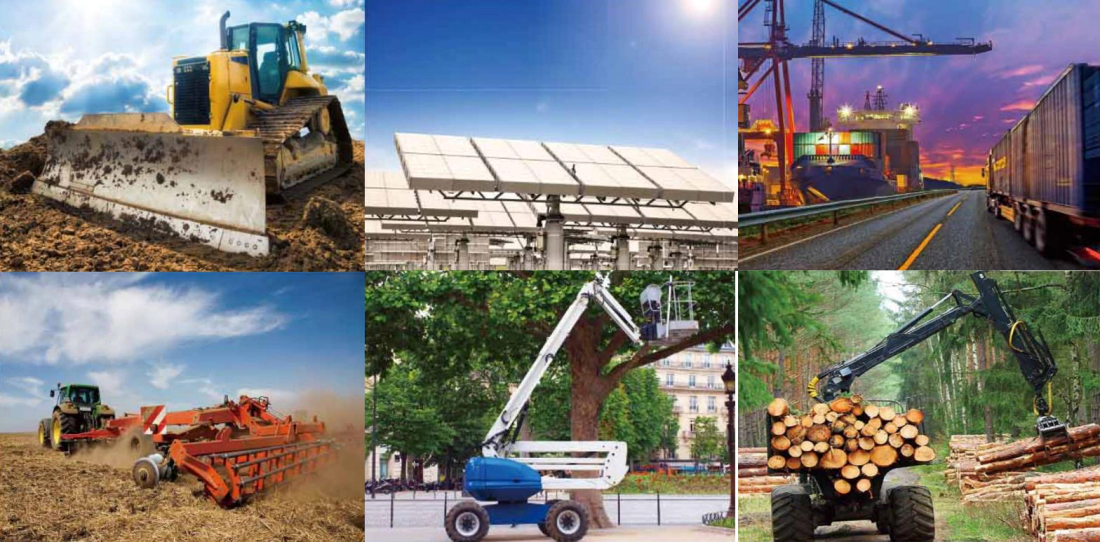
From agriculture to mining, the application dictates the design.
Where These Giants Roam: Application Scenarios
It’s not just about loaders. A high-quality Loader Lift Hydraulic Cylinder finds its home in a variety of punishing environments. We see huge demand in the Waste Management sector—think about garbage compactors and loaders moving recycled glass (which is incredibly abrasive dust). If the rod wiper isn’t aggressive enough, that glass dust gets into the oil and destroys the pump. Agriculture is another beast entirely; the corrosive nature of fertilizers means standard paint jobs peel off in weeks, exposing the cylinder body to rust. We usually recommend a specialized epoxy primer for our Ag-clients. Then, of course, there’s construction. Whether it’s a skid steer lifting pallets of bricks or a massive wheel loader in a marble quarry, the requirement is the same: absolute reliability. You can’t afford to have a machine drooping its load while workers are standing underneath. Safety valves (like counterbalance valves) are often integrated directly into our cylinders for these scenarios to prevent hose-burst collapses.
Case Study: Freezing Cold & The “Manitoba Mystery”
Client Profile: Borealis Mining & Excavation (Canada)
التحدي: Back in 2021, Borealis approached us with a desperate situation. They were operating a fleet of 5-ton wheel loaders in Northern Manitoba. During the winter, temperatures dropped to -45°C. Their OEM Loader Lift Hydraulic Cylinders were failing catastrophically. The standard nitrile seals were turning into hard plastic in the cold, cracking the moment the hydraulics were engaged in the morning. They were replacing cylinders every 3 weeks. It was a logistical and financial nightmare.
الحل: We didn’t just sell them a catalog part. We re-engineered the seal configuration entirely. We switched to low-temperature polyurethane compounds mixed with specific energizers that maintain flexibility down to -55°C. Furthermore, we inducted hardened the piston rods to a greater depth to withstand the impact of frozen earth chunks hitting the rod. We also adjusted the viscosity recommendations for their hydraulic fluid in our manual.
النتيجة: The customized cylinders lasted the entire winter season without a single leakage event. The maintenance manager, Dave, told us they saved roughly $120,000 in downtime and parts in just one quarter. That’s the power of application-specific engineering.
Strategic Analysis: The State of Hydraulic Tech (SWOT)
نقاط القوة (الداخلية)
- Vertical integration: We control honing, plating, and assembly.
- Custom engineering speed (prototypes in 15 days).
- Use of Tier-1 seal brands (Hallite/Parker).
نقاط الضعف (الداخلية)
- Premium pricing (we aren’t the cheapest option on the market).
- Longer lead times for highly exotic alloy requests.
الفرص (الخارجية)
- Integration of IoT smart sensors for position feedback.
- Growing demand for eco-friendly (bio-oil compatible) seals.
- Expansion into emerging heavy mining markets in South America.
التهديدات (الخارجية)
- Fluctuating raw material costs (steel/chrome).
- Influx of low-quality, “disposable” cylinders undercutting safety standards.
Trend Watch: Where is this Technology Going?
If you think hydraulic cylinders are “old tech,” think again. The biggest trend we are seeing right now in the Loader Lift Hydraulic Cylinder market is the integration of linear position sensors (like magnetostrictive sensors) directly inside the cylinder rod. This allows the loader’s computer to know exactly where the bucket is, enabling semi-autonomous digging or “return-to-dig” features that save fuel and operator fatigue. We are also seeing a massive shift toward predictive maintenance. Instead of waiting for a leak, smart cylinders can detect pressure micro-drops that indicate seal wear weeks before a failure occurs. At Ever Power, we are already prototyping these smart units for major OEMs. It’s not just about lifting anymore; it’s about data.
المصنع والتخصيص: نصنع ما تحتاجه
Look, catalogs are great for standard repairs. But if you are building a custom machine or modifying a loader for a specific task (like log grappling or pipe laying), you need a partner who can read a CAD drawing—or even a napkin sketch. Our customization capability is what really sets us apart. We don’t just shorten a rod; we recalculate the buckling load, ensuring safety factors are met. Need a Loader Lift Hydraulic Cylinder with integrated cushioning to stop that “bang” at the end of the stroke? We do that daily. Need a specific port orientation because your hydraulic hoses are routed weirdly? Easy fix.
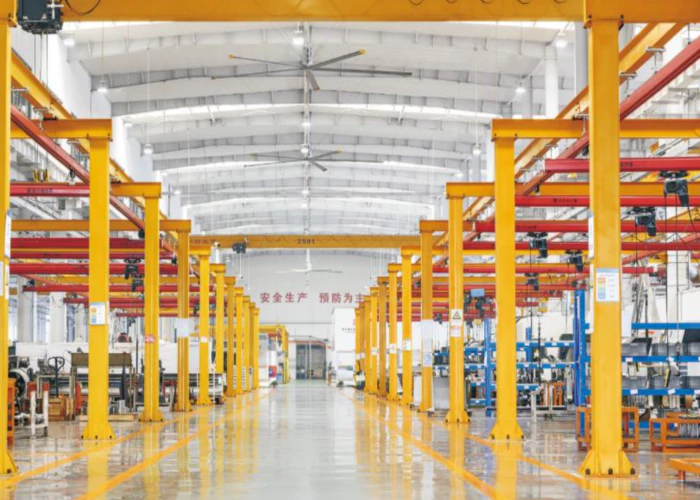
Precision welding and assembly ensure our custom cylinders outlast the competition.
What Our Partners Are Saying
“We used to buy cheap replacements for our Komatsu loaders. False economy. Ever Power’s cylinders have been running for 4,000 hours without a weep. The seal kits they use are legit.”
— Marcus T., Fleet Manager, Texas, USA
“I needed a custom lift cylinder for a specialized forestry attachment. Their engineering team sent me a drawing in 24 hours. The fit was perfect. Highly professional.”
— Jurgen K., Equipment Manufacturer, Germany
“Fast shipping, good packaging, and the chrome finish is visibly better than the stock parts. These guys know hydraulics.”
— Liam S., Mining Operations, Australia
Frequent Questions on the Floor (FAQ)
We get asked these questions every day on the phone. Here is the straight talk.
How do I measure a loader lift hydraulic cylinder for replacement?
To get it right, you need the closed length (pin to pin), the stroke length, the bore diameter, and the rod diameter. Don’t forget to check the pin size! If you are unsure, send us photos or a sketch, and we can identify it for you.
Why is my new hydraulic cylinder drifting down under load?
Cylinder drift usually means internal bypass. The piston seal is likely damaged or worn, allowing oil to leak from the high-pressure side to the low-pressure side. It could also be a holding valve issue, but 9 times out of 10, it’s the seal.
What is the cost of a custom loader lift cylinder in the USA?
Prices vary wildly based on size and tonnage, but generally, a quality custom cylinder ranges from $800 to $3,500. Beware of anything too cheap; usually, they skimp on chrome thickness.
Which hydraulic oil is best for cold-weather loader operation?
In freezing conditions, standard AW46 becomes like molasses. You should look for a high viscosity index (VI) fluid, often ISO 32 or a dedicated multigrade cold-weather hydraulic fluid, to prevent cavitation on startup.
أين يمكنني العثور على مورد أسطوانات هيدروليكية بالقرب مني؟
While local shops are great for quick seal swaps, for manufacturing or major replacements, Ever Power ships globally with fast lead times. We support clients from Texas to Tokyo.
When should I rebuild vs replace my hydraulic cylinder?
If the barrel is scored or deeply pitted, replace it. Honing it out too much increases the tolerance gap and seals will fail again. If it’s just a leaking seal and the metal is good, rebuild it.