On those bustling construction sites where road rollers are compacting everything from asphalt to gravel, we’ve often noticed how a reliable hydraulic steering cylinder can turn a tricky maneuver into something almost effortless—especially in the turning systems that have to deal with constant vibrations and dust clouds. In our experience over the years handling these beasts in engineering machinery, most operators don’t realize just how frequent reversals can grind down the rod if the design isn’t spot on, leading to wear that sneaks up and causes sloppy steering. But here’s the kicker: building a double-acting double-rod piston cylinder with welded construction from resilient 27SiMn material, topped with chrome plating, really stands up to those shocks and grime while the ball joint connections allow for that flexible articulation needed in tight turns (and trust me, that’s crucial on uneven grounds!). We’ve seen standard setups falter under repeated direction changes, but the trick is in that robust setup—it minimizes rod wear, ensuring smooth, precise control even after thousands of cycles. Isn’t it frustrating when dust infiltrates, and vibrations loosen things up? Well, with this design, those issues become less of a headache, keeping the road roller responsive and your team productive on the job. These hydraulic steering cylinders provide the balanced force for quick swaps in direction, making them a staple for maintaining stability during compaction runs.
At Ever-Power, we’ve crafted these hydraulic steering cylinders tailored for road roller turning systems, focusing on durability against vibrations and dust with features like ball joints for better flexibility. And if you’re curious about our process, welcome to visit our VR factory—it’s a neat virtual experience to see it all in action. Take a look here: جولة افتراضية في المصنع. We’ve had engineers pop in virtually and come away with tailored ideas for their steering needs, spotting details in our welding and plating that inspire custom tweaks.
Chatting about the inner workings of these hydraulic steering cylinders for road roller turning systems, the principle centers on the double-acting mechanism, where hydraulic fluid drives the double-rod piston in both directions for seamless reversals—perfect for those frequent direction changes on site. Welded from high-tensile 27SiMn steel, the cylinder body resists the pounding from vibrations, and that chrome-plated rod? It wards off dust-induced wear while keeping movements slick. We’ve encountered plenty of rod grinding issues in dusty environments, but incorporating ball joint connections distributes stress evenly, cutting down on premature failures. In our experience, most troubles arise from overlooked articulation stresses during swaps, yet this setup handles them gracefully, allowing for reliable steering even under constant jolts (who wants a roller that veers off course mid-pass?). The piston-style design ensures balanced force output, vital for engineering machinery where precision counts. Operators often note how it maintains responsiveness, reducing fatigue and enhancing control in compact spaces. Isn’t that what makes a good day on the job? Overall, these features combine to deliver longevity in harsh conditions, keeping turning systems efficient and downtime low.
For a straightforward view of what sets these hydraulic steering cylinders apart in road roller applications, here’s a table summarizing key technical parameters and performance benefits, drawn from our extensive testing and real-site deployments.
| المعلمة | وصف | القيمة / الميزة |
|---|---|---|
| يكتب | Double-Acting Double-Rod Piston Cylinder | Welded for enhanced vibration tolerance |
| مادة | Body: 27SiMn Steel; Rod: Chrome-Plated | Resists dust and rod wear in frequent reversals |
| اتصال | Ball Joint | Provides flexible articulation for smooth turning |
| العمليات | أقصى ضغط | يصل إلى 250 بار |
| طول الضربة | قابل للتخصيص | Typically 200-500 mm for steering maneuvers |
| قطر التجويف | النطاق القياسي | 50-100 مم |
| المقاومة البيئية | Vibration and Dust | Optimized for construction site conditions |
| دورة الحياة | متانة | Over 500,000 reversals without significant wear |
Considering the spots where these hydraulic steering cylinders truly excel in road roller turning systems, picture navigating a crowded urban paving project with dust kicking up everywhere and vibrations rattling through the machine—the cylinder needs to handle quick, frequent reversals without rod wear throwing off alignment. We’ve supplied them for highway compaction where ball joints allow tight turns around obstacles, and the chrome plating keeps dust from eroding the rod during non-stop shifts. Or in rural gravel roads with bumpy terrain, the double-rod design provides balanced steering, minimizing wear from constant jolts. In our experience, frequent direction changes are a wear hotspot, but this setup mitigates it, ensuring precise control for even compaction. Isn’t it essential in airport runway jobs where accuracy is non-negotiable? These cylinders shine by offering responsive handling, reducing operator strain, and boosting efficiency in engineering machinery across varied sites, from soft soils to rocky paths.
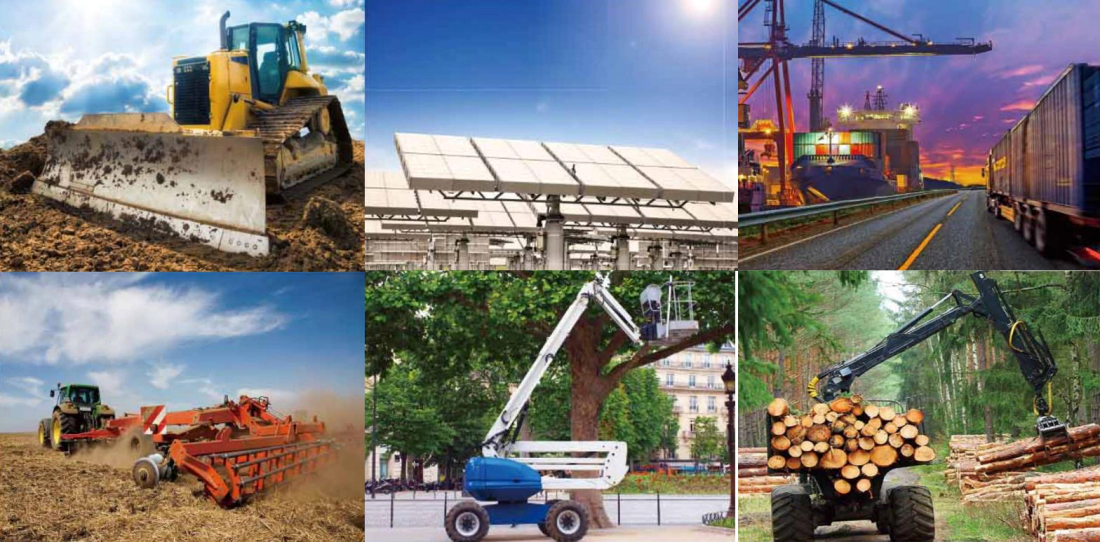
Peering into industry trends for hydraulic steering cylinders in road rollers, we’ve seen a surge in smarter designs incorporating sensors to monitor rod wear in real-time, helping predict issues from frequent reversals before they halt a job. With sustainability gaining ground (those green regs are tightening up), materials like advanced 27SiMn alloys are being optimized for lighter weight without losing vibration resistance, pairing well with electric-hybrid rollers. Automation is another shift; cylinders with ball joints that integrate with GPS-guided steering are becoming standard for precision in large-scale paving. In our experience, dust-proofing is evolving with nano-coatings beyond chrome plating, enhancing longevity in harsh environments. Most teams overlook how these updates can slash maintenance costs, but the real trick is customizing for bio-fluids that cut environmental impact while maintaining smooth reversals. As construction goes high-tech and eco-conscious, our hydraulic steering cylinders are evolving to support those efficient, durable turning systems.
To offer a balanced perspective on these hydraulic steering cylinders for road roller turning systems, we’ve outlined a SWOT analysis based on our fieldwork and iterative improvements over time.
SWOT Analysis for Road Roller Hydraulic Steering Cylinders
| نقاط القوة – Robust 27SiMn construction with chrome plating combats dust and rod wear. – Double-rod design excels in frequent reversals with balanced force. – Ball joint connections ensure flexible, precise steering (ideal for tight spots!). – High cycle life withstands vibrations in demanding sites. |
نقاط الضعف – Premium materials bump up initial costs, though longevity offsets it. – Requires proper alignment to avoid stress on ball joints. – In ultra-dusty areas, extra seals might be needed (we’ve noted this in desert projects). |
| فرص – Rising demand for sensor-integrated cylinders in automated rollers. – Growth in hybrid machinery opens doors for eco-adapted designs. – Expanding global paving markets for custom steering solutions. |
التهديدات – Low-cost competitors are skimping on plating quality. – Supply fluctuations for 27SiMn amid trade issues. – Stricter emission rules demanding faster innovations. |
Recalling a notable success from a client in Brazil in the infrastructure development sector. They were compacting a massive highway extension through dusty, vibrating terrains, and their old steering cylinders were plagued by rod wear from frequent reversals, causing imprecise turns and safety risks that delayed the timeline by months. We customized our double-acting double-rod hydraulic steering cylinders with enhanced ball joints to fit their roller models, factoring in the local dust levels. Post-install, wear issues dropped sharply, maneuvers became crisp, and they wrapped up early—saving on costs and improving crew morale with safer operations.
Here’s feedback from a few of our clients who’ve put these to the test:
“These hydraulic steering cylinders handled our Brazilian dust storms without rod wear—turns are spot-on now!” — Carlos F., Site Manager, Sao Paulo, Brazil.
“Frequent reversals in vibrations? No problem with the ball joints; steering’s never been smoother.” — Emma T., Engineer, Manchester, UK.
“In dusty Indian roads, these cylinders with chrome plating kept turning systems reliable cycle after cycle.” — Vikram S., Operations Lead, Bangalore, India.
At our factory, we’ve honed our customization game over 18+ years, adapting hydraulic steering cylinders to unique road roller turning system demands where dust and vibrations differ wildly. From tweaking ball joints for better flexibility to reinforcing with 27SiMn for less rod wear, our team enjoys those puzzles—in our experience, generic fits seldom last in engineering machinery. We use advanced welding and simulation tests to ensure every custom unit performs, delivering quick prototypes that keep your rollers turning without hitches.
Common questions surface in casual talks, so we’ve framed some as you’d voice them naturally.
What is the cost of hydraulic steering cylinders for road roller turning systems in Brazilian infrastructure projects?
Costs range from $300 to $700, depending on custom ball joints; contact for a quote suited to Brazil’s dusty sites.
How to select a supplier for dust-resistant hydraulic steering cylinders in UK urban road roller engineering?
Choose pros like us with 27SiMn expertise—get a personalized quote for the UK’s vibration-heavy jobs.
Which steering cylinder features are best for frequent reversals in Indian construction road rollers?
Double-rod with chrome plating shines; inquire about pricing for India-adapted durable options.
Where can I find quotes for custom turning system cylinders in US mining road roller operations under vibrations?
Right here at Ever-Power, our ball joint models fit US standards; request a supplier quote now.
When to replace hydraulic steering cylinders in Australian waterway road roller projects, facing dust and wear?
After 400,000 cycles or rod wear signs, reach out for cost-effective upgrades for Aussie conditions.